
Isuzu Refuse Rear Load Trucks For Sale in Florida
No exact matches found for your search
Showing Refuse Rear Load Trucks instead.
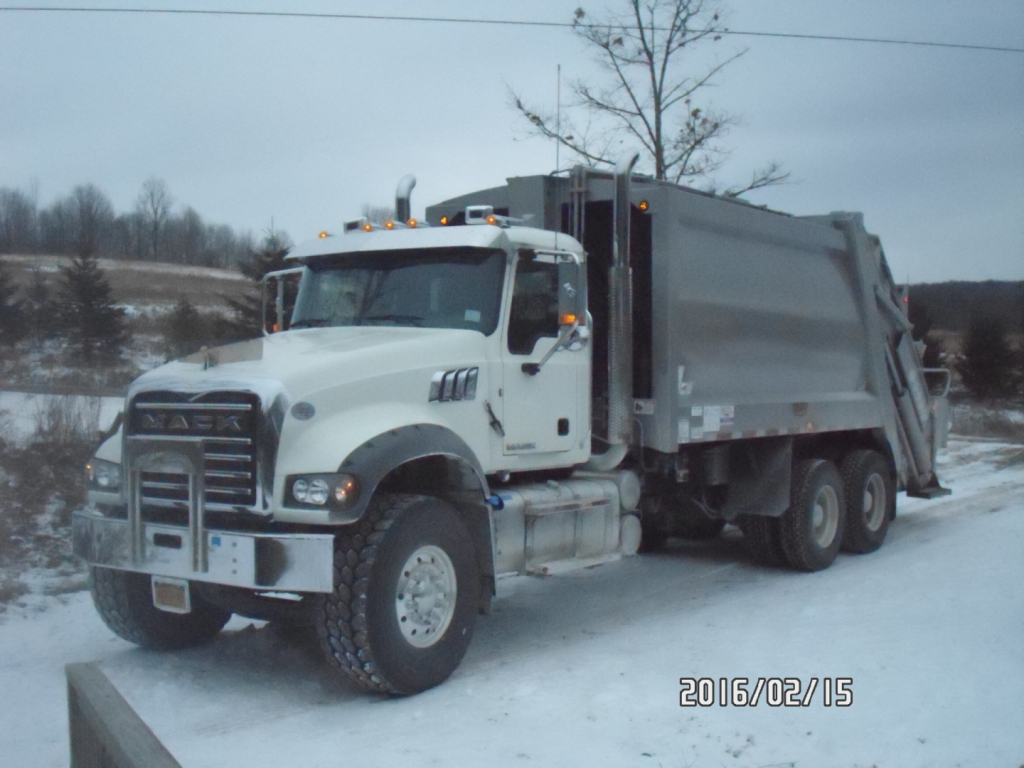
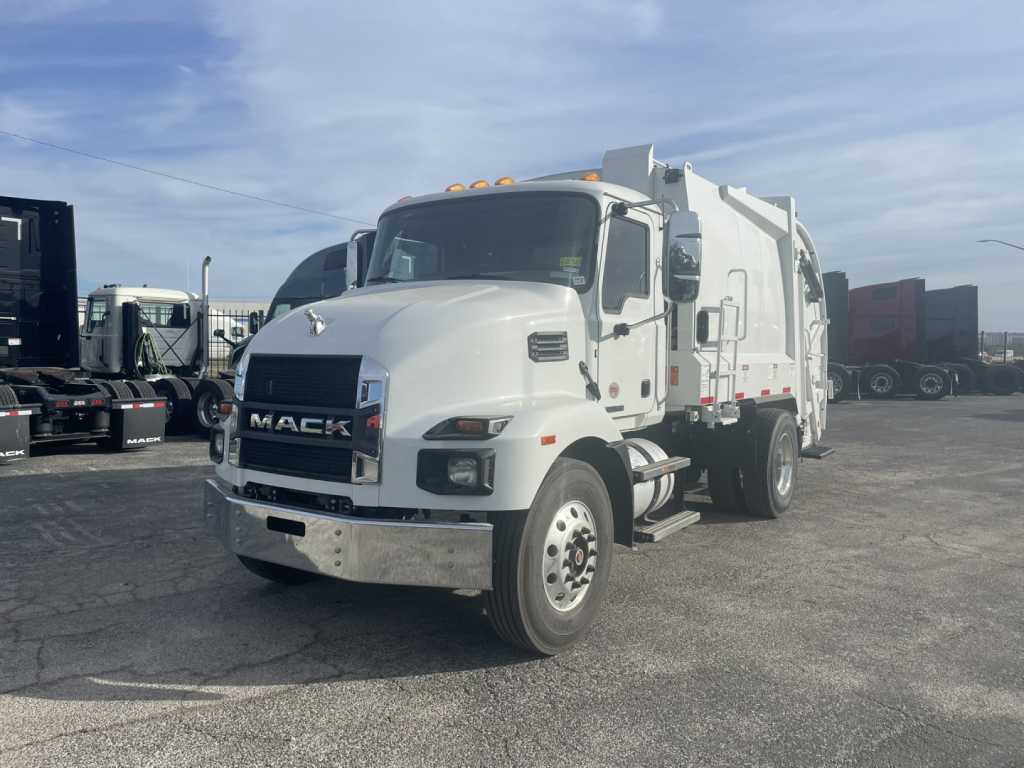
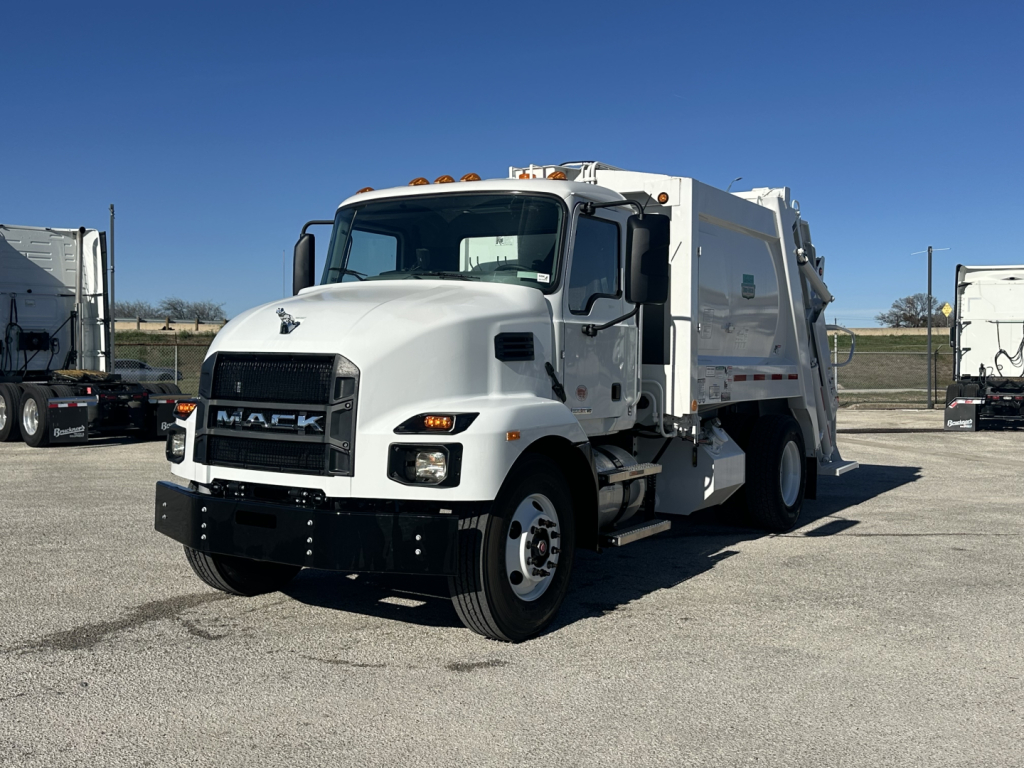
Have isuzu refuse rear load truck to sell? List it here to reach thousands of buyers.
Isuzu Refuse Rear Load Trucks in Florida
The key buying decision is matching body size and packer capacity to the route. Smaller Isuzu rear loaders are commonly used for apartment complexes, downtown commercial stops, park systems, schools, and private waste contractors that do not need a full-size residential packer. Look closely at hopper volume, rated payload, cycle times, and compaction ratio, along with tailgate seal condition and hopper floor wear. PTO operation, hydraulic pump performance, cart tipper setup, and packer blade condition all affect daily productivity and maintenance cost. On used units, rear frame condition, body mount integrity, and signs of corrosion around the hopper, tailgate, and hydraulic components deserve close inspection.
On the chassis side, Isuzu trucks are known for efficient diesel powertrains, straightforward service access, and good visibility from the cab. Common buyer checkpoints include automatic transmission operation, spring suspension condition, brake life, steering play, and axle ratings relative to the installed body. Because rear loaders spend their lives in stop-and-go service, idle hours, PTO hours, and service records often matter more than highway mileage alone. Tire scrub, rear suspension loading, and brake wear can tell you a lot about how the truck was routed and maintained. If the truck will operate in Florida, cooling system condition, air conditioning performance, and rust prevention still matter even without northern road salt, especially around coastal environments and body hardware.
A well-matched Isuzu refuse rear load truck can fill the gap between a pickup-based dump setup and a full-size Class 8 garbage truck. It suits waste haulers, property maintenance fleets, municipal departments, and landscape contractors handling bagged debris, cans, and light bulk material. Buyers comparing listings should weigh chassis size against body capacity, confirm legal payload on the intended route, and make sure the rear loading system fits crew size and stop density. The best unit is usually the one that balances turning radius, packer reliability, and operating cost with the exact demands of the route.
Frequently Asked Questions about Isuzu Refuse Rear Load Trucks in Florida
What are Isuzu refuse rear load trucks commonly used for?
Isuzu refuse rear load trucks are commonly used for residential trash pickup in tight neighborhoods, apartment complex service, park and school waste collection, and light commercial refuse routes. Their cab-over chassis helps in areas where turning room is limited, and the rear load body works well for hand-load crews and container tipping at frequent stops. They are often chosen when a fleet needs a smaller, more maneuverable alternative to a full-size rear loader.
What should I inspect first on a used Isuzu rear load refuse truck?
Start with the body and packer system before focusing only on the chassis. Check the hopper floor, tailgate seals, packer blade, hydraulic cylinders, hoses, PTO engagement, and body mounts for wear, leaks, cracking, or corrosion. Then review axle ratings, transmission operation, brake condition, suspension wear, and cooling system performance. On refuse trucks, service history, PTO hours, and signs of repeated heavy loading often reveal more than odometer mileage by itself.
Are Isuzu rear load refuse trucks suitable for non-CDL operation?
Some Isuzu refuse body builds can be configured to stay under the 26,001-pound GVWR threshold, which can make them attractive for non-CDL applications. That said, the final CDL requirement depends on the completed truck's GVWR, actual body installation, payload, and any trailer use. Buyers should verify the exact door sticker ratings and local operating rules before assigning the truck to a non-CDL route.
Why choose a rear loader instead of a front loader or side loader?
A rear loader is often the better fit when routes rely on manual loading, mixed stop types, and lower-volume collection in tighter spaces. Front loaders are generally better for commercial dumpsters, while automated side loaders are designed around cart-based residential routes. Rear loaders stay popular because they are versatile, simpler to deploy on varied accounts, and practical for crews that handle bagged refuse, loose debris, and smaller containers.
What matters most for Florida refuse truck operation?
In Florida, heat, humidity, stop-and-go duty cycles, and coastal exposure should all factor into the purchase decision. Cooling system health and air conditioning performance are important for route uptime and driver comfort, while corrosion can still affect body hardware, electrical connections, and hydraulic components near the coast. Tire condition, brakes, and hydraulic reliability also matter because repeated short-cycle work puts steady stress on the truck even when annual mileage is relatively low.