
Refrigerated Trucks For Sale in North Carolina
No exact matches found for your search
Showing Refrigerated Trucks instead.
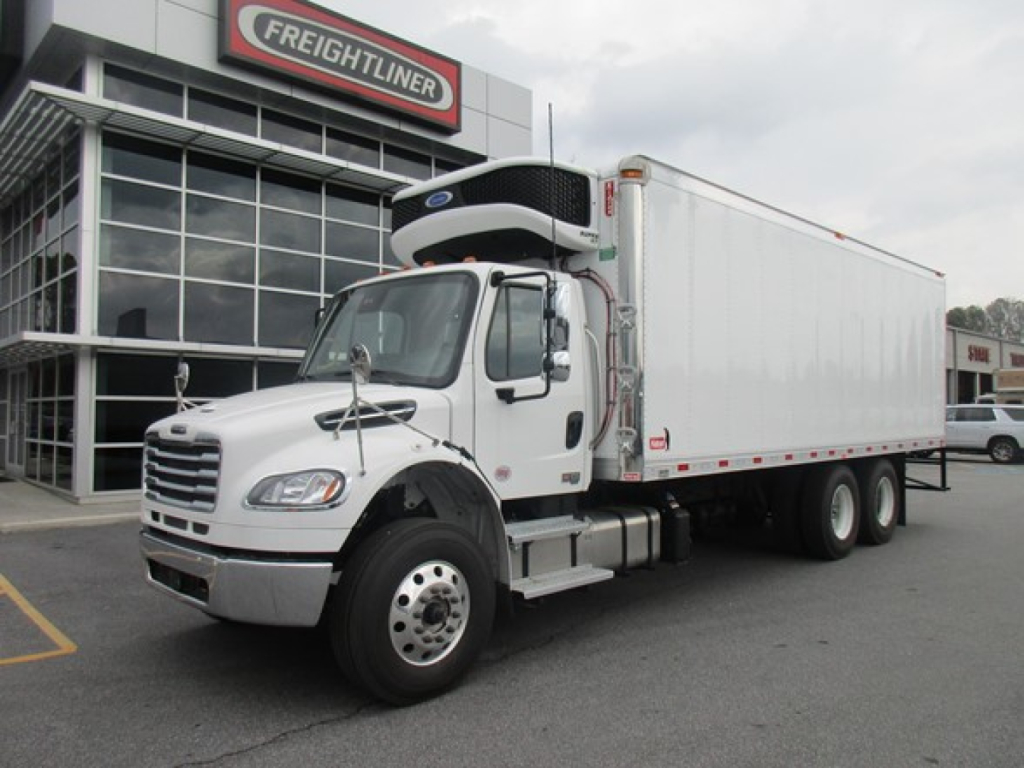
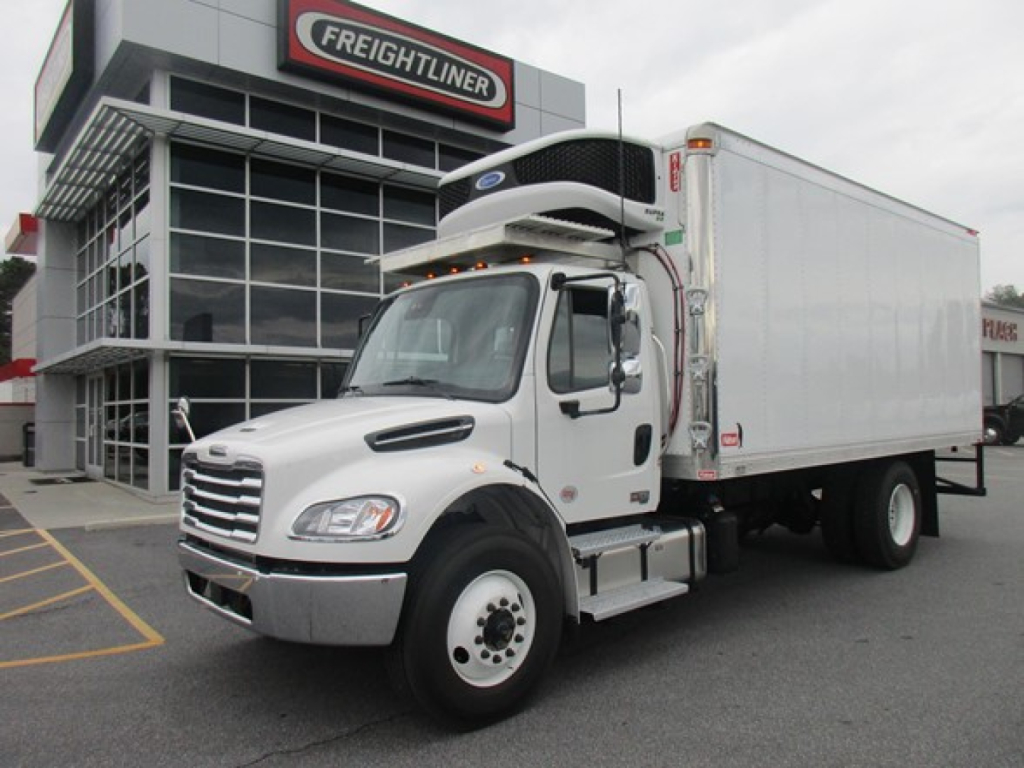

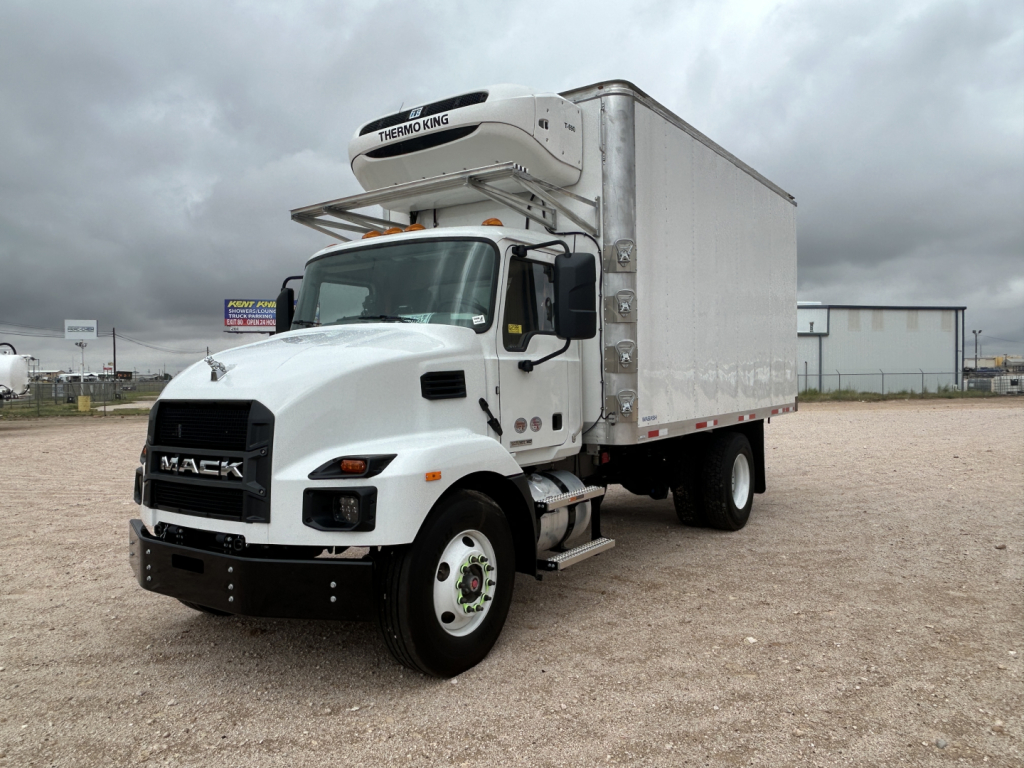
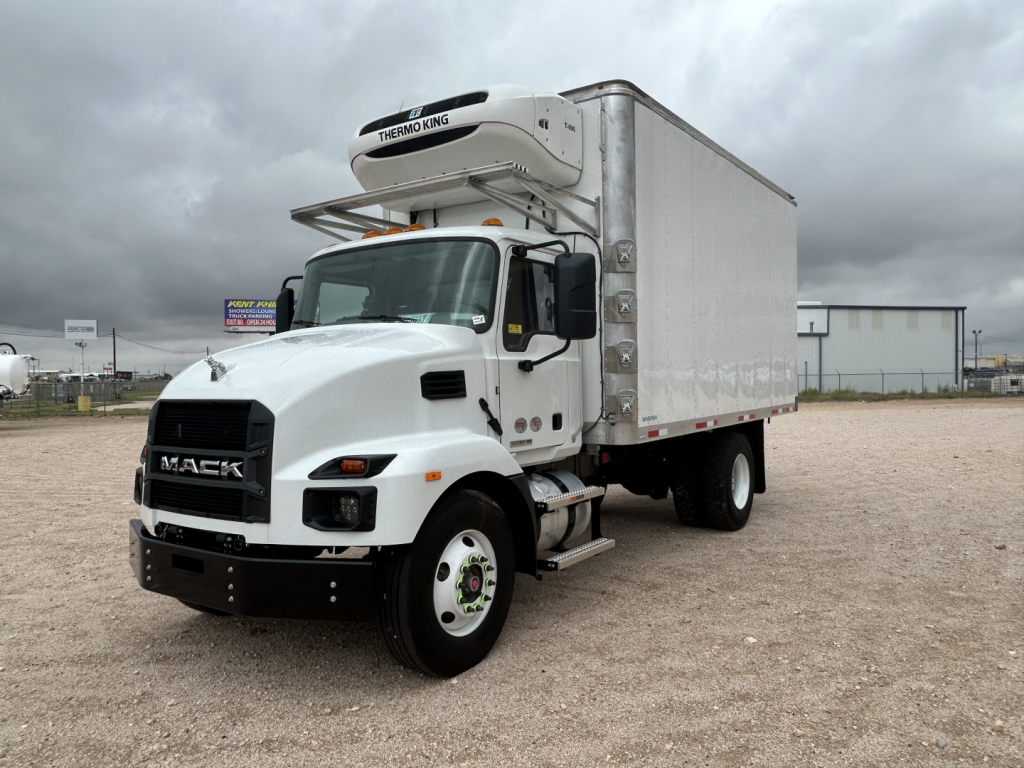
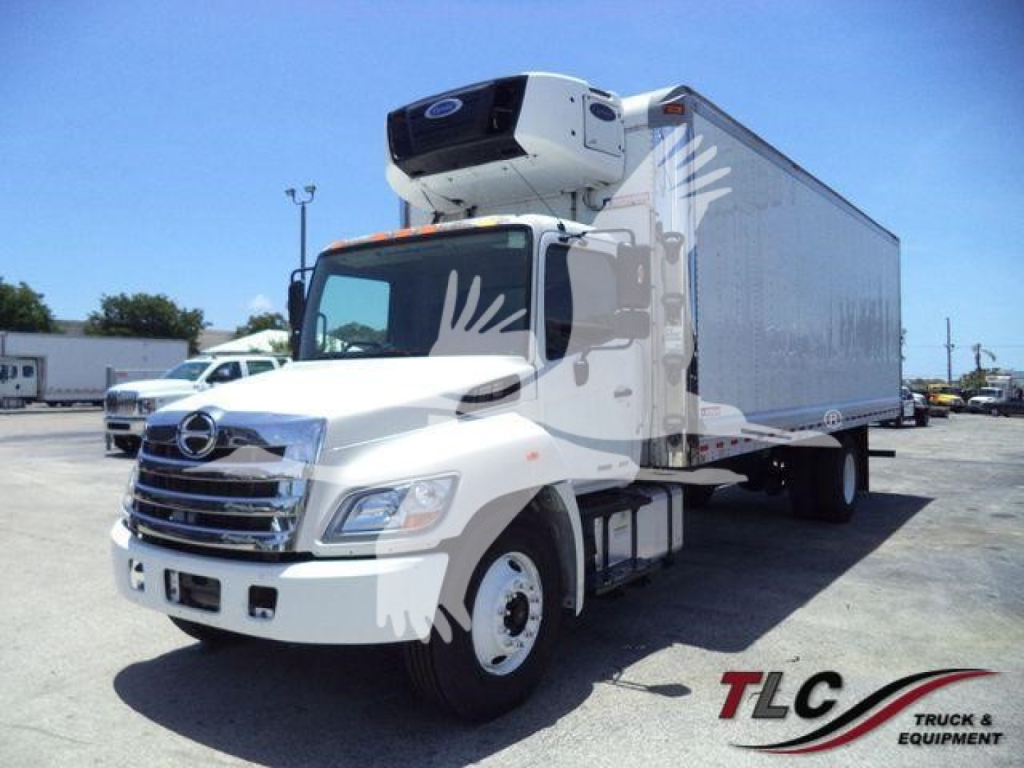
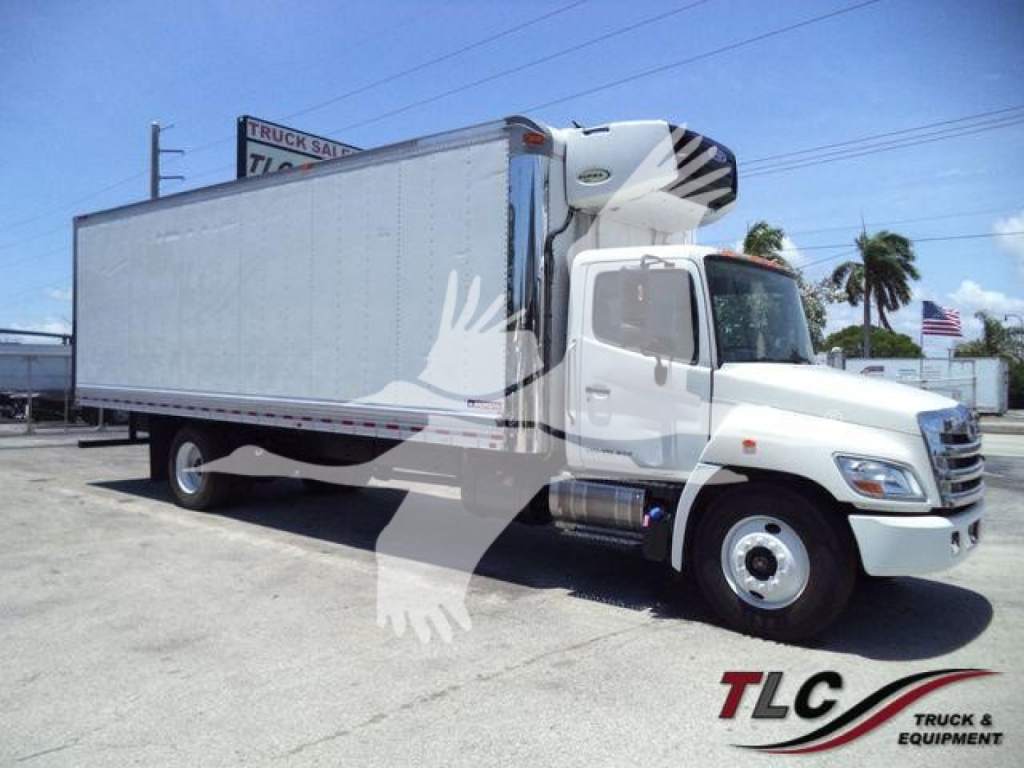
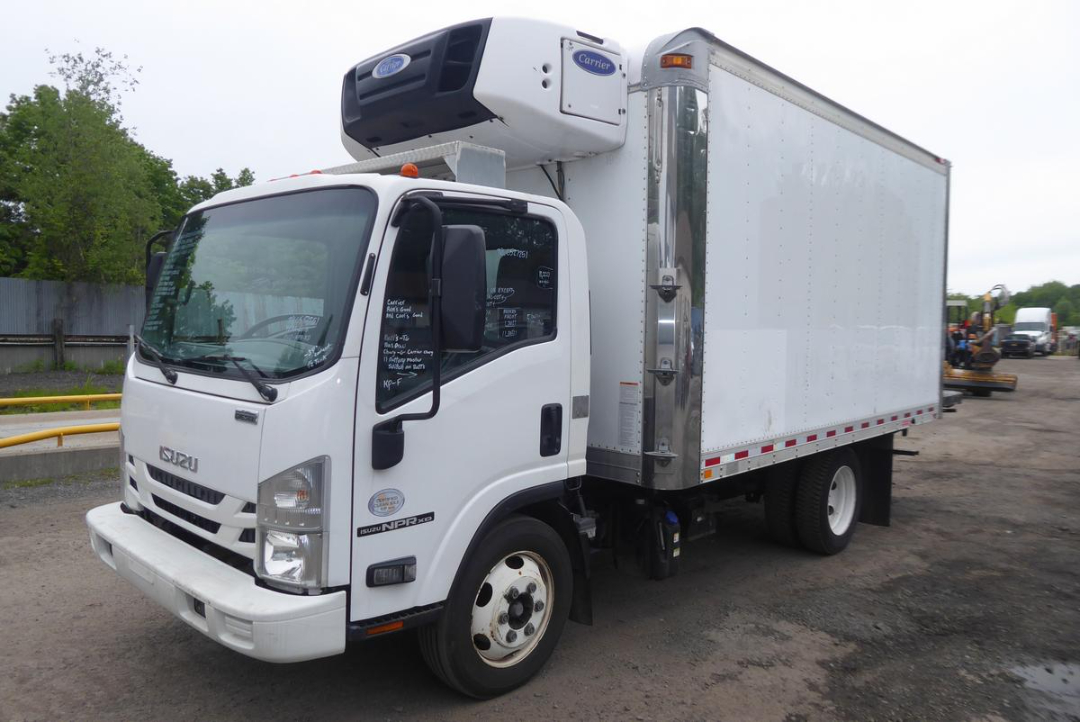
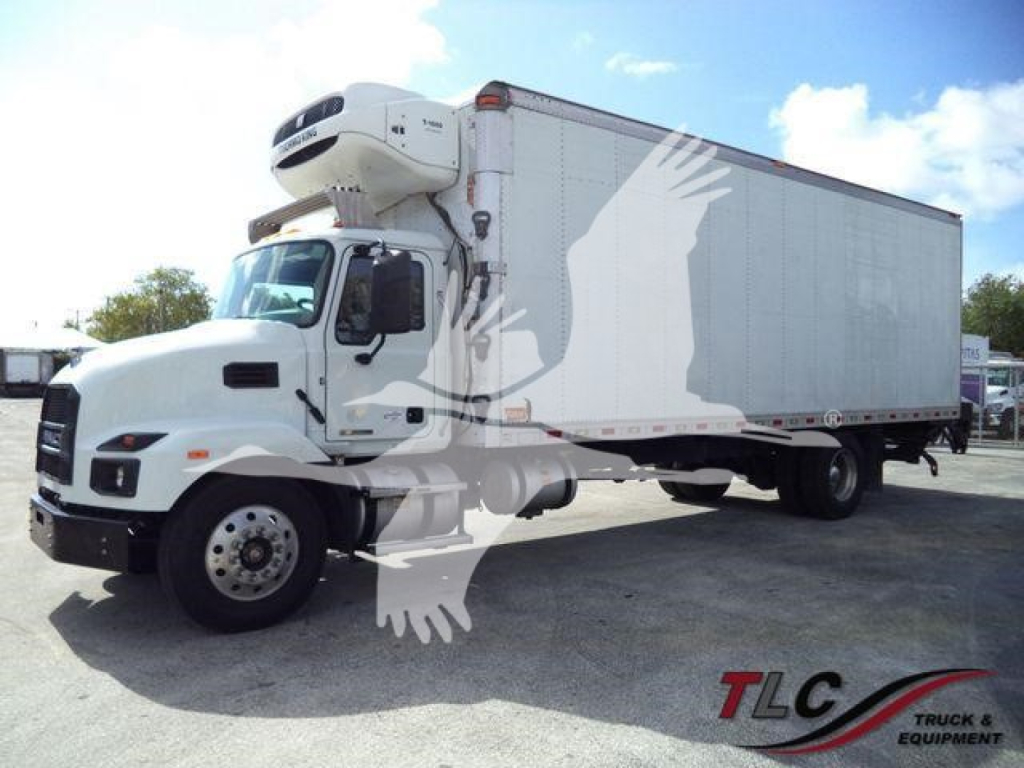
2023 Mack MD6
39,470 mi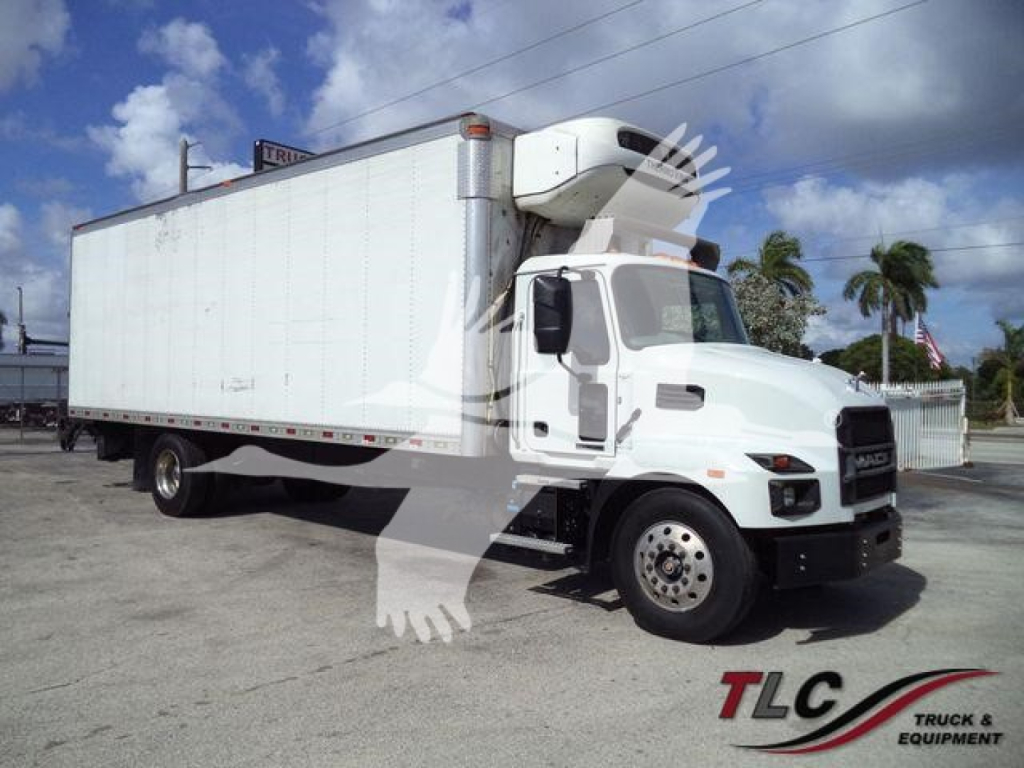
Showing 13 to 24 of 30 results
Have refrigerated truck to sell? List it here to reach thousands of buyers.
Refrigerated Trucks in North Carolina
Body length, refrigeration capacity, and door configuration matter more than many buyers expect. Common refrigerated truck bodies run from about 16 to 28 feet, with 24-foot to 28-foot bodies often favored for city and regional delivery. Buyers should look closely at insulation thickness, floor type, interior width, scuff liners, E-track or logistics track, and the condition of door seals. Swing rear doors are common, and a curb-side door can make multi-stop delivery easier. A liftgate is often a major value point for foodservice and palletized delivery, especially when the truck will serve locations without docks.
On the chassis side, popular specs include Cummins or similar medium-duty diesel engines, Allison automatic transmissions, single-axle configurations, air ride suspension, and rear axle ratings matched to body size and payload. Gear ratio and wheelbase affect launch, maneuverability, and highway rpm, so they should match the route profile. A refrigerated truck used in Charlotte, Raleigh, Greensboro, or other urban delivery markets may benefit from tighter turning radius and easy cab access, while regional runs across eastern North Carolina may place more emphasis on ride quality, fuel range, and refrigeration run time. Buyers should also review reefer engine hours separately from chassis miles, since refrigeration unit wear is not reflected by odometer reading alone.
The most important inspection points are temperature pull-down performance, evaporator and condenser condition, bulkhead setup if multi-temp use is needed, and evidence of water intrusion or floor damage inside the body. Ask about service records for both the truck and the reefer unit, including compressor work, leaks, and defrost system maintenance. If the truck will haul frozen product, confirm it can hold the target setpoint under load, not just empty. A well-matched refrigerated truck can lower spoilage risk, improve route efficiency, and handle dock-to-door delivery work that a tractor-trailer reefer setup cannot do as easily.
Frequently Asked Questions about Refrigerated Trucks in North Carolina
What should I check first when buying a used refrigerated truck?
Start with the refrigeration unit, not just the chassis. Verify that the unit reaches and holds the required temperature, review reefer engine hours, and inspect the evaporator, condenser, door seals, insulation, and floor for damage or moisture intrusion. A truck with acceptable miles can still require expensive reefer repairs if the cooling system has high hours or poor maintenance history.
What body size is most common for a refrigerated straight truck?
Many refrigerated straight trucks are built with bodies in the 20-foot to 28-foot range, with 24-foot to 28-foot bodies common in regional and urban delivery. The right length depends on payload, stop density, dock access, and turning requirements. Longer bodies increase cube, but they can reduce maneuverability in tight delivery areas.
Is a liftgate important on a reefer truck?
A liftgate is highly desirable for palletized delivery, foodservice routes, and customers without loading docks. It adds flexibility for multi-stop operations and can reduce delivery delays at smaller stores, kitchens, and healthcare facilities. Buyers should confirm lift capacity, platform size, and operating condition because liftgate replacement or major repair can be costly.
How do reefer hours differ from truck miles?
Truck miles measure chassis use, but reefer hours measure operating time on the refrigeration unit. A refrigerated truck can have moderate mileage and still show significant wear on the reefer if it has spent years in route delivery or long-duration cooling service. Both numbers matter because the truck and the refrigeration system age differently and have separate maintenance needs.
Can a refrigerated truck handle both chilled and frozen freight?
Some refrigerated trucks can haul both chilled and frozen products, but only if the refrigeration unit, insulation package, and body condition support those temperature ranges. Frozen applications are more demanding and require strong pull-down performance, tight door seals, and a well-maintained insulated body. If multi-temp service is needed, look for trucks equipped with bulkheads or compartment configurations designed for split-zone operation.