
Kenworth Refrigerated Trucks For Sale
Browse Kenworth refrigerated trucks for sale. Compare reefer body sizes, insulation, liftgates, and engine specs for cold-chain delivery work.
Learn moreNo exact matches found for your search
Showing Refrigerated Trucks instead.
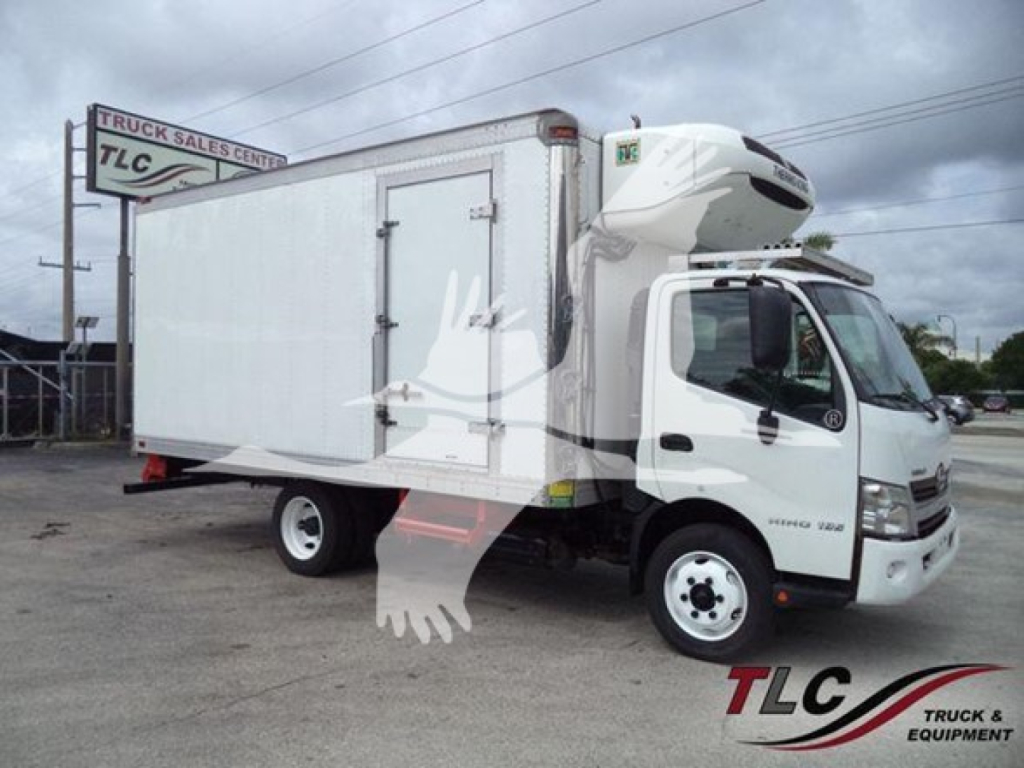
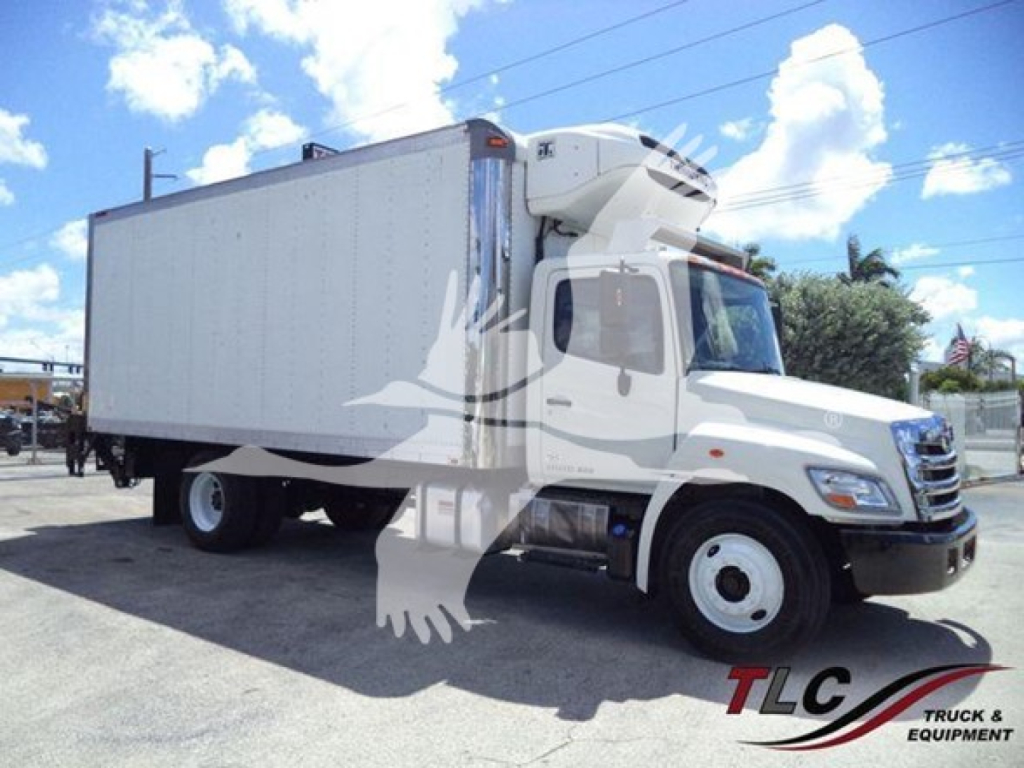
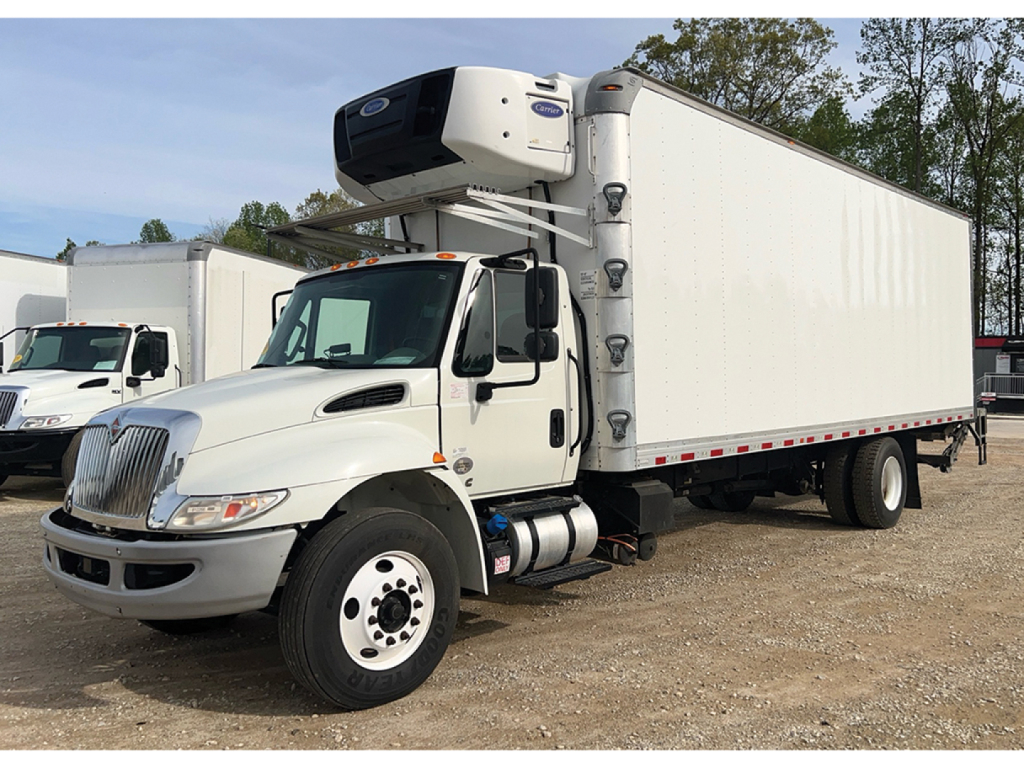
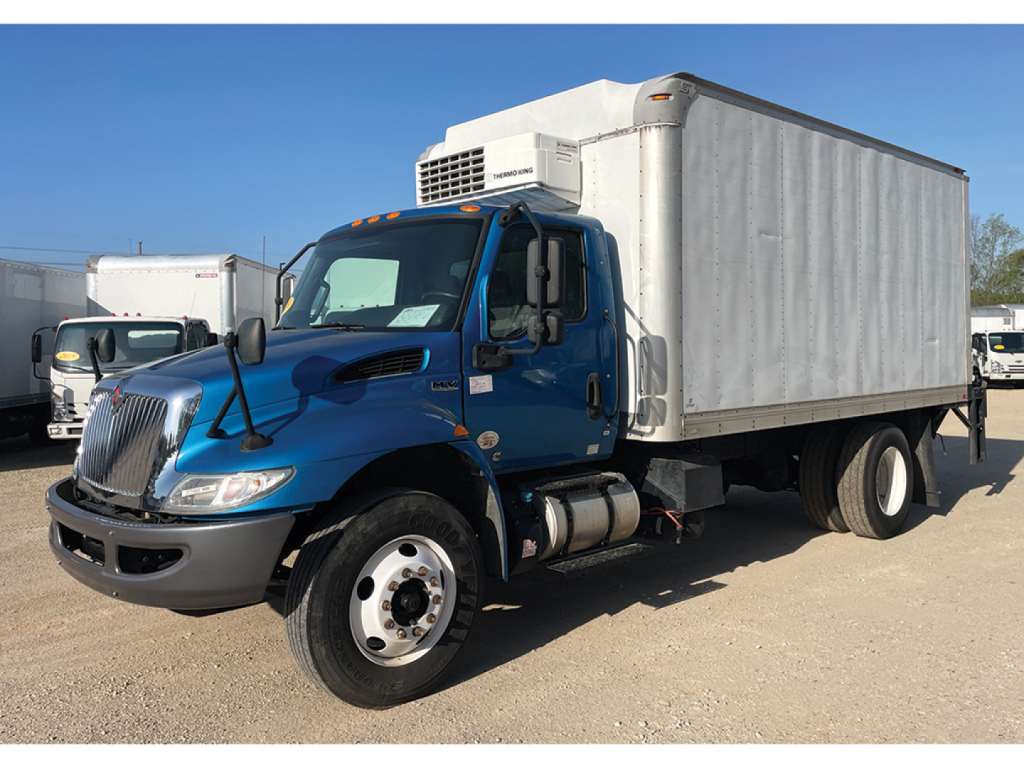
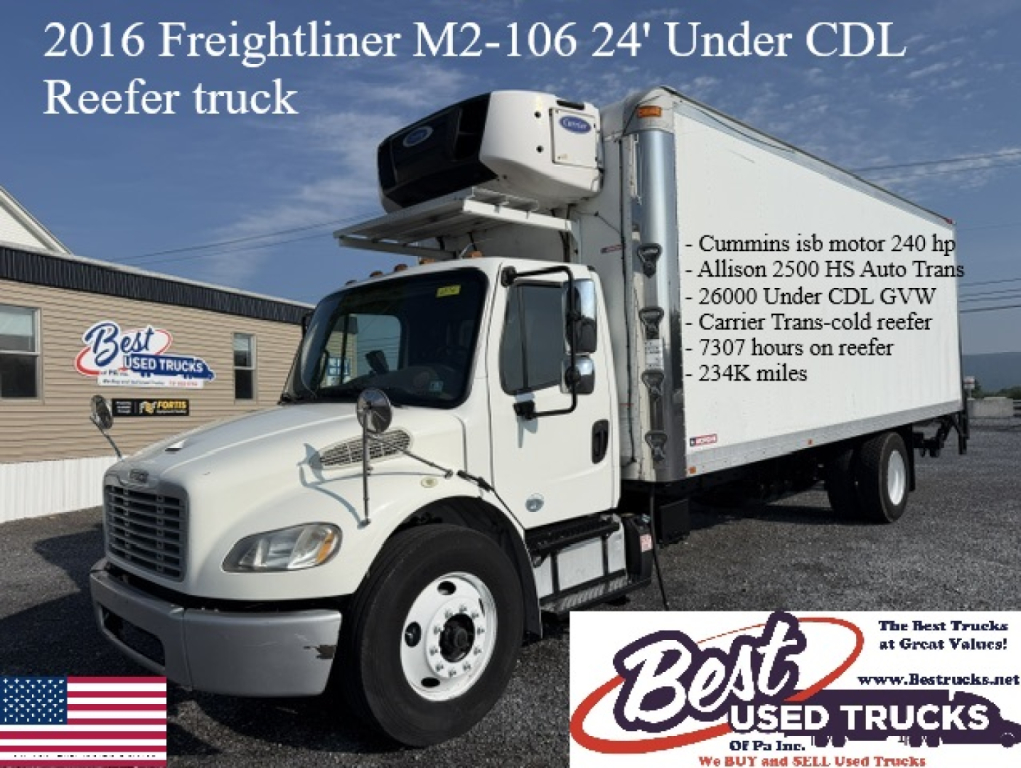
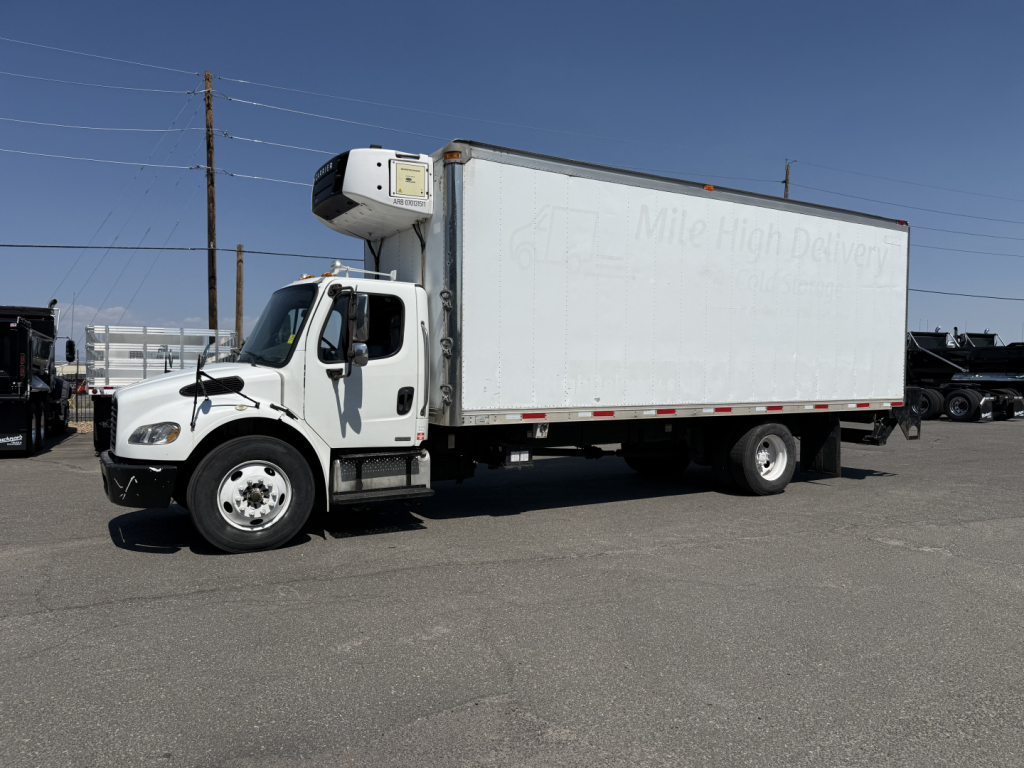
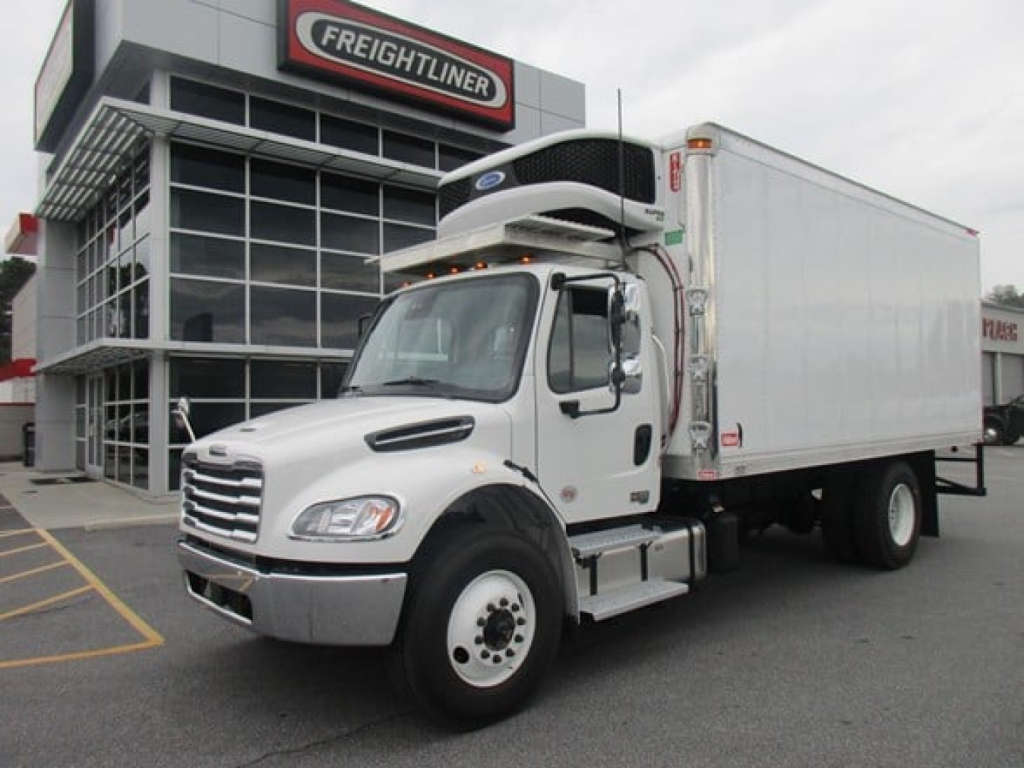
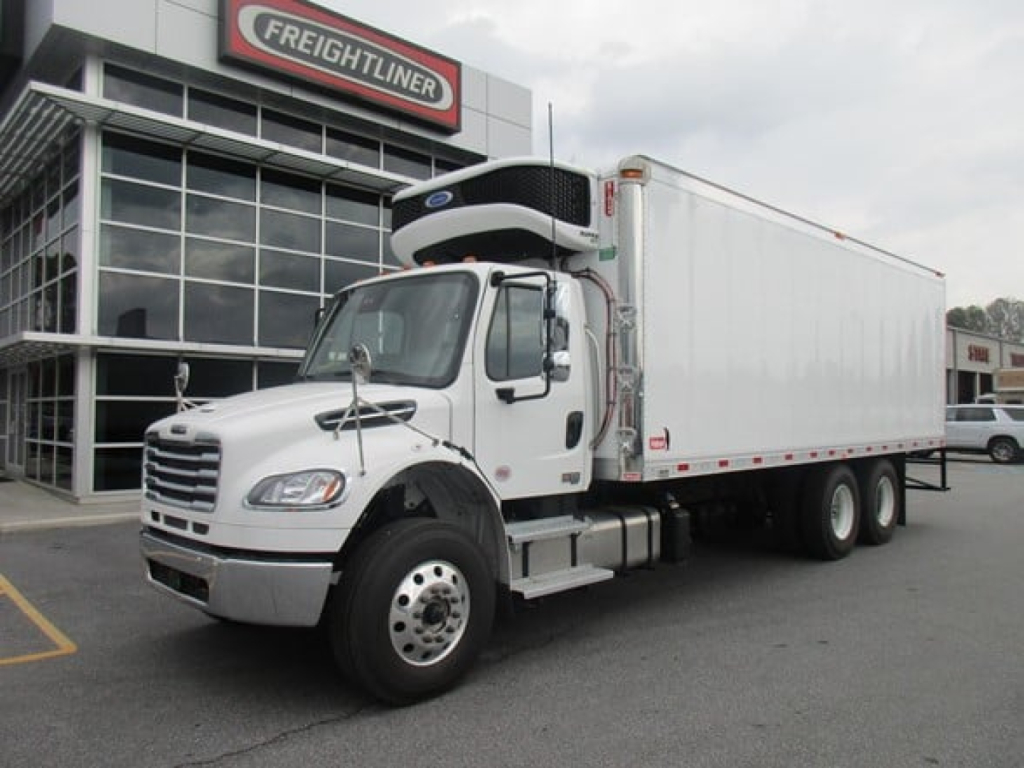
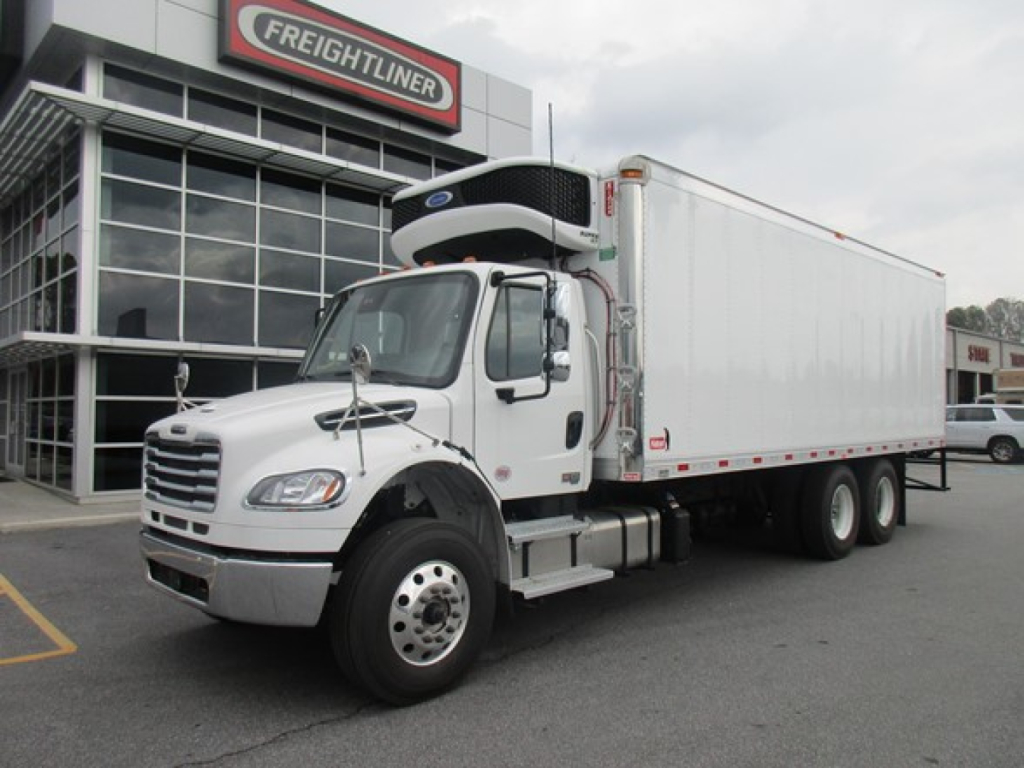
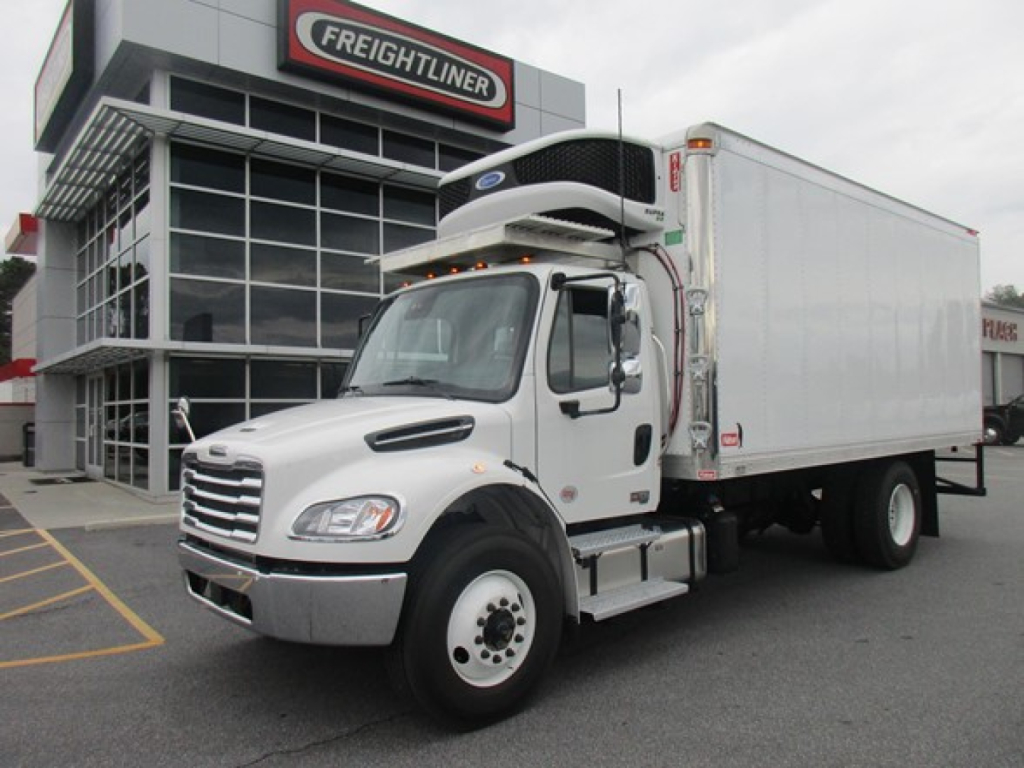

Showing 13 to 24 of 28 results
Have kenworth refrigerated truck to sell? List it here to reach thousands of buyers.
About Kenworth Refrigerated Trucks
The chassis matters as much as the box. Models such as the Kenworth T370 are common in refrigerated truck applications because they can be spec'd for a wide range of GVWRs, wheelbases, and body lengths. Buyers should look closely at axle ratings, suspension type, brake setup, transmission choice, and engine horsepower relative to payload and route density. In stop-and-go delivery, an automatic transmission, tight turning radius, and liftgate compatibility can matter more than raw horsepower. If the truck will carry heavier palletized loads, pay attention to front axle capacity, rear axle ratio, and how the body and reefer unit affect legal payload.
Body and refrigeration specs drive day-to-day usability. Key details include box length, interior height, wall thickness, floor construction, door configuration, and the condition of seals and insulation. Many refrigerated bodies are set up with curbside doors, roll-up rear doors, scuff liners, and logistics track for cargo control. The refrigeration unit itself should be matched to the product profile and delivery cycle. Buyers typically compare hours on the reefer unit, operating temperature range, electric standby capability, bulkhead setup for multi-temp work, and maintenance records for compressors, evaporators, and condensers. If dock access is inconsistent, a properly rated tuckaway or rail liftgate can be just as important as the reefer system.
A used Kenworth refrigerated truck should be evaluated as a complete cold-chain asset, not just a truck with a cold box. Check for reefer performance under load, evidence of moisture intrusion, floor wear, corrosion around body mounts, and any signs that the insulation envelope has been compromised. Review engine hours and idle history if available, since delivery routes can create a different wear pattern than highway service. For buyers comparing multiple listings, the best value often comes from the right combination of body size, refrigeration capacity, service history, and route fit rather than simply the newest model year.
Frequently Asked Questions
What should I look for first when buying a used Kenworth refrigerated truck?
Start with the refrigeration system, body condition, and chassis GVWR. A reefer truck only earns when it can hold temperature consistently, so confirm the unit pulls down properly, cycles correctly, and has service documentation. After that, inspect the insulated body for damaged panels, worn door seals, soft flooring, and moisture intrusion. Then match the chassis capacity, wheelbase, engine, and transmission to the weight and stop frequency of the route.
Is a Kenworth T370 a good platform for a refrigerated truck body?
Yes. The Kenworth T370 is a common medium-duty platform for refrigerated straight truck applications because it can be configured for local delivery, regional distribution, and specialized cold-chain work. Buyers often like the balance of maneuverability, body upfit flexibility, and chassis durability. The right spec depends on body length, payload, and whether the truck needs a liftgate, side door access, or multi-temp capability.
How important are reefer unit hours on a refrigerated truck?
Reefer unit hours are very important because the refrigeration system has its own wear cycle separate from the truck engine. A truck with moderate chassis miles can still have a heavily used reefer if it ran long delivery days, standby time, or temperature-sensitive freight. Hours should be considered along with maintenance history, repair records, and an operational temperature test. A well-maintained unit with documented service can be a better buy than a lower-hour unit with gaps in its history.
What body features matter most on a refrigerated delivery truck?
The most important body features depend on the freight, but buyers usually focus on box length, interior cube, insulation thickness, floor type, door layout, and cargo handling equipment. Scuff liners, E-track or logistics track, and bulkheads can improve durability and load control. Liftgate size and rating matter for palletized freight, while side doors can speed hand-unload routes. Good door seals and solid floor construction are critical because temperature loss and water intrusion can quickly turn into expensive problems.
Can a refrigerated truck handle both frozen and chilled products?
It can, but only if the body and refrigeration setup are designed for that kind of operation. Single-temp trucks are common and work well when the entire load stays in the same temperature band. Mixed frozen and chilled delivery usually requires a multi-temp reefer system, insulated bulkheads, and route planning that supports separate zones. Buyers should verify that the refrigeration unit capacity and body layout match the intended product mix rather than assuming any reefer truck can do both reliably.