
International Refrigerated Trucks For Sale in Pennsylvania
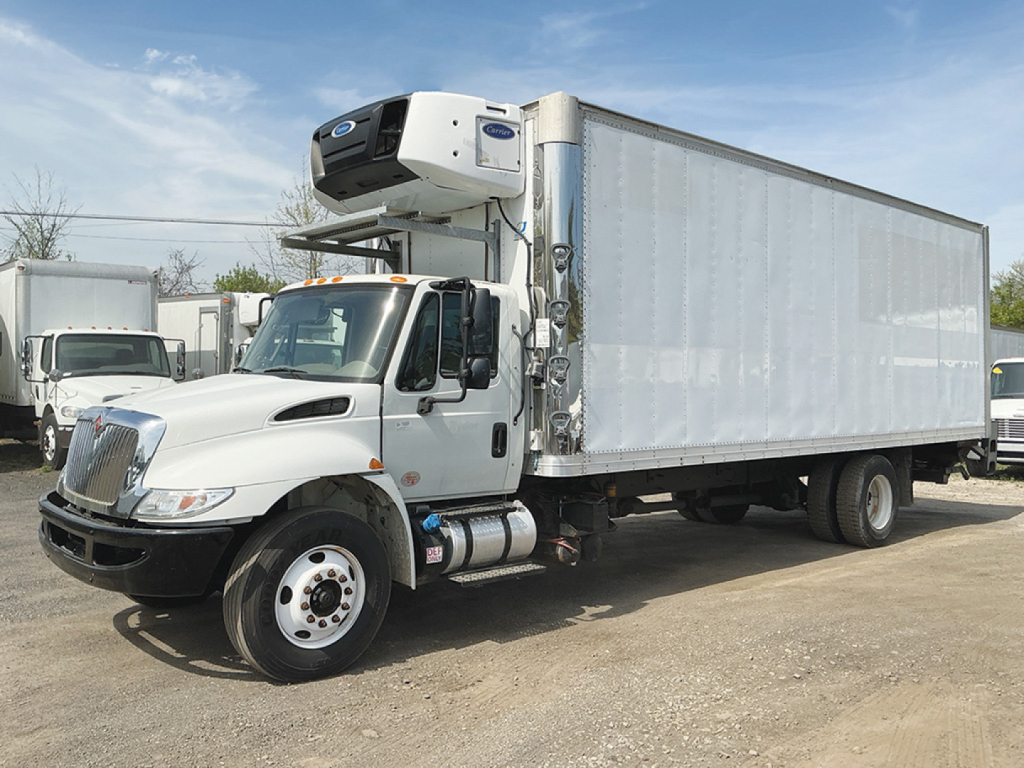
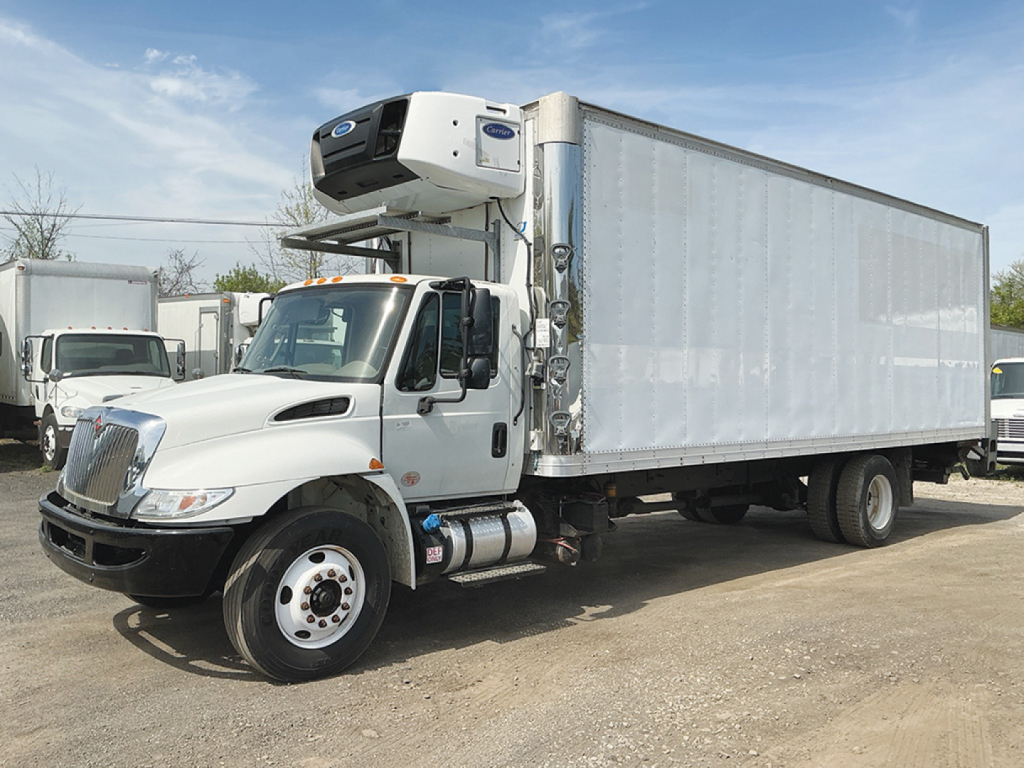
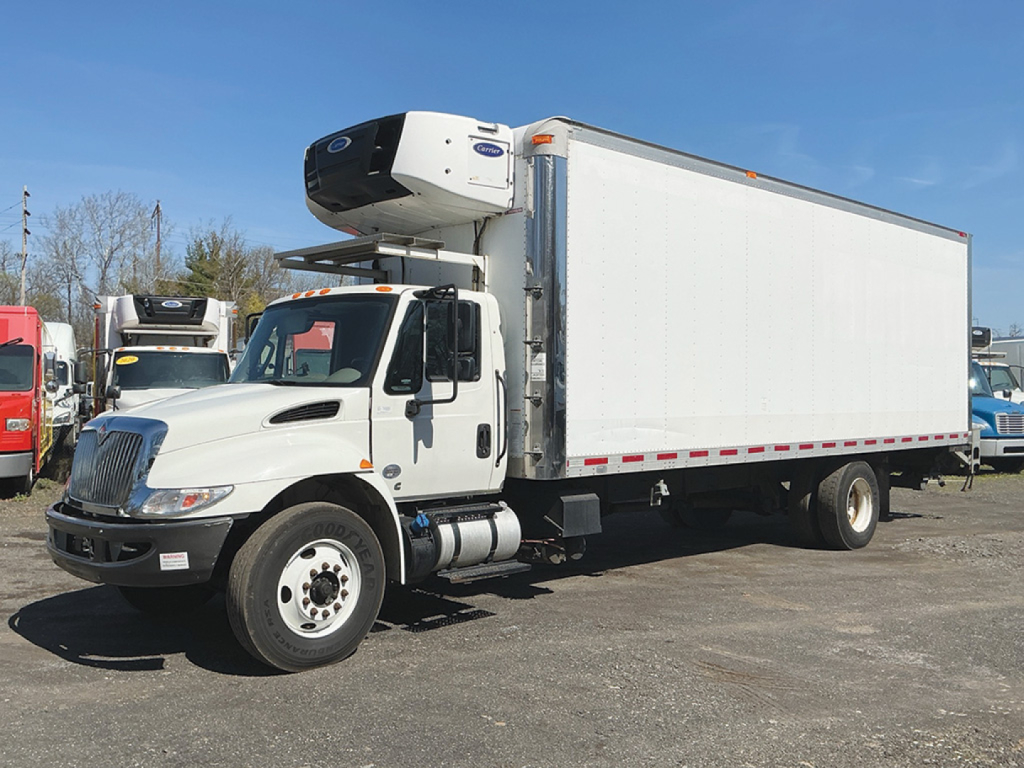
Shop International refrigerated trucks in Pennsylvania, including 4300 reefer straight trucks with 26 ft bodies, liftgates, and diesel cooling units.
Learn more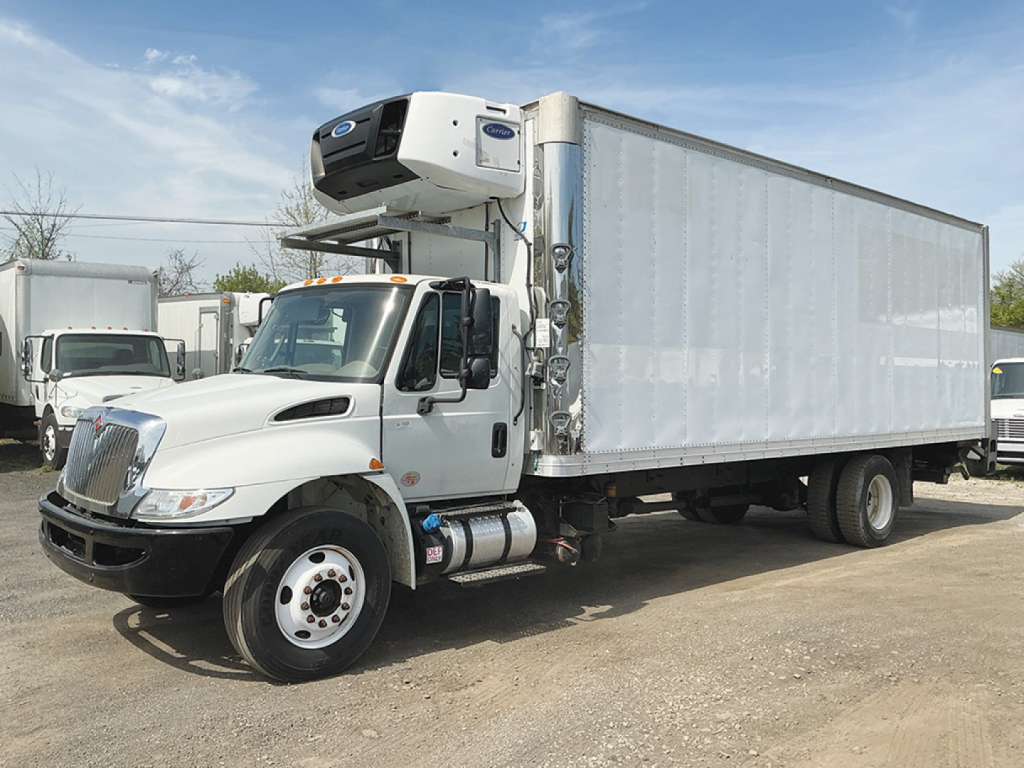

Have international refrigerated truck to sell? List it here to reach thousands of buyers.
About International Refrigerated Trucks in Pennsylvania
For most buyers, the reefer system and body condition matter as much as the truck itself. Common setups include Carrier or Thermo King diesel-powered refrigeration units, insulated bodies with Kemlite or fiberglass-reinforced liners, flat aluminum floors, scuff plates, E-track, and roll-up rear doors. A curb-side door and liftgate are especially valuable on city routes and multi-stop delivery schedules where dock access is inconsistent. If product integrity is critical, pay close attention to reefer hours, pull-down performance, door seal condition, insulation integrity, evaporator condition, and signs of floor or front wall moisture intrusion. A clean interior and solid body construction usually tell you a lot about how the truck was operated.
International reefer straight trucks in this class are often powered by Cummins ISB or similar medium-duty diesel engines in the 220 hp to 260 hp range, paired with Allison automatic transmissions and rear axle ratios chosen for payload and route density rather than highway speed. Air ride suspension is a desirable spec for ride quality and cargo protection, especially with fragile or high-value temperature-sensitive freight. Buyers should also compare wheelbase, body length, liftgate capacity, fuel tank size, and tire size, since those details affect turning radius, legal payload, and day-to-day usability more than headline horsepower does. In Pennsylvania service, corrosion exposure from winter road treatment makes frame condition, brake components, door hardware, and underbody inspection especially important.
A good International refrigerated truck should match the lane first and the body second. Frozen and deep-chill applications demand stronger unit performance and tighter body condition than loads that only need cooler holding temperatures. If the work is dock-to-dock, a simple roll-up rear door may be enough. If the truck handles hand-unload, restaurant routes, or convenience store delivery, a side door, interior logistics track, and a properly sized liftgate become major productivity items. Buyers comparing used reefer trucks should think in terms of total cold-chain reliability: chassis uptime, refrigeration service history, body integrity, and how quickly the truck can recover temperature after repeated door openings.
Frequently Asked Questions
What is the most common International refrigerated truck configuration?
The most common configuration is an International 4300 refrigerated straight truck with a 24 ft to 26 ft insulated van body, single rear axle, diesel engine, and Allison automatic transmission. Many are spec'd for local and regional route work with roll-up rear doors, curb-side access, interior scuff protection, and liftgates for deliveries without a loading dock. This setup is popular because it balances payload, maneuverability, and driver-friendly operation.
What should I check first on a used reefer truck?
Start with the refrigeration unit, the insulated body, and proof of temperature control performance. Reefer hours, recent service records, pull-down time, evaporator condition, and seal condition matter immediately. After that, inspect the box interior for cracks, soft spots, water intrusion, damaged liners, and floor wear around the threshold and front wall. The chassis is still important, but on a refrigerated truck, body and unit condition often drive repair cost faster than the engine or transmission.
Are International 4300 reefer trucks good for city delivery routes in Pennsylvania?
Yes. The International 4300 is widely used for city and regional delivery because it offers manageable dimensions, medium-duty serviceability, and common drivetrain options that work well in stop-and-go operation. For Pennsylvania routes, buyers often value automatic transmissions, air ride suspension, and liftgates because they improve drivability, product protection, and unloading efficiency in urban areas, suburban retail deliveries, and mixed dock access environments.
How important is a liftgate on a refrigerated straight truck?
A liftgate is extremely important if the truck serves restaurants, convenience stores, schools, healthcare accounts, or any location without consistent dock access. It improves route flexibility and reduces manual handling risk. Buyers should verify the liftgate's rated capacity, platform size, operating speed, and hydraulic condition, because an undersized or unreliable gate can slow delivery times and limit the truck's usefulness even if the reefer system is sound.
What reefer body features add the most value on a used truck?
The most valuable body features are the ones that protect freight and reduce wear during daily use. Kemlite or similar washable liners, scuff plates, flat aluminum floors, E-track, stainless front radius panels, and tight-closing rear and side doors all add practical value. These features help with sanitation, cargo securement, and resistance to pallet impact. On a used truck, they also give a clearer picture of how the box has held up under repetitive loading and temperature cycling.