
2016 International Refrigerated Trucks For Sale in Pennsylvania
Shop 2016 International refrigerated trucks in Pennsylvania. Compare 4300 reefer specs, body features, cooling units, and delivery-ready options.
Learn more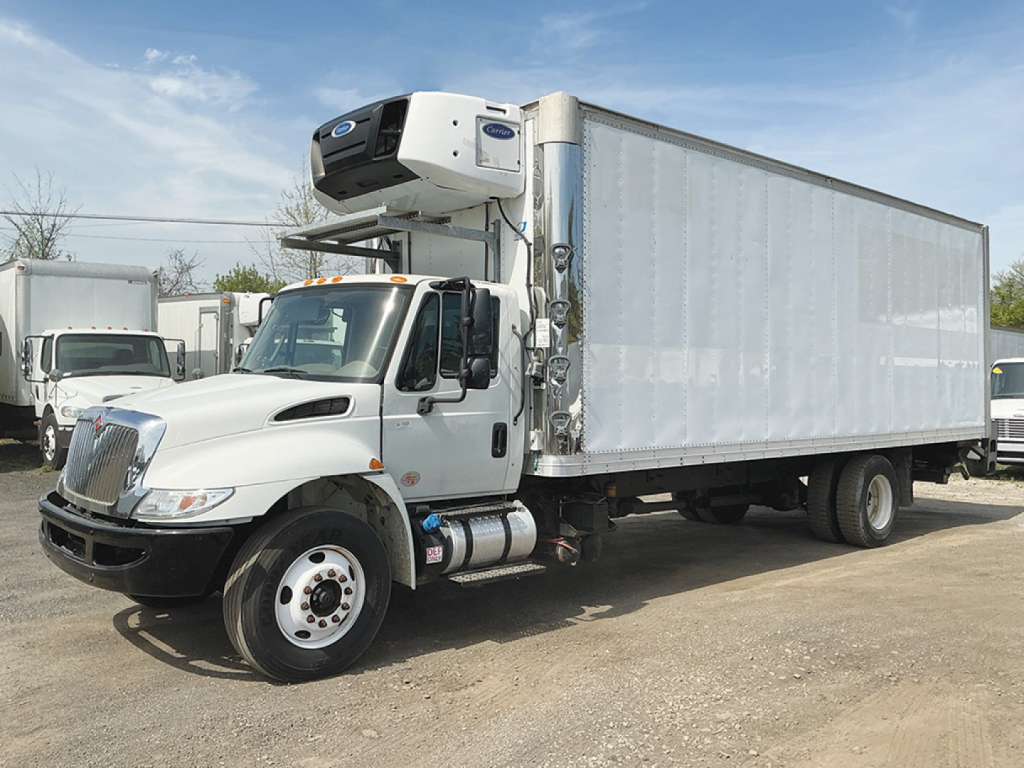
Have 2016 international refrigerated truck to sell? List it here to reach thousands of buyers.
About 2016 International Refrigerated Trucks in Pennsylvania
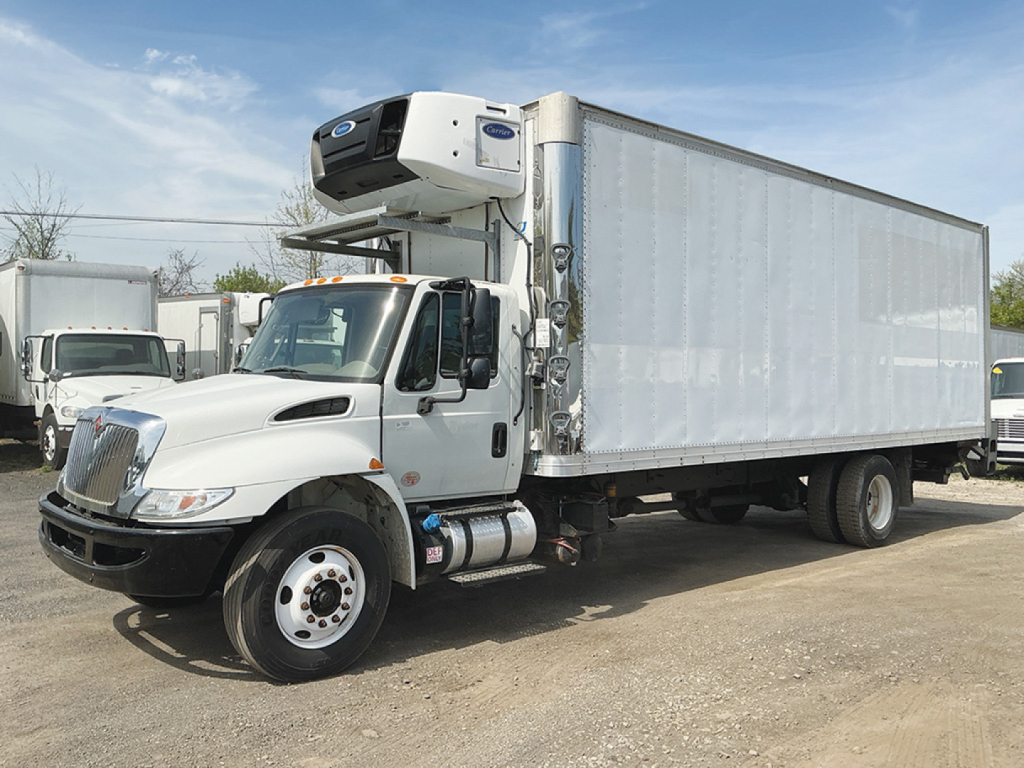
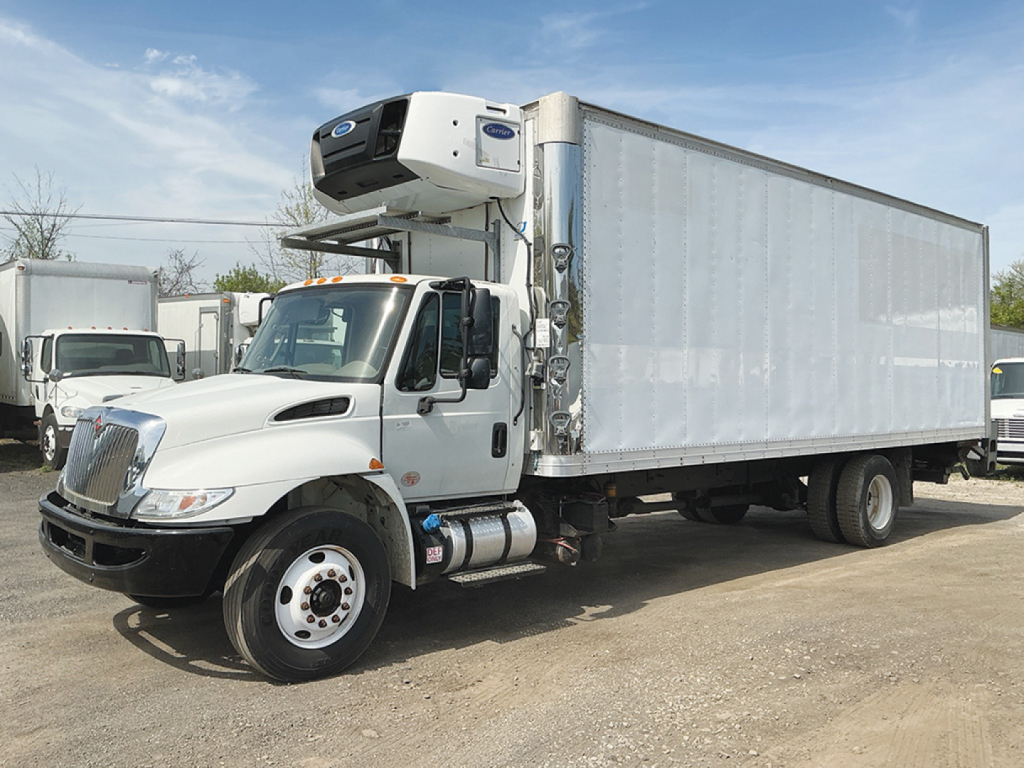
The refrigeration package deserves as much attention as the truck itself. Many 2016 International reefer trucks are equipped with self-powered units from Carrier or Thermo King, often sized for medium-temp or multi-temp delivery work. Body construction details matter because they directly affect pull-down time, fuel use, and temperature stability. Look closely at insulation thickness, interior wall material such as Kemlite lining, scuff plates, flat aluminum floors, drain layout, and door seal condition. Rear roll-up doors, curbside doors, and liftgates are common on this class of truck and can make a major difference in route speed when the truck is constantly loading and unloading at docks, restaurants, schools, or healthcare facilities.
On the chassis side, a 2016 International 4300 refrigerated truck commonly shows up with a Cummins ISB engine in the mid-200 horsepower range, paired with an Allison automatic transmission. That combination is popular because it is straightforward to operate, well understood by fleet maintenance departments, and well suited to stop-and-go delivery work. Buyers should also review axle ratio, wheelbase, suspension type, and tire size because those specs affect turning radius, ride quality, and how the truck carries a full refrigerated body with a liftgate. Air ride suspension, hydraulic steering, and driver comfort features such as air conditioning, cruise control, and tilt-telescoping steering are not just convenience items. They matter on routes with long days, frequent stops, and tight delivery windows.
In Pennsylvania, reefer truck buyers should think about seasonal temperature swings, corrosion exposure, and body condition as seriously as engine hours and mileage. Winter road treatment can accelerate rust on frames, liftgate components, door hardware, and underbody wiring, while summer heat puts more demand on condenser performance and insulation integrity. A strong used 2016 International refrigerated truck should show clean reefer service history, solid floor structure, consistent box temperature, and doors that seal tightly without excessive daylight or moisture intrusion. If the truck will be used for frozen freight, verify that the refrigeration unit and body spec are actually built for that duty cycle, not just for cooler applications. The best buyer outcomes usually come from matching the reefer unit capacity, body layout, and route profile before focusing on cosmetic details.
Frequently Asked Questions
What is the most common 2016 International refrigerated truck configuration?
The most common setup is a 2016 International 4300 single-axle refrigerated straight truck with a 24 to 26 foot insulated van body, diesel engine, and Allison automatic transmission. Many are built for local or regional delivery and include a rear roll-up door, curbside access door, and liftgate. This configuration is popular because it balances payload, maneuverability, and ease of operation for multi-stop routes.
What should I inspect first on a used 2016 International reefer truck?
Start with the refrigeration unit, insulated body, and door seals before you move to cosmetic items. Confirm the reefer can hold the target temperature under load, review service records, and inspect the evaporator, condenser, and control system. Then check the box interior for damaged lining, floor wear, moisture intrusion, and gaps around doors. On the chassis, pay close attention to frame corrosion, suspension condition, liftgate function, and any signs of hard stop-and-go use.
Is a 2016 International 4300 good for food delivery routes?
Yes, the 2016 International 4300 is widely used in foodservice and grocery distribution because it is a medium-duty platform that handles city and regional delivery well. Its typical automatic transmission, manageable cab layout, and common reefer body lengths make it a strong fit for frequent stops. The key is matching the truck's refrigeration capacity and body spec to the product being hauled, especially if the route includes frozen goods or repeated door openings.
How important is the reefer unit brand on a 2016 refrigerated truck?
The brand matters, but service history and current performance matter more. Carrier and Thermo King are both common in this class and both have broad service support. A well-maintained unit with documented repairs, accurate temperature control, and clean operating hours is usually a better buy than a neglected unit from a preferred brand. Parts access, local dealer support, and technician familiarity in your area should also factor into the decision.
What body features add the most value on a 2016 International refrigerated truck?
The most useful body features depend on the route, but buyers usually place the most value on a liftgate, curbside door, durable interior lining, scuff liners or scuff plate protection, and a flat aluminum floor in good condition. E-track can also be important for load securement. These features improve loading speed, help protect the insulated box, and make the truck more practical for palletized freight and mixed delivery stops.