
Used Ford Refrigerated Trucks For Sale
Browse used Ford refrigerated trucks, including reefer box trucks with diesel power, liftgates, and insulated bodies for cold-chain delivery work.
No exact matches found for your search
Showing Used Refrigerated Trucks instead.
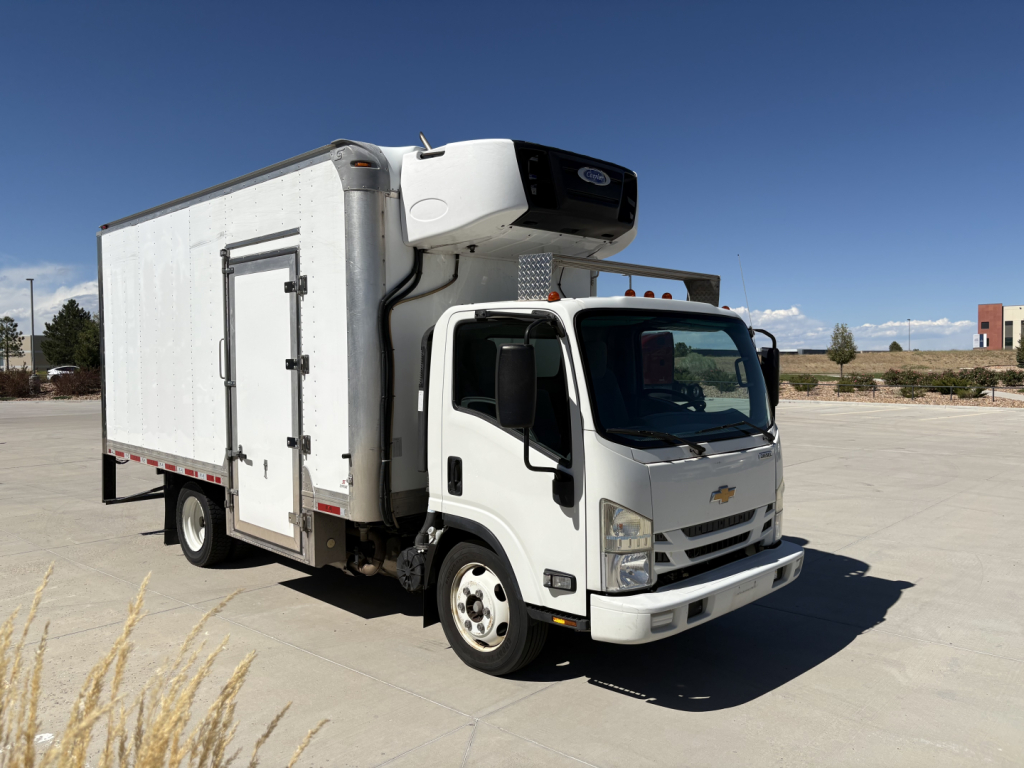
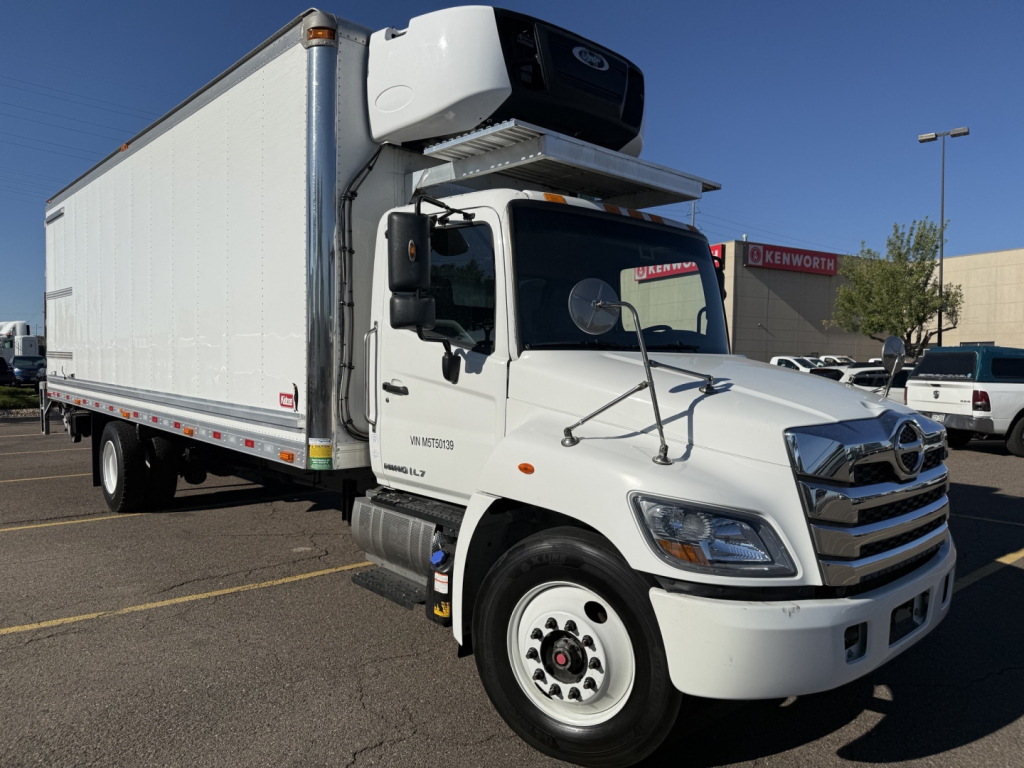
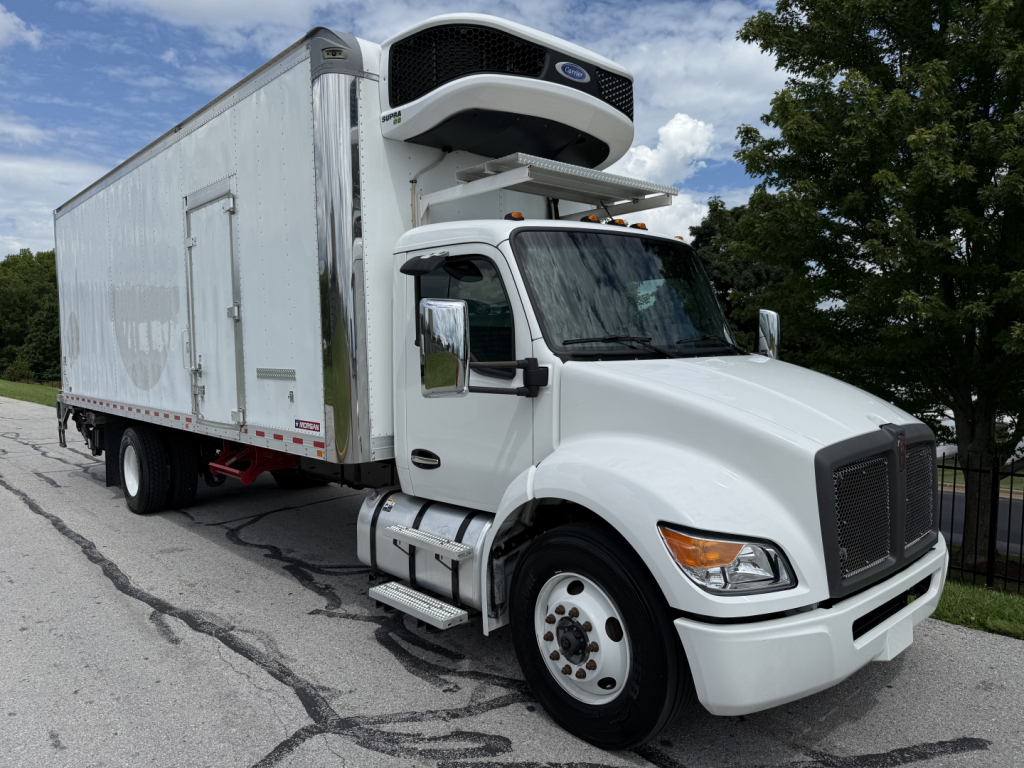
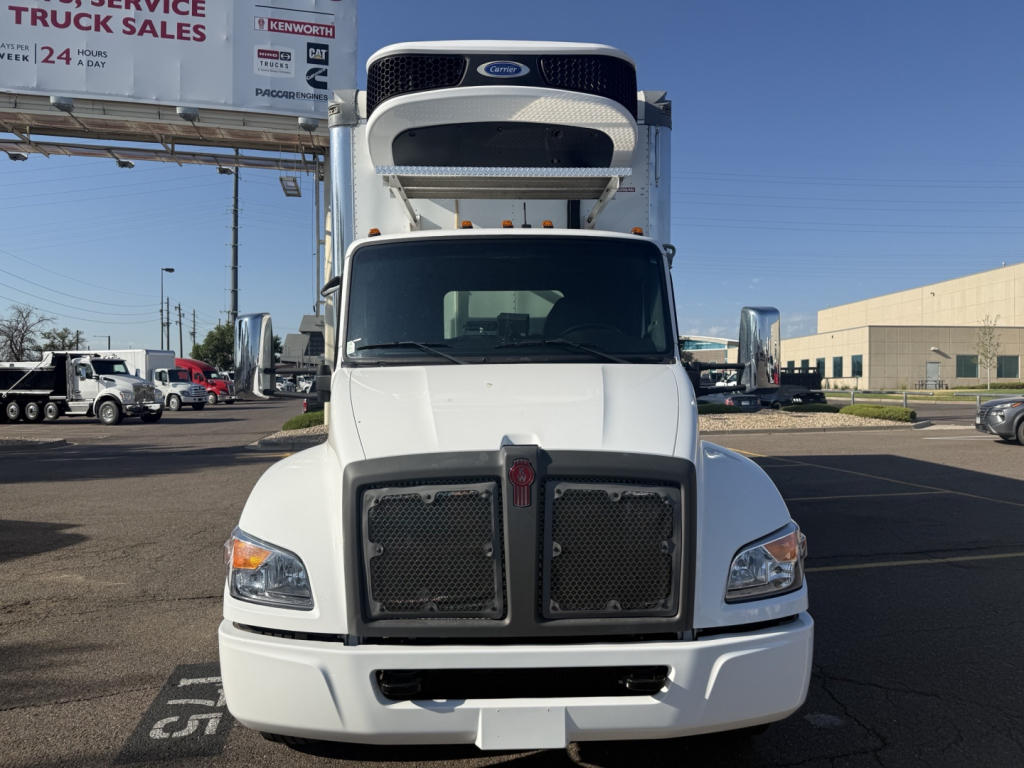
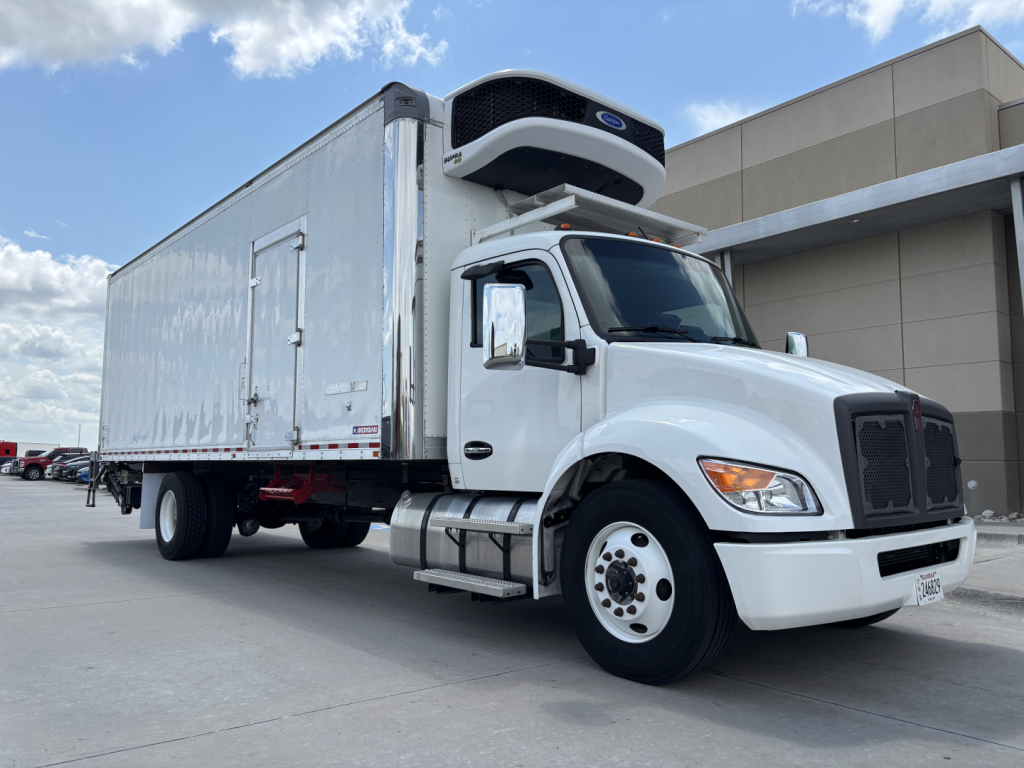
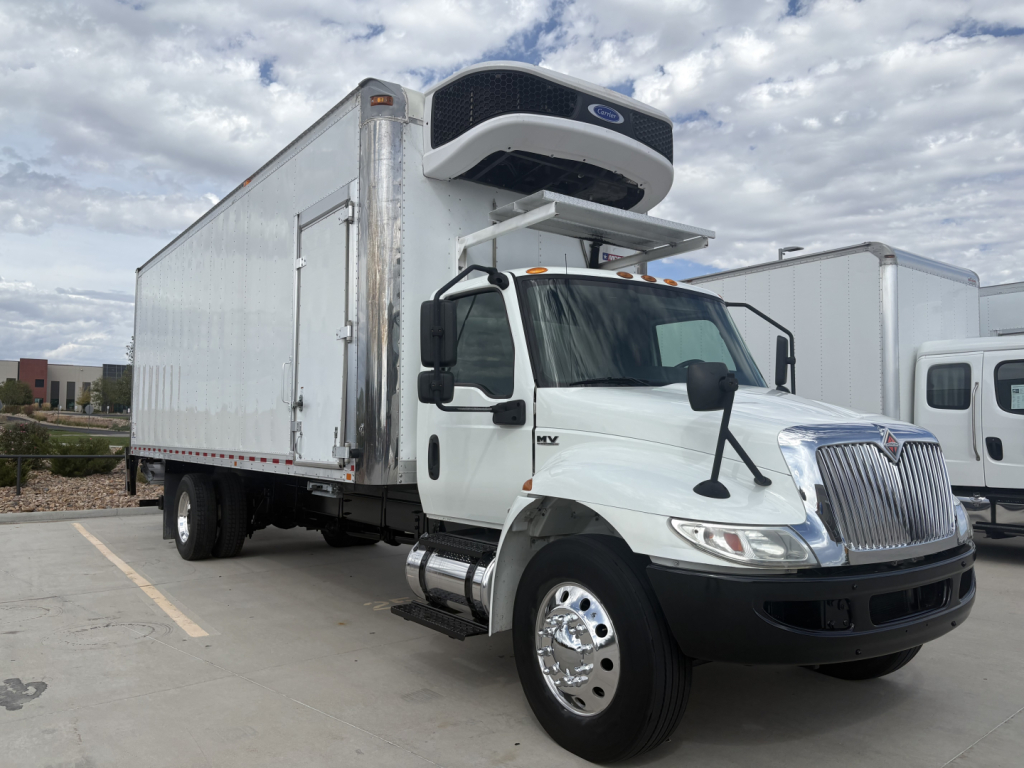
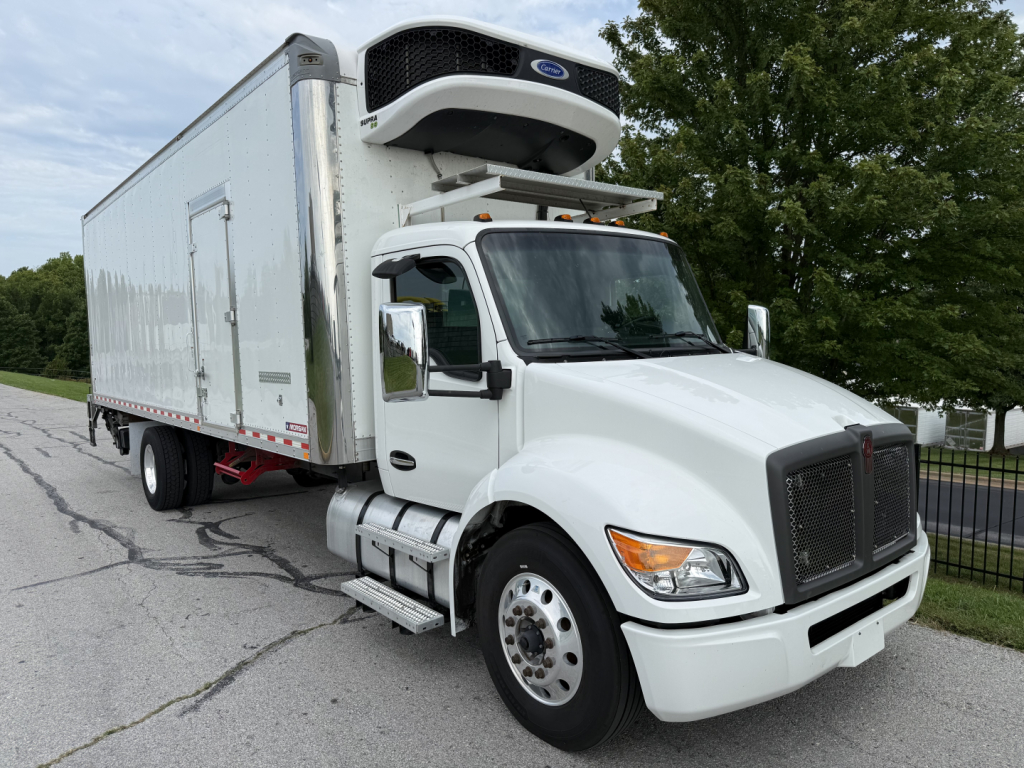
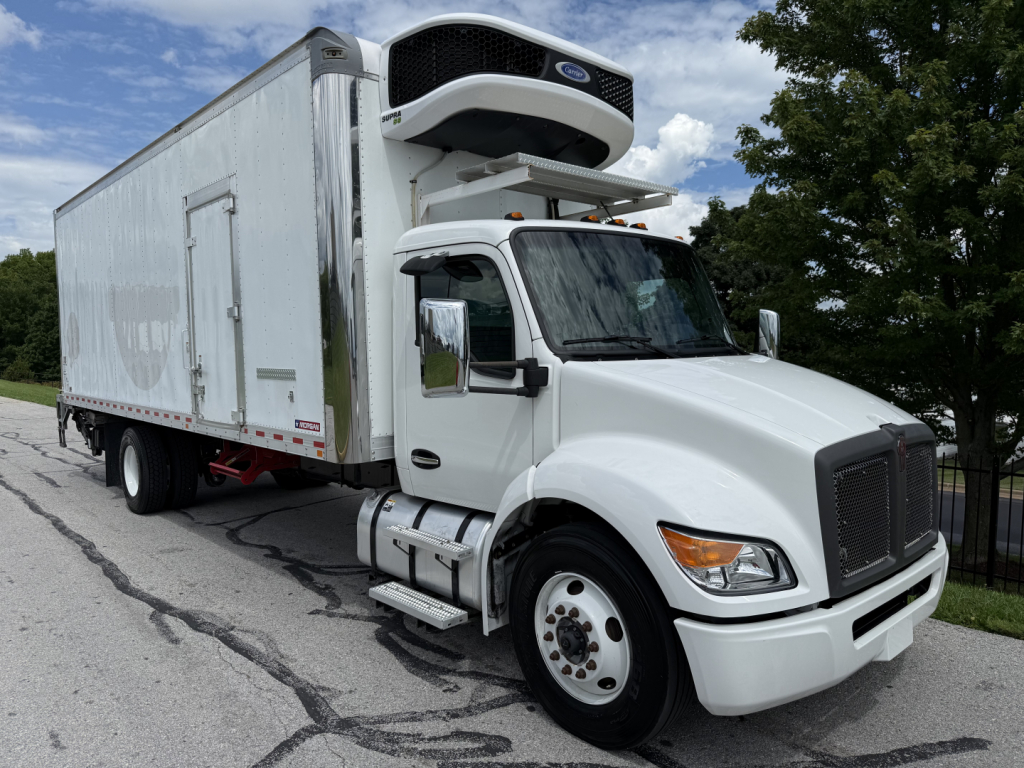
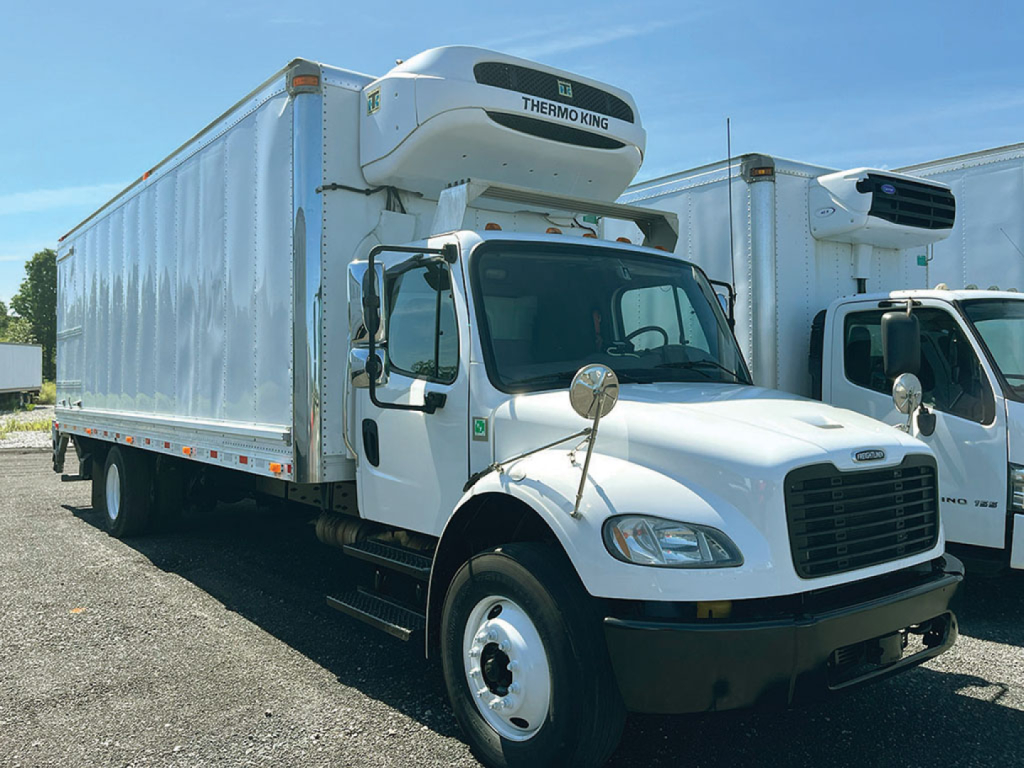
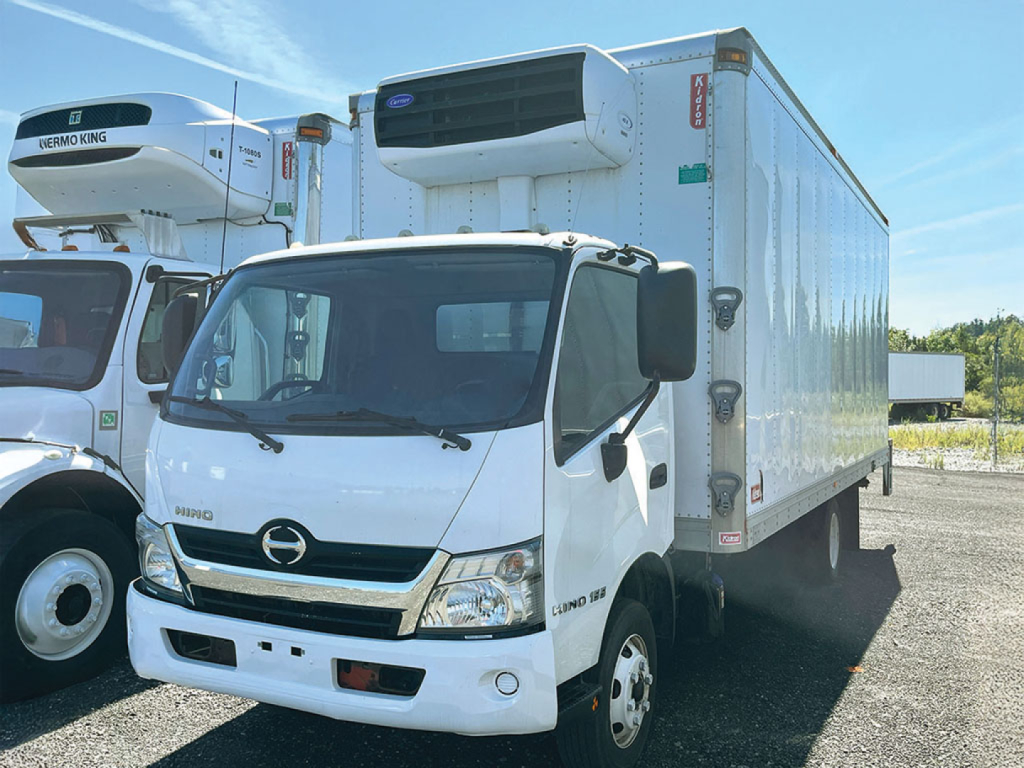
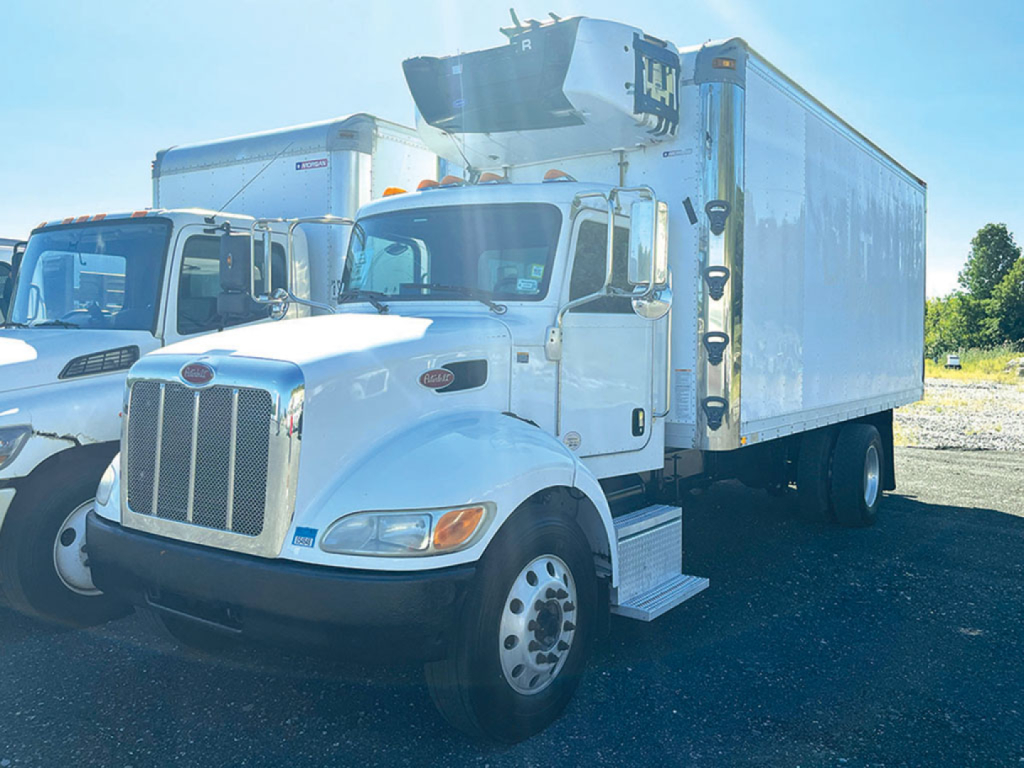
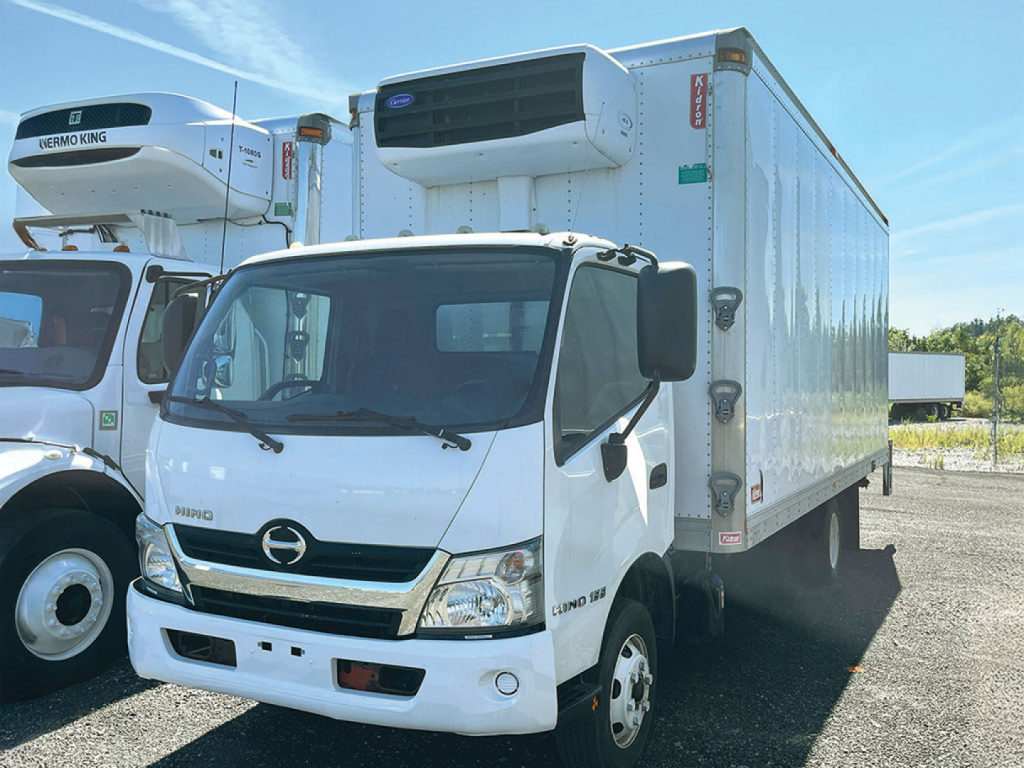
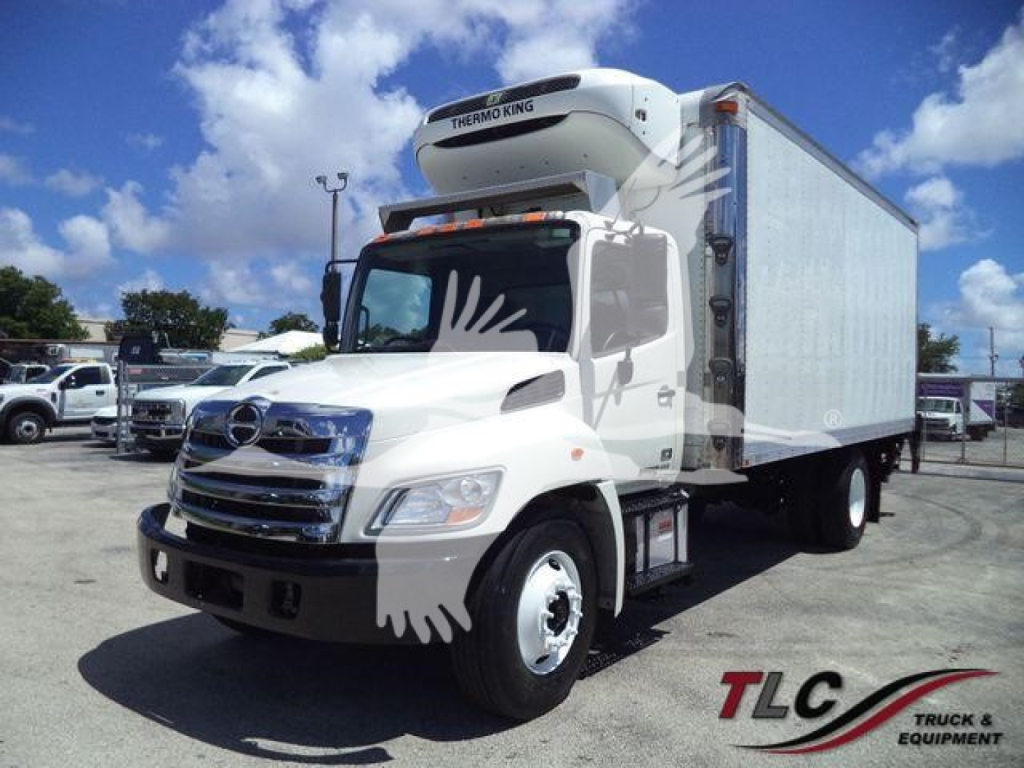
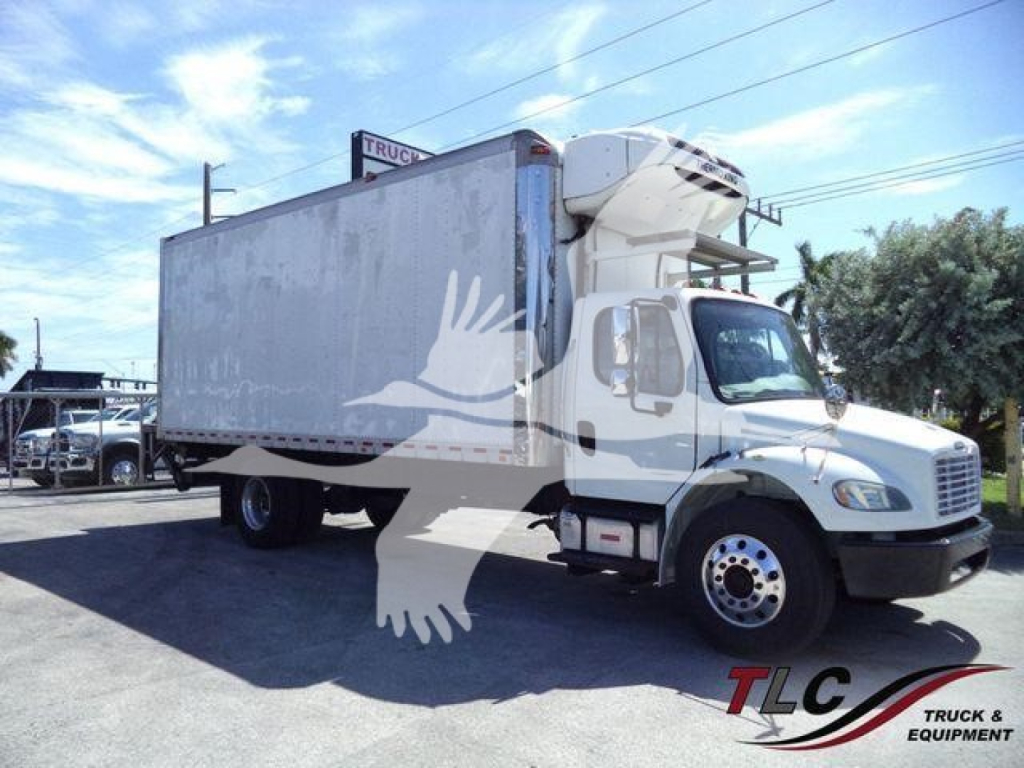
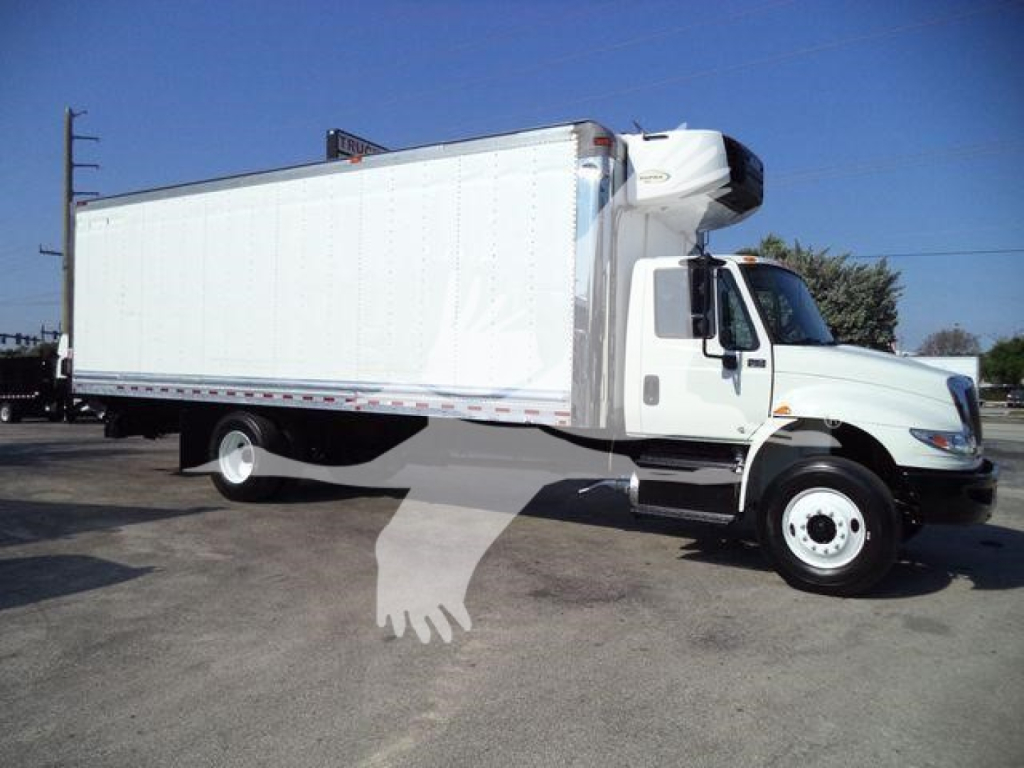
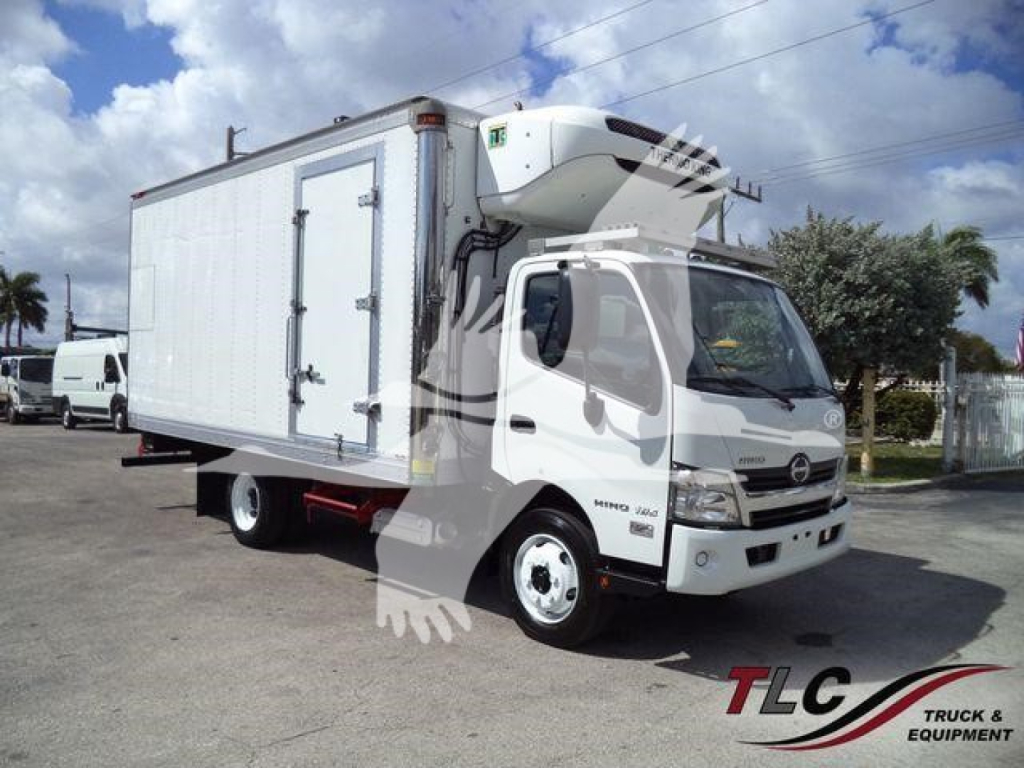
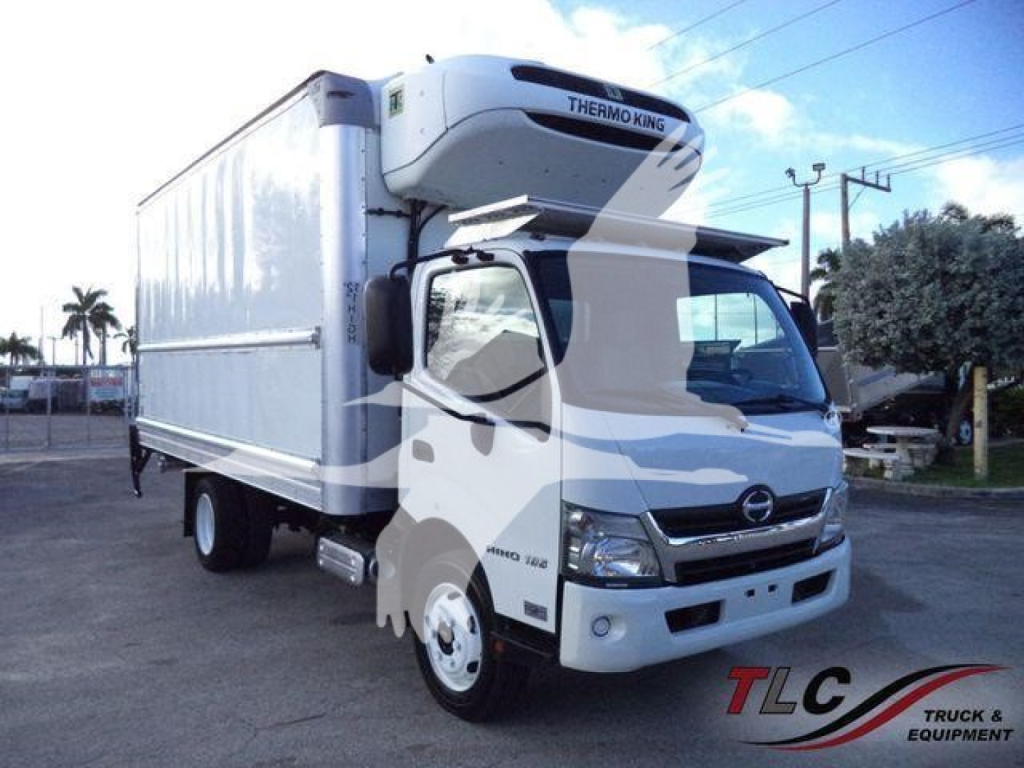
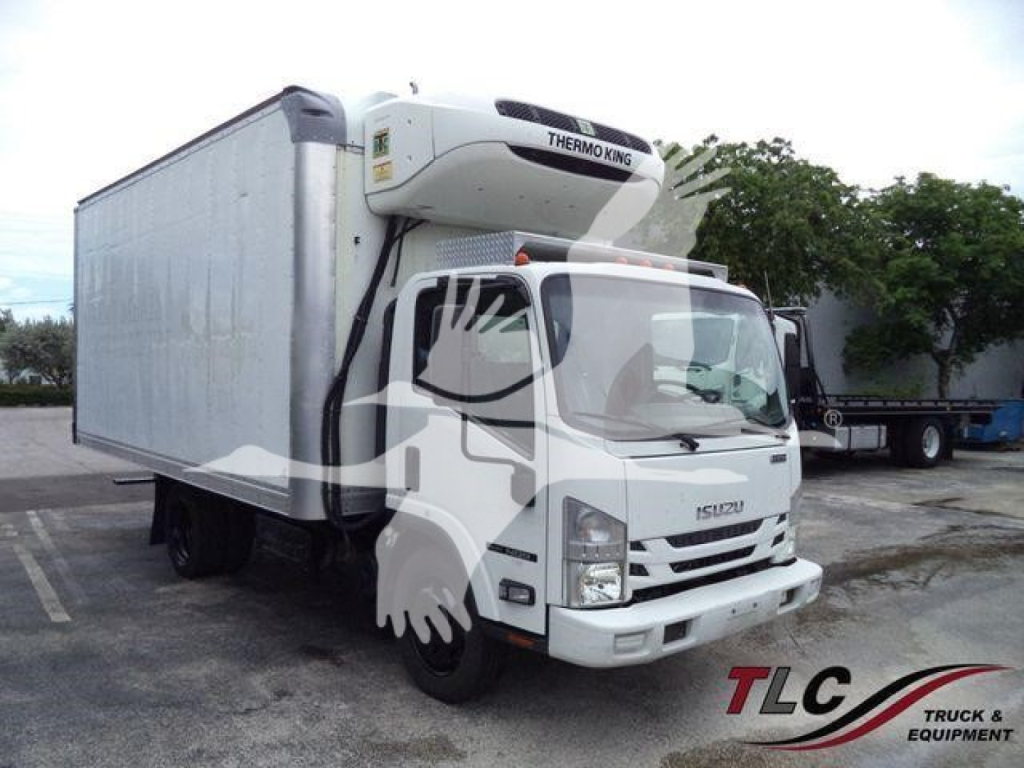
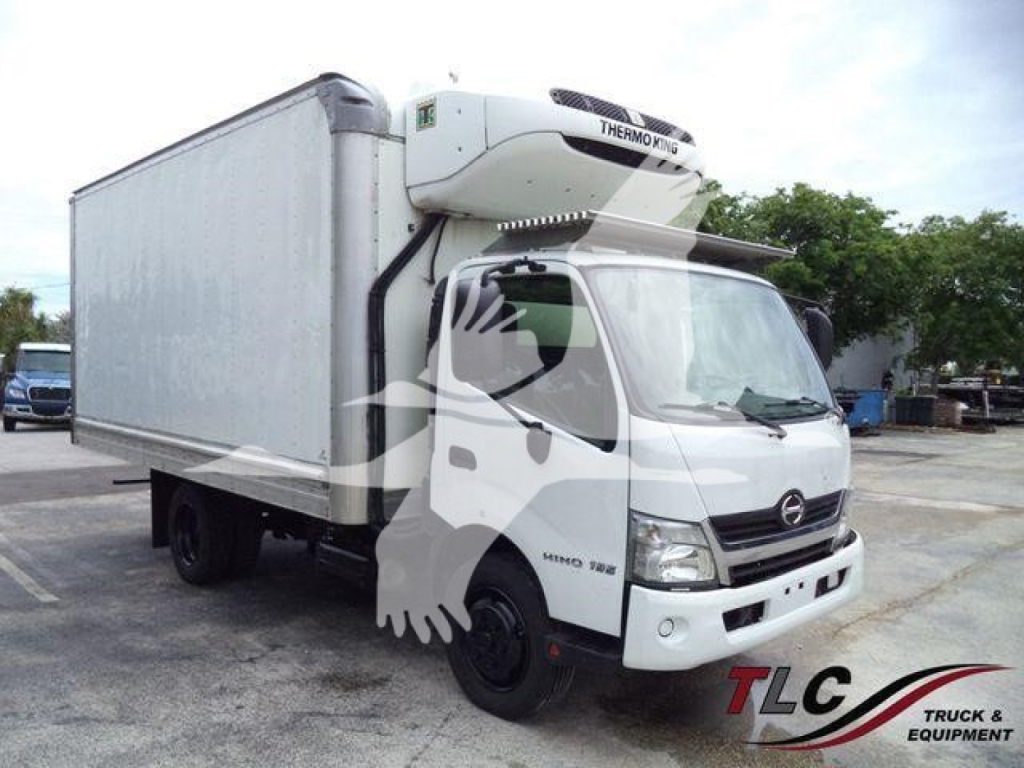
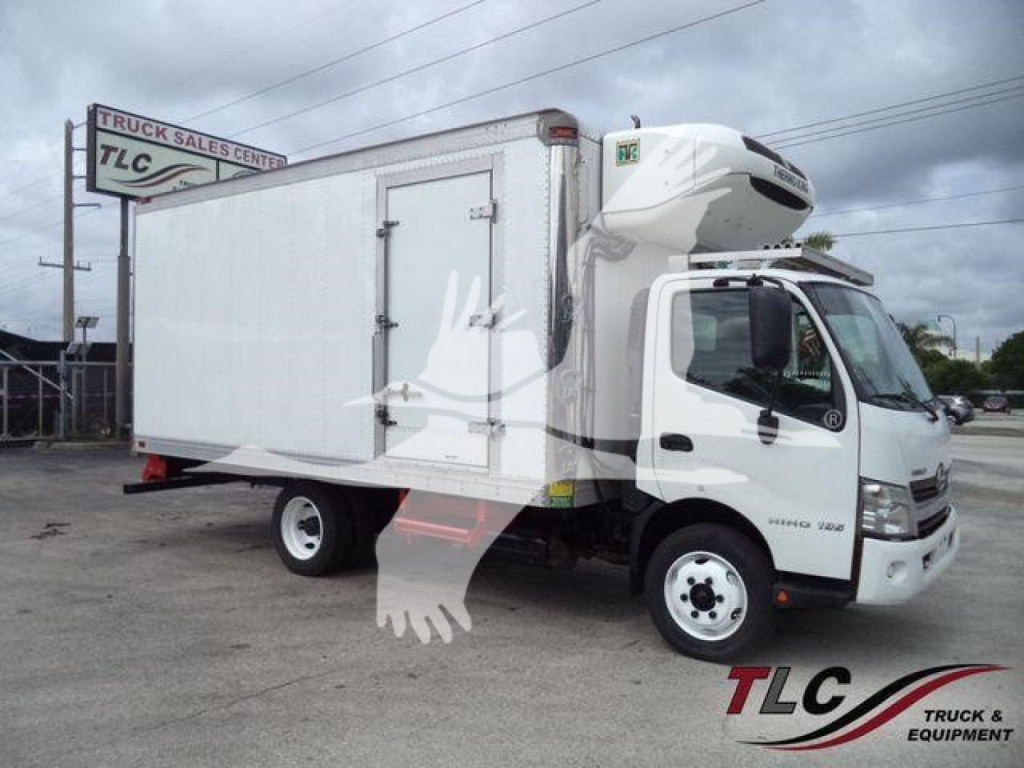
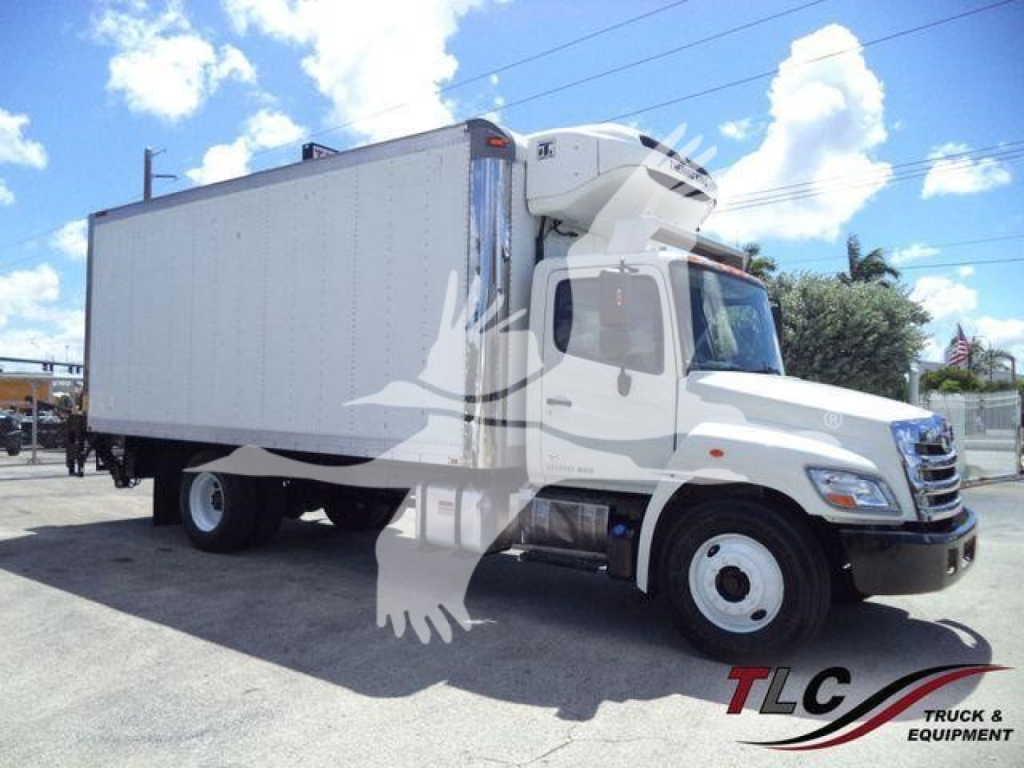
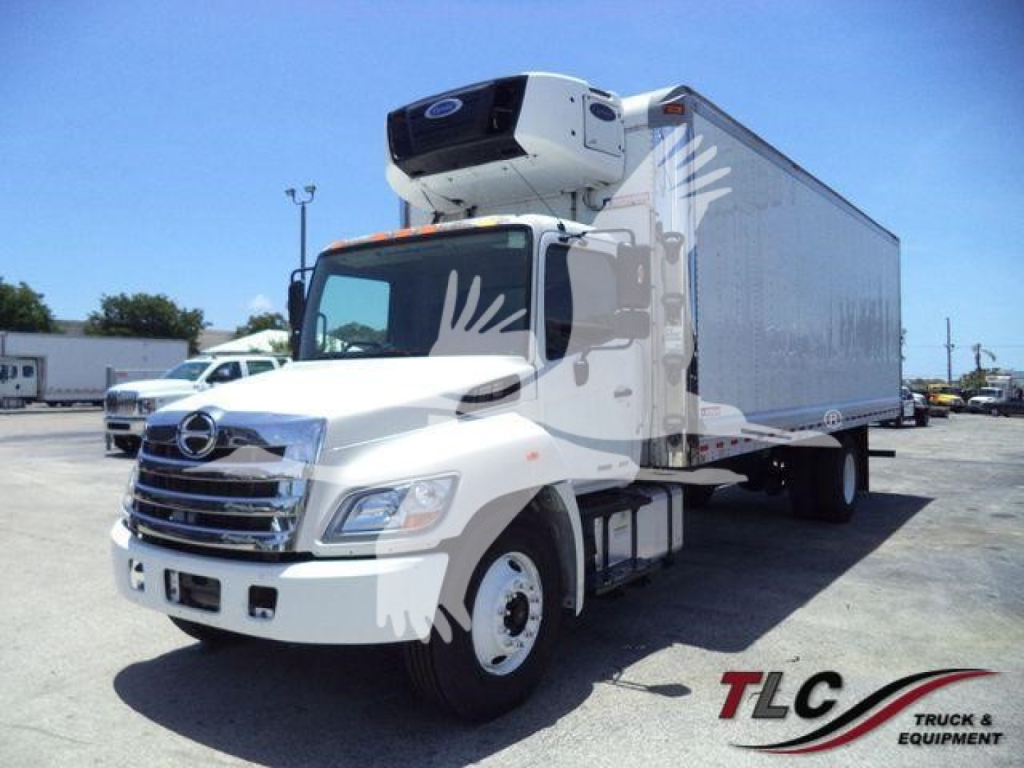
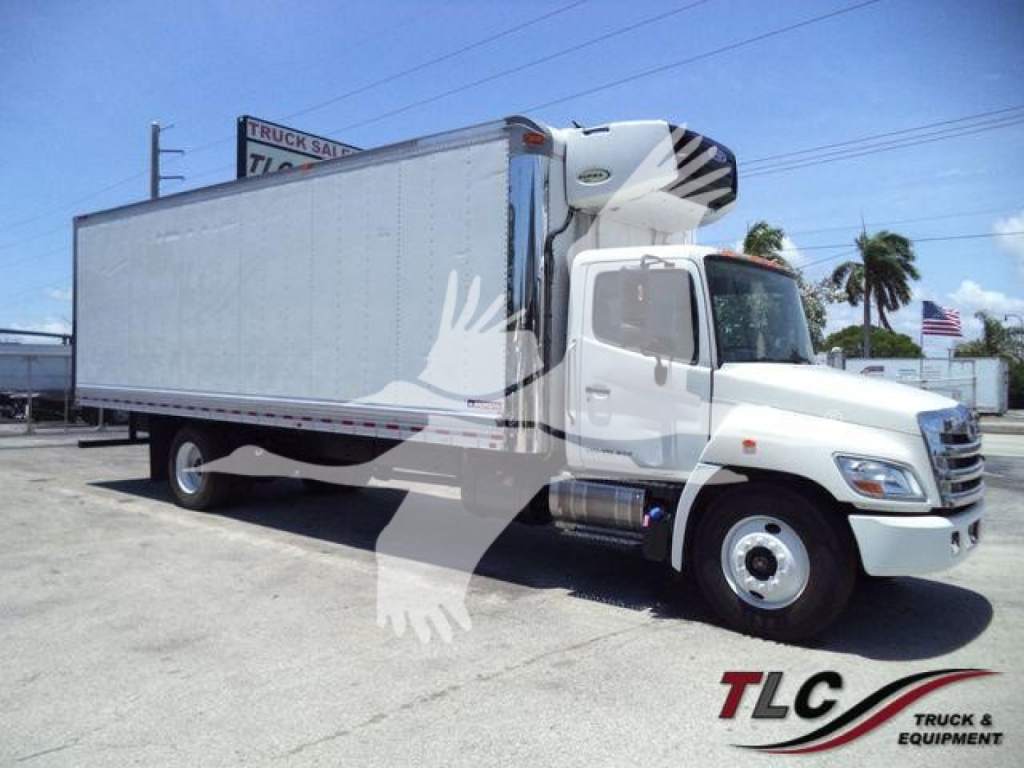
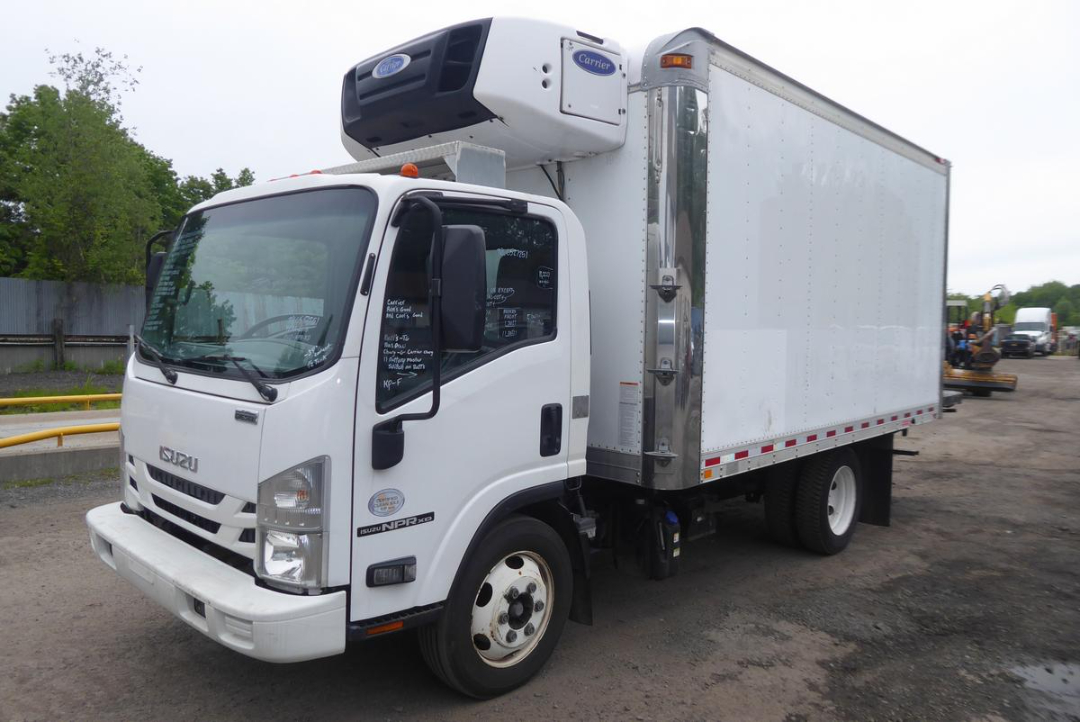
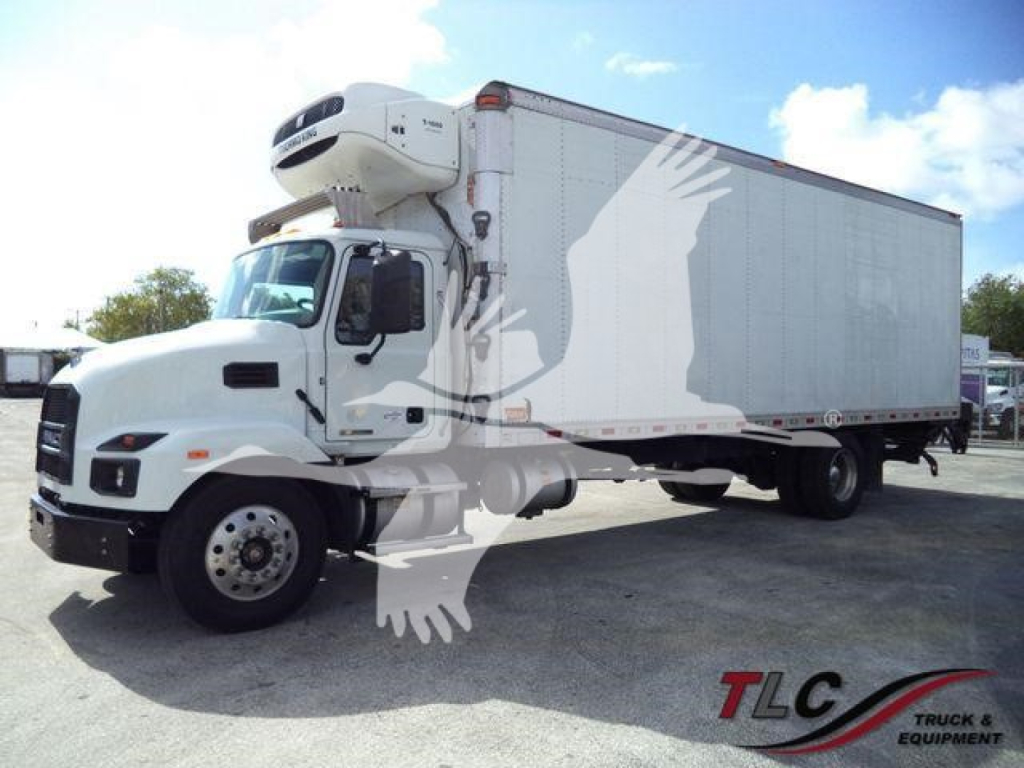
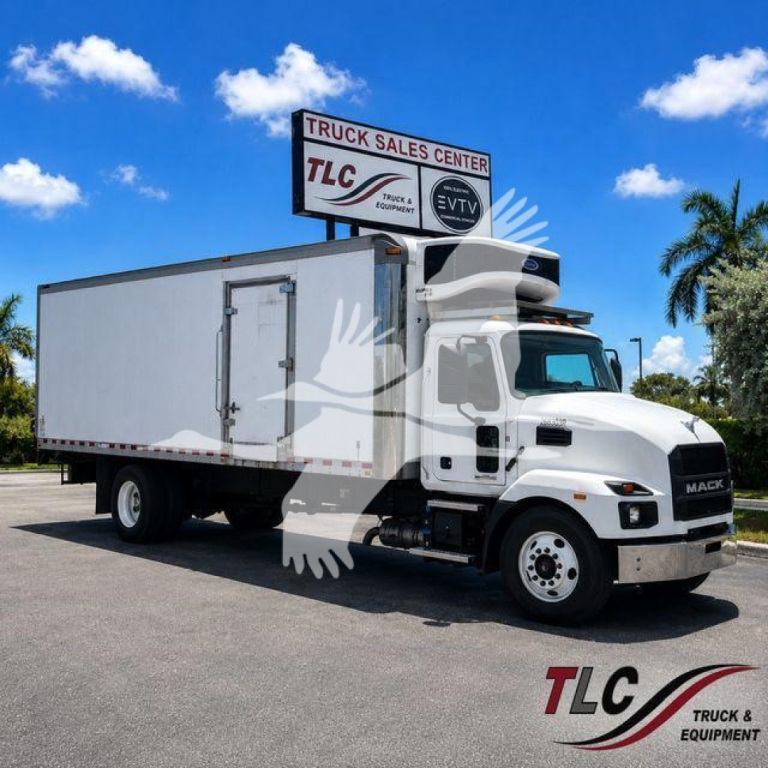
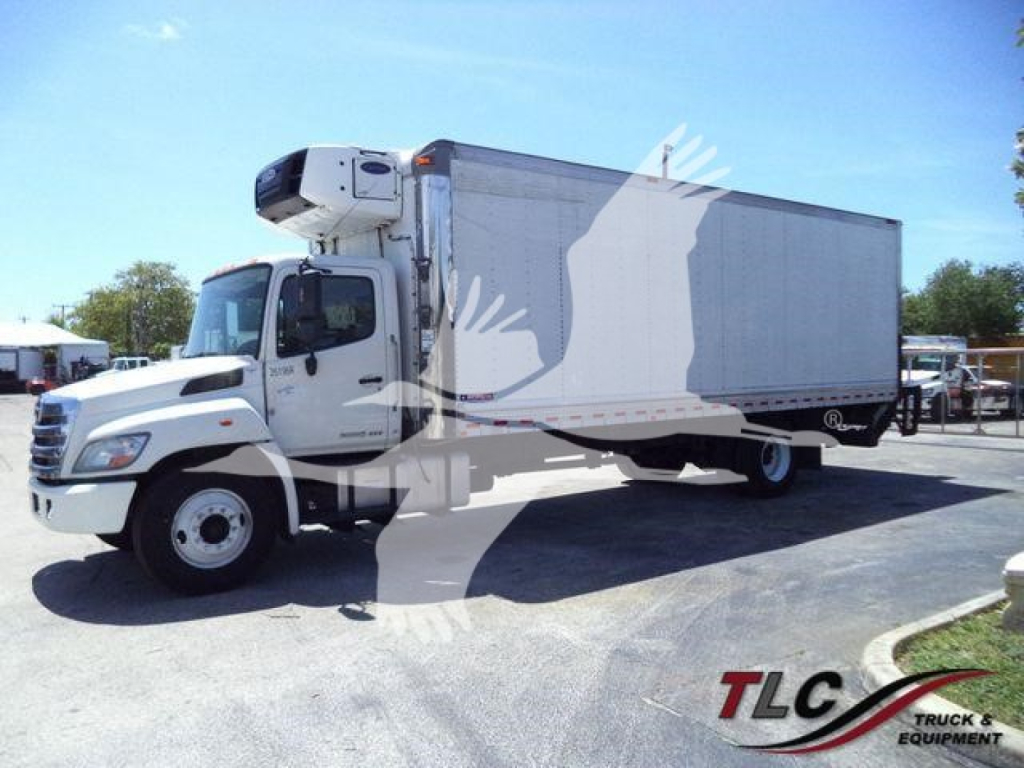
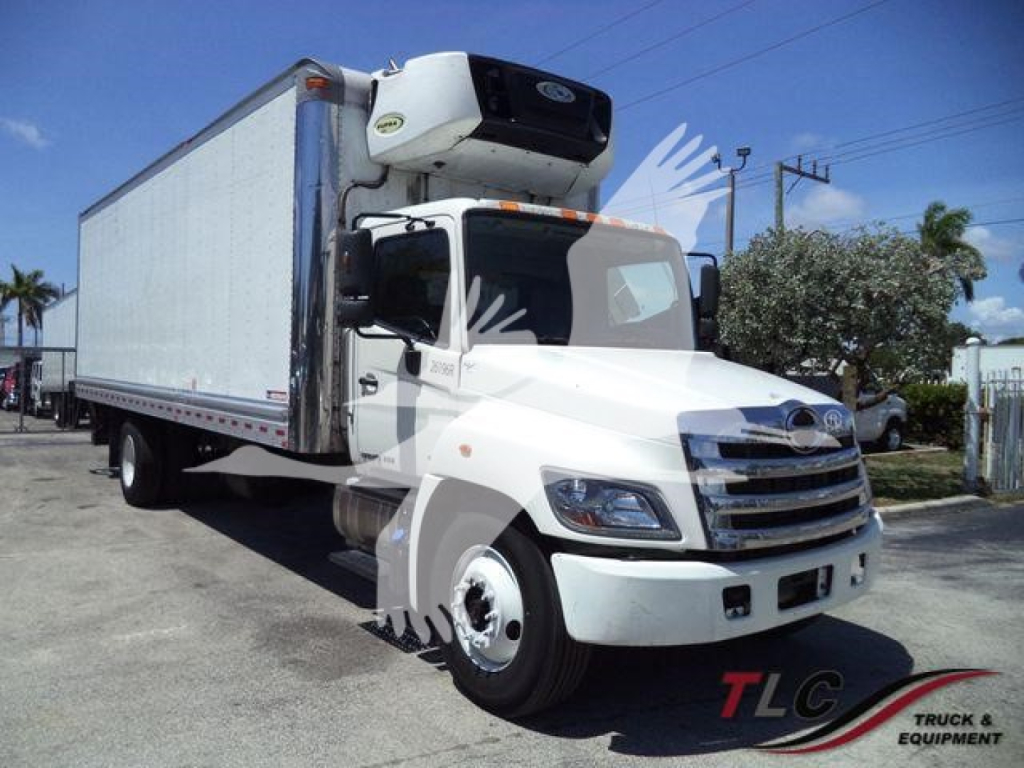
Showing 1 to 28 of 40 results
Selling a used ford refrigerated truck? List your used ford refrigerated truck for sale and reach thousands of commercial buyers.
Used Ford Refrigerated Trucks
One of the main buying decisions is matching chassis capacity to payload and body length. Ford F-550 refrigerated trucks are common in this segment because they can support heavier insulated bodies, liftgates, and multi-temp equipment without pushing the chassis too hard. Typical used configurations include 12 ft to 18 ft refrigerated bodies, roll-up rear doors, curbside access doors, and liftgates for palletized freight. Powertrain matters on a reefer truck because the truck often spends long hours in stop-and-go service, so buyers should look closely at engine hours, idle history, transmission condition, PTO or alternator demand where applicable, and the overall service record of both the truck and the refrigeration unit.
The refrigeration system deserves as much attention as the chassis. Many used Ford refrigerated trucks carry Thermo King or Carrier units, and the real value is in pull-down performance, temperature consistency, and maintenance history. Buyers should verify the unit can hold the required setpoint under load, check for evaporator and condenser condition, inspect insulation integrity, and look for signs of floor or wall damage that can compromise temperature retention. If the truck is being used for food service or medical transport, details like interior liner condition, drain operation, door seal quality, and bulkhead configuration can make a major difference in compliance and daily usability.
Ford refrigerated trucks are especially appealing for urban and regional delivery because parts availability, service familiarity, and cab ergonomics are generally strong points. On a used unit, it is smart to inspect axle ratings, GVWR, reefer hours, liftgate operation, and any corrosion around body mounts, subframes, and door frames. A truck with a solid insulated body and a healthy refrigeration unit can be more valuable than one with lower chassis miles but deferred reefer maintenance. For many buyers, the best used Ford reefer truck is the one with documented cold-box performance, a body size that fits the route, and enough payload margin to handle product, pallets, and equipment without operating at the limit every day.
Frequently Asked Questions about Used Ford Refrigerated Trucks
What should I inspect first on a used Ford refrigerated truck?
Start with the refrigeration unit, insulated body, and the truck chassis as three separate systems. Confirm the reefer starts properly, reaches set temperature, and maintains that temperature consistently. Inspect door seals, interior liner panels, flooring, drains, and any signs of moisture intrusion or insulation failure. Then review chassis miles, engine hours if available, idle time, transmission behavior, brake condition, and front axle wear because refrigerated delivery work is often hard stop-and-go service.
Are Ford F-550 refrigerated trucks good for local delivery routes?
Yes, the Ford F-550 is a common platform for refrigerated delivery because it offers a useful balance of maneuverability, payload capacity, and upfit compatibility. It is well suited for urban and regional routes carrying food, produce, dairy, floral products, or medical supplies. Buyers should still confirm that the body length, axle ratings, and liftgate capacity match the actual route demands, especially if palletized freight or multi-stop loading is involved.
How important are reefer hours compared to truck miles?
Reefer hours are extremely important because the refrigeration unit can accumulate substantial operating time independent of chassis mileage. A truck with moderate miles may still have a heavily used refrigeration system if it ran long delivery shifts or stationary cooling cycles. Buyers should compare chassis condition, engine idle history, and reefer service records together rather than relying on odometer readings alone.
What body features matter most on a used refrigerated truck?
The most important body features depend on the freight, but buyers commonly focus on insulation thickness, floor strength, rear door style, side access, and liftgate specification. Scuffed or cracked liners, damaged floors, and leaking door gaskets can hurt temperature control and sanitation. If the route includes hand-cart work, restaurant delivery, or pallet handling, the right door opening and liftgate setup can improve productivity as much as the refrigeration unit itself.
Can a used Ford reefer truck be suitable for food-grade or medical service?
It can be, provided the box condition, temperature performance, and maintenance history meet the requirements of the cargo. Food-grade and medical applications usually demand clean interior surfaces, reliable temperature retention, good door seals, and documented service on the refrigeration unit. Some buyers may also need multi-temp capability, partition walls, or specific data logging features depending on regulatory or customer requirements.