
Ford Refrigerated Trucks For Sale
Browse Ford refrigerated trucks with insulated bodies, reefer units, and route-ready configurations for cold-chain delivery work.
No exact matches found for your search
Showing Refrigerated Trucks instead.
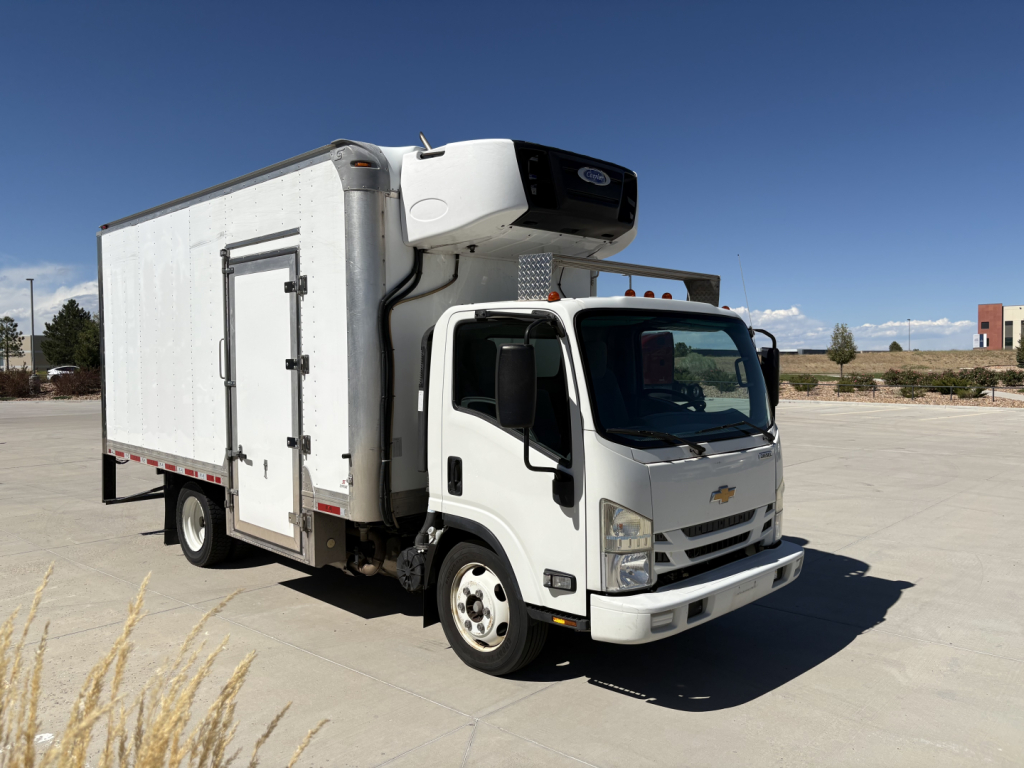
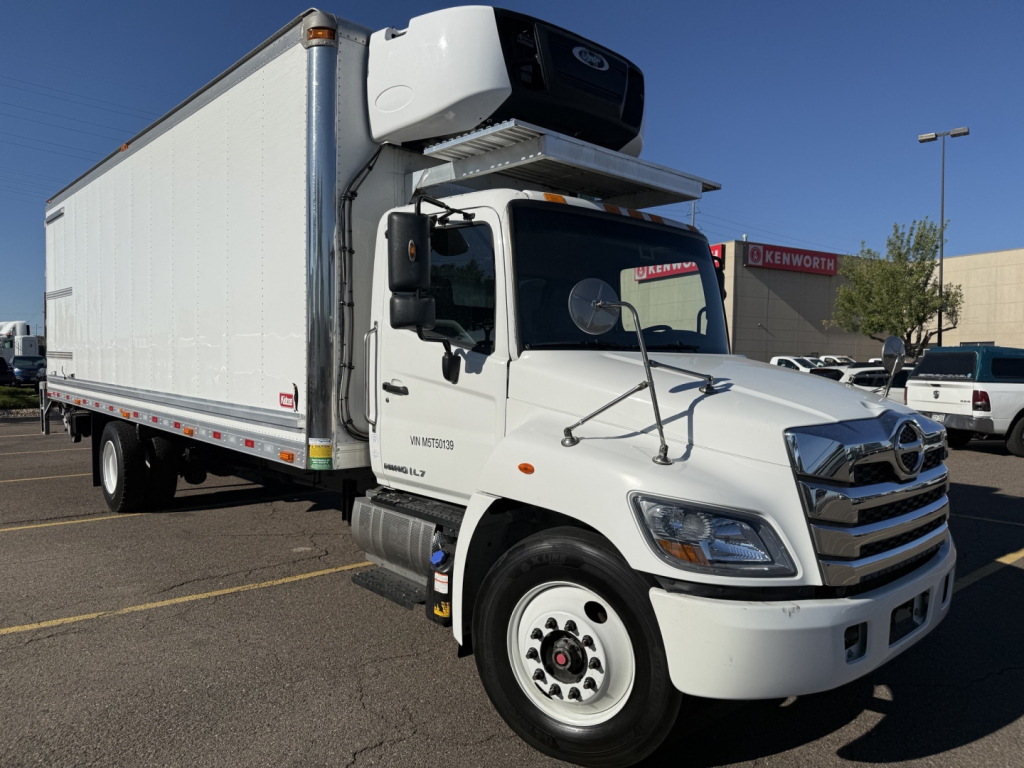
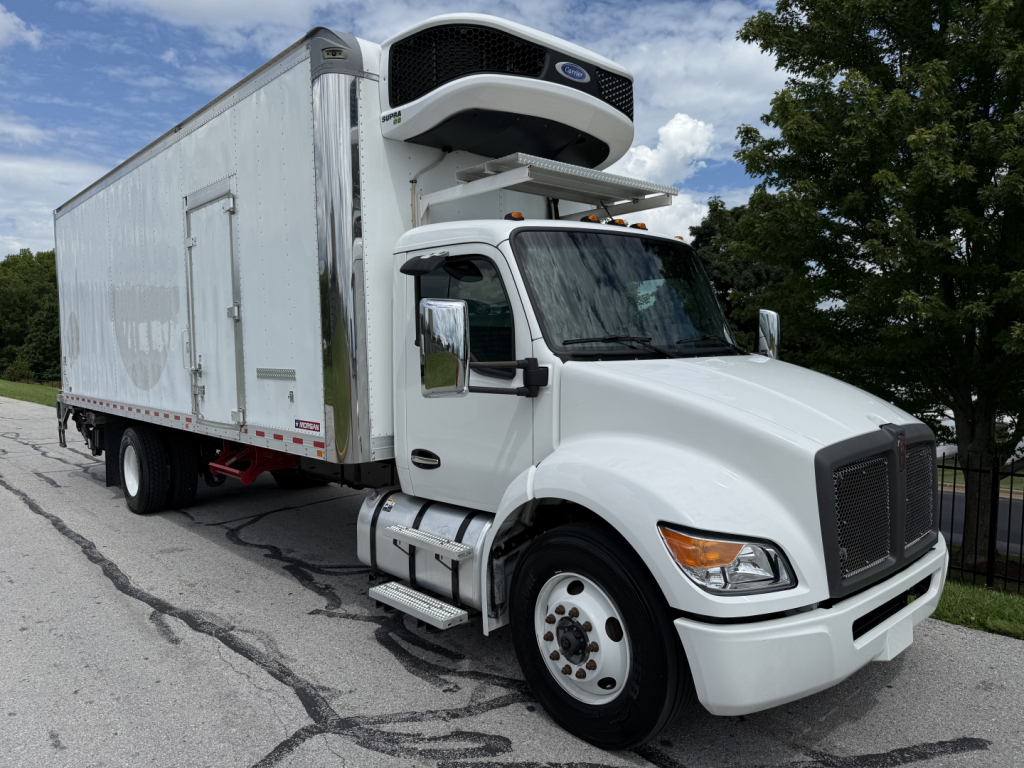
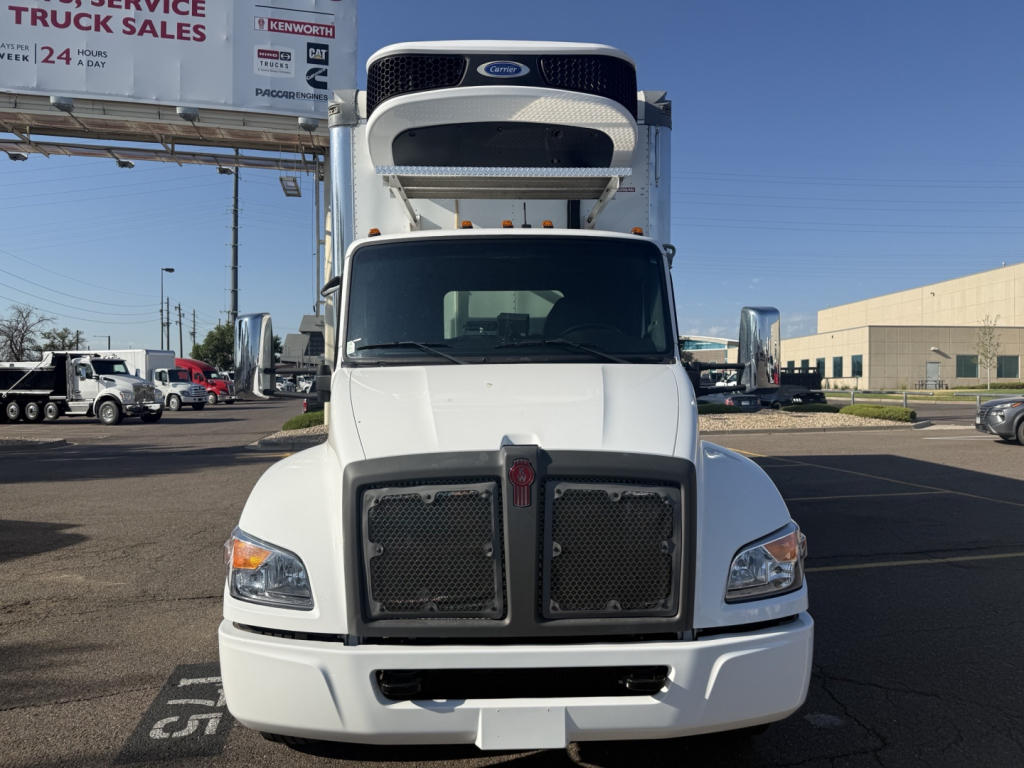
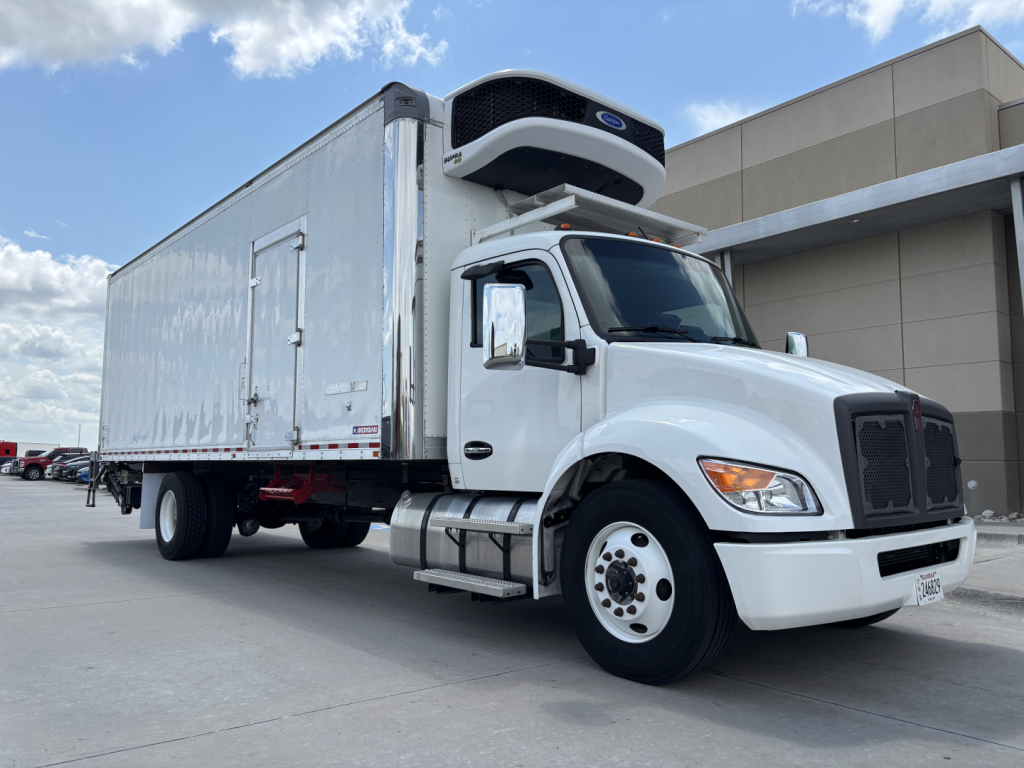
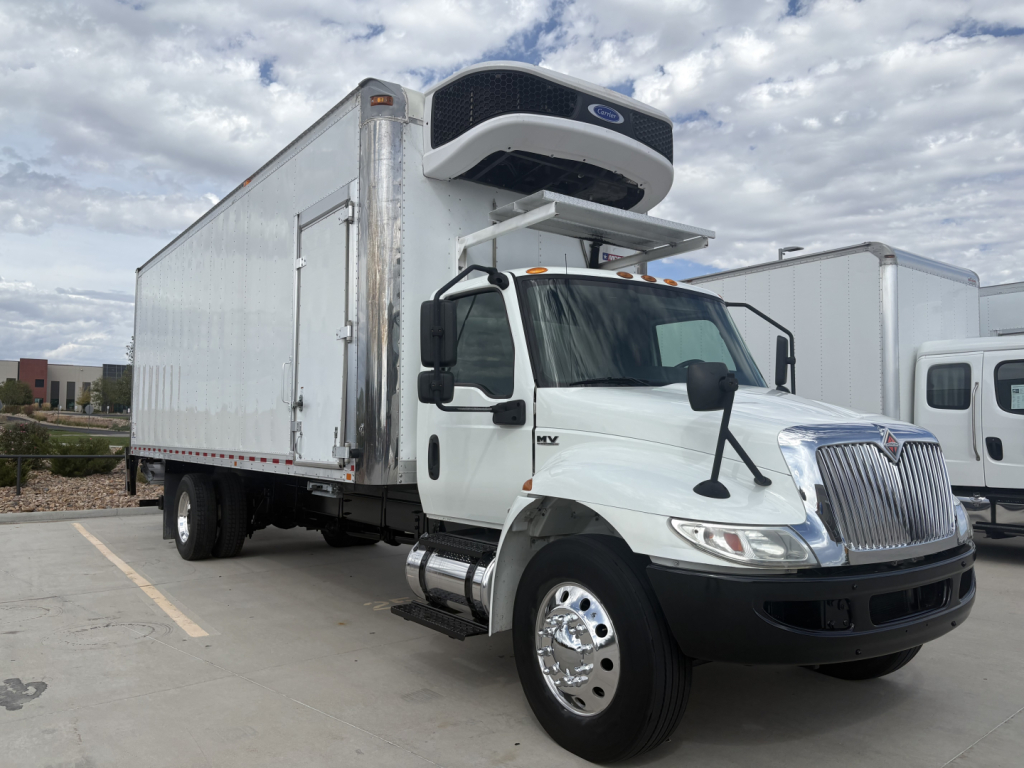
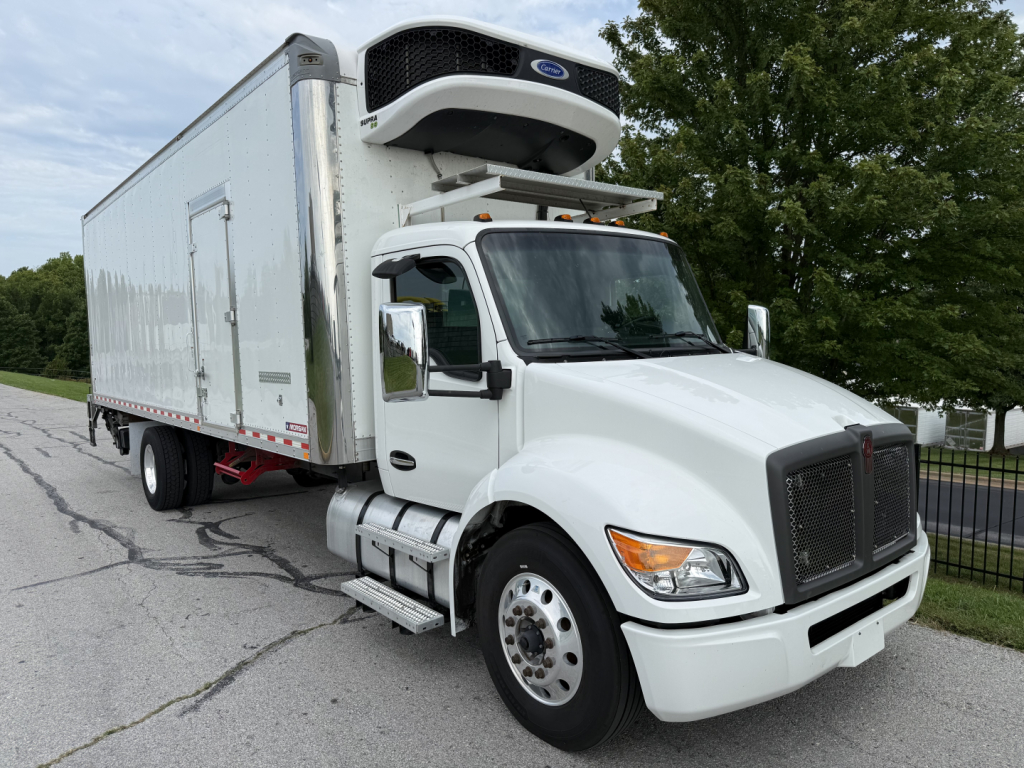
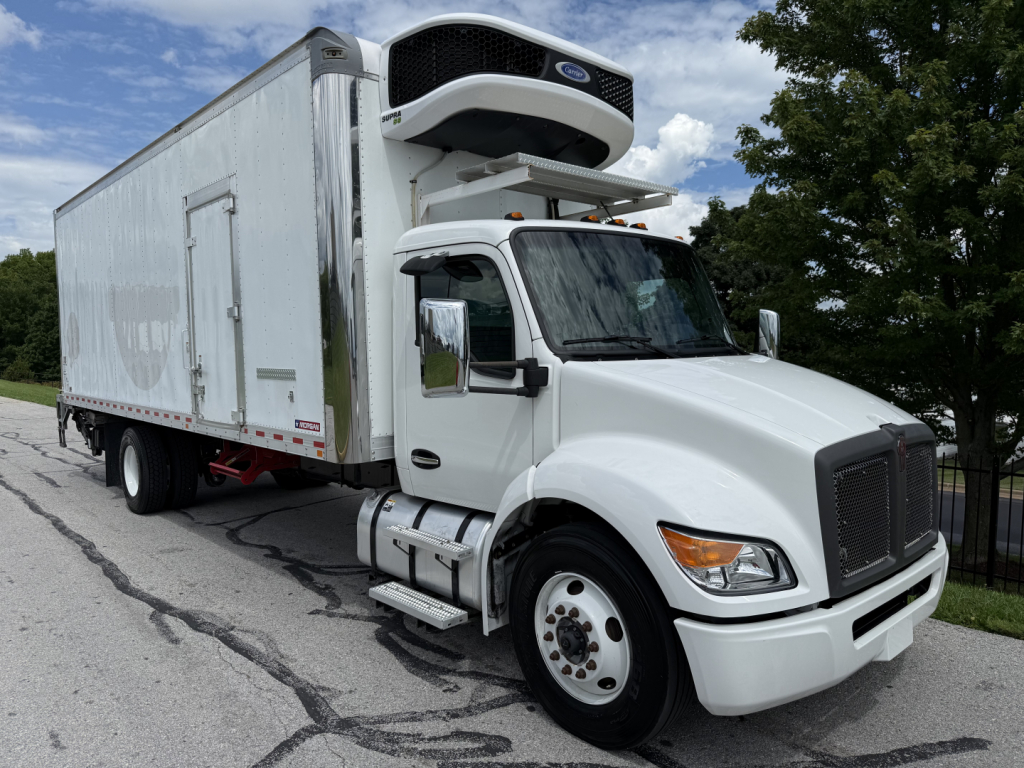
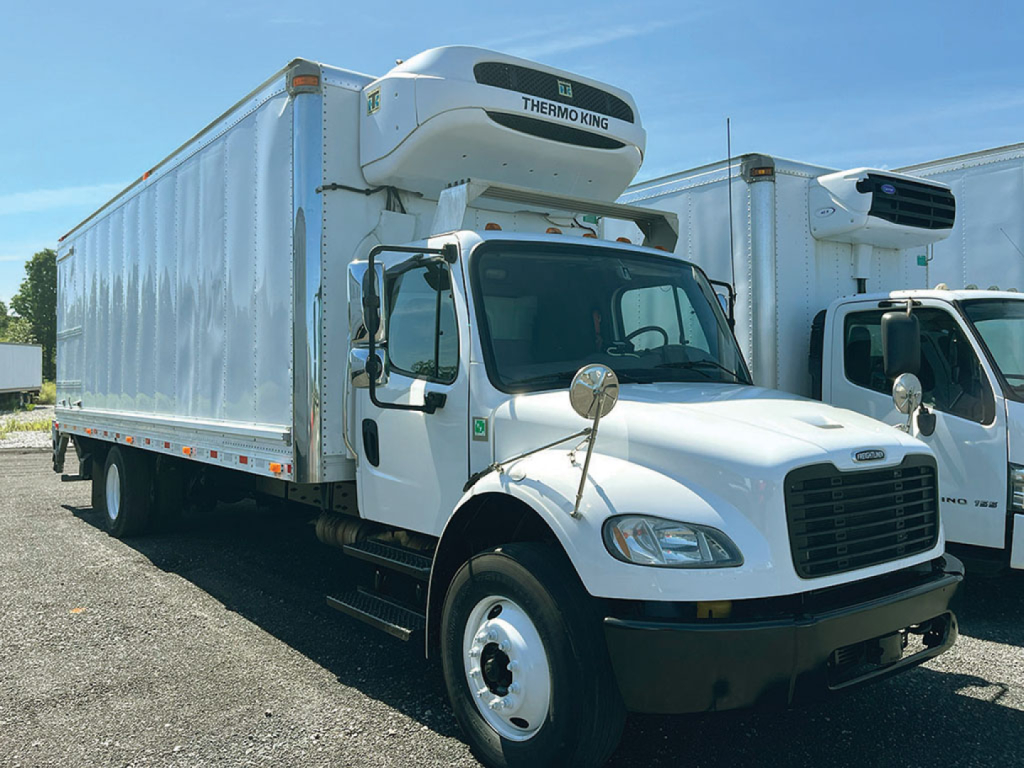
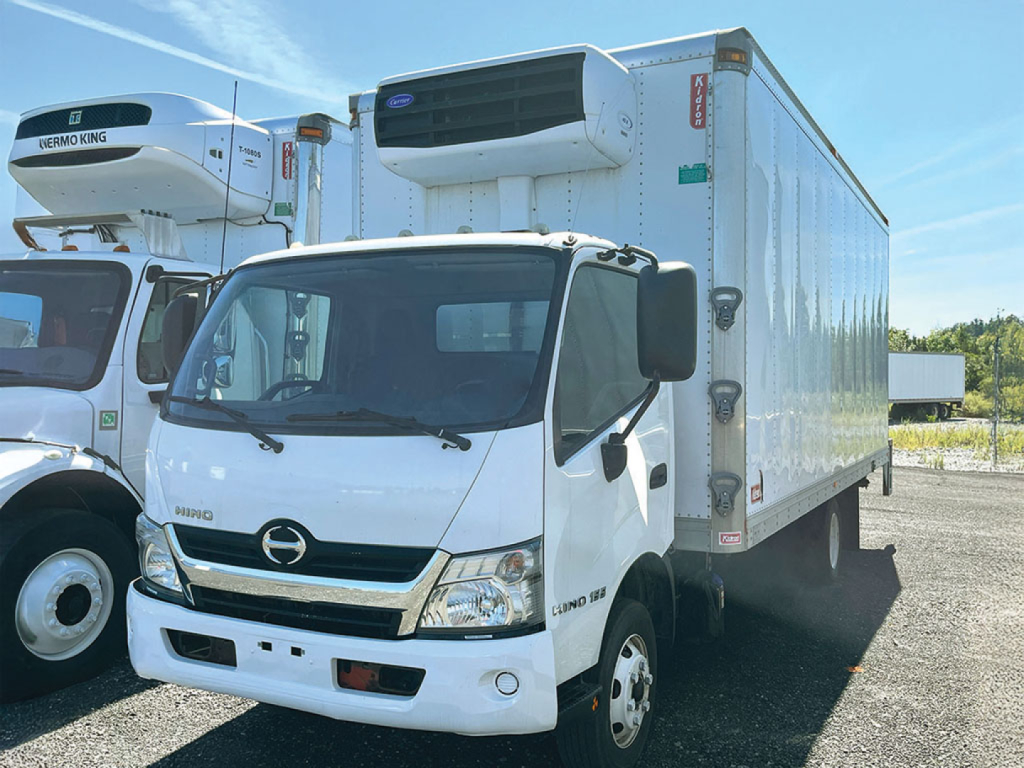
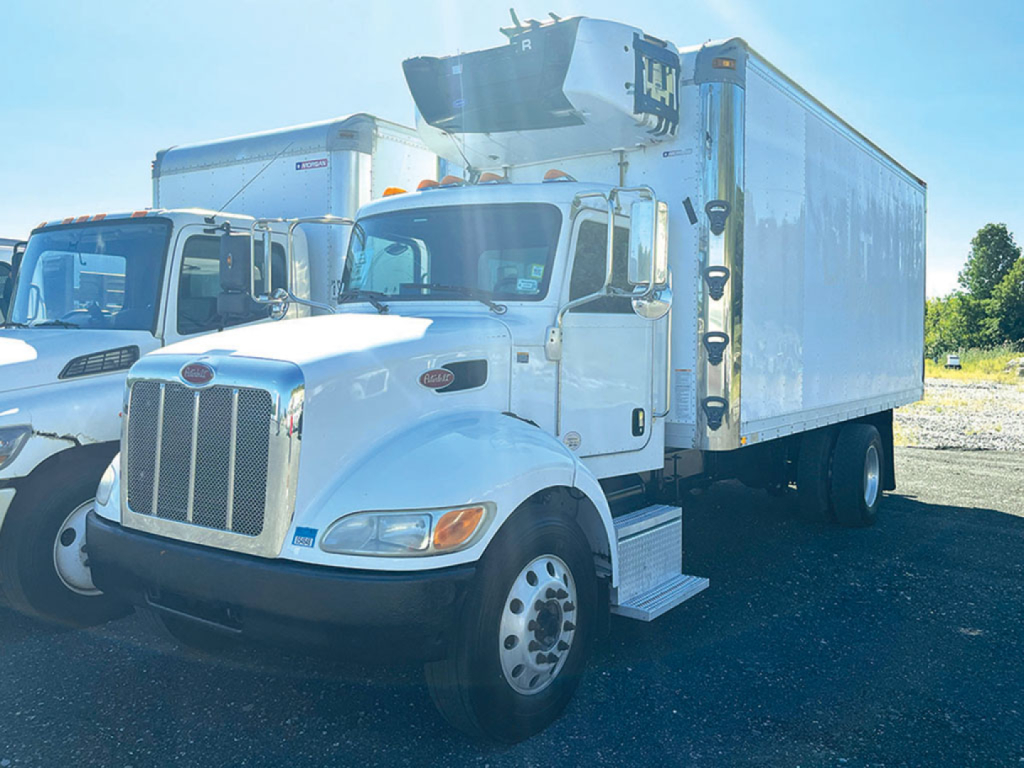
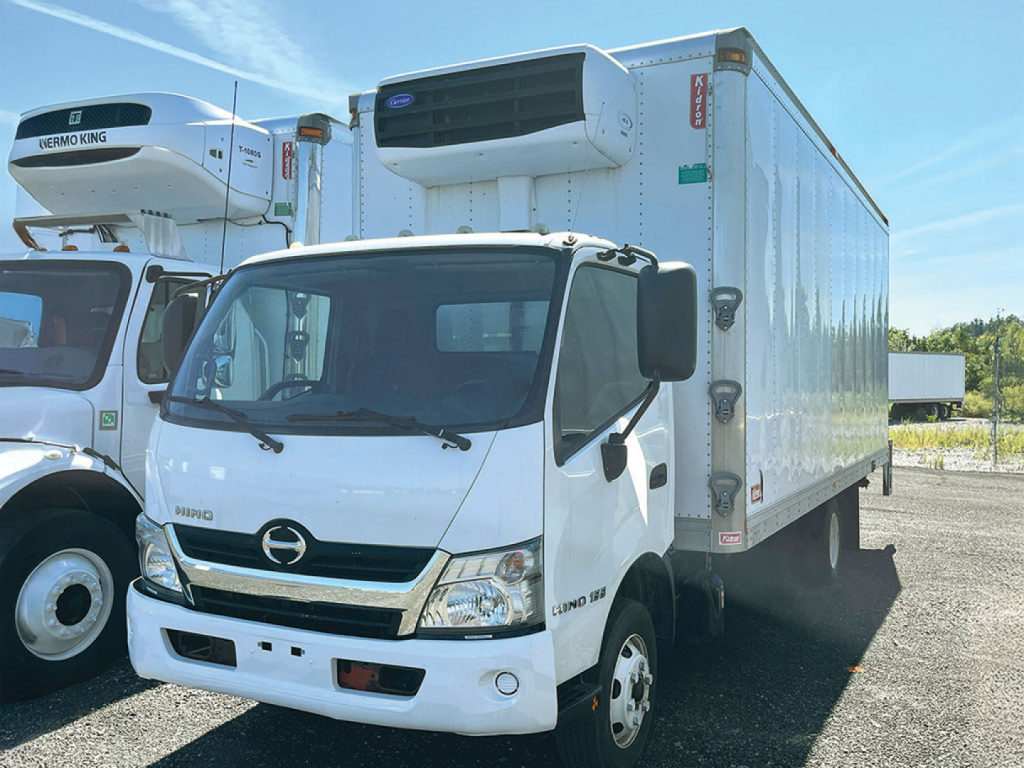
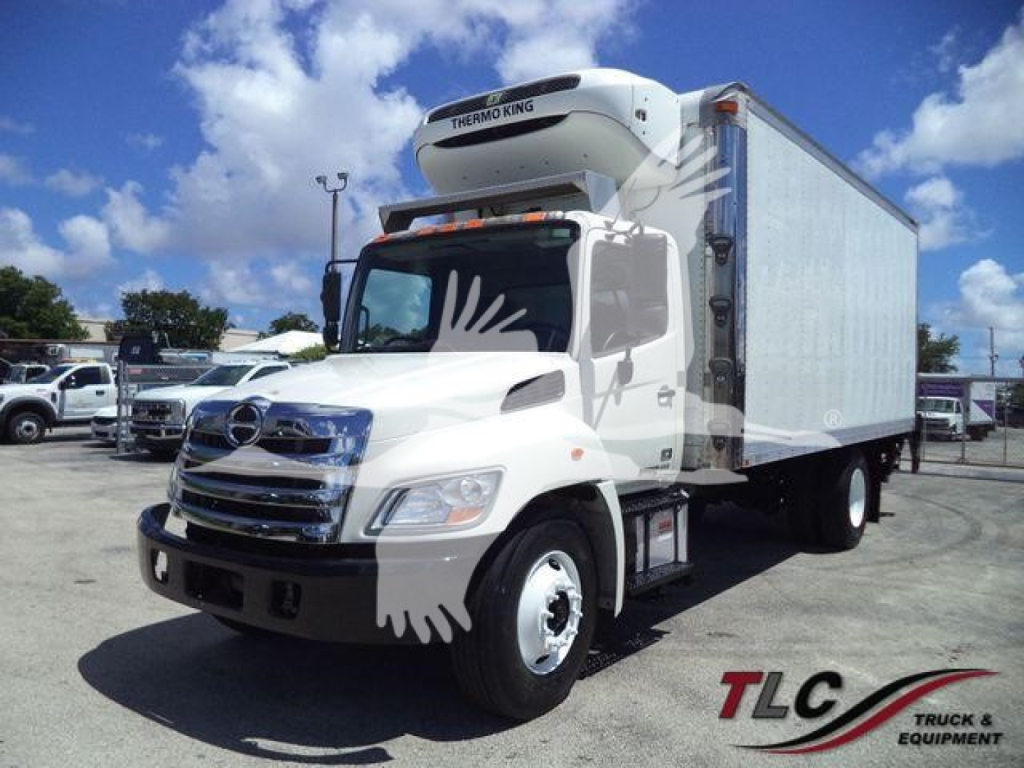
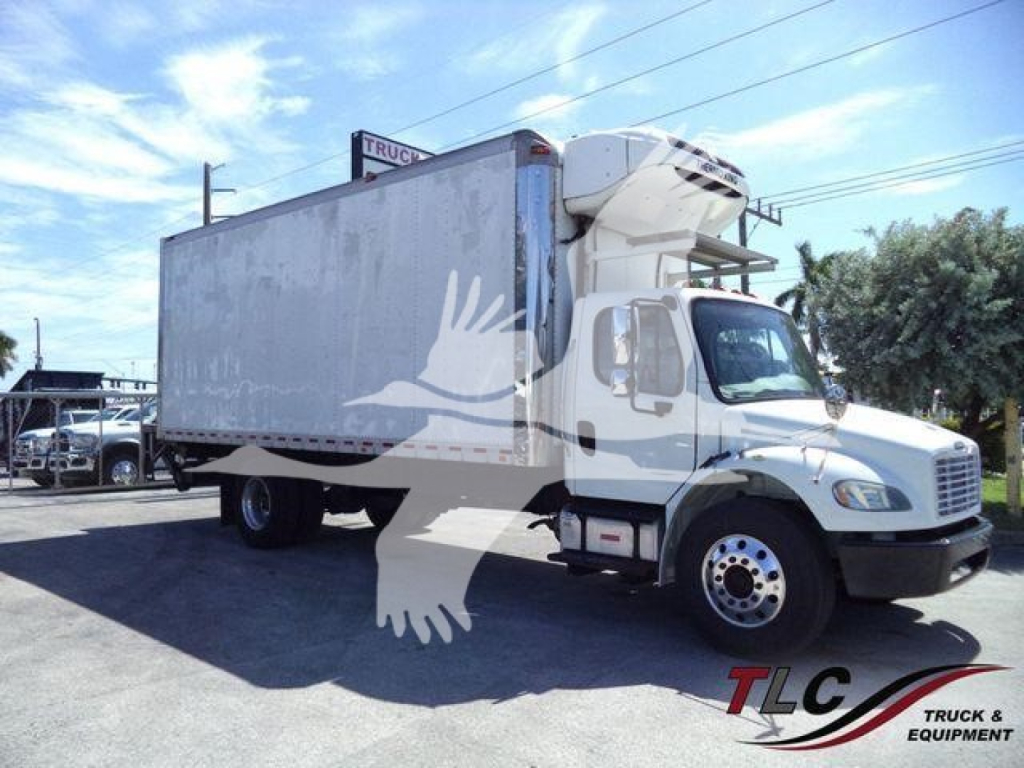
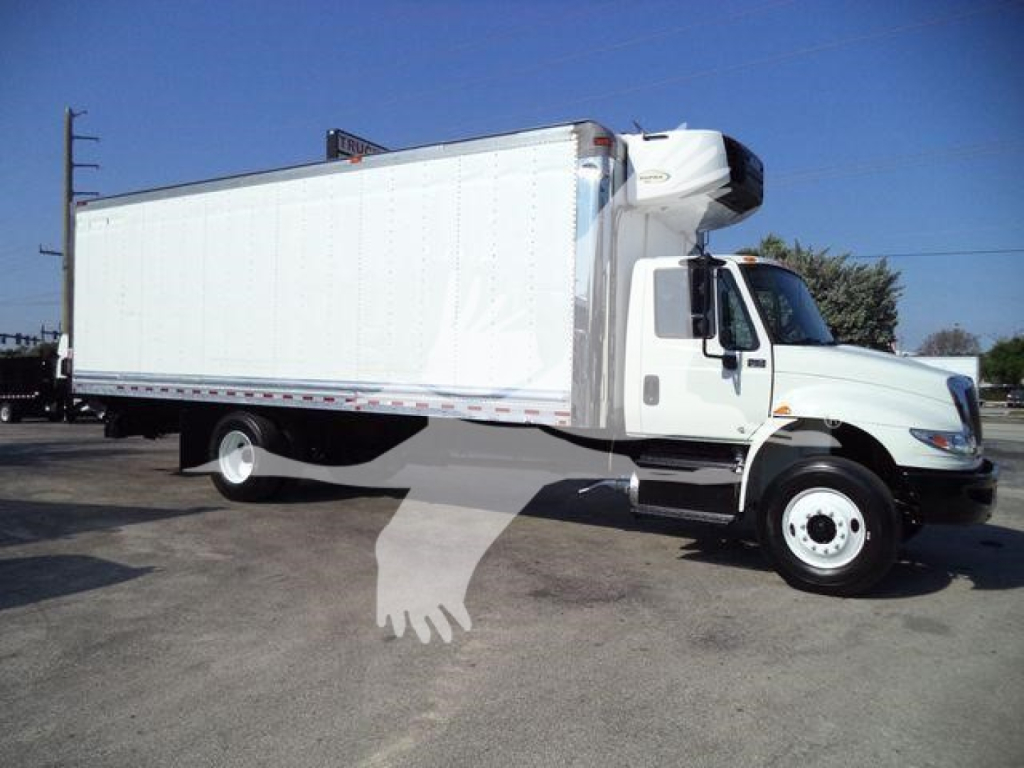
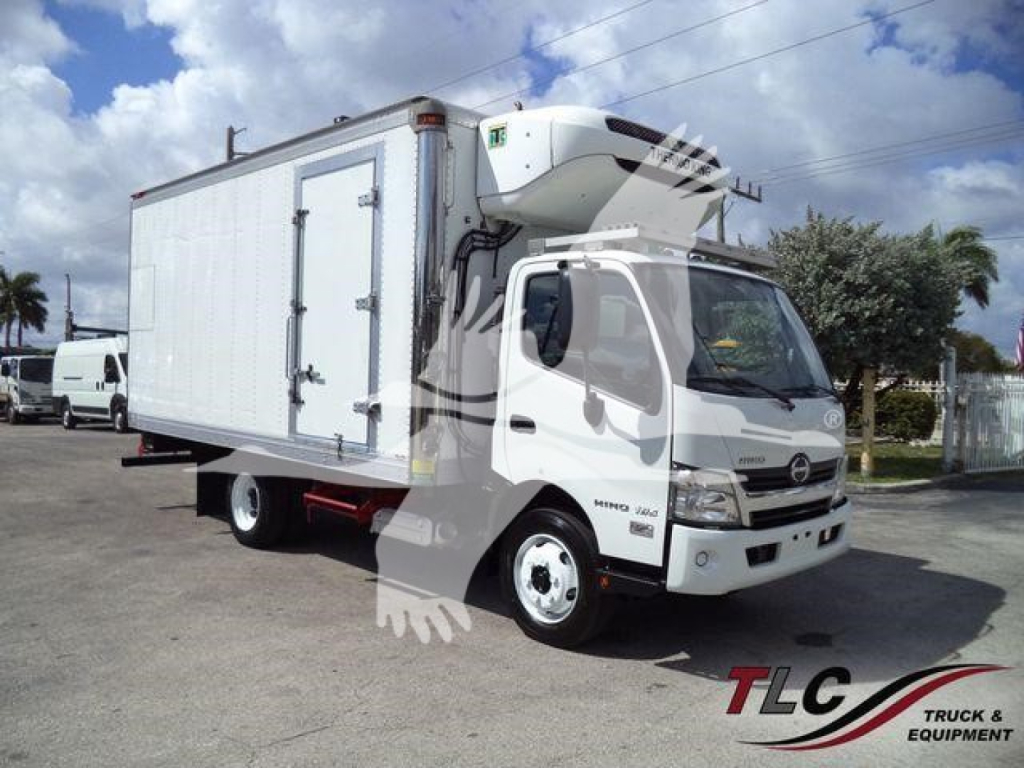
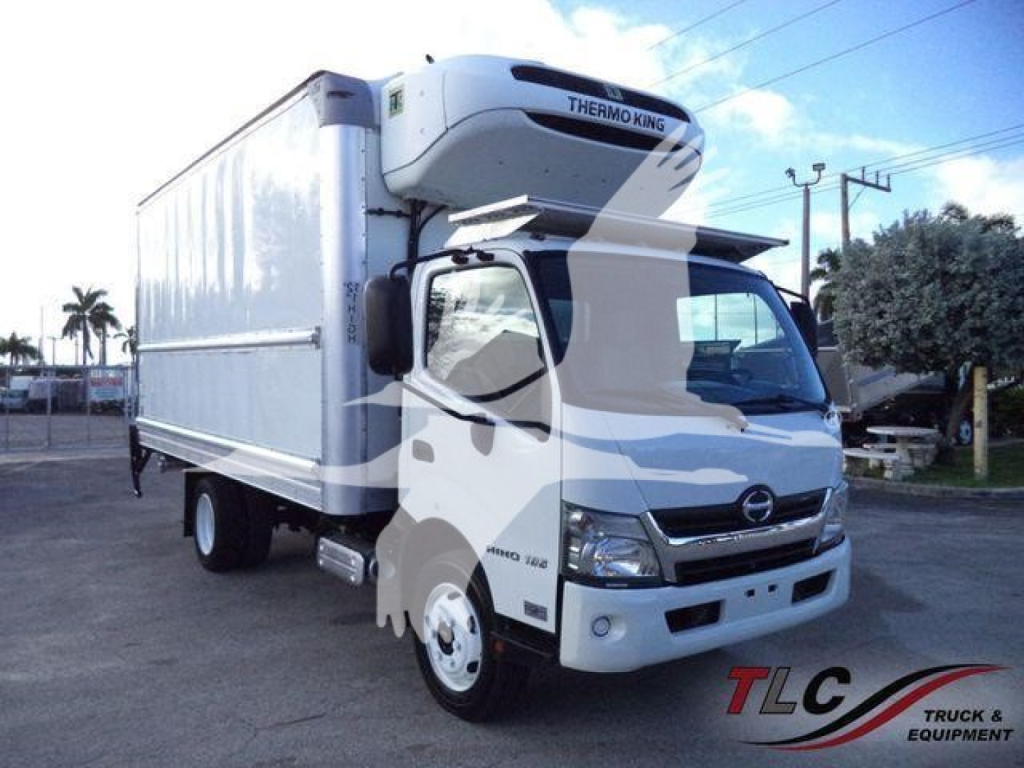
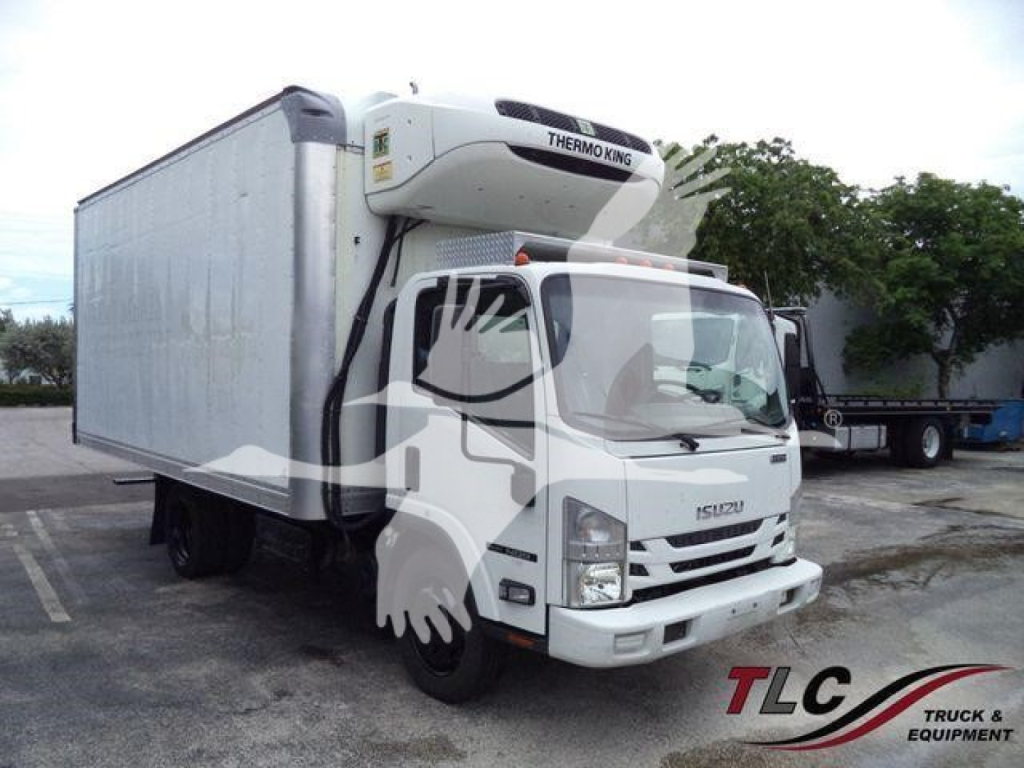
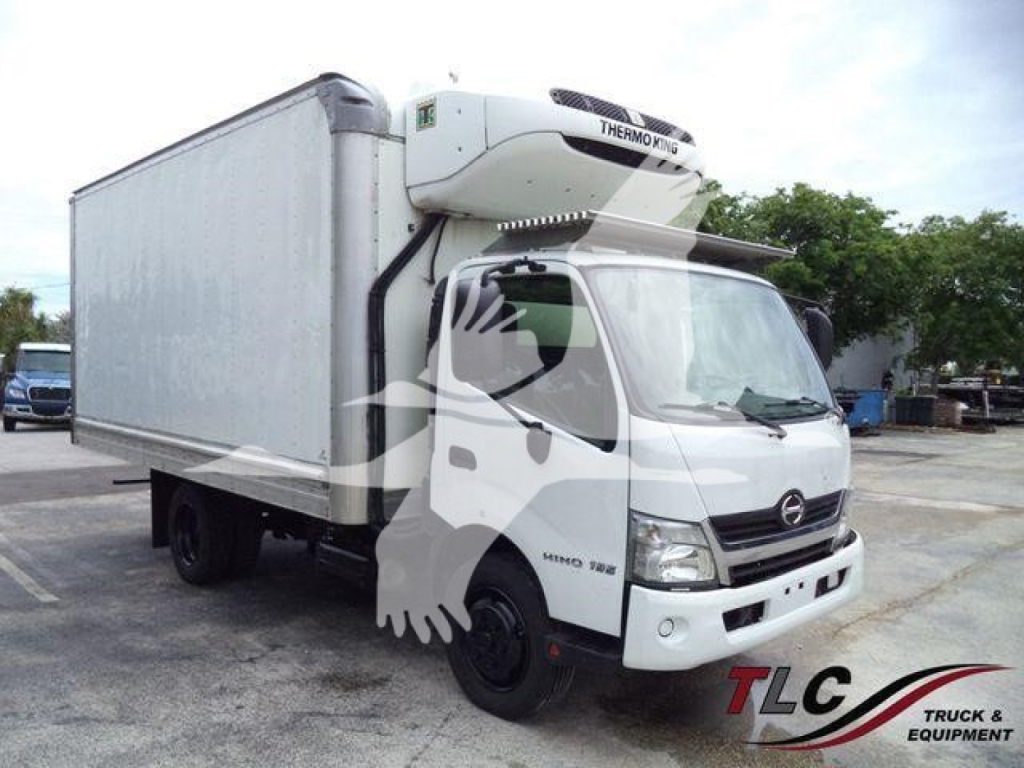
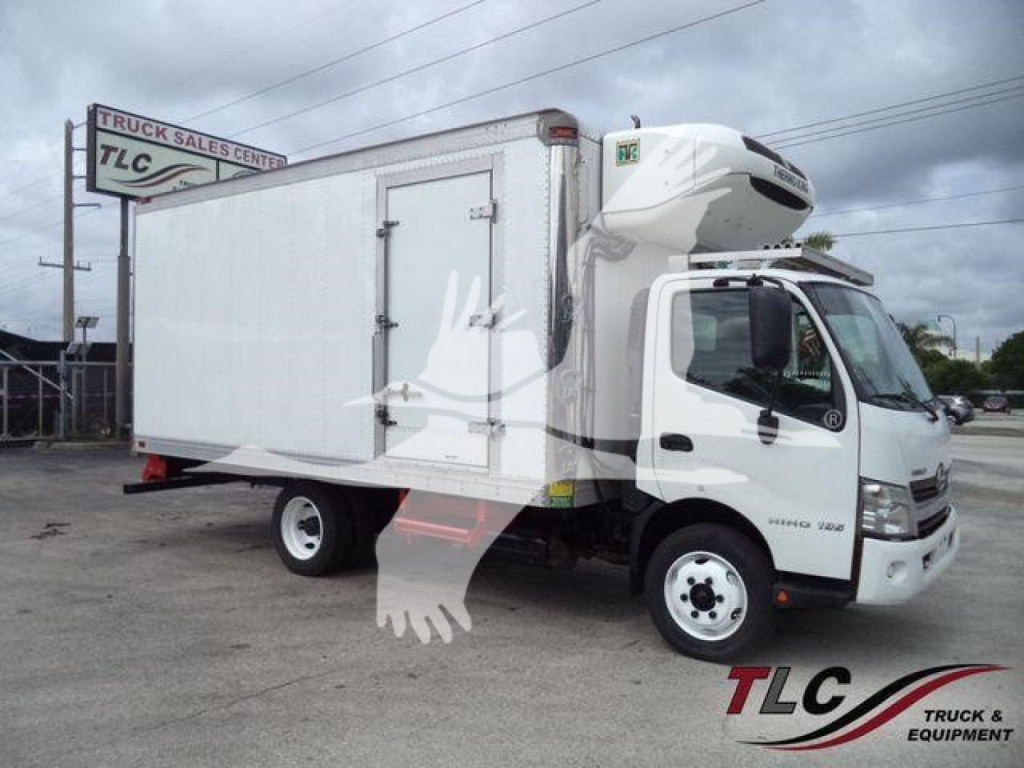
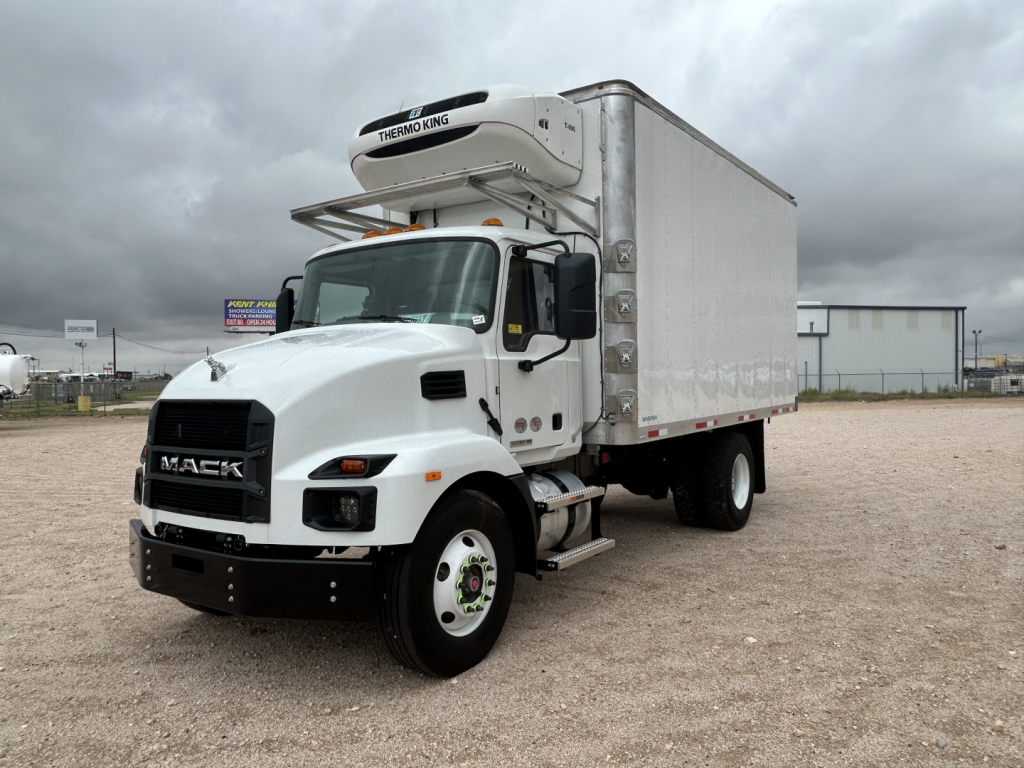
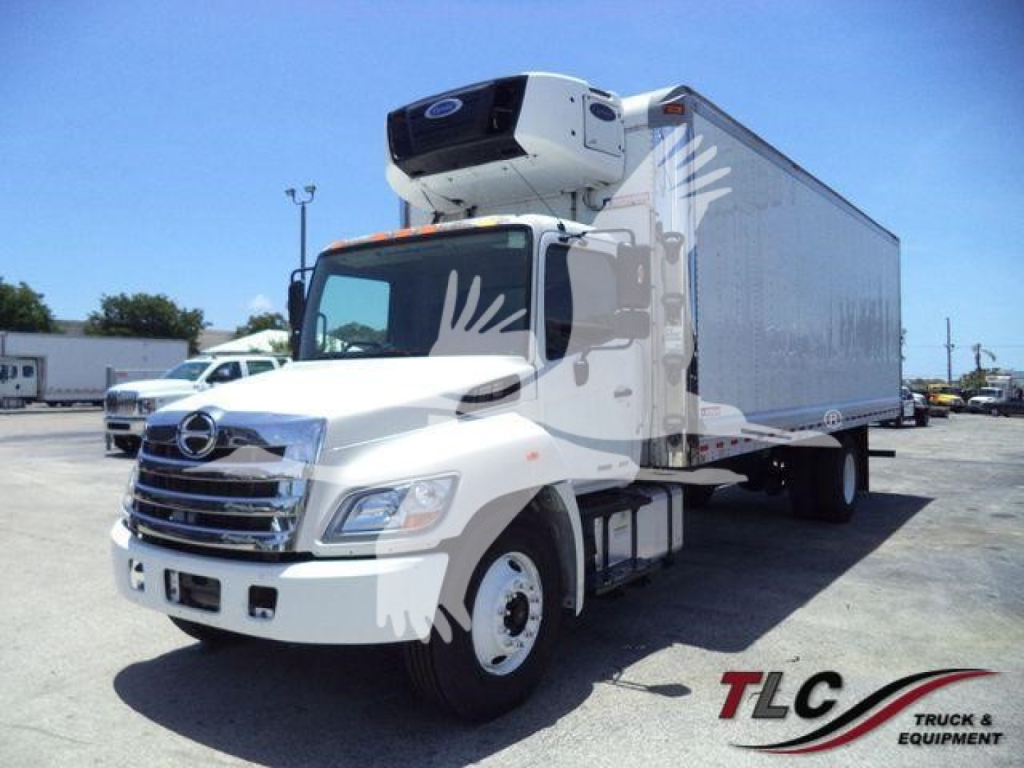
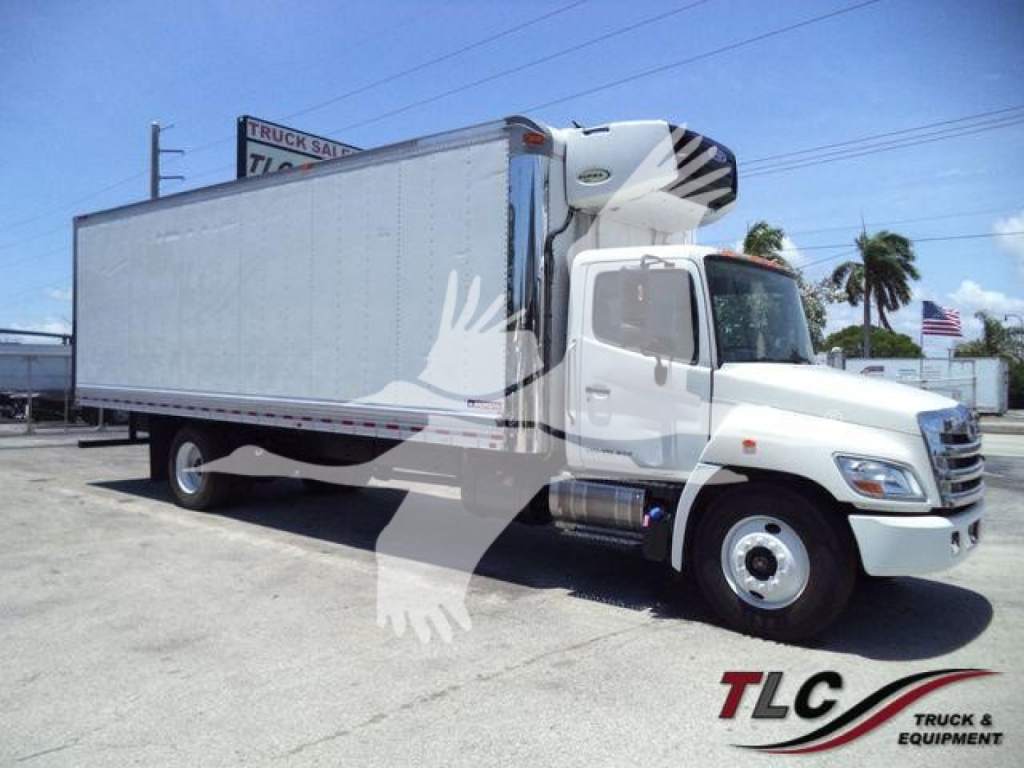
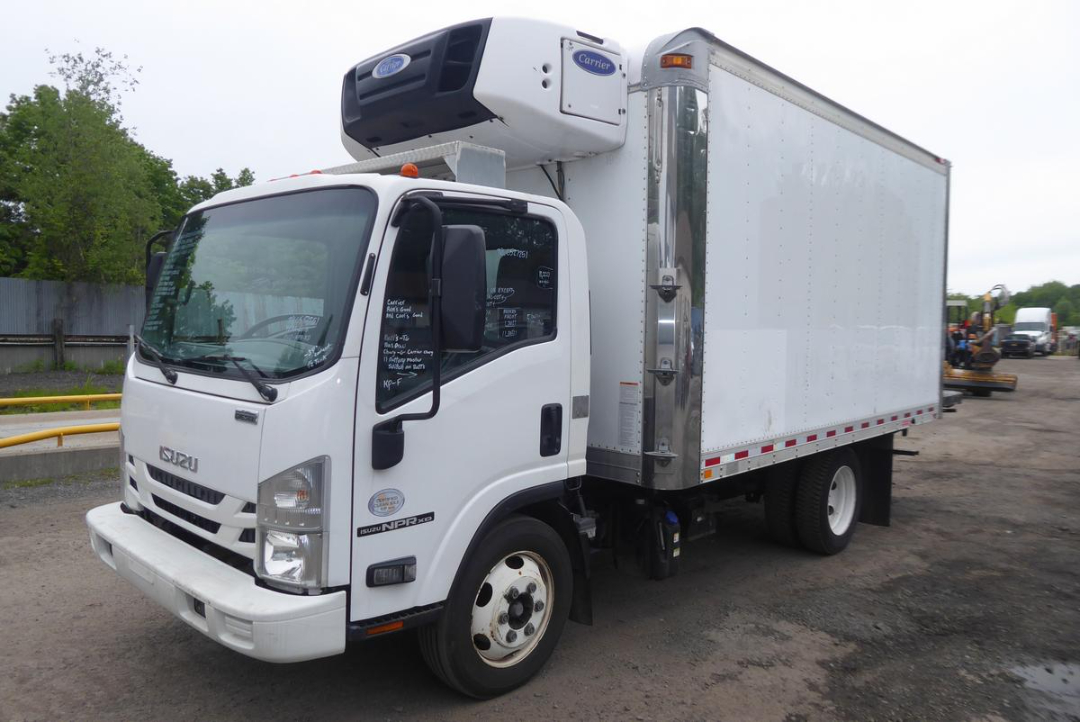
Showing 1 to 28 of 44 results
Selling a ford refrigerated truck? List your ford refrigerated truck for sale and reach thousands of commercial buyers.
Ford Refrigerated Trucks
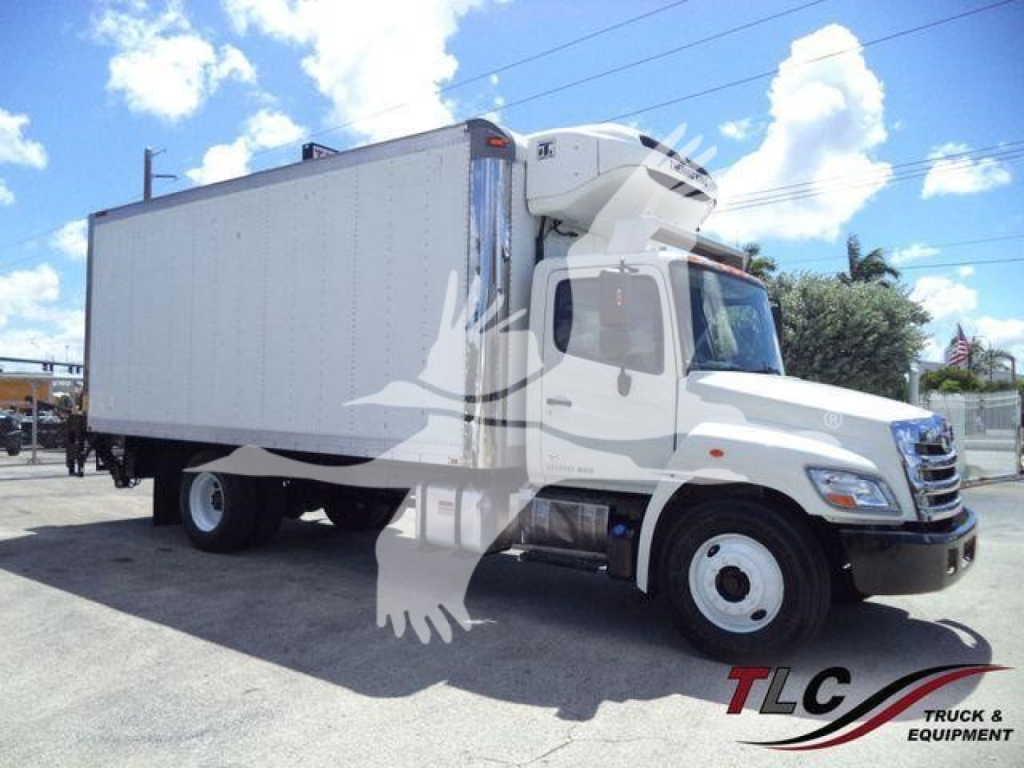
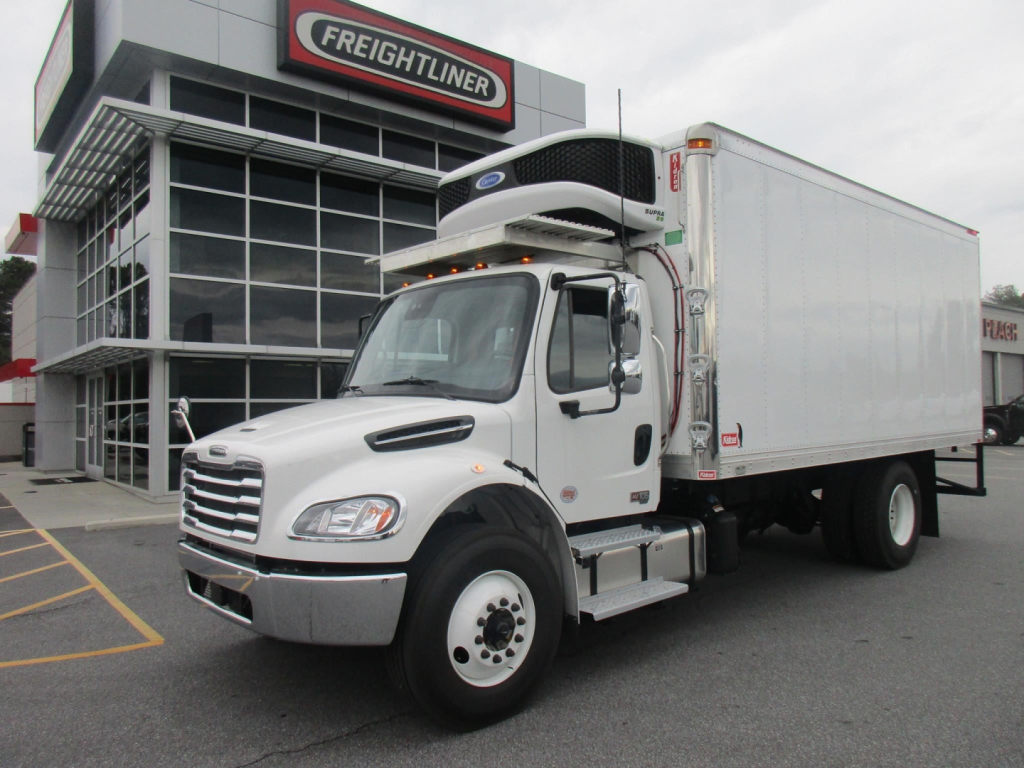
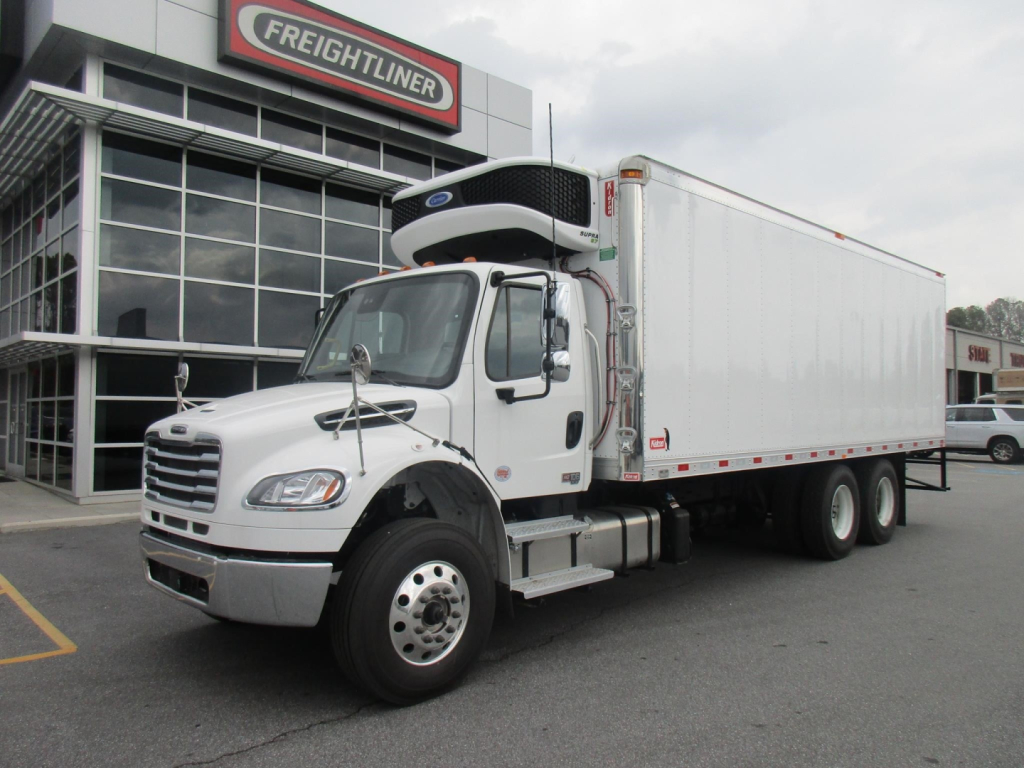
The reefer body matters as much as the chassis. Body length commonly falls in the 12 ft to 20 ft range, with 16 ft bodies being especially common on medium-duty Ford builds for city delivery and multi-stop routes. Buyers should look closely at insulation thickness, door seal condition, interior liner material, floor construction, and whether the truck has a curbside door, rear roll-up door, or swing doors. Scuff liners, ducted airflow, bulkheads, and liftgates can make a major difference depending on the product being hauled. A 2,000 lb to 3,000 lb liftgate is a frequent spec for route delivery, especially where palletized product is unloaded without a dock.
On the chassis side, Ford refrigerated trucks are typically selected for GVWR, payload, wheelbase, and powertrain compatibility with the body and reefer setup. The F-550 is a familiar platform because it can support a larger insulated box and liftgate without pushing the truck beyond its intended working range. Diesel engines are common in heavier applications, while gas-powered units may appear in lighter-duty urban service. Buyers should confirm reefer hour readings, engine idle hours, alternator capacity, battery condition, and any shore power or standby capability if the truck sits loaded overnight. For used units, pay attention to signs of water intrusion, insulation damage, floor soft spots, and corrosion around the evaporator, condenser mounts, and body seams.
A Ford reefer truck can be a practical fit for fleets that need a straightforward cab, predictable parts support, and a body size suited to tight delivery environments. The best unit for the job depends on temperature range, stop frequency, product density, and unloading method. If the route includes frozen product, frequent door openings, or hot climate operation, reefer capacity and insulation quality become more important than simple box size. Buyers comparing listings should evaluate the whole package: chassis condition, reefer service history, body integrity, and delivery equipment such as liftgates or hand-truck ramps.
Frequently Asked Questions about Ford Refrigerated Trucks
What Ford models are most common in refrigerated truck applications?
Ford refrigerated trucks are most often built on F-Series chassis cab platforms such as the F-350, F-450, and F-550. The F-550 is especially common because it offers enough GVWR and chassis strength for a larger insulated body, refrigeration unit, and liftgate while still remaining manageable for city and suburban delivery work. Model choice depends on body length, payload, and how demanding the delivery route will be.
What should I inspect first on a used Ford refrigerated truck?
Start with the refrigeration system, insulated body, and floor condition before focusing only on the cab and engine. Check reefer hours, operating temperature pull-down, door seals, evaporator and condenser condition, and evidence of recent service. Then inspect for water intrusion, delamination, soft floors, damaged insulation, rust at body seams, and liftgate operation. A truck with a sound chassis but a failing reefer body can become expensive very quickly.
How important is liftgate capacity on a refrigerated truck?
Liftgate capacity is important if the truck will handle palletized freight, heavy product, or deliveries without dock access. Many refrigerated route trucks are equipped with liftgates in the 2,000 lb to 3,000 lb range, which is sufficient for many foodservice and grocery applications. The correct rating depends on load weight, pallet size, and how often the gate will be cycled each day. A mismatched liftgate can slow deliveries and create unnecessary wear.
Are Ford refrigerated trucks better for local delivery or longer regional runs?
Most Ford refrigerated truck configurations in this class are best suited for local and regional delivery rather than long over-the-road use. Their strength is in multi-stop routes, urban maneuverability, and medium-duty payloads with an insulated box body. For buyers running shorter lanes with frequent loading and unloading, a Ford chassis can be an efficient platform. Suitability for longer runs depends on cab comfort, fuel range, reefer fuel capacity, and the overall body spec.
What reefer features matter most for temperature-sensitive freight?
The most important reefer features depend on the product, but buyers should pay close attention to temperature range, recovery speed after door openings, airflow design, and standby capability. Frozen freight usually demands stronger cooling performance and tighter insulation than chilled product. Bulkheads can help separate temperature zones, and ducted airflow can improve consistency from front to rear. For operations that load at night or stage product before departure, electric standby can be a valuable feature.