
2016 Refrigerated Trucks For Sale
Shop 2016 refrigerated trucks with insulated bodies, diesel power, automatic transmissions, reefer units, liftgates, and delivery-ready specs.
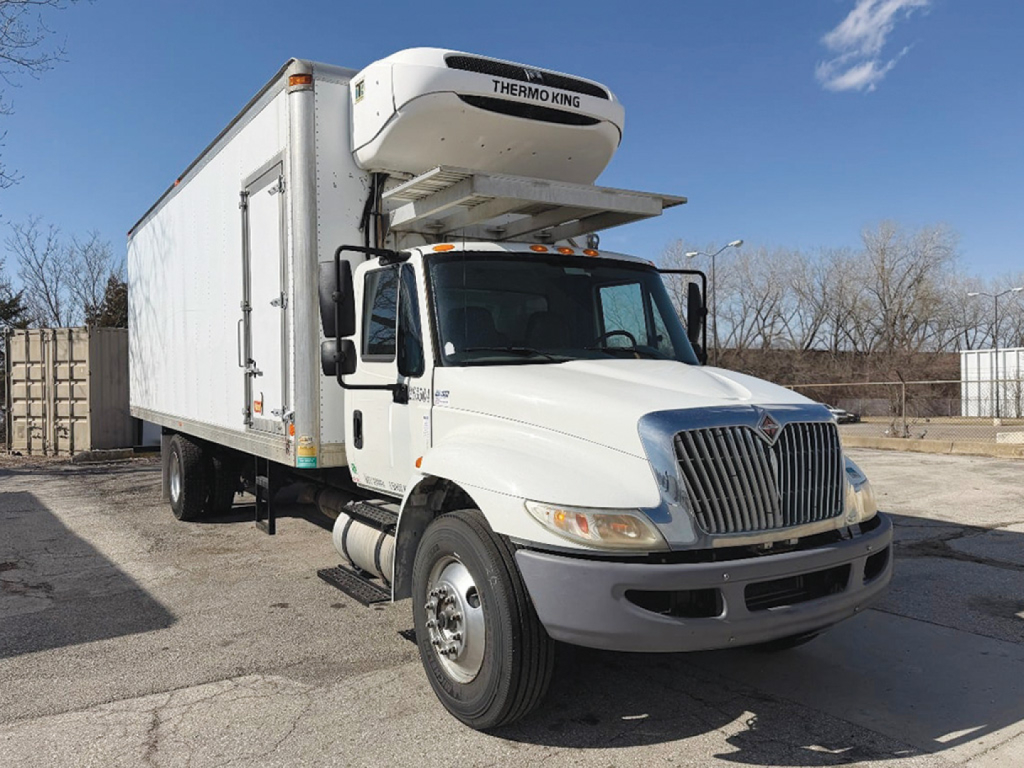
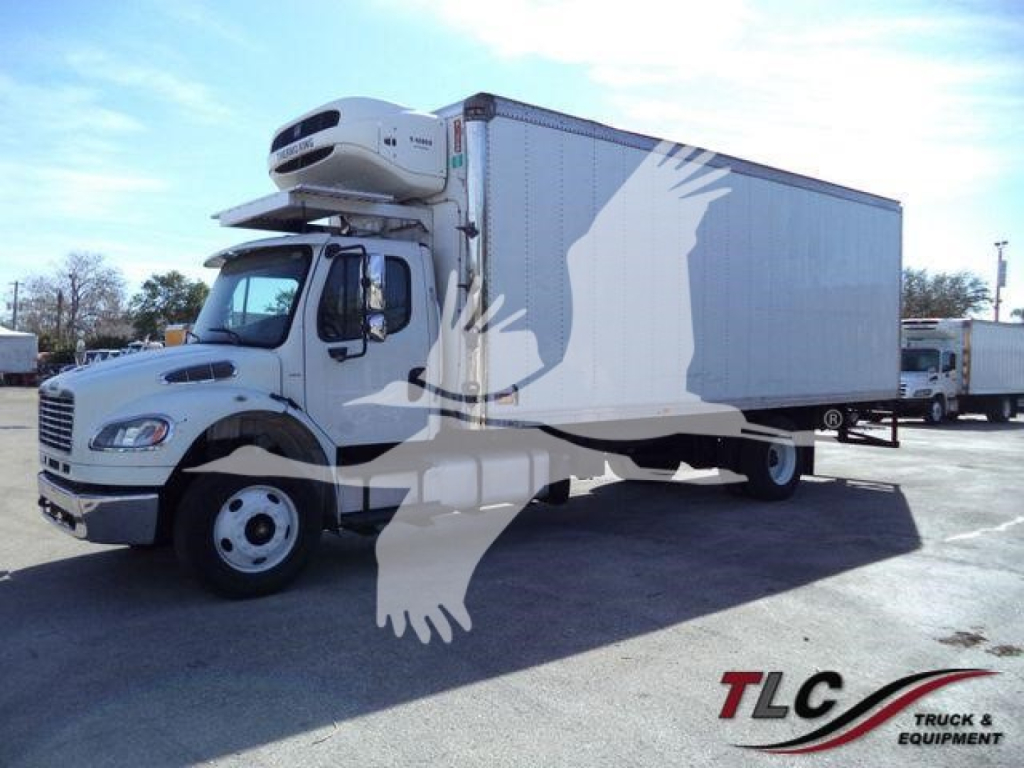
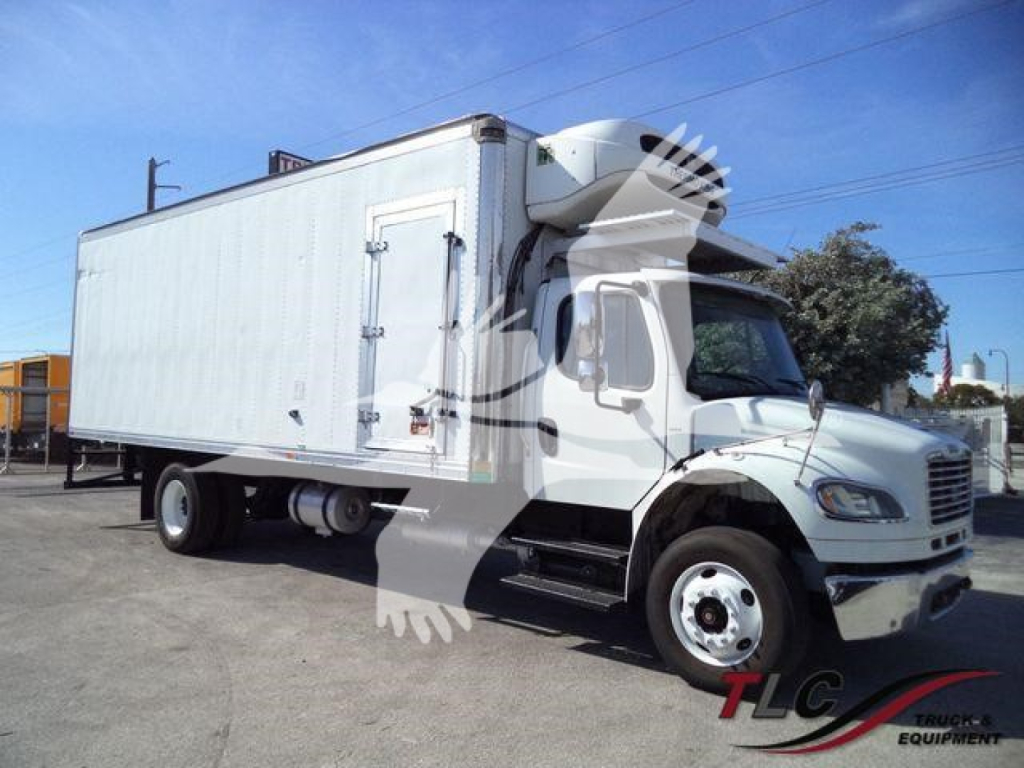
Selling a 2016 refrigerated truck? List your 2016 refrigerated truck for sale and reach thousands of commercial buyers.
2016 Refrigerated Trucks
Frequently Asked Questions about 2016 Refrigerated Trucks
What should I look at first on a 2016 refrigerated truck?
Start with the refrigeration unit and the box, not just the chassis miles. Confirm the reefer make and model, engine hours, temperature pull-down performance, and service history. Inspect the insulated body for moisture intrusion, delamination, damaged panels, floor wear, torn door seals, and signs of previous repairs. A clean box with solid insulation, a flat floor, intact scuff liners, and properly sealing rear and side doors is critical because poor body condition can hurt temperature control even if the reefer itself runs well.
What reefer units are common on 2016 refrigerated trucks?
Carrier Supra and Thermo King truck units are among the most common on 2016 refrigerated straight trucks. Unit size and output should match the body length, insulation package, door openings, and the product being hauled. Multi-stop delivery routes that involve frequent door cycling need stronger recovery performance than steady linehaul work. It is important to verify if the unit is diesel-powered or truck-driven, review maintenance records, and check for any recent compressor, evaporator, or controller work.
Are most 2016 refrigerated trucks CDL or non-CDL?
Many 2016 refrigerated straight trucks were built at 25,950 or 26,000 lb GVWR to stay under CDL requirements, but not all of them. Larger-spec trucks with heavier bodies, liftgates, and higher payload targets may be rated above that threshold. Buyers should confirm the actual GVWR on the door tag, then compare it to body length, reefer weight, liftgate capacity, and expected payload. A truck that is legal for non-CDL use may still run out of payload quickly if the body and refrigeration package are heavy.
What body features are most useful on a reefer truck?
The most useful body features depend on the route. Roll-up rear doors are common for dock work, while a curbside door helps with street deliveries and hand unloading. E-track is useful for load securement, scuff plates and scuff liners help protect interior walls, and an aluminum or laminated floor affects durability and cleaning. A tuck-under liftgate is valuable for stores and restaurants without docks, but it adds weight and rear complexity, so its capacity and operating condition should be checked closely.
How do I evaluate a used 2016 refrigerated truck for delivery service?
Look at the truck as a complete cold-chain package. Review chassis items like engine, transmission, brakes, suspension, tire size, and wheelbase, but also verify reefer hours, insulation integrity, and body usability. Test the refrigeration unit under load if possible, check how quickly it reaches setpoint, and inspect for fuel leaks, unusual noise, and controller faults. Delivery operations also benefit from practical details such as automatic transmissions, air brakes, good turning radius, stable idle performance, and a liftgate that cycles smoothly with no hydraulic issues.