
Commercial Trucks For Sale Near Redlands, California
Have commercial truck to sell? List it here to reach thousands of buyers.
Commercial Trucks Near Redlands, California
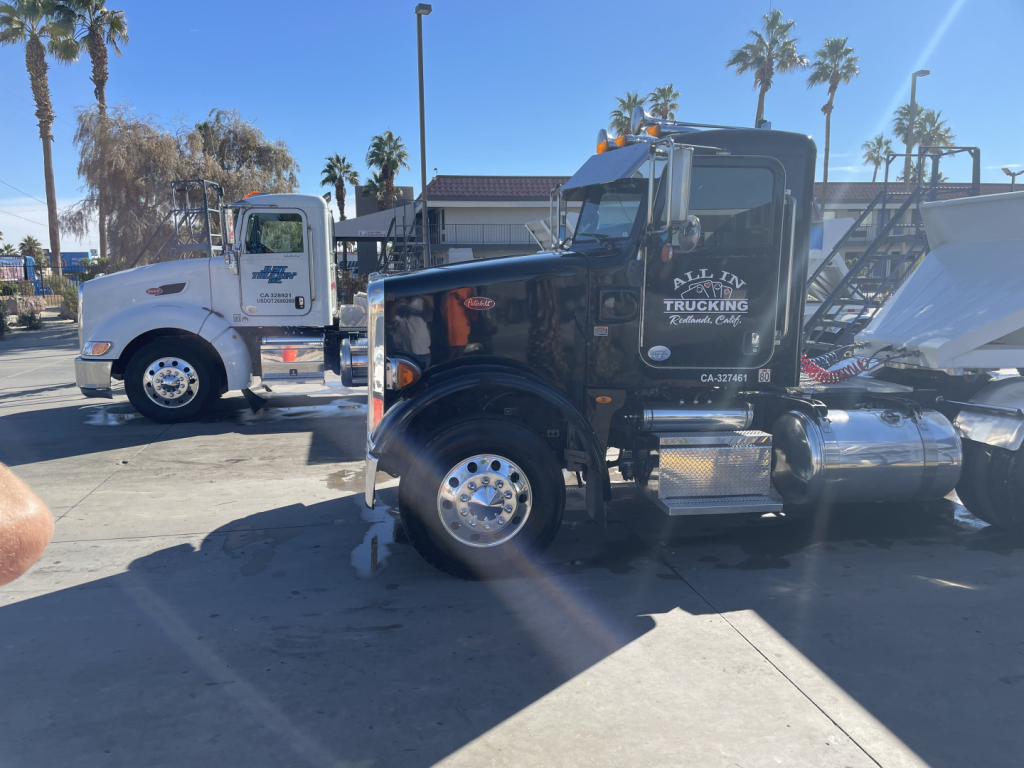
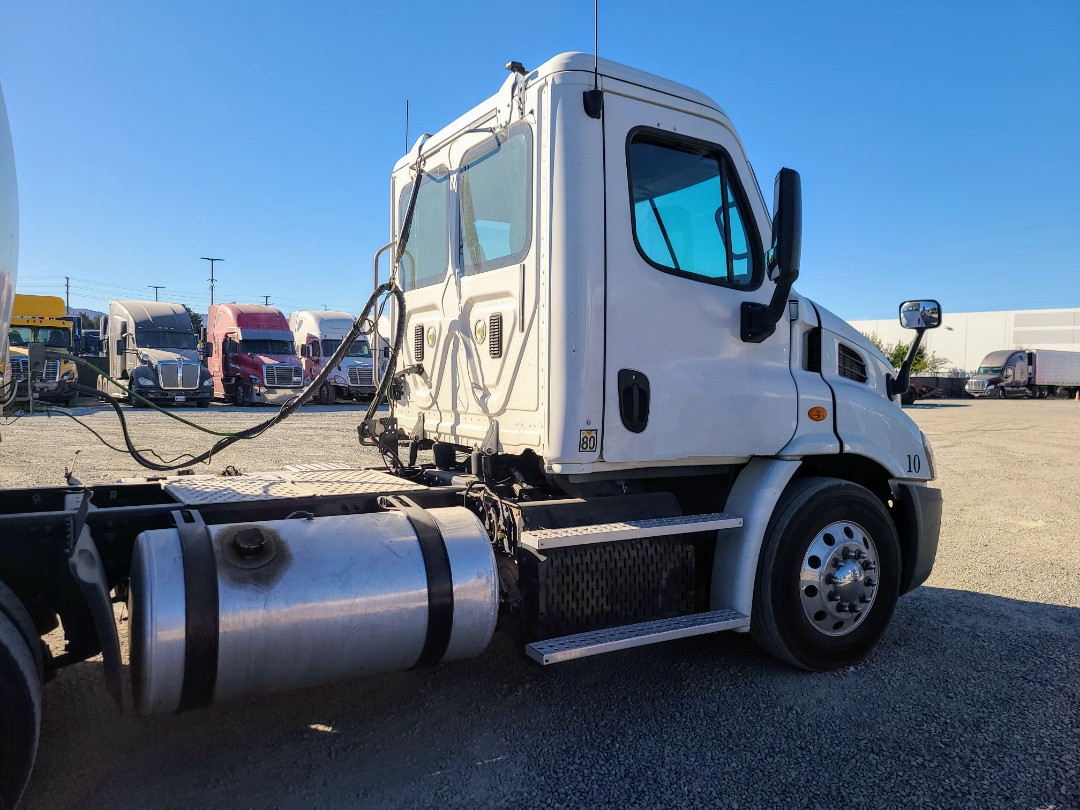
For general truck shopping, the core decisions come down to engine family, transmission type, axle rating, wheelbase, and intended payload. Common engines in this class include Cummins, Detroit, PACCAR, and Volvo platforms, with power ratings often ranging from the low 300s into the 500 hp range depending on use. A day cab used for local freight, construction support, transfer work, or port-related service may prioritize a shorter wheelbase, lighter tare weight, and easier in-and-out access. A highway tractor may lean toward higher torque, taller gearing, and fuel capacity that supports longer intervals between stops. Buyers should also verify rear axle ratio, suspension type, brake configuration, PTO compatibility if needed, and front axle capacity for heavier vocational assignments.
Condition matters as much as spec. On used trucks, maintenance history, rebuild documentation, aftertreatment status, clutch life, tire wear, and signs of frame or suspension stress are often better indicators of value than odometer reading alone. In California, it is especially important to confirm current emissions status and understand any engine or aftertreatment repairs already completed. Check for active fault codes, DPF and SCR service history, coolant and oil analysis records if available, and signs of uneven wear that could point to alignment or loading issues. Cab condition, visibility, seat wear, switchgear function, and HVAC performance also affect daily productivity more than many buyers expect.
This category covers a broad range of trucks, also known in some cases as semi trucks, road tractors, or commercial trucks, depending on configuration and use. Some are built for freight lanes and distribution work, while others are better suited to dump, equipment hauling, municipal, or vocational service. The right truck is the one whose drivetrain, chassis, and cab layout match the work cycle without adding unnecessary complexity or operating cost. A careful comparison of engine spec, transmission, axle setup, emissions equipment, and service history will usually tell you more than paint, chrome, or badge preference.
Frequently Asked Questions about Commercial Trucks Near Redlands, California
What type of truck is best for local work in Redlands, CA?
For local and regional work, a conventional day cab is often the most practical choice because it offers better maneuverability, lower empty weight, and easier access in city traffic, yards, and customer locations. Buyers running construction support, transfer, distribution, or short-haul freight usually look for a shorter wheelbase, durable suspension, and an engine and transmission combination that balances low-speed drivability with fuel economy. In Southern California, emissions compliance and cooling system condition should be part of the decision from the start.
What specs matter most when comparing used trucks?
The most important used truck specs are engine make and horsepower, transmission type, rear axle ratio, axle ratings, suspension, wheelbase, and fuel capacity. Those specs determine how well the truck fits the job, from stop-and-go local work to sustained highway miles. Buyers should also review aftertreatment components, brake type, tire condition, and PTO capability if a hydraulic or vocational body is involved. A truck with the right drivetrain for the route will usually outperform a more powerful truck that is poorly matched to the application.
Is a manual or automated transmission better in this truck class?
A manual transmission can still be a strong choice for buyers who want lower acquisition cost, direct driver control, and familiarity in vocational or mixed-use applications. An automated manual transmission can reduce driver fatigue, improve shift consistency, and help with fuel economy in fleet-style linehaul or regional service. The better option depends on driver preference, terrain, maintenance support, and duty cycle. On any used truck, shift quality, clutch condition, software updates, and service history are more important than transmission type alone.
Why is California emissions status so important on a used truck?
California emissions requirements can directly affect where and how a truck can operate, along with the cost of bringing a unit into compliance. Buyers should verify engine family details, aftertreatment condition, and any history involving the DPF, SCR, EGR system, sensors, and DEF-related repairs. A truck with unresolved emissions faults can create downtime, derates, and unexpected repair bills. In this market, compliance status is not a minor detail. It is a core part of the truck’s operating value.
How do I know if a truck is set up correctly for my application?
Start with the load, route, and trailer or body type the truck will handle most often. Then match the drivetrain and chassis to that duty cycle by looking at horsepower, torque, axle ratio, wheelbase, suspension, and fuel capacity. A local day cab moving frequent short loads needs a very different setup than a highway tractor covering long miles with higher average speeds. The best fit usually comes from balancing durability, payload, maneuverability, and maintenance cost rather than simply choosing the newest or highest-horsepower truck.