
Pro-Tote Trucks For Sale
Compare Pro-Tote trucks with front-mounted towing systems for tractor recovery and transport. Review capacities, chassis specs, power options, and uses.
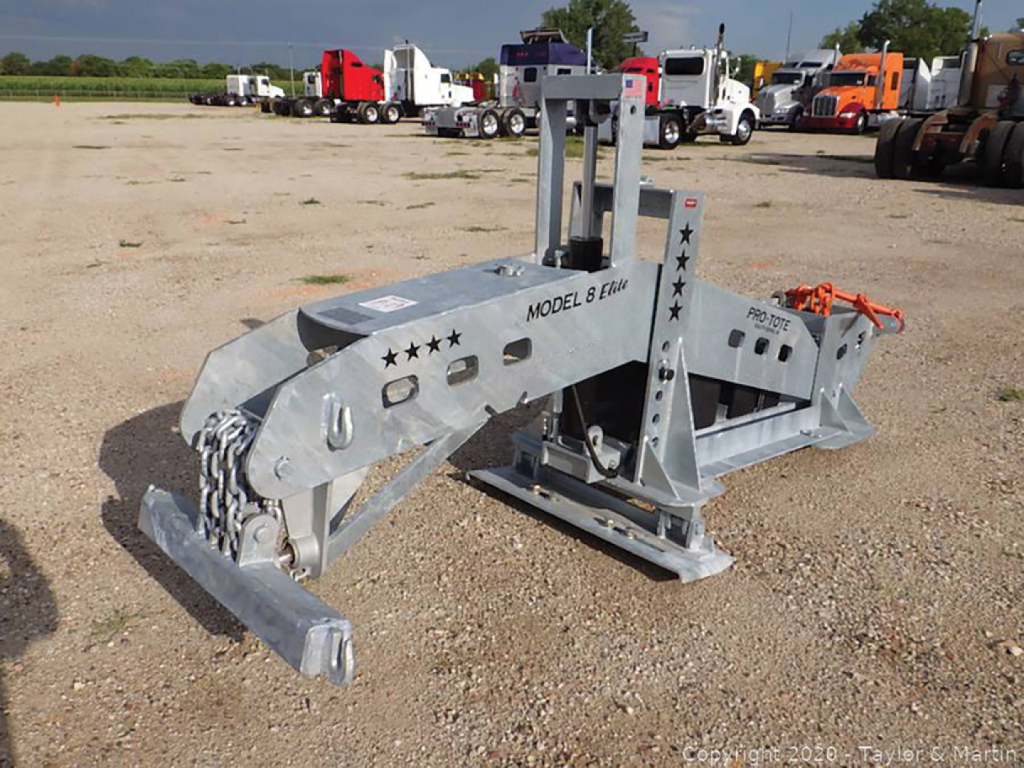
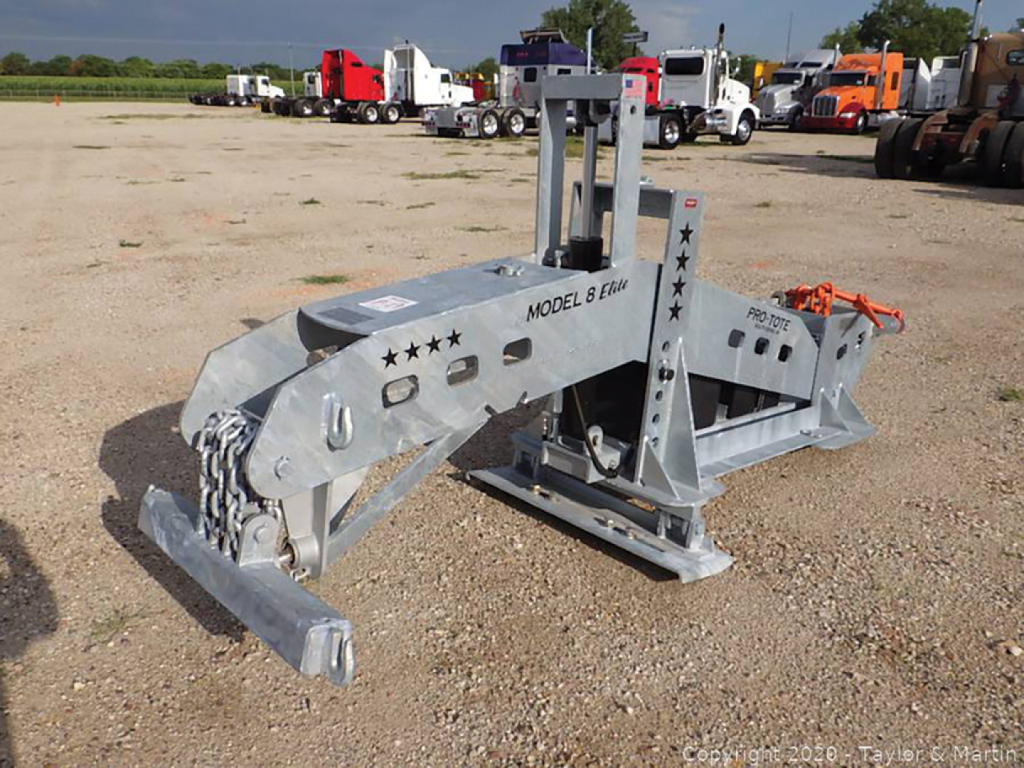
Selling a pro-tote truck? List your pro-tote truck for sale and reach thousands of commercial buyers.
Pro-Tote Trucks
Chassis selection matters more than badge color. Look for a steer axle and suspension spec that can carry the added front weight of the Pro-Tote plus the lifted axle load, often 13.2k to 14.6k or higher. Tandem rears at 40k to 46k with a double-frame or insert and heavy front spring packs improve stability. A PTO-driven wet kit is common for hydraulic power, though some installations use a self-contained electric or engine-driven power pack. A short to moderate wheelbase improves maneuverability during hook-ups, and an air dump on the tractor’s suspension helps set ride height when loading the towed unit.
Compared to a dedicated heavy wrecker, a Pro-Tote truck is lighter, costs less to operate, and is quick to deploy for dealer transfers, auction pickups, fleet breakdowns, and yard-to-shop moves. It is not designed for rollovers or off-road recoveries and typically has limited or no winching capability unless spec’d with an auxiliary winch. Operators should plan around speed and distance limits, watch axle weights, and understand that driveline removals, ride height adjustments, and brake-air management on the towed unit are part of the job.
When evaluating listings, review the exact Pro-Tote model, lift and reach specs, included forks or wheel grids, crossbar width, and any dollies or auxiliary hitch options. Verify the mounting kit is engineered for the specific chassis, that welds and bolts show no distortion or cracking, and that cylinders, hoses, and control valves are dry and cycle smoothly. Check for air and electrical pass-throughs with gladhand extensions, a 7-way pigtail for lights, safety chains, tow bar, and a wireless or cab-mounted controller. Well-documented installation records and operator training are strong indicators of a safe, productive Pro-Tote setup.
Frequently Asked Questions about Pro-Tote Trucks
What is a Pro-Tote truck and how does it work?
It is a highway tractor equipped with a front-mounted Pro-Tote towing system that lifts the steer axle of a disabled truck using a hydraulic stinger and wheel grids or L-arms. The load is supported at the front of the towing tractor, allowing the disabled vehicle to roll on its drive axles for short to medium distance transport.
What chassis specs are recommended for a Pro-Tote installation?
A heavy front axle rating, robust frame rails with inserts or double-frame, and 40k to 46k tandem rears are typical. A PTO-driven wet kit or approved power pack for hydraulics, an air suspension dump, and a wheelbase that balances stability with maneuverability are all desirable. The key is matching the Pro-Tote lift rating to the tractor’s GAWR and frame capacity so front axle and gross weights remain legal.
How much can a Pro-Tote truck lift and tow?
Common Pro-Tote systems list lift capacities in the 20,000 to 50,000 pound range, with higher rolling tow ratings when the towed unit’s drive axles are on the ground. Actual safe capacity depends on the specific model, stinger extension, equipment used to grab the axle, and the towing tractor’s axle and frame ratings. Always confirm the system’s charted ratings and observe legal axle weights.
Do I need a wet kit to run the Pro-Tote hydraulics?
Most are powered by a PTO-driven wet kit because it provides reliable flow and duty cycle. Some trucks use a self-contained electric or engine-driven hydraulic power pack. When reviewing a unit, confirm flow and pressure specs match the Pro-Tote requirements and inspect hoses, fittings, and valves for leaks. Verify that control stations and any wireless remotes function correctly.
What are the operating and legal considerations when towing with a Pro-Tote?
Plan for conservative speeds, manage axle weights, and comply with state rules on towing disabled vehicles and overall length. Ensure the towed vehicle’s brakes are functional, air lines are properly connected or brakes caged as required, and driveline components are removed if needed to protect transmissions and differentials. Proper lighting, safety chains, and operator training are essential for safe, compliant moves.