
Trucks For Sale Near Pomona, New York
Browse trucks for sale in Pomona, New York, including dump, utility, tow, and medium-duty work trucks built for municipal and commercial use.
Learn more
Showing 13 to 14 of 14 results
Have truck to sell? List it here to reach thousands of buyers.
About Trucks Near Pomona, New York
In this part of New York, buyers should pay close attention to rust, winter equipment history, and underbody condition. Trucks that have carried plows, spreaders, or sanders can be valuable for snow and ice work, but they also deserve a closer look at frame rails, crossmembers, hoists, hydraulic lines, spring hangers, brake components, and cab mounts. Corrosion around the dump subframe, utility body floors, and wheel-lift structure can tell you a lot about long-term durability. If the truck has been used by a municipality or public works department, verify idle hours, PTO engagement, maintenance records, and any evidence of seasonal operation that may not show in mileage alone.
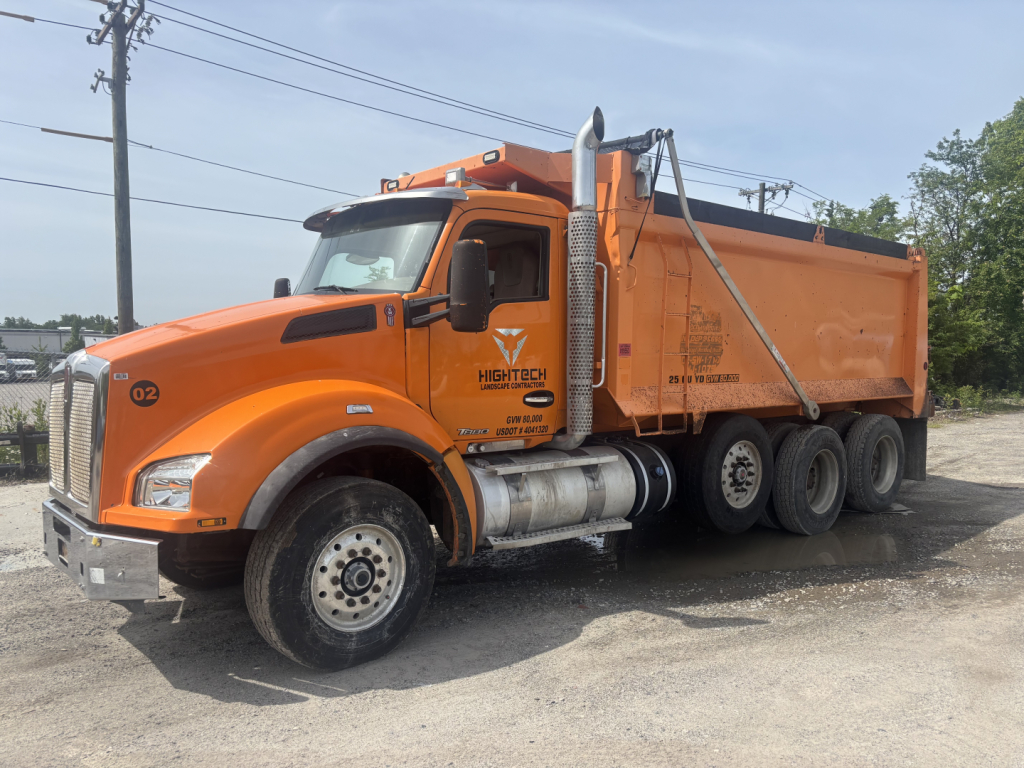
Specs vary widely across this category, from Class 3 and Class 4 chassis like Ford F-350 and F-450 models up to heavier tandem or tri-axle vocational trucks such as a Kenworth T880. Common powertrains include gas V8 engines in lighter service trucks and medium or heavy-duty diesel engines in dump and towing applications. Buyers should match GVWR, axle configuration, wheelbase, transmission type, and brake setup to the intended load. For dump work, look at body material, hoist type, side height, tailgate arrangement, and whether the truck has an engine brake, double frame, or lift axle. For utility trucks, focus on compartment layout, payload, generator or compressor provisions, and whether the body design supports your technicians' daily tools and parts.
A good truck purchase in this category comes down to usable spec, not just age or appearance. Check how the truck is equipped for local and regional work, including CDL requirements, bridge-law considerations, turning radius, and jobsite access. Review tire size, suspension type, PTO function, hydraulic performance, and title status. On vocational trucks, the body and upfit are often as important as the chassis itself. A well-matched work truck can stay productive for years, while a poor body or axle spec can limit payload, licensing options, and resale value.
Frequently Asked Questions
What types of trucks are commonly found in the Pomona, New York market?
The local market often includes dump trucks, service and utility trucks, tow trucks, and other medium-duty or vocational work trucks. Many are configured for municipal, contractor, towing, landscaping, maintenance, or snow removal use. That means buyers should expect a mix of chassis sizes, body styles, PTO-driven equipment, and seasonal upfits such as plows or spreaders.
What should I inspect first on a used dump truck?
Start with the frame, hoist, body, and hydraulic system. Check for rust on the frame rails, crossmembers, hinge points, and underbody, especially in trucks that have handled salt or winter road work. Inspect the dump box floor, tailgate function, cylinder seals, PTO engagement, and signs of cracking around body mounts. Payload capacity, axle rating, and body material also matter because they directly affect how the truck performs in aggregate, asphalt, and demolition work.
Are ex-municipal trucks a good buy?
They can be, especially when maintenance has been consistent and the truck has the right vocational spec. Many municipal trucks receive regular service, but buyers should also account for extended idling, seasonal plow or spreader use, and corrosion exposure from road salt. Mileage alone does not tell the full story. Engine hours, PTO hours, maintenance records, and undercarriage condition are often more useful than odometer readings by themselves.
How do I choose between a gas and diesel work truck?
Gas engines are common in lighter-duty service and utility trucks where lower acquisition cost, simpler emissions systems, and shorter local routes are priorities. Diesel engines are more common in dump trucks, tow trucks, and heavier chassis where torque, payload, and longer service life under load are important. The right choice depends on gross vehicle weight, annual miles, idle time, payload, and the type of equipment the truck needs to power.
Why do axle configuration and GVWR matter so much on vocational trucks?
Axle setup and GVWR affect payload, licensing, maneuverability, and legal operating limits. A single rear axle truck may be easier to run in tighter areas and can avoid some of the complexity of heavier configurations, while tandem or tri-axle trucks are better suited for higher legal payloads and heavier body applications. Buyers should also consider lift axles, bridge-law compliance, and whether the truck's rated capacity matches the work it will actually perform.