
Used Pickup 4wd Trucks For Sale
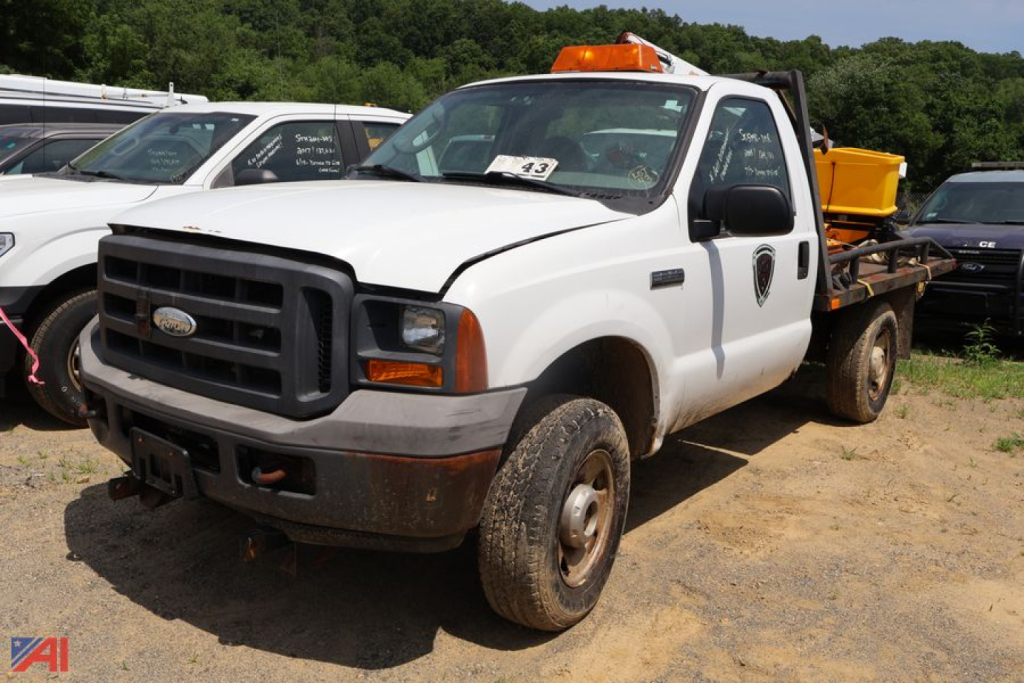
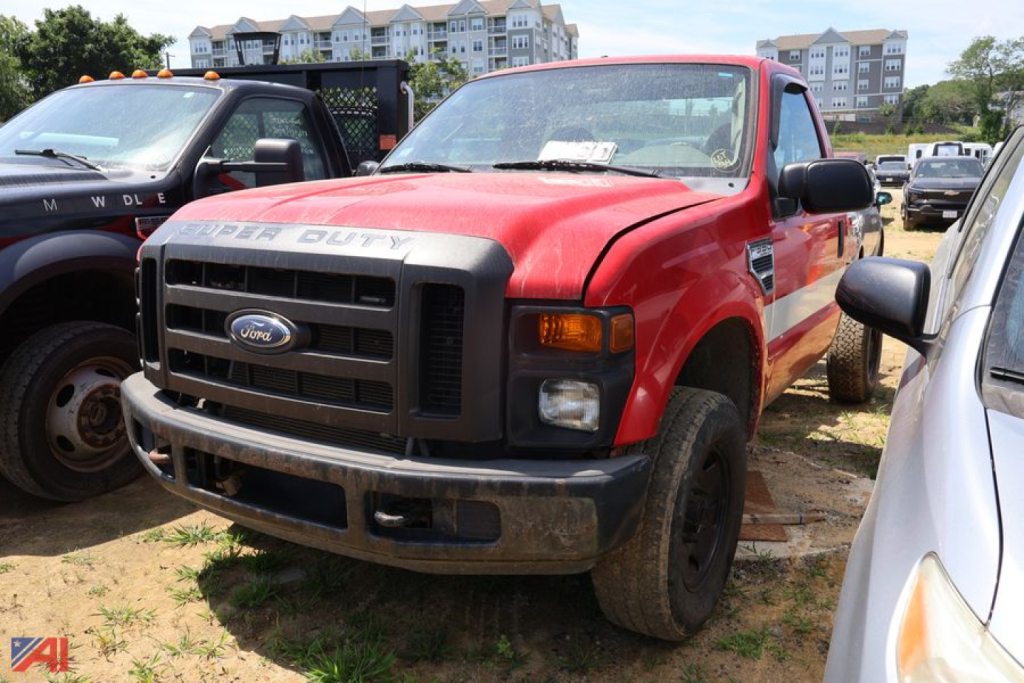
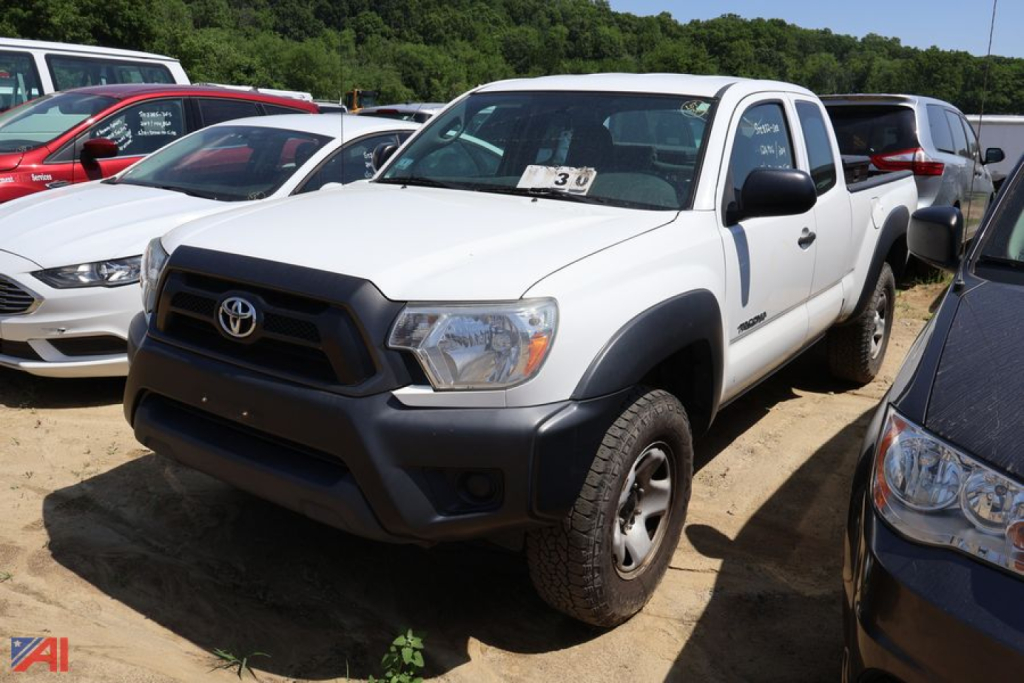
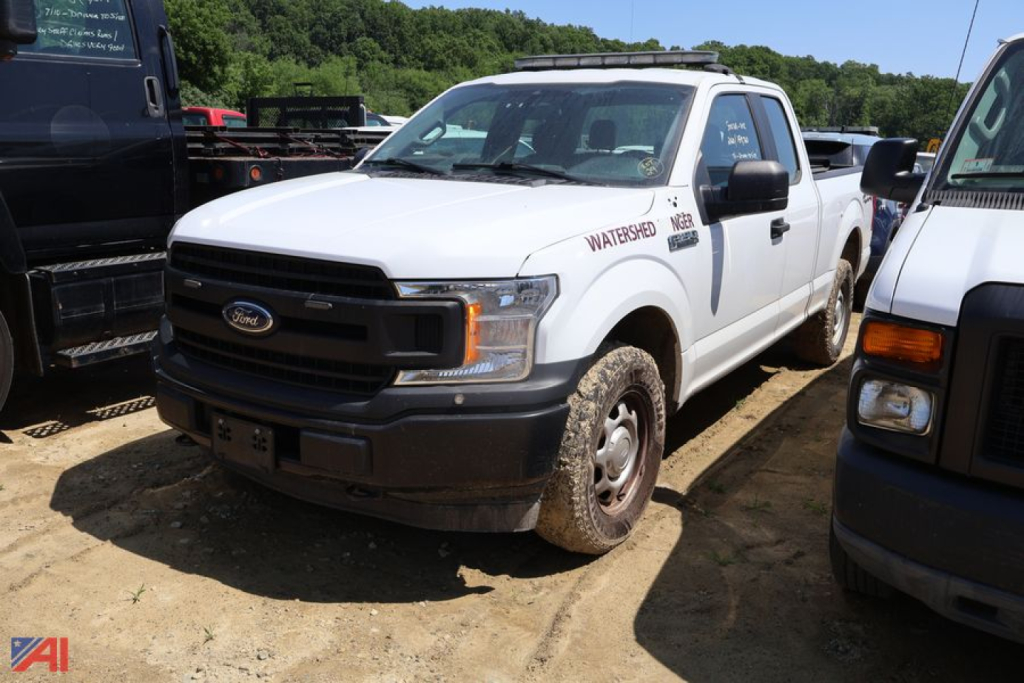

Showing 25 to 38 of 38 results
Have used pickup 4wd truck to sell? List it here to reach thousands of buyers.
Used Pickup 4wd Trucks
Bed and frame strength set the ceiling for real world utility. Examine the bed floor gauge, cross sill spacing, and tie down ratings, and note any gooseneck or fifth wheel reinforcement plates. A spray in liner adds abrasion resistance and grip, a drop in liner protects from point loads but can trap moisture, a thick rubber mat spreads forklift or pallet jack loads. Inspect the tailgate cables and hinges, bed caps, and scuff protection along the wheel wells. If loading with a forklift, use dunnage to spread point loads, watch for oil canning or rippling that indicates previous overload. Confirm hitch class, receiver condition, and presence of an integrated brake controller.
Thermal integrity under load keeps a 4x4 reliable in heat, cold, and altitude. Heavy tow packages add higher capacity radiators, transmission coolers, larger charge air coolers, and higher output alternators. Diesels offer strong low rpm torque and exhaust brakes that manage downhill heat, they also add emissions hardware that likes clean fuel, proper regen, and regular service. Gas engines warm quickly in short trip duty, they tolerate light plow work and stop and go routes well. Watch transmission temperature behavior on a road test, verify the cooling fan clutch engagement, and ensure the HVAC defrost and cab heat keep glass clear for winter routes.
Tare weight has a direct effect on payload and axle margin. Four wheel drive adds 150 to 300 pounds over 2WD, crew cabs, long beds, diesel engines, tool boxes, ladders, and plows add more. Read the door jamb payload sticker, compare to your expected upfit and cargo, and keep axle GAWR and tire load index in balance. For corrosion resistance, favor e coated frames, aluminum or composite beds, and complete inner fender liners, then inspect fasteners, brake lines, spring perches, and cab mounts for scale or flaking. Salt belt trucks benefit from oil based undercoating, look for consistent application and clean drain paths. Aluminum panels resist rust but can pit from galvanic contact, check for bubbling at edges and around badges. A careful look at chassis paint, bed crossmembers, and body seams will reveal how a used 4x4 will hold up over the long term.
Frequently Asked Questions about Used Pickup 4wd Trucks
What should I check in the 4WD system on a used pickup before buying?
Verify that 4HI and 4LO engage and disengage smoothly, and that the indicator lights match the transfer case position. On a test drive, turn tightly on low traction to feel for binding that would suggest incorrect tire sizes or axle issues. Inspect front axle u joints or CVs, vacuum or electric hub actuators, and transfer case for leaks. Scan for stored drivetrain codes, and check the owner settings for automatic 4x4 modes where equipped.
How does tare weight affect payload and towing on a 4x4 pickup?
Tare weight, the curb weight as configured, subtracts directly from GVWR to determine payload. Four wheel drive, diesel engines, crew cabs, and accessories add weight, which reduces payload even if the truck tows well. Confirm the door jamb payload sticker, compare it to the expected driver, passengers, hitch weight, tools, and upfits, and verify that axle GAWR and tire load ratings remain within limits. Choose axle ratios that match your gross combined weight for acceptable launch and gradeability.
How can I evaluate bed floor strength for pallet or forklift loading?
Inspect the bed for ripples, dents between cross sills, and cracked spot welds, all are signs of point load damage. Review the bed floor gauge and crossmember spacing, and look for any factory or aftermarket gooseneck reinforcement. A spray in liner hides damage, so sight along the ribs and feel for soft spots. When loading, use dunnage or plywood to spread forklift tire loads, rely on rated tie downs and stake pockets, and verify tailgate capacity before using it as a loading surface.
Are aluminum body 4x4 pickups better for corrosion resistance?
Aluminum exterior panels resist red rust and keep tare weight lower, which helps payload. Frames, suspension parts, and hardware remain steel on most models, so they still require protection in salt environments. Inspect for galvanic corrosion where aluminum meets steel, look for bubbling paint along edges and fastener holes, and check the frame coating, brake lines, and bed crossmembers for scale. Inner fender liners and regular underbody washing extend service life in winter regions.
Which axle ratio is best for towing with a 4WD pickup?
Lower numerical ratios like 3.73 or 4.10 improve launch, hill starts, and converter lockup under load, which lowers transmission heat and supports higher GCWR. Taller ratios like 3.21 or 3.31 favor empty highway fuel economy but can hunt gears with heavy trailers. Match the ratio to engine torque, tire size, transmission gear count, and your typical trailer weight and terrain. Confirm that the selected ratio aligns with the manufacturer’s published tow ratings for that exact configuration.