
Used 2004 Pickup 4wd Trucks For Sale
Have used 2004 pickup 4wd truck to sell? List it here to reach thousands of buyers.
Used 2004 Pickup 4wd Trucks
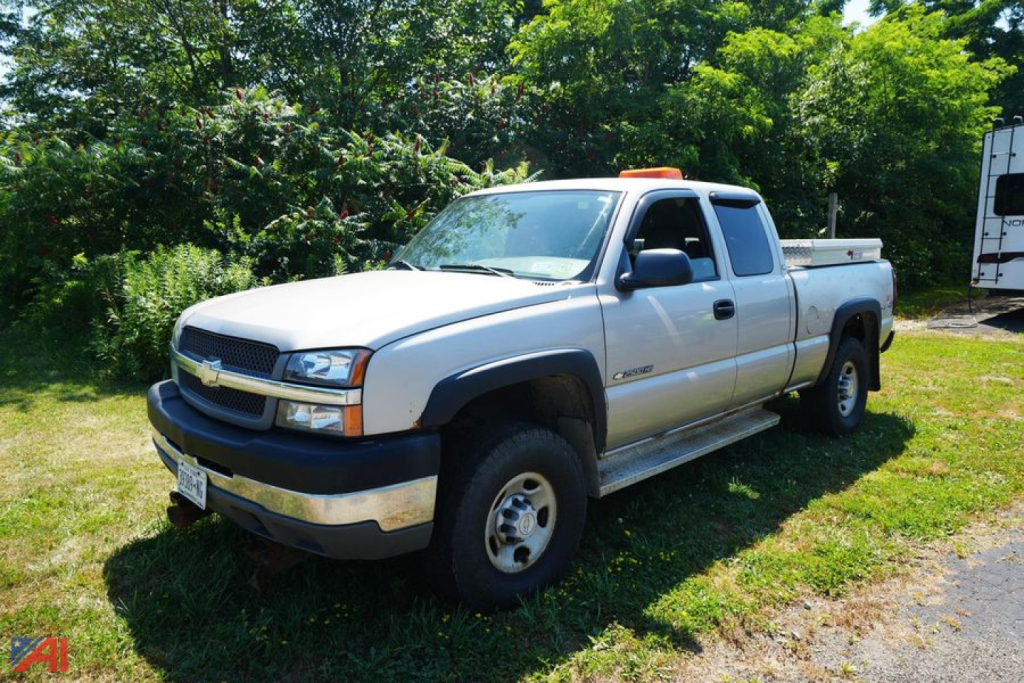
The first decision is usually duty class. A 2004 half-ton 4x4 pickup is better suited for lighter hauling, general property maintenance, and personal use with occasional trailer duty. A 2004 three-quarter-ton or one-ton 4WD pickup is the better fit for heavier trailers, service bodies, snowplows, and sustained payload demands. Buyers should compare GVWR, axle ratings, wheelbase, bed length, cab style, and engine choice before focusing on appearance. Gas V8 engines were common and usually simpler and less expensive to maintain, while diesel-equipped trucks from this period offered stronger low-end torque and towing performance but require closer attention to fuel system condition, turbo health, injectors, and cold-start behavior. Transmission condition is critical on any used 2004 pickup, especially on trucks that may have spent years towing, plowing, or idling in municipal or contractor service.
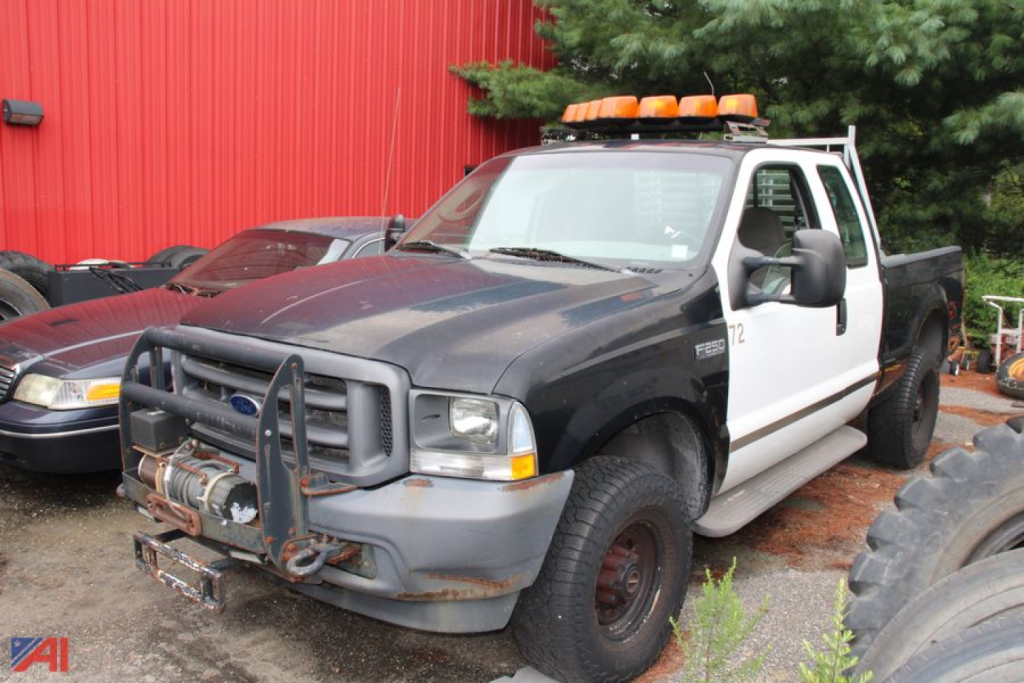
For work applications, a used 2004 4x4 pickup can cover a wide range of roles including construction support, farm use, utility work, snow removal, landscaping, and trailer hauling. Many trucks in this class may have receiver hitches, gooseneck or fifth-wheel hitch prep, ladder racks, toolbox setups, plows, or emergency-service upfits. That makes underbody inspection important. Check the frame, spring hangers, cab corners, rocker panels, bed supports, brake and fuel lines, transfer case operation, front differential, locking hubs if equipped, and signs of corrosion from road salt. On higher-mileage units, front-end wear items such as ball joints, tie rods, U-joints, wheel bearings, and steering components deserve special attention because 4WD pickups from this era often saw rough-road and winter service.
Buyers comparing used 2004 pickup 4WD trucks should weigh intended use against total operating cost. A basic gas-powered work truck may be the smartest choice for local hauling and seasonal use, while a heavy-duty diesel 4x4 may justify itself if towing is the priority. Cab space, bed utility, hitch setup, axle ratio, and tire size all affect how the truck will perform in real service. The best value in this category usually comes from a truck with a clean drivetrain, predictable maintenance history, and a duty cycle that matches the chassis rating. When the truck is being bought for work, condition matters more than trim level.
Frequently Asked Questions about Used 2004 Pickup 4wd Trucks
What should I check first on a used 2004 4WD pickup truck?
Start with the drivetrain and underbody. Confirm that the four-wheel drive system engages properly in both high and low range, and inspect the transfer case, front differential, driveshafts, axle seals, and U-joints for leaks or wear. On a 2004 pickup, rust and corrosion can be just as important as mileage, so look closely at the frame, brake lines, fuel lines, rocker panels, cab mounts, and bed supports. Transmission shift quality, steering play, and front suspension wear are also major indicators of how hard the truck has been used.
Is a 2004 half-ton or heavy-duty 4x4 pickup better for towing?
A heavy-duty three-quarter-ton or one-ton 4x4 pickup is generally the better towing platform because it typically has a stronger frame, higher axle ratings, heavier suspension, and better overall stability under load. A half-ton 4WD pickup can handle lighter trailers and general utility work, but buyers planning to tow equipment, livestock, larger enclosed trailers, or heavy recreational trailers should usually focus on the heavier chassis. The right choice depends on trailer weight, hitch type, braking requirements, and how often the truck will tow.
Are diesel engines worth considering in a used 2004 4WD pickup?
A diesel can make sense if the truck will be used regularly for towing or hauling because it delivers strong low-end torque and good pulling performance. The tradeoff is that a diesel from the 2004 model year can bring higher repair costs and more expensive fuel system or turbo-related maintenance if the truck has been neglected. Buyers should pay close attention to cold-start behavior, smoke, injector performance, fluid condition, and service records. For lighter-duty use, a gas V8 is often simpler and less expensive to own.
Can a used 2004 4x4 pickup still be a good plow or winter-service truck?
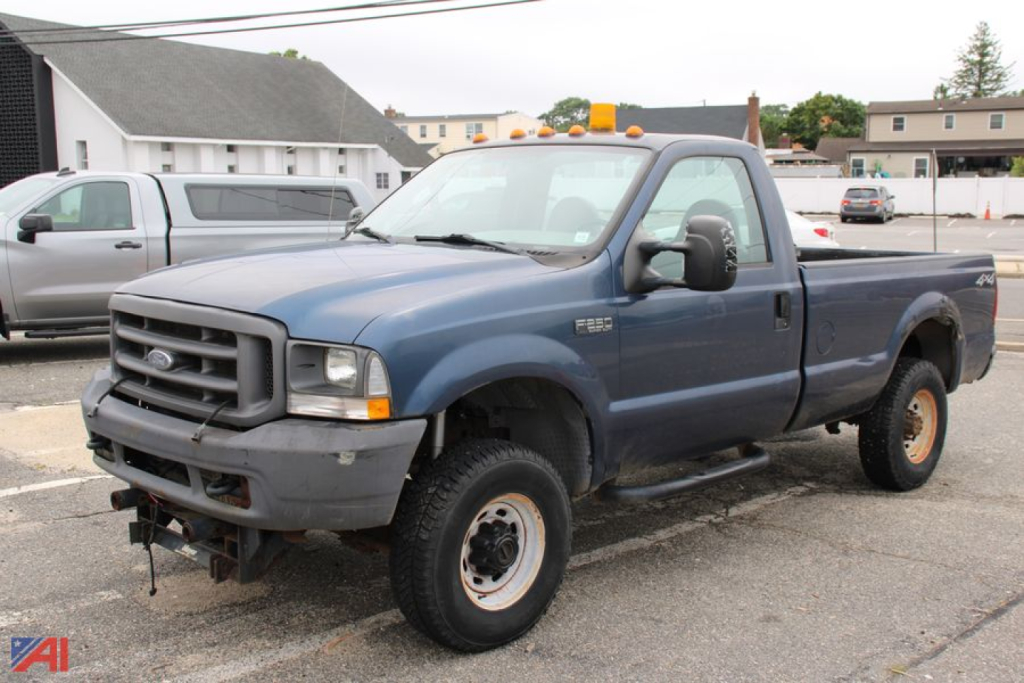
Yes, if the front axle, suspension, transmission, and cooling system are in sound condition. Many 2004 4WD pickups were used for snowplow service because they offered good front-end strength, low-range capability, and solid traction. The key is confirming the truck was not overstressed. Inspect for front frame wear, sagging springs, steering component wear, transmission heat damage, and corrosion from salt exposure. If a plow mount is already installed, verify that the electrical system and charging components are in good working order.
What makes one used 2004 4WD pickup a better value than another?
The best value usually comes from matching the truck's condition and specifications to the intended job. A lower-trim truck with a solid frame, healthy transmission, working 4WD system, and documented maintenance is often a better buy than a nicer-looking truck with rust, driveline issues, or signs of heavy abuse. Pay attention to axle ratio, cab configuration, bed length, hitch equipment, tire condition, and prior use. A truck that already fits the required workload without major repair needs is usually the smarter purchase.