
2004 Pickup 4wd Trucks For Sale
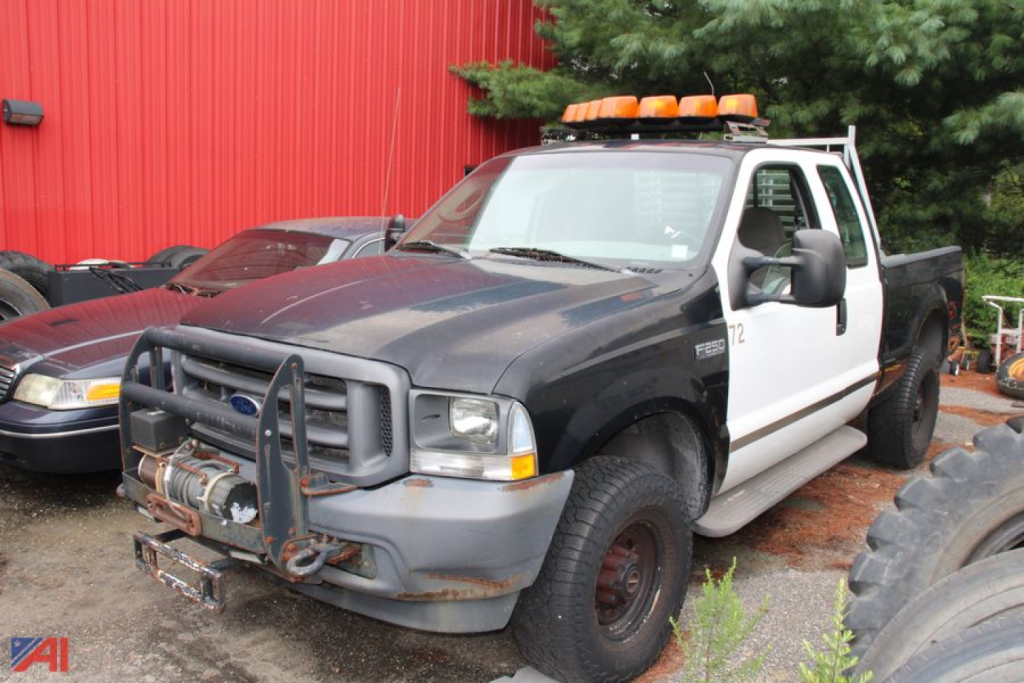
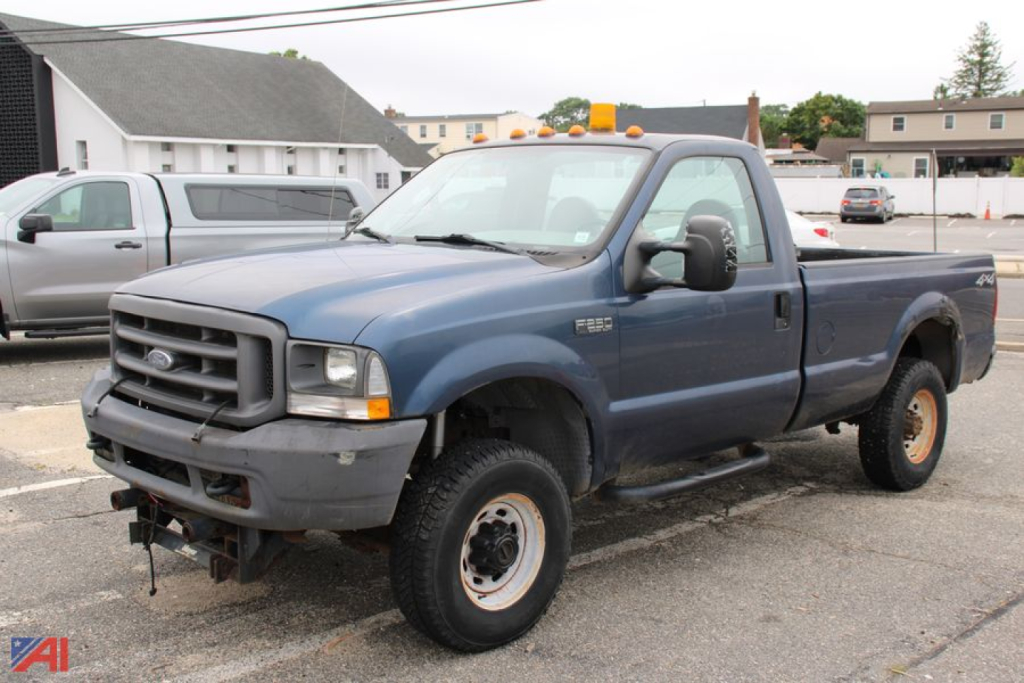
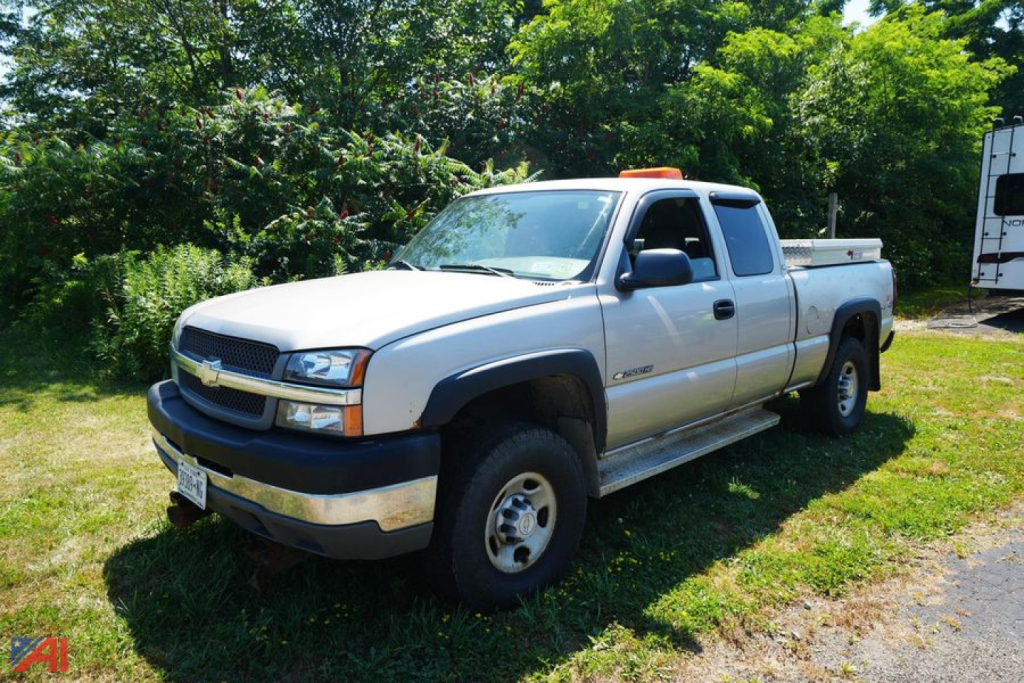
Have 2004 pickup 4wd truck to sell? List it here to reach thousands of buyers.
2004 Pickup 4wd Trucks
The first buying decision is usually weight class, engine, and axle setup. Many 2004 4x4 pickups were available with gas V8s, V6s in lighter configurations, and diesel options in heavy-duty applications. Buyers comparing listings should pay close attention to cab style, bed length, wheelbase, transfer case operation, front axle condition, and whether the truck has a manual shift or electronic shift-on-the-fly 4WD system. On heavier units, check for receiver ratings, gooseneck or fifth-wheel prep, locking or limited-slip differentials, and signs of front-end wear from plow service or oversized tires. Suspension condition, rust at cab corners and rocker panels, frame integrity, and brake line condition are especially important on trucks that spent time in snow-belt regions.
A 2004 pickup 4wd truck can cover a wide spread of applications. Common uses include snow removal, construction support, farm and ranch work, municipal service, landscaping, and contractor towing. Many trucks in this segment were ordered with regular cab, extended cab, or crew cab layouts, so passenger capacity and interior storage vary a lot from one listing to the next. Bed configuration also affects usability. A long bed generally offers better cargo flexibility and trailer balance, while a short bed is easier to maneuver in tighter urban or residential settings. Buyers planning to mount a plow, spreader, service cap, ladder rack, or toolbox should confirm front gross axle weight rating, alternator output, and existing upfit wiring.
Condition and maintenance history often matter more than mileage alone on a 2004 model. A well-kept truck with documented transmission service, 4WD engagement checks, cooling system work, and recent steering or suspension repairs can be a better value than a lower-mile example with deferred maintenance. On diesel trucks, it is worth reviewing injector, turbo, and emissions-era service records where applicable. On gas trucks, pay attention to exhaust manifold leaks, transfer case noise, and driveline vibration under load. Buyers looking across multiple listings should compare intended use against GVWR, tow rating, tire load range, axle ratio, and any evidence of commercial service, because the right 2004 4x4 pickup is the one that matches the job without being underspecified or carrying unnecessary operating cost.
Frequently Asked Questions about 2004 Pickup 4wd Trucks
What should I look for first when buying a 2004 4WD pickup truck?
Start with the truck’s weight class and intended use. A half-ton 4x4 is usually enough for light towing, personal hauling, and property work, while a 3/4-ton or 1-ton truck is better for plows, heavier trailers, and jobsite use. After that, inspect the 4WD system, frame and rust condition, front suspension, transmission behavior, and axle ratings. On a 2004 truck, maintenance records and evidence of consistent service are often more important than mileage by itself.
Is a 2004 4x4 pickup good for snow plowing?
It can be, but only if the truck is correctly equipped. Heavy-duty models such as 2500, 2500HD, F-250, 3500, or F-350 are generally better candidates because they have stronger front axle ratings, heavier springs, and better support for plow weight. Buyers should verify front gross axle weight rating, transmission condition, charging system output, cooling performance, and any signs of prior plow-frame stress or front-end wear. A truck that already has plow wiring or mount hardware still needs a careful structural inspection.
Should I choose gas or diesel in a 2004 pickup 4wd truck?
Gas engines usually make sense for lighter annual mileage, lower upfront cost, and simpler maintenance. Diesel engines are often preferred for frequent towing, higher torque demand, and heavier-duty work cycles, especially in 3/4-ton and 1-ton trucks. The tradeoff is that diesel repairs can be more expensive, and condition matters greatly on an older unit. The right choice depends on trailer weight, annual hours, fuel budget, and how much downtime risk you are willing to take on.
What cab and bed configuration is best on a 2004 4WD pickup?
That depends on how the truck will be used day to day. A regular cab with a long bed offers strong cargo utility and a simpler layout for work-focused use. Extended cab and crew cab trucks provide more room for passengers, tools, and crew transport, but they can reduce bed length unless paired with a longer wheelbase. Buyers towing often prefer longer wheelbase trucks for stability, while buyers working in neighborhoods or tight lots may prefer a shorter bed for easier maneuverability.
Why do axle ratio and GVWR matter on older 4x4 pickups?
Axle ratio affects launch power, towing performance, cruising rpm, and fuel consumption. GVWR helps define how much payload the truck can legally and safely carry, including passengers, tools, plow equipment, and trailer tongue weight. On a 2004 4WD pickup, these ratings are critical because two trucks that look similar can perform very differently under load. Matching axle ratio, tire load range, and suspension capacity to the job is the best way to avoid buying a truck that feels capable but comes up short in real work.