
Peterbilt Trucks For Sale in Washington
Browse Peterbilt trucks for sale in Washington, including highway sleepers and cab & chassis models with Cummins power and tandem axles.
Learn more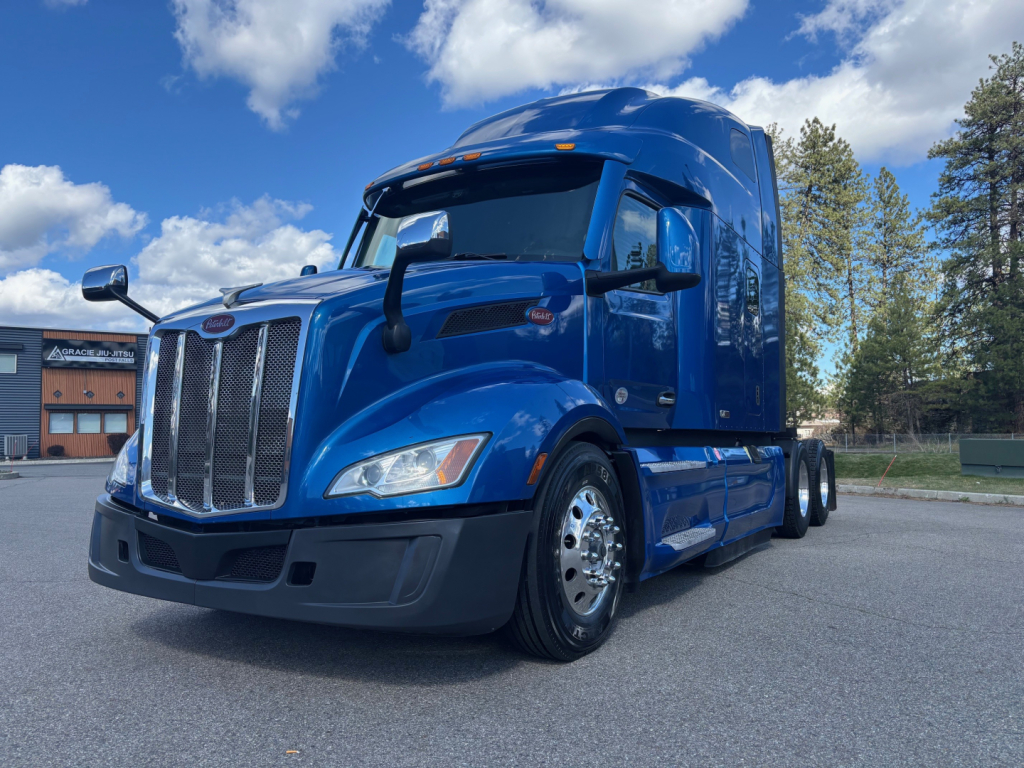

Have peterbilt truck to sell? List it here to reach thousands of buyers.
About Peterbilt Trucks in Washington
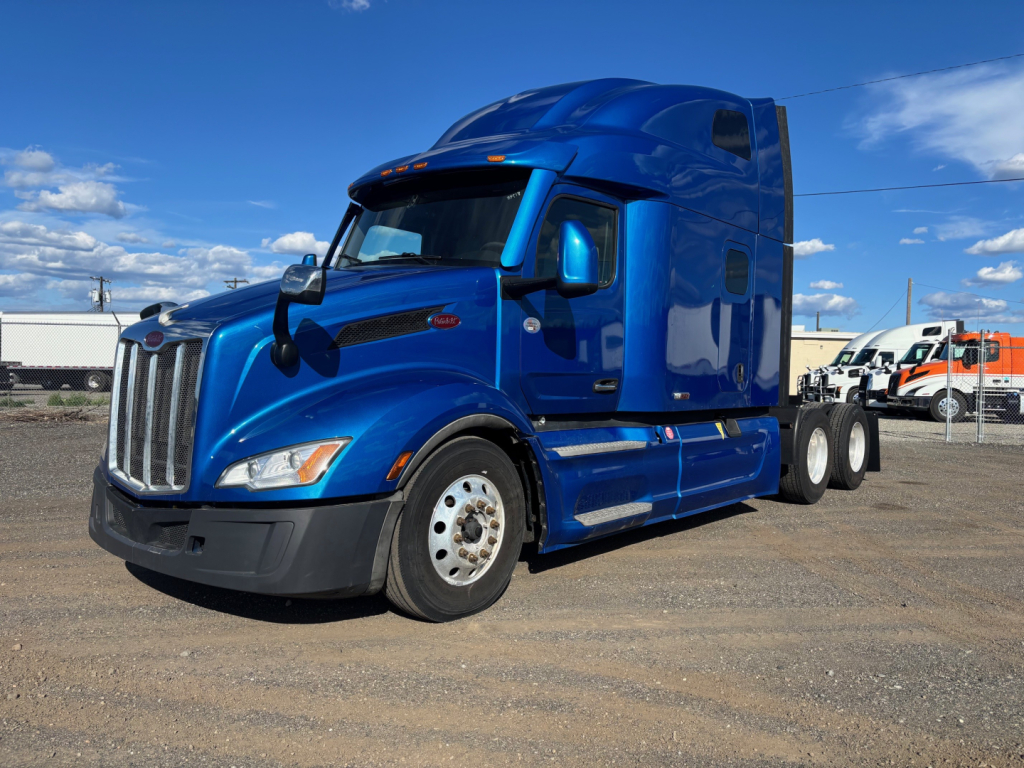
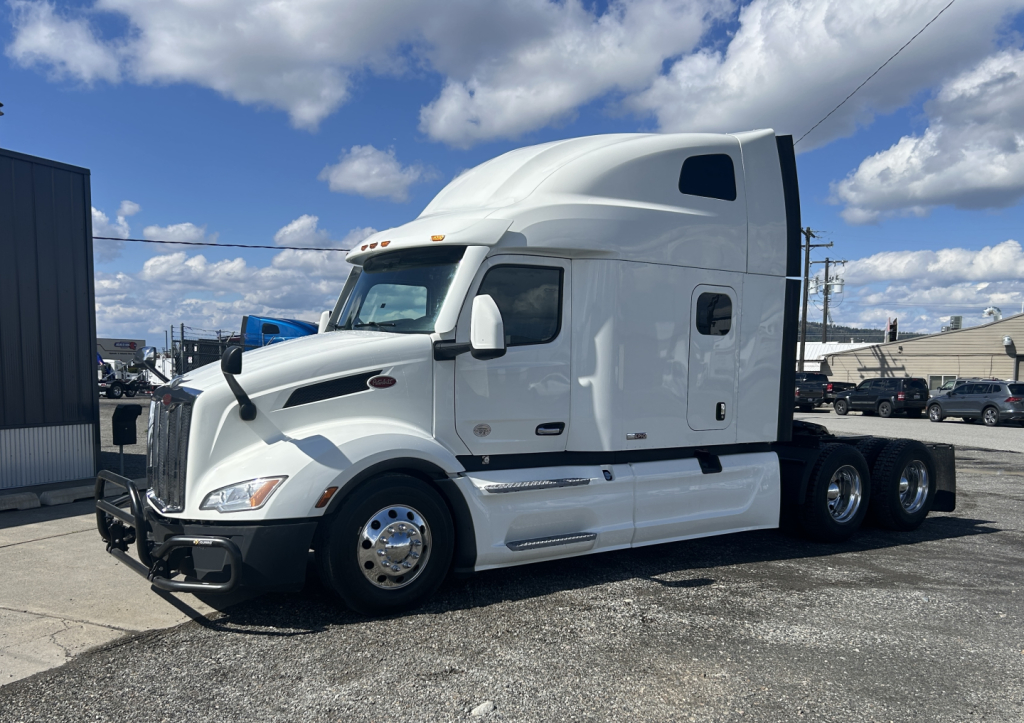
For many buyers, the first decision is application. A Peterbilt 579 is typically aimed at fuel-conscious linehaul operations, often spec'd with a Cummins X15, automated Eaton transmission, tandem axles, and air ride suspension. That combination is common for fleets that want a balance of driver acceptance, serviceability, and highway efficiency. If the truck is a cab and chassis, the buying focus shifts to wheelbase, frame condition, PTO provisions, axle ratings, and how easily the unit can be set up for a dump body, service body, box, or specialty vocational equipment. On used Peterbilts, drivetrain spec matters more than badge alone, so buyers should compare horsepower rating, transmission type, rear axle ratio, and suspension against the job the truck will actually do.
Washington buyers should also pay attention to corrosion exposure, mountain-route gearing, and emissions equipment history. Trucks that have spent time in wet western climates or on winter-treated roads deserve a closer look at frame rails, crossmembers, air tanks, wiring, and cab mounts. For Cascades and regional haul work, rear axle ratio and engine brake performance can matter as much as mileage. On newer Peterbilt highway tractors, expect to see 6x4 tandem setups, 38,000-lb rear axles, disc or drum brake configurations, and sleeper packages ranging from shorter mid-roof layouts to larger stand-up sleepers depending on fleet use.
A well-bought Peterbilt usually comes down to spec discipline and maintenance records. Buyers should look closely at engine hours versus miles, transmission service history, DPF and SCR repairs, suspension wear, and tire match across all positions. Interior condition can also tell you a lot about how the truck was run. Peterbilt remains a top choice for buyers who want a recognizable make with broad parts availability, steady resale demand, and model options that cover linehaul, regional, and vocational applications.
Frequently Asked Questions
What are the most common Peterbilt truck models buyers look for in Washington?
The Peterbilt 579 is one of the most common used models for highway freight because it is an aerodynamic conventional tractor widely spec'd for sleeper service, regional haul, and fleet use. Buyers also look at cab and chassis models for vocational applications where body installation, PTO capability, and frame layout matter more than sleeper amenities. In Washington, model choice usually follows application first, then drivetrain spec, then sleeper or body configuration.
Is a Peterbilt 579 a good choice for over-the-road freight?
Yes, the Peterbilt 579 is a strong over-the-road option when it is spec'd correctly for the freight and terrain. Many used units are equipped with a Cummins X15 and 12-speed automated transmission, which is a common setup for fuel-efficient highway use and easier driver onboarding. Buyers should still verify axle ratio, sleeper size, emissions service history, and maintenance records because those details affect operating cost more than the model name alone.
What should I inspect first on a used Peterbilt truck?
Start with the engine, transmission, emissions system, and frame. Review service records for DPF cleaning, SCR repairs, injector work, transmission maintenance, and any major engine history. Then inspect the frame rails, suspension, cab mounts, steering components, and brake system for wear or corrosion, especially on trucks that have worked in wet climates or winter road conditions. Tire condition and uneven wear can also reveal alignment, suspension, or axle issues.
Are Peterbilt trucks expensive to maintain compared with other Class 8 trucks?
Maintenance cost depends more on the engine, emissions system, and prior upkeep than on the Peterbilt badge itself. Peterbilt trucks benefit from broad parts support and strong familiarity across independent shops and dealer networks, which helps with service access. Costs can rise on neglected units with deferred emissions repairs, suspension wear, or cooling system problems, so a documented maintenance history is one of the best indicators of future operating expense.
What specs matter most when buying a used Peterbilt in Washington?
The most important specs are engine model, horsepower, transmission type, rear axle ratio, axle count, suspension, and intended application. For Washington buyers, mountain grades and regional freight lanes make gearing, engine brake performance, and tandem axle configuration especially important. If the truck is a cab and chassis, wheelbase, frame spacing, PTO setup, and front and rear axle ratings become critical because they determine what body or equipment the truck can support.