
Peterbilt Conventional Sleeper Trucks For Sale in Washington
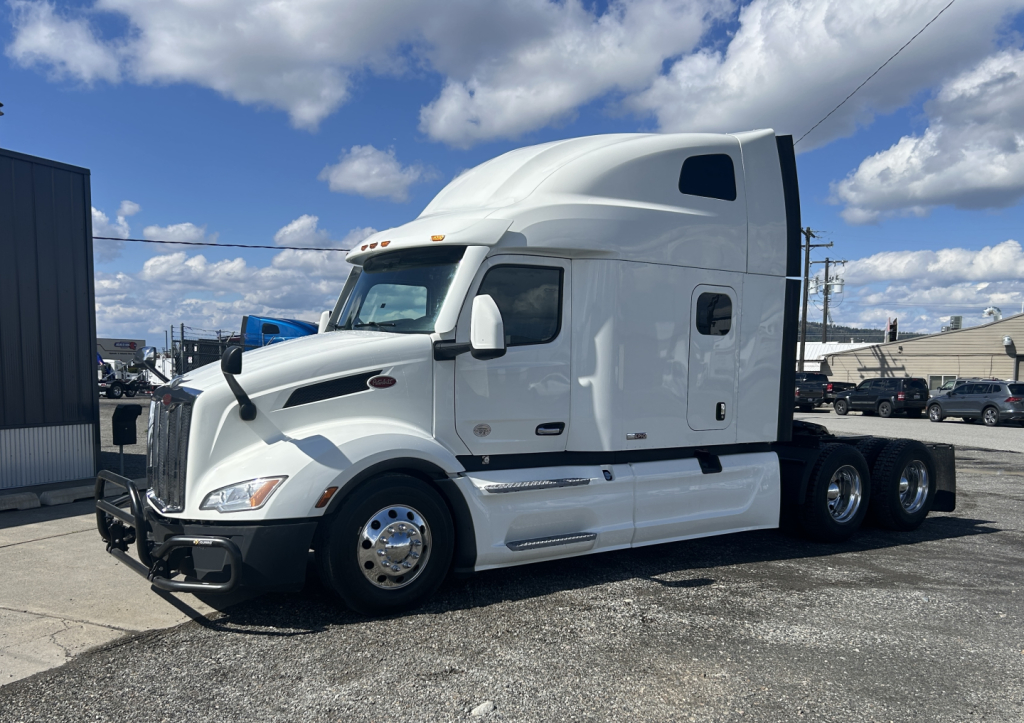
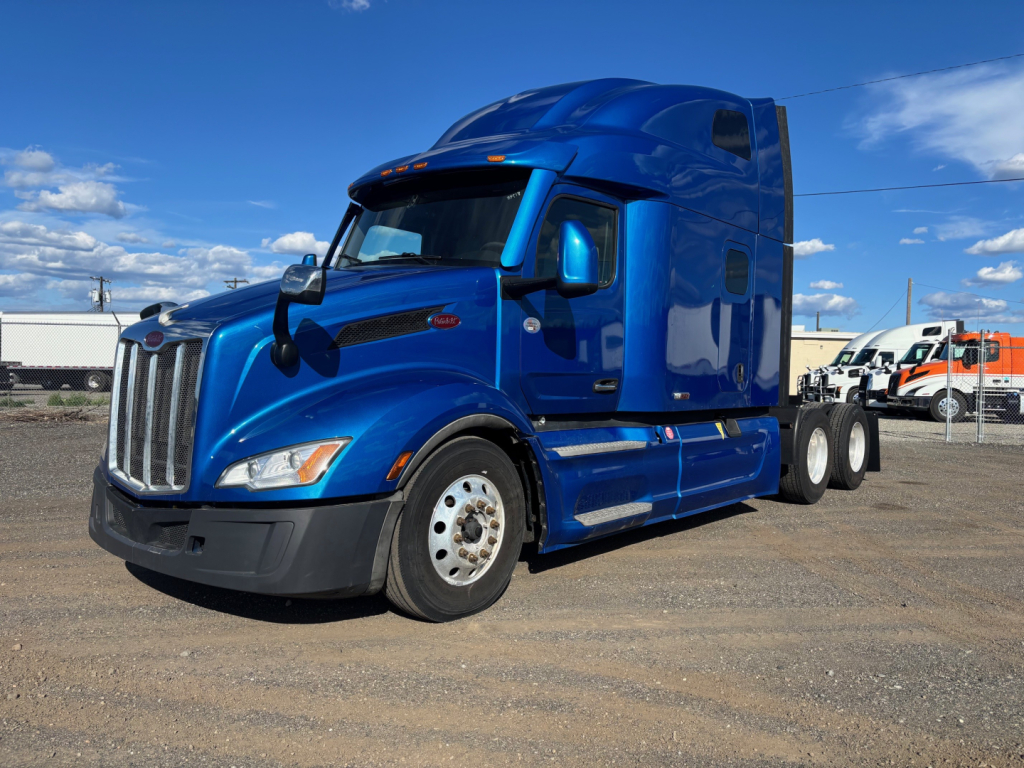
Shop Peterbilt conventional sleeper trucks in Washington. Compare 579 specs, Cummins power, sleeper options, and tandem axle setups.
Learn more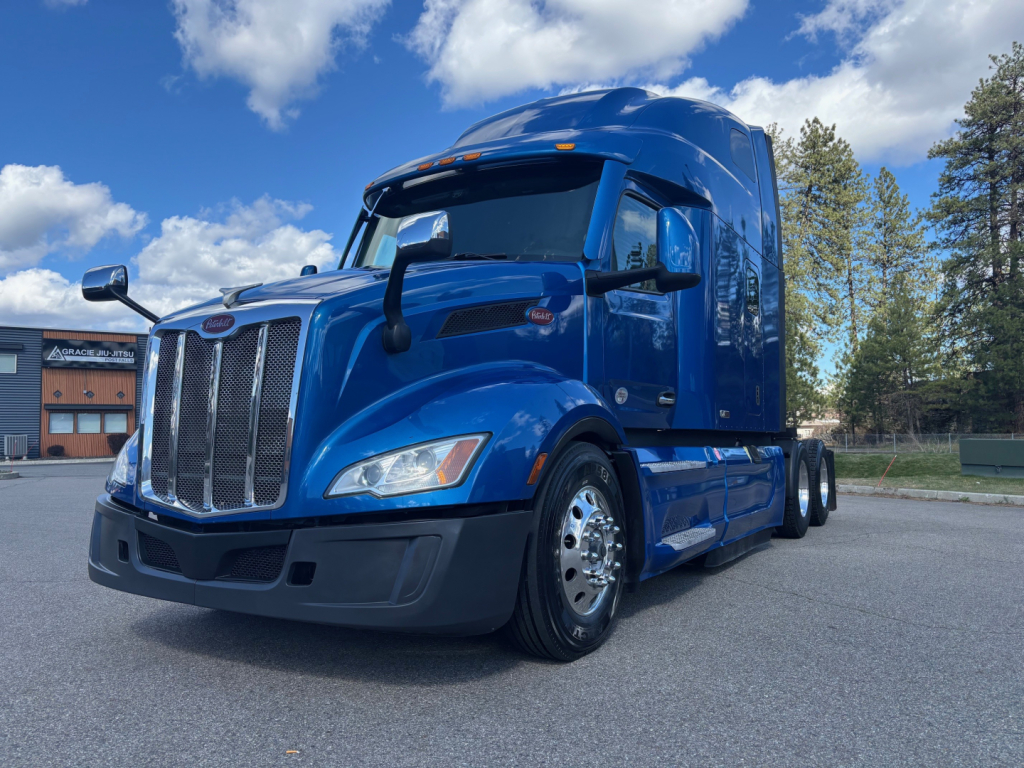
Have peterbilt conventional sleeper truck to sell? List it here to reach thousands of buyers.
About Peterbilt Conventional Sleeper Trucks in Washington
A common spec in this segment is a Cummins X15 in the 400 to 500 horsepower range paired with a 12-speed automated manual transmission. That setup is popular because it supports strong linehaul performance without giving up fuel economy on steady highway runs. Tandem rear axles, 12,000-pound front axles, and around 38,000 pounds of rear axle capacity are standard on many fleet-style sleepers, often with air ride suspension for ride quality and cargo protection. Wheelbases around the 229-inch range are common on aerodynamic road tractors because they leave room for a functional sleeper while keeping the truck maneuverable at docks and truck stops.
For a Washington buyer, rear ratio and powertrain calibration deserve a close look. A fast ratio such as 2.64 helps lower cruise RPM and can improve fuel efficiency on flatter interstate work, but buyers who regularly pull heavy through Snoqualmie Pass, Stevens Pass, or into the Cascades may want to confirm the transmission programming, torque rating, and expected gross combination weight. Sleeper size, bunk layout, and storage also matter more than many first-time buyers expect, especially on multi-day runs. Practical details like fairing condition, tire wear pattern, emissions system service history, and the condition of the fifth wheel can tell you as much about the truck as the odometer.
Peterbilt conventional sleeper trucks also hold appeal because parts support is broad, resale demand is usually strong, and the brand remains a favorite with both fleets and owner-operators. Buyers often focus on late-model 579 sleepers for their aerodynamic efficiency, quiet cab, and modern driver-assist and infotainment options. When comparing listings, it makes sense to evaluate not just horsepower and year model, but the full operating spec: axle rating, suspension type, transmission, sleeper comfort, and how the truck was originally set up for its lane. A well-matched conventional sleeper can lower operating cost, improve driver retention, and stay productive across regional or over-the-road service.
Frequently Asked Questions
What is the most common Peterbilt conventional sleeper model on the used market?
The Peterbilt 579 is one of the most common conventional sleeper trucks on the used market. It is widely used in over-the-road and regional fleet service because it combines aerodynamic design, a comfortable sleeper, and modern powertrain options. Buyers often find it spec'd with Cummins X15 engines, automated manual transmissions, tandem drive axles, and air ride suspension.
Is a 450 horsepower Peterbilt sleeper enough for Washington routes?
For many linehaul applications, 450 horsepower is a practical and common rating. It is usually sufficient for standard dry van, reefer, and general freight service, especially when paired with a modern automated transmission and the right rear axle ratio. For frequent heavy loads or repeated mountain operation in Washington, buyers should also verify torque output, axle ratio, and expected gross combination weight to make sure the truck matches the job.
Why does rear axle ratio matter on a Peterbilt sleeper truck?
Rear axle ratio affects cruise RPM, gradeability, launch performance, and fuel economy. A faster ratio such as 2.64 is typically chosen for fuel-efficient highway operation at sustained interstate speeds. If the truck will spend more time in mountainous terrain or heavy-haul conditions, a different ratio may provide better pulling performance and reduce strain during starts and climbs.
What should I inspect first on a used Peterbilt conventional sleeper?
Start with the engine and emissions service history, transmission operation, and signs of consistent preventive maintenance. After that, inspect tire wear, suspension condition, fifth wheel wear, fairings, and sleeper interior condition. On aerodynamic road tractors, body and fairing damage can affect fuel economy, and on high-mile sleeper trucks, small cab and bunk issues can point to how the truck was treated in daily service.
Are Peterbilt sleeper trucks a good fit for fleets and owner-operators?
Yes. Peterbilt conventional sleepers are popular with both fleets and owner-operators because they offer strong parts support, broad driver acceptance, and solid resale appeal. Fleet buyers often value the standardization, service network, and fuel-efficient specs, while owner-operators often prioritize ride quality, appearance, cab finish, and the brand's long-standing reputation in long-haul trucking.