
Used Peterbilt Trucks For Sale
Browse used Peterbilt trucks including 389, 379, 579, day cab, sleeper, and vocational models with buyer-focused specs and applications.
Learn moreBrowse Peterbilt Trucks by Category

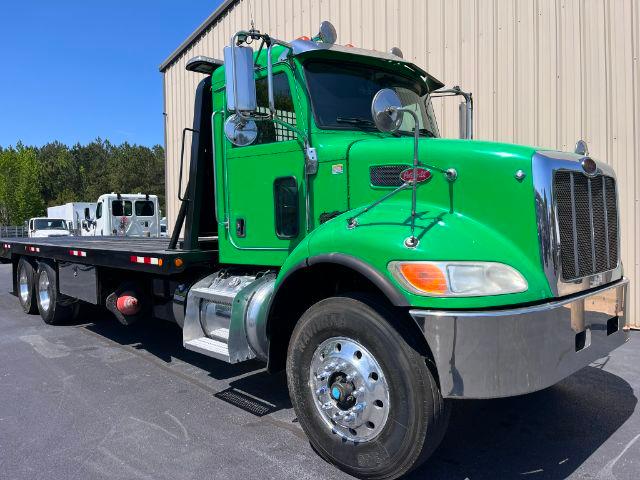
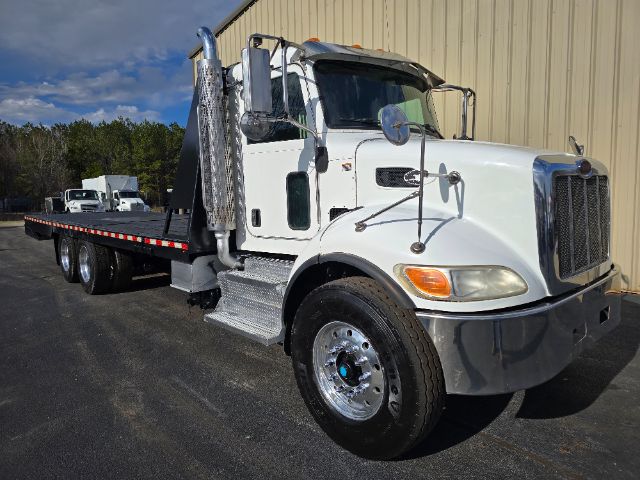
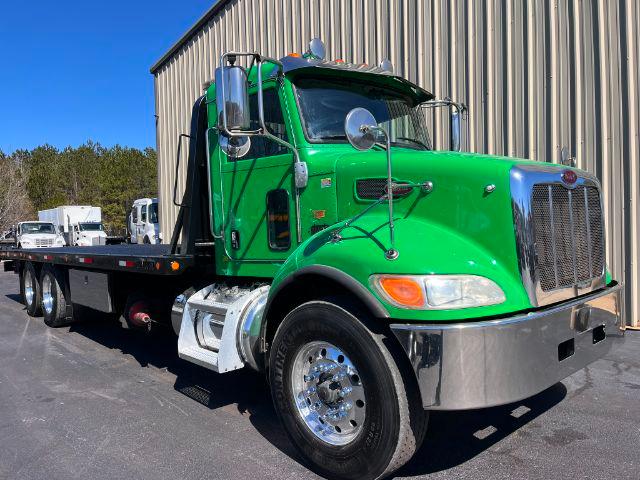
Showing 97 to 108 of 140 results
Have used peterbilt truck to sell? List it here to reach thousands of buyers.
About Used Peterbilt Trucks
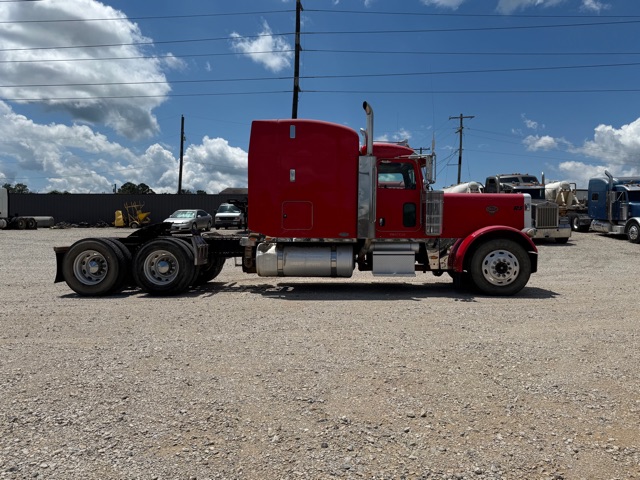
Engine and drivetrain choices matter more than badge loyalty once you get into the used market. Common combinations include Cummins X15, PACCAR MX-13, and older Detroit-powered units, paired with Eaton-Fuller 10, 13, or 18-speed manual transmissions, automated manuals, and rear axle ratios that can change the truck's operating cost and drivability. For highway tractors, buyers should pay attention to horsepower, torque rating, transmission model, rear axle ratio, and suspension type. A 3.25 ratio with an 18-speed and 40,000-pound rears points to a very different use case than a 3.90 ratio truck with shorter wheelbase and vocational equipment. Sleeper buyers should also look closely at Unibilt sleeper size, APU presence, bunk heater, tank capacity, and wheelbase, especially if the truck will stay out for extended runs or pull specialized trailers.
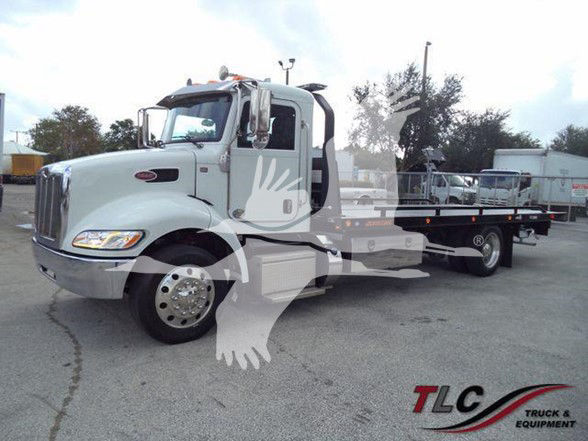
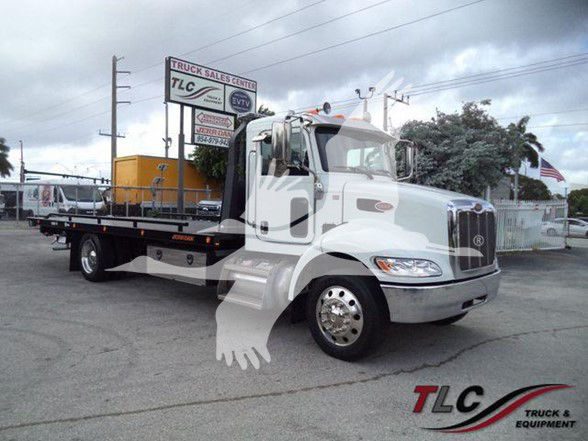
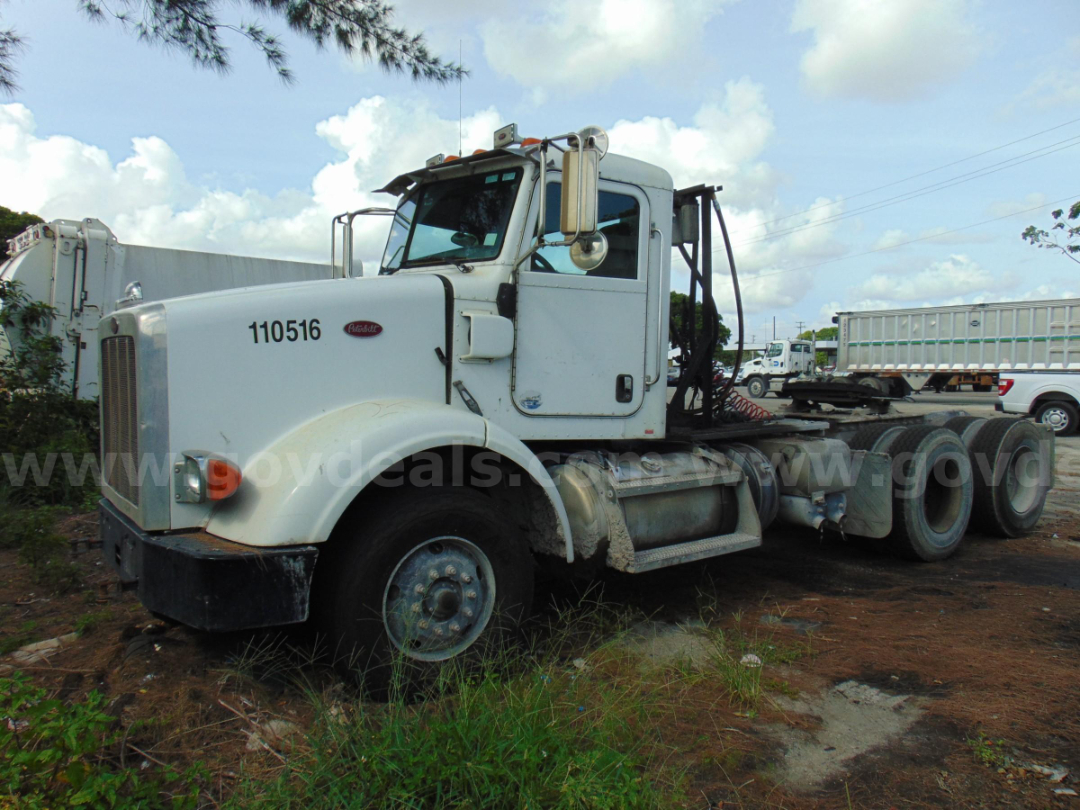
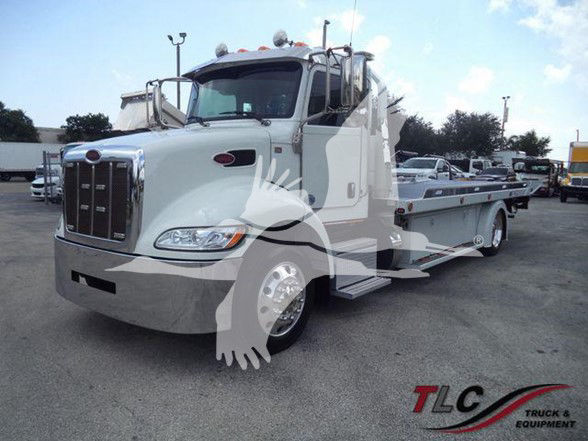
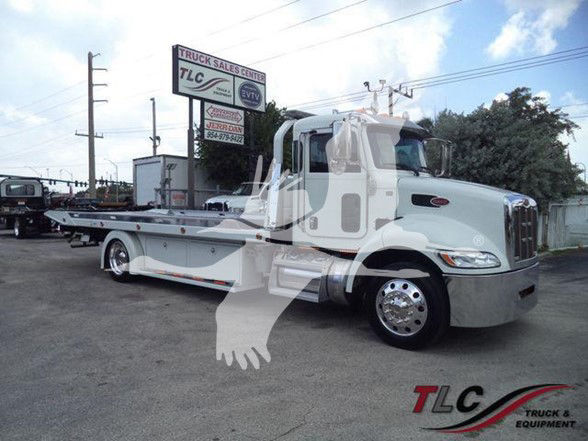
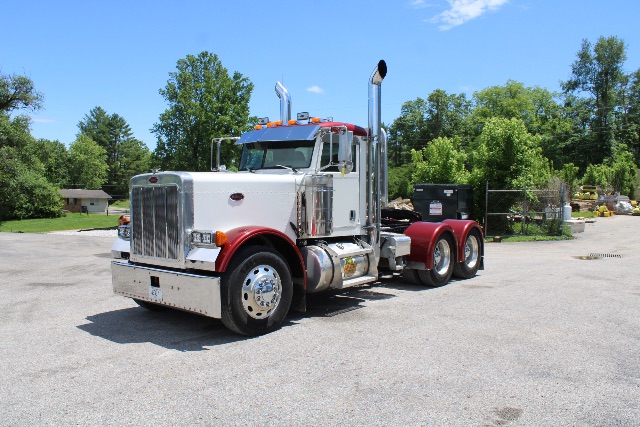
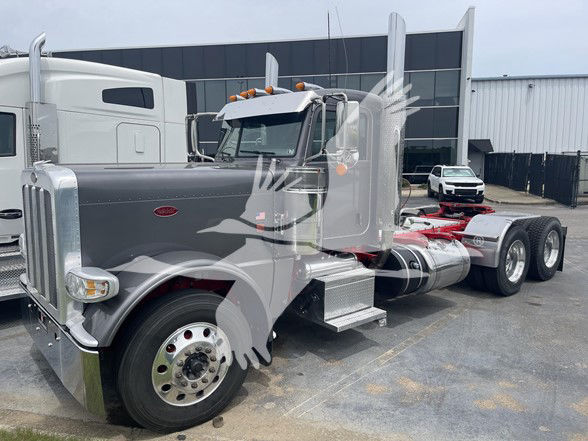
Cab and chassis condition is especially important on used Peterbilt trucks because many have been owner-operator maintained, customized, or repurposed. Peterbilt's aluminum cab construction is a selling point, but buyers still need to inspect frame condition, crossmembers, suspension wear, steering components, fifth wheel setup, and any signs of prior body or frame repair. On classic long-hood models, chrome and dress parts can add visual appeal without adding working value, so it is worth separating cosmetic upgrades from revenue-producing specs. For aerodynamic 579-style trucks, focus more on emissions history, service records, dash fault activity, aftertreatment performance, and overall fuel-efficiency spec. For vocational Peterbilts such as rollback or tow configurations, check PTO setup, hydraulic system condition, body manufacturer details, and front axle capacity in addition to standard powertrain items.
Peterbilt trucks tend to hold value because of brand reputation, driver appeal, and parts support, but the best used buy is usually the one whose wheelbase, axle layout, sleeper configuration, and drivetrain match your freight or body application without expensive rework. A day cab 379 or 389 may fit regional flatbed, heavy haul, or local transfer work, while a 579 sleeper is often better aligned with fleet-style over-the-road lanes and lower operating cost targets. Buyers comparing listings should read beyond model year and appearance and focus on spec discipline: engine family, transmission type, rear suspension, axle ratings, kingpin and fifth wheel compatibility, tire and wheel package, and maintenance history. Those details will determine uptime, resale, and how well the truck fits the lanes you run.
Frequently Asked Questions
What are the most common types of used Peterbilt trucks on the market?
The used Peterbilt market usually centers on three groups: classic long-hood conventionals such as the 379 and 389, aerodynamic highway tractors such as the 579, and vocational or specialty trucks built for rollback, towing, construction, or municipal work. The model alone does not tell the full story because the same Peterbilt platform may be spec'd as a day cab, a sleeper, a heavy-haul tractor, or a body-ready chassis. Buyers should sort listings by intended application first, then compare drivetrain, axle ratings, wheelbase, and suspension.
Is a used Peterbilt 389 or 379 better than a used Peterbilt 579?
They serve different jobs. A used Peterbilt 389 or 379 is often preferred by buyers who want a long-hood conventional with strong resale appeal, custom spec potential, and compatibility with heavy-haul, open-deck, or owner-operator applications. A used Peterbilt 579 is typically the more practical highway tractor for fuel economy, fleet service, and modern sleeper operation. The better truck is the one with the right engine, transmission, rear ratio, and cab configuration for your lanes and load profile.
What should I inspect first on a used Peterbilt truck?
Start with the engine and emissions system, then move to transmission operation, clutch or automated transmission performance, rear axle condition, suspension wear, steering play, brake life, and tire condition. After that, inspect the frame rails, crossmembers, fifth wheel, kingpin contact area, and any evidence of collision repair or corrosion. On sleeper units, check the bunk HVAC, APU, inverter, and sleeper electrical systems. On vocational trucks, inspect PTO function, hydraulics, body mounts, and front axle ratings because those items directly affect usable capacity and work readiness.
Do used Peterbilt trucks hold their value well?
Used Peterbilt trucks generally hold value well compared with many competing brands, especially desirable models with strong owner-operator demand such as the 379 and 389. Resale is influenced by more than brand name, though. Engine make, emissions generation, transmission type, wheelbase, service history, and overall spec all affect market value. Clean, correctly spec'd trucks with documented maintenance and popular drivetrains usually command the strongest resale.
Which engine and transmission combinations are common in used Peterbilt trucks?
Common engine choices in used Peterbilt trucks include the Cummins X15, PACCAR MX-13, and older Detroit engines, depending on year and original build. Transmission pairings often include Eaton-Fuller 10-speed, 13-speed, and 18-speed manuals, along with automated manual options in newer highway tractors. The right combination depends on route profile and gross weight. Higher-horsepower engines and 18-speed transmissions are common in heavy or specialized work, while fuel-focused highway tractors may use lower-RPM driveline specs designed for linehaul efficiency.