
Used Peterbilt Trucks For Sale in Pennsylvania
Browse used Peterbilt trucks for sale in Pennsylvania, including sleeper and highway models with Cummins or PACCAR powertrains.
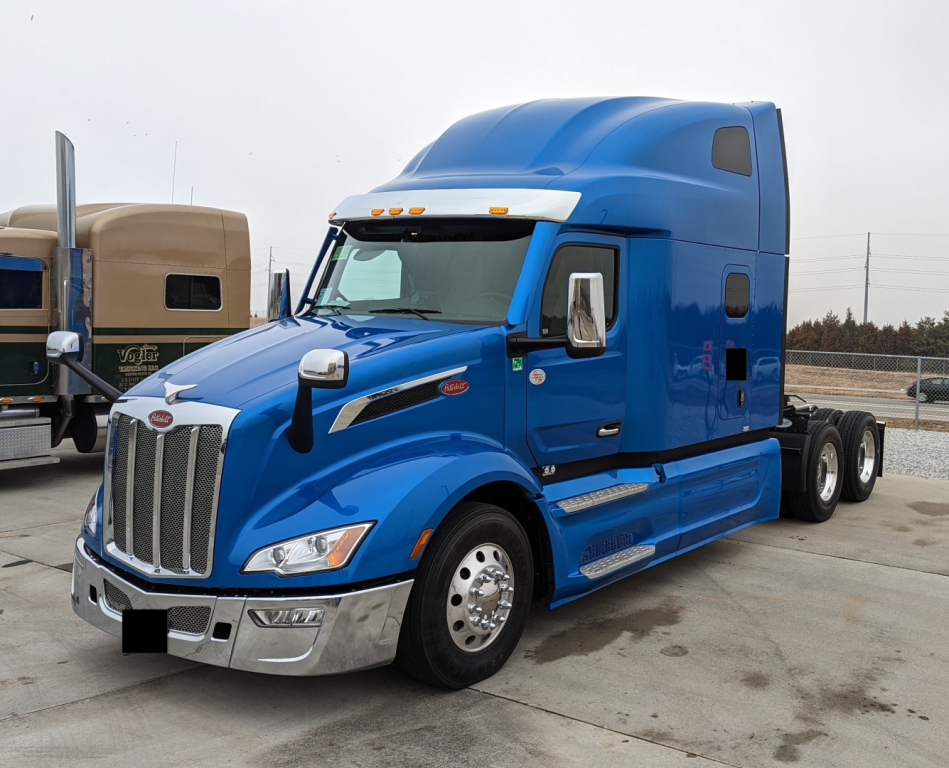
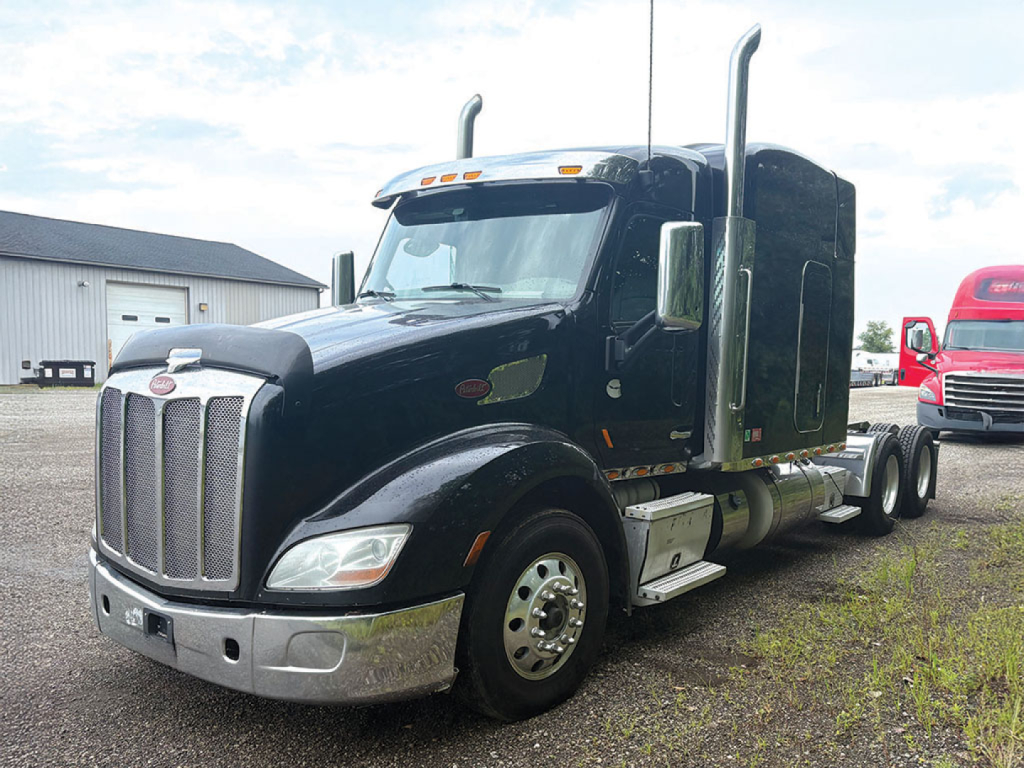
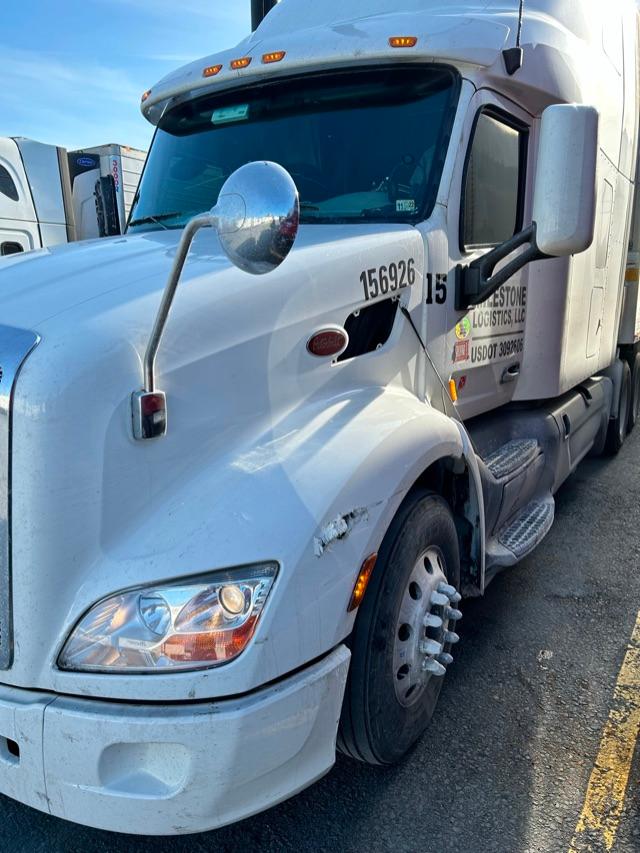

Have used peterbilt truck to sell? List it here to reach thousands of buyers.
Used Peterbilt Trucks in Pennsylvania
The biggest decision on a used Peterbilt is usually the powertrain. Late-model 579s often show up with Cummins X15 or ISX15 engines in the 450 horsepower range paired to automated Eaton Fuller Endurant or similar 10-speed and 12-speed transmissions. Older 386 trucks may carry a PACCAR MX-13 with a manual transmission, which can appeal to fleets or owner-operators that prefer a more traditional spec. Rear axle ratios such as 2.64 and 3.42 tell you a lot about intended use. A 2.64 ratio generally points to fuel-efficient over-the-road service, while a 3.42 ratio is better suited to mixed terrain, heavier pulls, and more start-stop operation common in the Northeast.
Cab and sleeper layout matter as much as engine choice. Peterbilt's Unibilt and UltraLoft sleepers are known for usable interior space, and many used units include upper bunks, refrigerators, APUs, and aerodynamic packages with side fairings, cab extenders, and quarter fenders. Those details affect resale, driver retention, and operating cost. Buyers in Pennsylvania should also pay close attention to corrosion exposure, brake type, tire setup, and frame condition because Northeast weather and road treatment can accelerate wear on undercarriage components, wiring, and air system hardware. Disc brakes, super singles, aluminum wheels, and dual aluminum tanks are all common features worth evaluating based on maintenance preference and route profile.
A good used Peterbilt truck should be matched to the freight first, then to the image and comfort level you want from the truck. For long-haul dry van and reefer, the 579 is one of the most common aerodynamic conventional choices on the market. For buyers who want classic Peterbilt styling with a proven fleet tractor layout, older conventional sleeper models still have a place. Review service history, engine hours, emissions system repairs, suspension condition, and sleeper equipment operation before making a decision. On a used highway tractor, the right spec is the one that keeps cruise speed, fuel economy, payload, and downtime in balance for the lanes you actually run.
Frequently Asked Questions about Used Peterbilt Trucks in Pennsylvania
What are the most common used Peterbilt truck models for highway freight in Pennsylvania?
The most common used Peterbilt highway trucks in Pennsylvania are typically the Peterbilt 579 and older conventional models such as the 386. The 579 is an aerodynamic sleeper tractor widely used in long-haul and regional fleet service, while the 386 is an earlier conventional platform that is still relevant for buyers who want a proven road tractor with a more traditional layout. Most used examples are set up for van, reefer, and general freight applications.
Which engine is better in a used Peterbilt, Cummins X15, ISX15, or PACCAR MX-13?
The best engine depends on your operation, maintenance support, and driver preference. Cummins X15 and ISX15 engines are common in later Peterbilt 579 tractors and are popular because parts availability and service familiarity are strong in many markets. The PACCAR MX-13 is also widely used and can be a solid choice when maintenance history is documented and local dealer support is strong. Buyers should compare horsepower rating, emissions history, oil analysis, fault codes, and service records rather than choosing by engine badge alone.
What rear axle ratio should I look for in a used Peterbilt sleeper truck?
Rear axle ratio should match your average load, terrain, and cruise speed. A 2.64 ratio is usually chosen for fuel-efficient linehaul work on flatter interstate routes, especially when paired with an automated transmission. A 3.42 ratio gives better startability and can be a better fit for mixed terrain, heavier freight, and regional work with more frequent speed changes. The right ratio affects fuel economy, drivability, and engine rpm at highway speed.
Are high-roof Peterbilt sleepers worth it on the used market?
High-roof sleepers are often worth the premium when the truck will stay in over-the-road service. Sleeper sizes such as 72-inch and 80-inch high-roof cabs give more room for storage, bunk space, and amenities like refrigerators and APUs. That can improve driver comfort and retention while also helping resale appeal. If the truck will be used mostly for short regional runs with frequent home time, a smaller sleeper may still be the better value.
What should buyers inspect first on a used Peterbilt truck in Pennsylvania?
Start with frame condition, suspension wear, tire wear pattern, brake condition, and signs of rust or corrosion on crossmembers, wiring, airlines, and fasteners. In Pennsylvania and the broader Northeast, winter exposure can be hard on undercarriage components. After that, inspect the engine and emissions system, review ECM data if available, and verify operation of sleeper accessories, APU, HVAC, and fifth wheel slide. A clean service file and a consistent spec are usually more valuable than appearance alone.