
Used Peterbilt Conventional Sleeper Trucks For Sale in Pennsylvania
Browse used Peterbilt conventional sleeper trucks in Pennsylvania, including 579, 367, and 379 models built for regional and long-haul work.
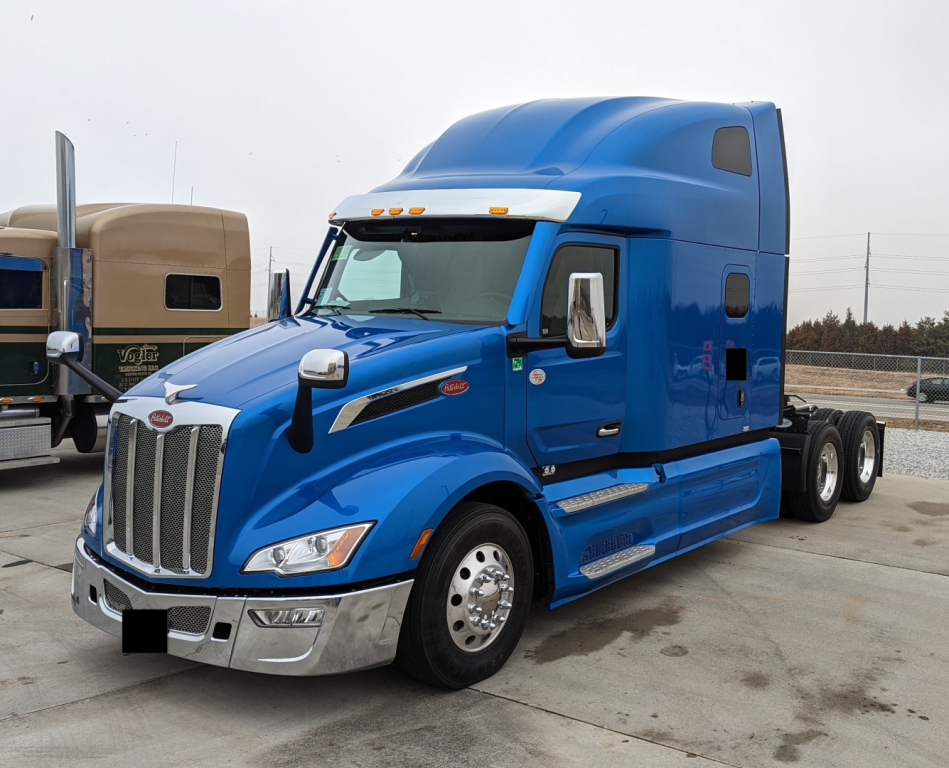
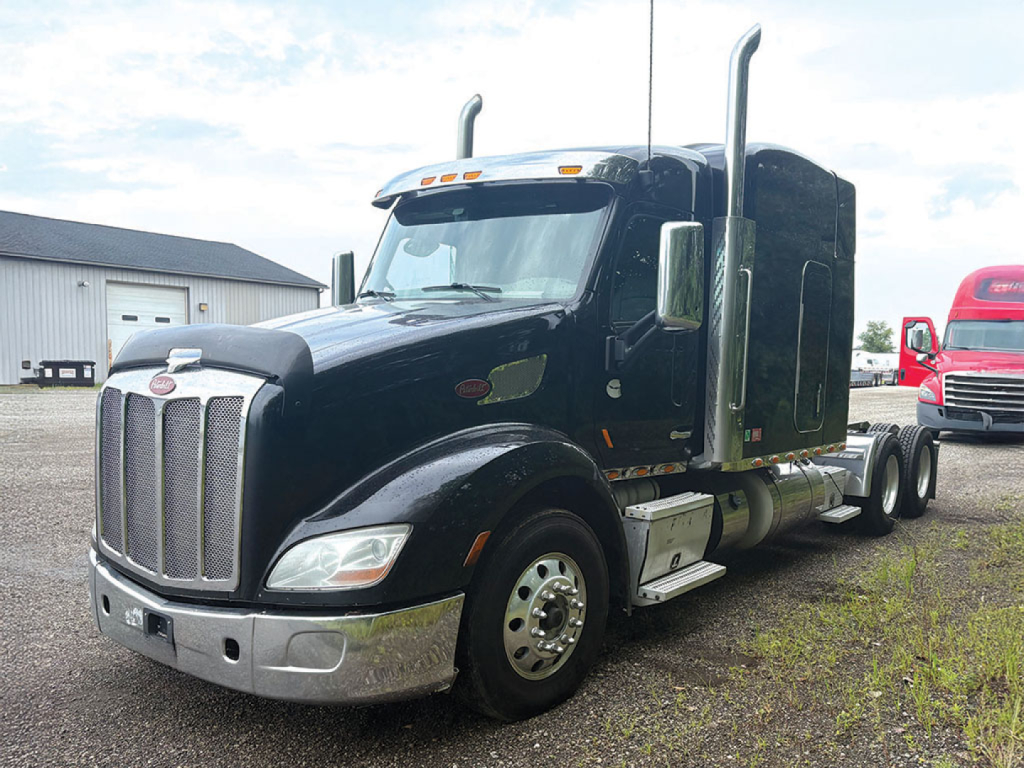
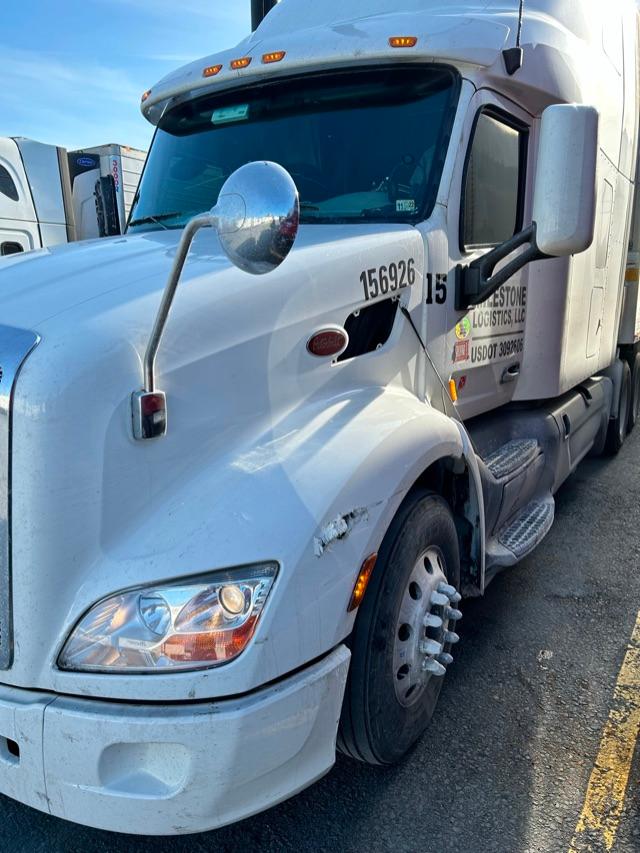

Have used peterbilt conventional sleeper truck to sell? List it here to reach thousands of buyers.
Used Peterbilt Conventional Sleeper Trucks in Pennsylvania
Common specs in this category include Cummins ISX15 and X15 engines, with some older long-hood trucks powered by Caterpillar C15 engines. Horsepower often lands in the 450 to 550 HP range, with rear axle ratings around 40,000 pounds and ratios from about 3.36 to 4.10 depending on intended use. Manual transmissions are still common in older Peterbilt sleepers, especially 18-speed setups paired with engine brakes for mountain work and heavier trailers. Buyers comparing Pennsylvania trucks should pay close attention to wheelbase, fifth wheel type, suspension spec, brake configuration, and tire setup. A 230 to 235 inch wheelbase truck will behave very differently from a 300-plus inch extended hood configuration, especially around docks, tight yards, and Northeast routes.
The sleeper itself matters as much as the drivetrain. Peterbilt Unibilt sleepers are commonly found in 36-inch flat-top, 44-inch high-roof, and larger stand-up configurations. A shorter sleeper can make sense for regional lanes or specialized hauling where wheelbase control matters. A larger UltraCab or stand-up sleeper gives more livability for over-the-road runs, team operation, and drivers who spend extended time in the truck. Features like bunk heaters, dual fuel tanks, power windows, tilt and telescoping steering, and air ride suspension can make a meaningful difference in driver retention and daily comfort, especially on Northeast and Mid-Atlantic lanes where weather swings and stop-and-go traffic are part of the job.
On used Peterbilt conventional sleepers, condition is largely about maintenance history and spec alignment. Check for engine and aftertreatment service records, clutch and transmission condition on manual trucks, suspension wear, frame integrity, and signs of corrosion from winter road treatment common in Pennsylvania. On older 379 and 367 platforms, buyers often focus on driveline durability, axle ratings, and ease of repair. On newer 579 sleepers, attention usually shifts toward aerodynamics, emissions system health, cab electronics, and total operating cost. A well-matched used Peterbilt sleeper can cover a wide range of freight, but the best value comes from choosing the right sleeper size, hood style, axle ratio, and drivetrain for the lanes and trailers the truck will actually run.
Frequently Asked Questions about Used Peterbilt Conventional Sleeper Trucks in Pennsylvania
What is the difference between a Peterbilt 579, 367, and 379 conventional sleeper truck?
The Peterbilt 579 is typically the aerodynamic highway tractor in this category, built for fuel efficiency, fleet service, and long-haul freight. The 367 is more vocational in its roots and is often spec'd for heavier-duty work, including heavier frame, axle, and suspension combinations with a sleeper added for extended trips. The 379 is the classic long-hood Peterbilt, popular with owner-operators and buyers who value a traditional platform, service access, and custom appearance. The right choice depends on freight type, desired wheelbase, operating cost targets, and whether the truck will spend more time on interstate lanes or in specialized hauling.
What engine and transmission specs are common in used Peterbilt sleeper trucks?
Used Peterbilt conventional sleepers commonly carry Cummins ISX15 or X15 engines, and older units may have Caterpillar C15 power. Horsepower often falls between 450 and 550, with torque suited for van, flatbed, and heavier specialized loads. Many used trucks in this class still have manual transmissions, especially 10-speed and 18-speed Eaton Fuller setups, although automated manuals are also found in newer highway specs. Rear axle ratios can vary widely, and that ratio has a major impact on fuel mileage, cruise RPM, startability, and grade performance.
How important is sleeper size on a used Peterbilt conventional truck?
Sleeper size directly affects wheelbase, maneuverability, driver comfort, and the type of work the truck fits best. A 36-inch flat-top sleeper is common for regional work, shorter overnight runs, and applications where a compact tractor is easier to route and back. Larger sleepers such as a 44-inch high-roof or 70-inch stand-up provide more storage and livability for over-the-road work. Buyers should match sleeper size to trip length, parking constraints, and the amount of time the driver is expected to spend in the cab.
What should buyers inspect on a used Peterbilt sleeper truck in Pennsylvania?
Pennsylvania buyers should inspect for corrosion on frame rails, crossmembers, cab mounts, brackets, and air and electrical connections because winter road treatment can accelerate rust. Beyond corrosion, key checkpoints include engine history, aftertreatment performance, clutch wear, transmission operation, suspension bushings, steer axle and drive axle condition, brake system health, and signs of damage around the fifth wheel area. Tire wear patterns and alignment also reveal a lot about prior maintenance. On any used sleeper tractor, service documentation is just as important as cosmetic condition.
Are used Peterbilt conventional sleepers good for both regional and long-haul work?
Yes, but only when the spec matches the job. A more aerodynamic 579 with a moderate axle ratio and mid-size sleeper is often a good match for regional and over-the-road van freight. A heavier 367 or long-wheelbase 379 may be better suited for flatbed, specialized, or higher-horsepower applications where durability and gearing matter more than pure fuel economy. The category is broad, so buyers should evaluate GCWR needs, trailer type, average route length, terrain, and driver comfort requirements before narrowing down a truck.