
Used Peterbilt Trucks For Sale in Kansas
Browse used Peterbilt trucks for sale in Kansas, including vocational and highway models known for durability, driver comfort, and strong resale value.
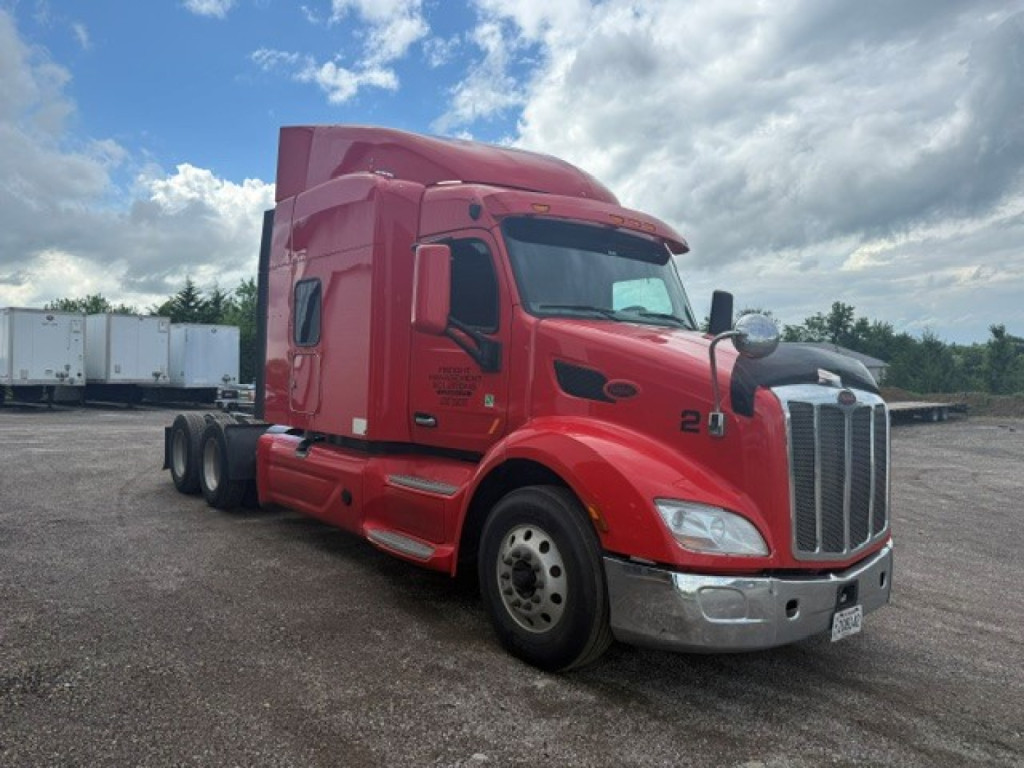
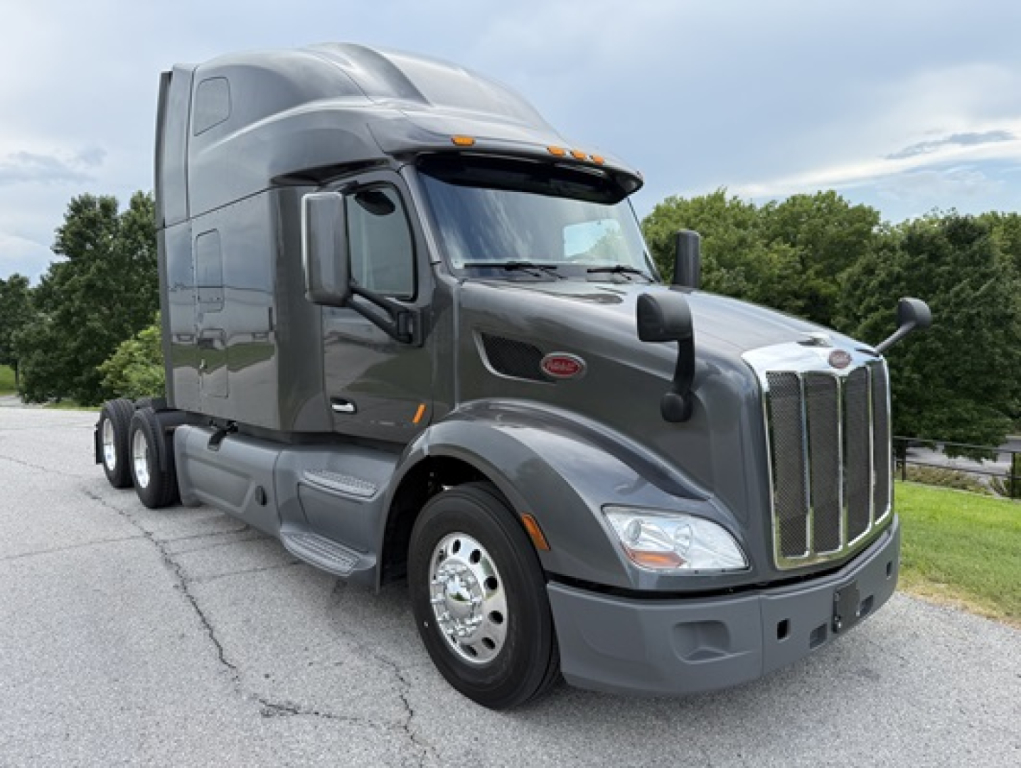
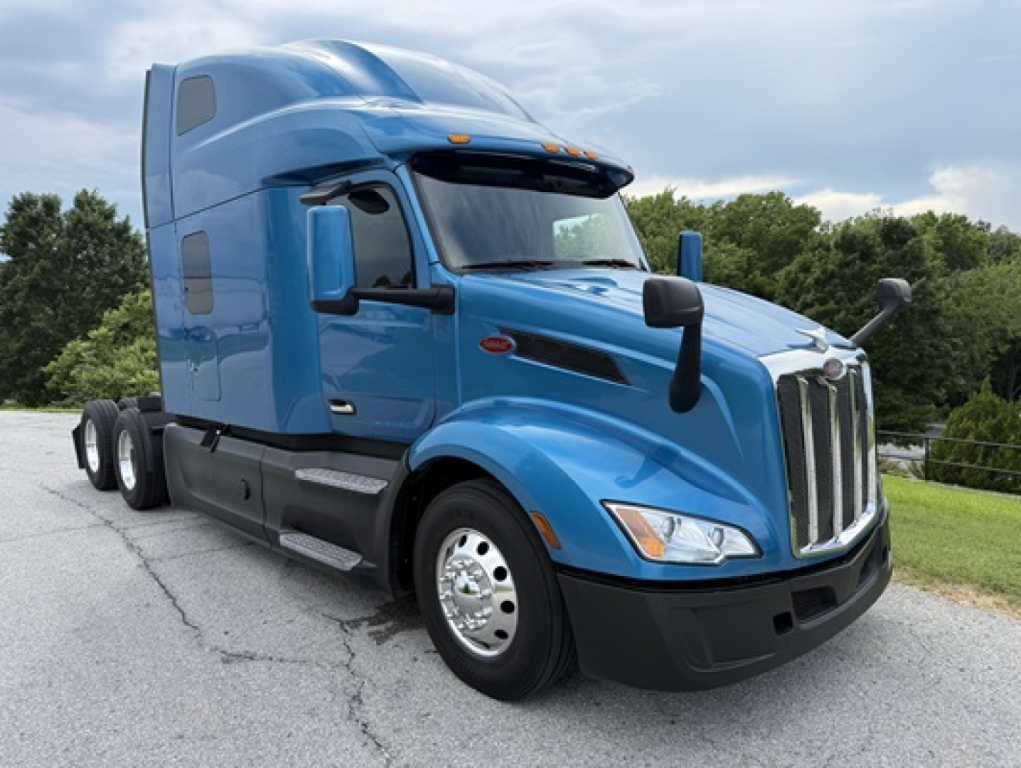
Have used peterbilt truck to sell? List it here to reach thousands of buyers.
Used Peterbilt Trucks in Kansas
For on-highway buyers, the most common used Peterbilt models are conventional sleepers and day cabs with PACCAR MX-series engines, along with many units powered by Cummins X15 or older ISX platforms. Transmission choices often include Eaton manual, Eaton UltraShift and Endurant automated manuals, with axle ratios and horsepower ratings varying widely based on original duty cycle. A fuel-efficient fleet tractor spec will look very different from a heavier regional or specialized haul spec, so pay attention to rear axle rating, suspension type, fifth wheel setup, and sleeper size. If the truck will spend time crossing western Kansas or running I-70 with variable wind and grade, drivetrain gearing and emissions history deserve close review.
Vocational Peterbilt trucks also have a strong following because the brand offers durable chassis layouts, good visibility, and body-builder compatibility. Buyers comparing used units should look closely at frame specs, PTO provisions, front axle capacity, lift axles, and whether the truck was ordered with lockers, full fenders, or severe-service suspension. Interior condition can tell you a lot about overall care, but maintenance records, engine hours, and signs of prior frame or body modification usually matter more than cosmetic appearance. On late-model used trucks, emissions components such as the DPF, DEF system, EGR hardware, and aftertreatment service history can have a major effect on operating cost.
Peterbilt is also known for a strong parts network and a loyal owner base, which helps support older trucks as well as newer fleet-style models. For a Kansas buyer, practical considerations include wheelbase for turning in farm yards or job sites, sleeper and fuel capacity for longer Midwest lanes, and corrosion exposure if the truck has seen winter road treatment. A well-matched used Peterbilt can offer a solid combination of driver appeal, serviceability, and long-term value, but the best choice comes down to axle configuration, engine-transmission pairing, and the kind of freight or vocational work the truck will handle every week.
Frequently Asked Questions about Used Peterbilt Trucks in Kansas
What are the most common used Peterbilt truck models buyers shop for?
The most common used Peterbilt trucks include the 579 for aerodynamic highway use, the 389 for traditional long-hood applications, and various vocational models configured for dump, tanker, mixer, or heavy-haul work. The right model depends on the job. A 579 is typically aimed at fuel economy and over-the-road efficiency, while a 389 or vocational chassis may be better suited to specialized hauling, PTO work, or severe-duty service.
Are used Peterbilt trucks expensive to maintain?
Maintenance cost depends more on engine, emissions system condition, mileage, and prior use than on the badge alone. Peterbilt trucks generally benefit from strong parts support and broad service familiarity, which helps with uptime. Buyers should review aftertreatment history, check for oil or coolant leaks, inspect suspension and steering wear, and confirm that routine maintenance was done on schedule. A well-documented used truck is usually a safer buy than one with unknown service history.
What should I check first on a used Peterbilt highway tractor?
Start with the drivetrain and application match. Confirm engine make and horsepower, transmission type, rear axle ratio, and whether the truck was spec'd for long-haul, regional, or heavier-duty work. Then review mileage versus engine hours, inspect the fifth wheel and frame for wear, and look at tire condition, brake life, and suspension components. On sleeper models, cab and bunk condition also matter because they can indicate how the truck was treated over time.
Is a used Peterbilt a good choice for Kansas operations?
A used Peterbilt can be a strong fit for Kansas because the brand covers both highway and vocational applications well. Buyers running across open interstate corridors should pay attention to aerodynamics, gearing, and fuel capacity, especially in areas with steady wind exposure. For farm, construction, or local work, wheelbase, axle capacity, PTO setup, and maneuverability are often more important than sleeper size or fairing package.
Do Peterbilt trucks hold their value well on the used market?
Peterbilt trucks typically hold value well because of brand demand, driver preference, and continued support for both newer and older models. Resale strength is usually best on clean, properly maintained units with desirable engine and transmission combinations. Spec matters a lot. A truck with a common fleet-friendly configuration or a vocational setup that matches market demand will usually be easier to resell than an unusual or highly specialized build.