
Used Peterbilt Trucks For Sale in Iowa
Browse used Peterbilt trucks for sale in Iowa. Compare popular models, sleeper and day cab specs, engines, transmissions, and application fit.
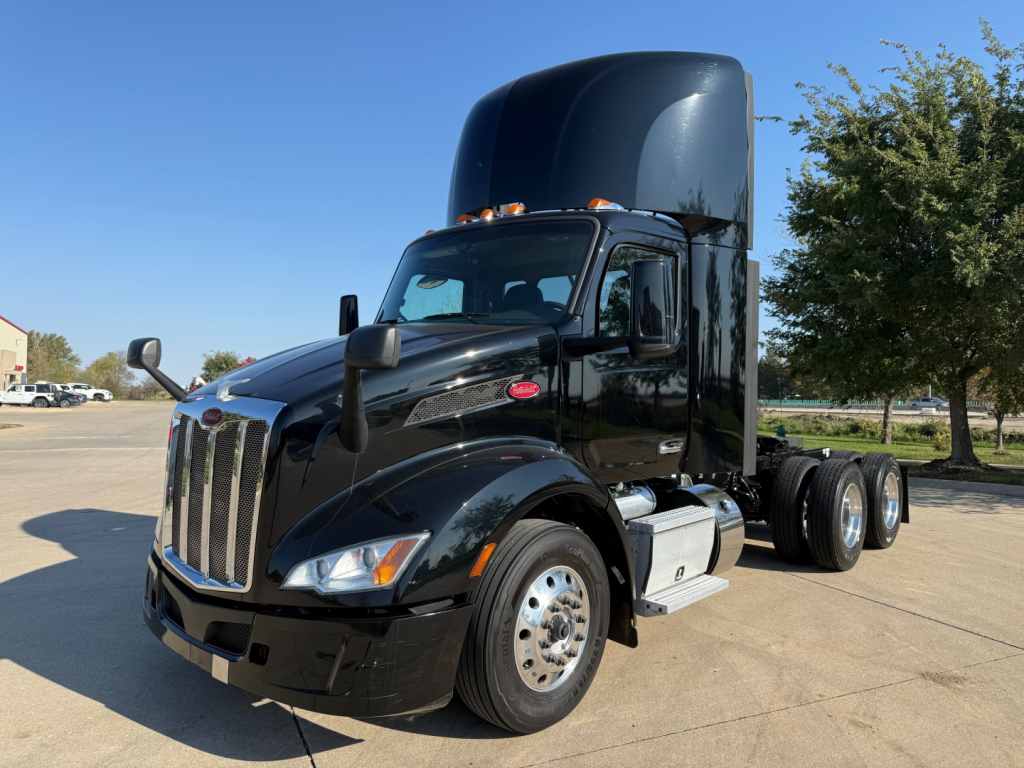
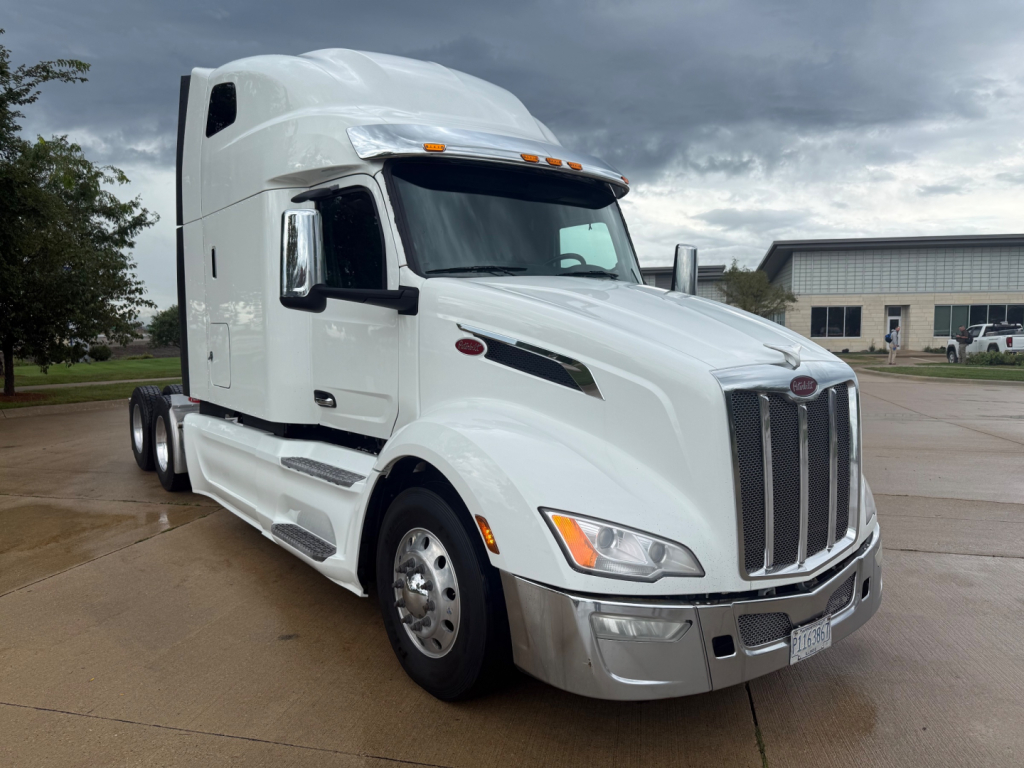
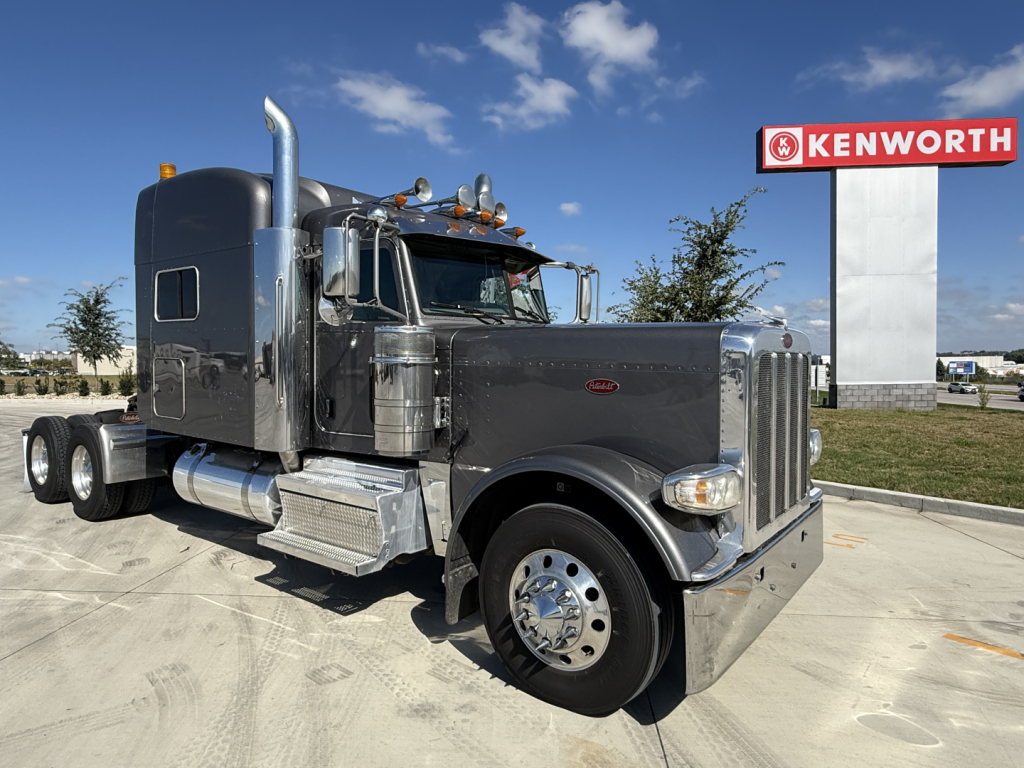
Selling a used peterbilt truck? List your used peterbilt truck for sale and reach thousands of commercial buyers.
Used Peterbilt Trucks in Iowa
A used Peterbilt tractor or cab and chassis can vary widely by spec, even within the same model. Many highway units are equipped with PACCAR MX engines or Cummins power, paired with Eaton manual, UltraShift, Endurant, or other automated transmissions. Buyers should confirm horsepower and torque ratings, rear axle ratio, suspension type, and whether the truck was ordered for fuel economy or heavier vocational duty. Sleeper size matters for over-the-road work, while a day cab may be the better fit for regional routes and local delivery. Cab and chassis listings deserve extra attention to frame length, axle setup, and PTO compatibility if the plan is to mount a dump body, service body, rollback, or other upfit.
Condition matters more than badge alone on a used Peterbilt. A higher-mileage 579 can still be a solid value if maintenance history, emissions repairs, and regen performance check out. On late-model diesel trucks, buyers should inspect DPF, SCR, EGR, NOx sensor history, and any signs of repeated derates or parked regens. It is also smart to review clutch wear on manual units, shift quality on automated transmissions, kingpins, bushings, steer tire wear, and frame condition around suspension mounts and crossmembers. Interior condition can tell you a lot about how the truck was treated, especially on fleet tractors that spent years in linehaul service.
For Iowa buyers, practical fit often comes down to payload needs, route profile, and service access. Peterbilt trucks are commonly chosen for their aluminum cab construction on many models, comfortable driver environment, and broad dealer network, but the right used truck is the one with the spec package that matches your freight and operating costs. If the truck will spend most of its time on the highway, focus on aerodynamics, engine brake performance, and fuel-efficient gearing. If it will work in mixed farm, gravel, or municipal service, pay closer attention to axle ratings, ground clearance, suspension durability, and chassis layout. A well-matched used Peterbilt can stay productive for a long time, but only if the truck’s original build aligns with the job it is being asked to do now.
Frequently Asked Questions about Used Peterbilt Trucks in Iowa
What are the most common used Peterbilt truck models buyers look for?
The most common used Peterbilt models depend on the job. The Peterbilt 579 is a popular aerodynamic highway tractor for long-haul and regional freight. The 389 is widely known for its traditional long-hood styling and owner-operator appeal. The 567 is a common vocational choice for dump, mixer, heavy-haul, and construction applications. Buyers shopping cab and chassis units should focus less on model name alone and more on axle ratings, frame spec, wheelbase, and engine-transmission combination.
Are used Peterbilt trucks expensive to maintain?
Maintenance cost depends more on engine platform, emissions system condition, mileage, and prior service history than the Peterbilt name alone. Peterbilt generally benefits from strong parts availability and wide service familiarity, which helps on repair planning. Premium trim and brand reputation can keep purchase prices higher than some competitors, but that can also support resale value. A truck with documented preventive maintenance and clean aftertreatment history is usually a better buy than a cheaper unit with unresolved derate or SCR issues.
What should I check first on a used Peterbilt 579 or similar highway tractor?
Start with the powertrain and emissions records. Confirm engine make, horsepower, transmission model, rear axle ratio, and total miles or engine hours. Then inspect DPF and SCR service history, look for fault codes, verify regen operation, and check for signs of recurring NOx or EGR problems. After that, review suspension wear, steer axle components, brake condition, tire pattern wear, and any frame or fifth wheel wear that suggests hard service. Sleeper function, HVAC operation, and interior wear also matter on long-haul units.
Is a used Peterbilt cab and chassis a good platform for upfitting?
A used Peterbilt cab and chassis can be an excellent upfit platform if the frame and axle specs match the intended body. Buyers should verify usable cab-to-axle dimension, frame rail condition, PTO provisions, front and rear axle ratings, and suspension capacity before planning a body install. Electrical architecture and available space for hydraulics or auxiliary equipment also matter. The best outcome comes from matching the original chassis design to the target application instead of trying to force a light-duty highway spec into vocational service.
Why do used Peterbilt trucks hold value well?
Used Peterbilt trucks often hold value well because of brand reputation, driver preference, recognizable styling, and strong demand in both fleet and owner-operator channels. Many buyers also associate Peterbilt with premium interiors, durable construction, and broad service support. Resale is strongest when the truck has a desirable engine-transmission spec, clean maintenance history, and an application-friendly configuration. Condition and spec still drive the real market value, but Peterbilt tends to remain highly visible and competitive in the used truck market.