
Used 2024 Peterbilt Trucks For Sale
Shop used 2024 Peterbilt trucks including highway and vocational models. Compare specs, engines, sleepers, wheelbases, and driveline setups.
Selling a used 2024 peterbilt truck? List your used 2024 peterbilt truck for sale and reach thousands of commercial buyers.
Used 2024 Peterbilt Trucks
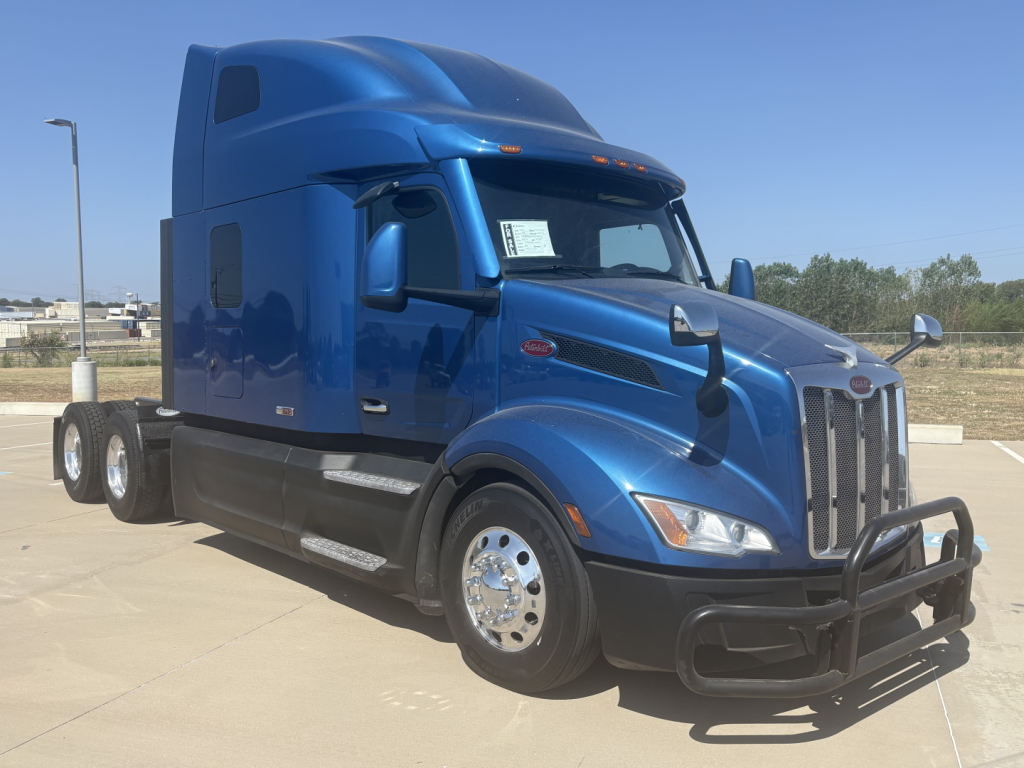
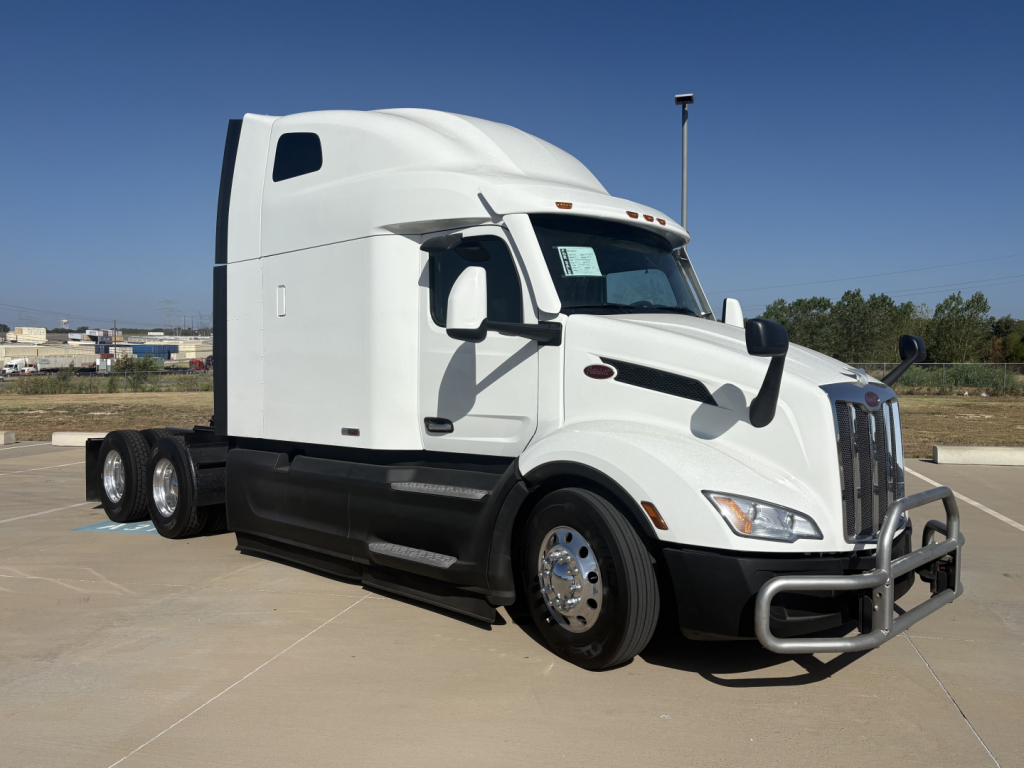
The biggest buying decision is usually application and drivetrain. For over-the-road work, many 2024 Peterbilt trucks are spec'd with PACCAR MX or Cummins X15 power, automated manual transmissions, tandem rear axles, and ratios aimed at fuel economy and downsped cruising. Sleeper versions may include high-roof or mid-roof configurations with common amenities such as bunk heaters, inverters, idle management, digital dash displays, and collision mitigation systems. Day cabs and regional tractors tend to focus on shorter wheelbases, easier maneuverability, and lower curb weight. If the truck is being matched to a specific trailer set or freight lane, pay close attention to wheelbase, fifth wheel placement, rear axle rating, fuel capacity, and tire size.
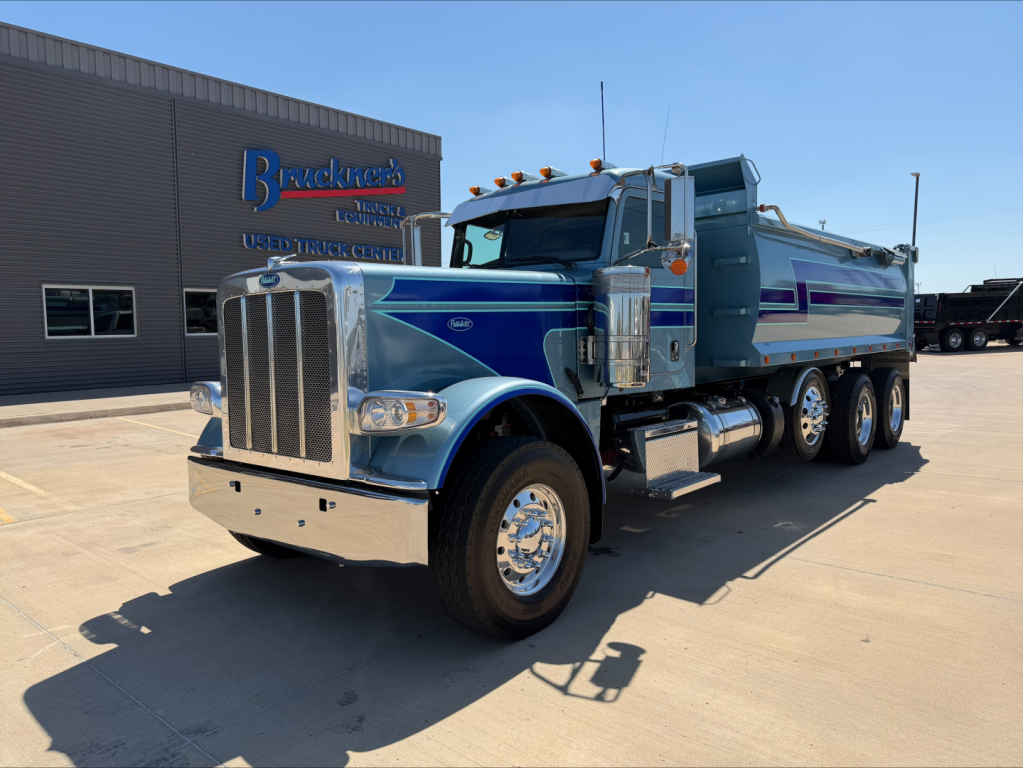
For vocational buyers, a used 2024 Peterbilt truck may be set up as a dump truck, roll-off, mixer, box truck, hooklift, or heavy-spec chassis. In that part of the market, front axle capacity, suspension type, PTO provisions, frame rail spec, and body compatibility matter more than sleeper size or aero package. Buyers should also confirm emissions warranty status, idle hours versus road miles, and any factory telematics or ADAS equipment still active on the truck. Late-model units can carry a lot of electronic content, so service history, fault code records, and software update documentation are worth reviewing alongside the standard checks for tires, brakes, DPF performance, and suspension wear.
A used 2024 Peterbilt can be a strong value when the spec matches the job. Highway buyers usually focus on fuel economy, cab comfort, and remaining component life. Vocational buyers tend to prioritize axle ratings, body integration, and uptime under severe service. In either case, review engine model, horsepower, torque, transmission type, rear ratio, gross axle weight ratings, and cab configuration before comparing price alone. The right 2024 Peterbilt truck should fit the freight, the route, and the maintenance plan without forcing a compromise on payload or reliability.
Frequently Asked Questions about Used 2024 Peterbilt Trucks
What are the most common 2024 Peterbilt truck models buyers look for?
The most commonly searched 2024 Peterbilt trucks are typically highway tractors such as the Peterbilt 579, plus day cab and vocational chassis configured for regional and jobsite work. The exact mix depends on market demand, but buyers usually sort first by application, then by cab style, engine, axle configuration, and body compatibility. For over-the-road use, aerodynamic sleeper and day cab tractors are the main focus. For vocational use, buyers often narrow by front axle rating, suspension, PTO setup, and frame specifications.
What engine and transmission setups are common in used 2024 Peterbilt trucks?
Many used 2024 Peterbilt trucks are equipped with PACCAR MX-series engines or Cummins power, often paired with automated manual transmissions for fuel economy and easier driver onboarding. Highway specs commonly target efficient cruising with lower rear axle ratios, while vocational specs may use gearing better suited for stop-and-go work, gradeability, or PTO-driven equipment. The right combination depends on gross weight, terrain, trailer type, and annual mileage. Buyers should compare horsepower, torque, transmission model, rear ratio, and axle ratings as a complete package rather than looking at any one number by itself.
Is buying a used 2024 Peterbilt truck a good value compared with buying new?
A used 2024 Peterbilt can offer strong value because it is still a late-model truck with current technology, but it may avoid the full price of a new unit. That matters to fleets managing capital costs and to owner-operators who want modern comfort and safety features with less upfront expense. Value depends on mileage, engine hours, maintenance history, warranty transferability, and how well the original spec matches the intended job. A well-maintained 2024 truck with the right drivetrain and axle package is often a better buy than a newer or more expensive truck with the wrong spec.
What should I inspect first on a used 2024 Peterbilt truck?
Start with service records, engine hours, odometer miles, and any diagnostic or fault code history. On late-model Peterbilt trucks, it is especially important to verify emissions system performance, ADAS calibration status, software updates, and warranty information. After that, inspect tires, brakes, suspension components, steering wear, fifth wheel condition, and signs of frame or body modification if the truck was built for vocational use. A current truck can still hide expensive downtime if maintenance intervals were missed or if electronic systems were neglected.
How do I choose between a sleeper, day cab, or vocational 2024 Peterbilt truck?
The choice comes down to route length, payload needs, and the type of work the truck will perform. A sleeper is the better fit for long-haul freight where driver comfort, storage, and idle management matter. A day cab is usually the better option for local or regional work where lower weight, tighter turning, and easier trailer spotting are more important. A vocational configuration is built around body installation and severe-service demands, so buyers should prioritize frame strength, axle capacity, PTO readiness, and suspension design over highway comfort features.