
Used 2012 Peterbilt Trucks For Sale
Shop used 2012 Peterbilt trucks including day cabs and sleepers. Compare engines, wheelbases, axle ratings, emissions systems, and specs.
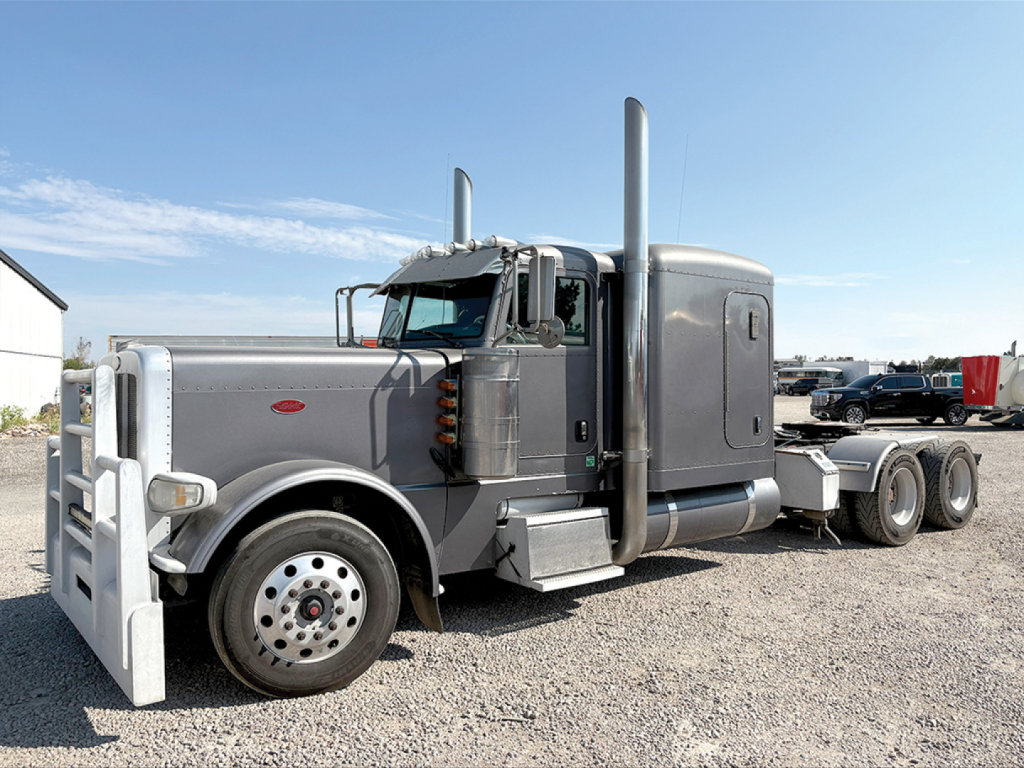
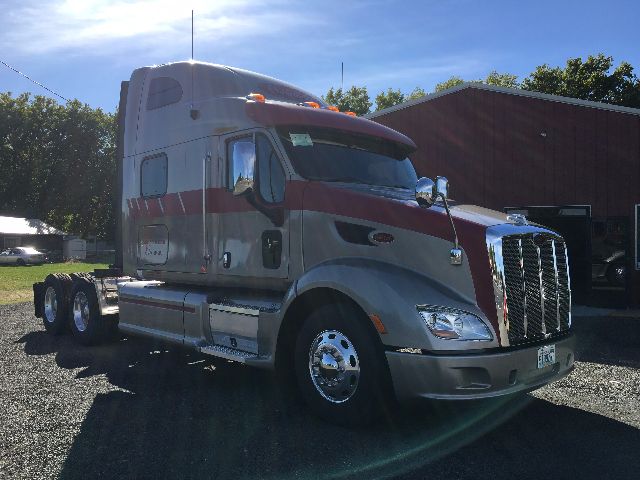
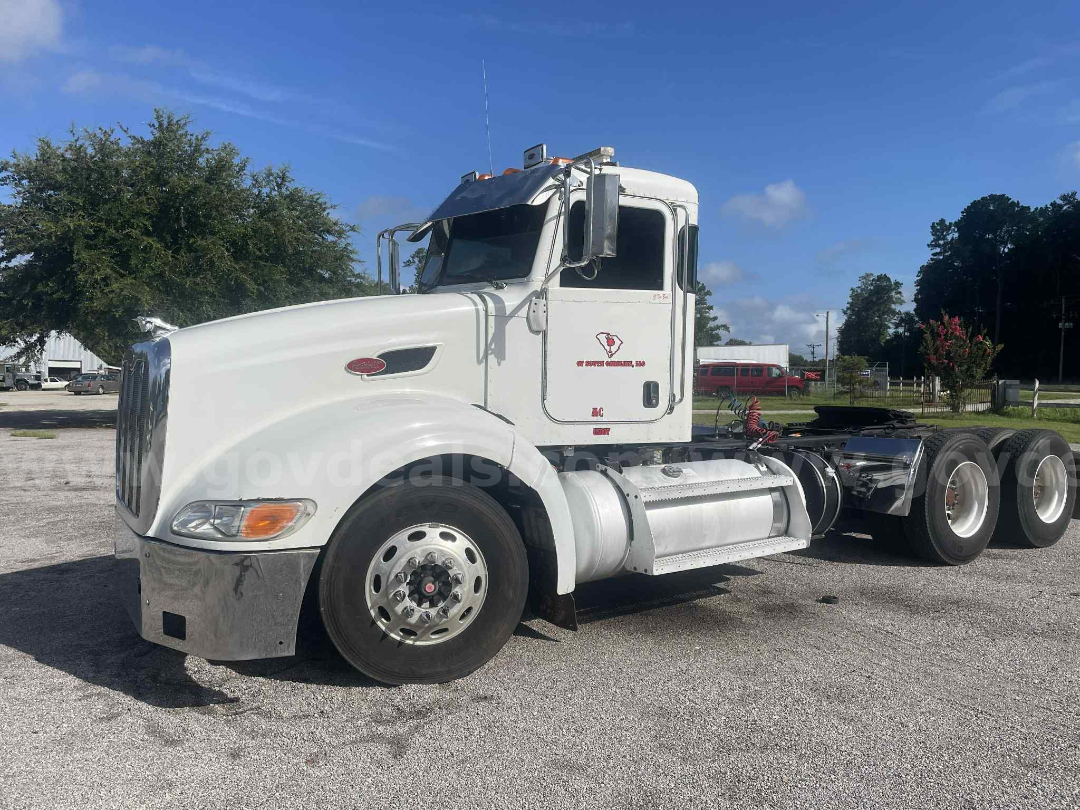
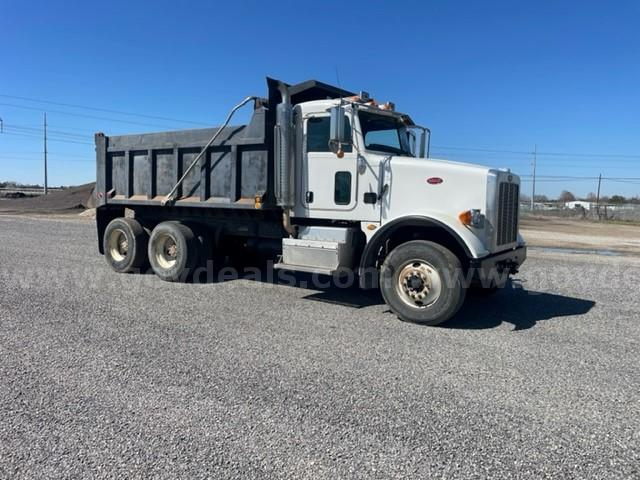

Have used 2012 peterbilt truck to sell? List it here to reach thousands of buyers.
Used 2012 Peterbilt Trucks
The first buying decision is usually application. A 2012 Peterbilt sleeper built for long haul freight may have a high-roof cab, larger fuel capacity, fairings, and a highway gear ratio intended to keep engine rpm down at cruise speed. A day cab or vocational truck from the same year may have a shorter wheelbase, higher rear axle ratio, PTO provisions, heavier front axle, and less emphasis on cab extenders or sleeper storage. Buyers should match wheelbase, axle capacity, suspension type, and fifth wheel setup to the work. On road tractors, kingpin settings, sliding fifth wheels, and axle spread matter if the truck will run in multiple trailer configurations or across bridge-law-sensitive routes.
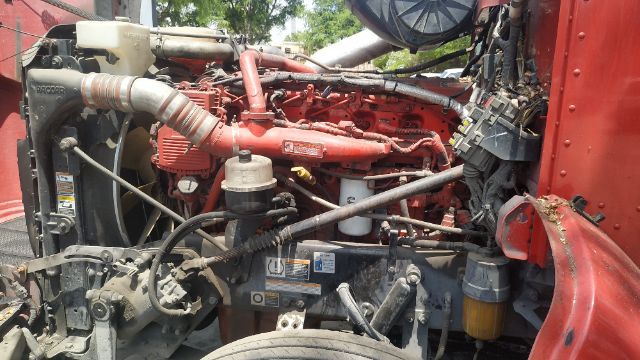
Powertrain matters more than the badge on the hood. Many used 2012 Peterbilt trucks were spec'd with Cummins ISX, PACCAR MX, or other heavy-duty diesel platforms depending on model and original application, paired with manual, automated-manual, or automatic transmissions. Rear axle ratings commonly fall in the 40,000 to 46,000 pound range on tandem tractors, with ratios selected for either fuel economy or gradeability. Because 2012 trucks are emissions-era units, buyers should pay close attention to DPF, DEF, EGR, and aftertreatment service history. A clean overhead record, documented regeneration patterns, injector work, turbo history, and evidence of proper emissions maintenance can be more important than cosmetic condition.
Cab condition and chassis spec tell you a lot about how a used 2012 Peterbilt was operated. Interior wear on seats, switches, steering trim, and bunk components can reveal whether the truck spent its life in linehaul service, local work, or driver-slip-seat use. Outside, look for frame modifications, corrosion around battery boxes and crossmembers, suspension wear, and signs of prior body or hood repairs. Peterbilt trucks from this period are valued for their driver appeal, serviceability, and strong presence in both owner-operator and fleet service, but the right truck is the one with a chassis spec, emissions history, and maintenance record that fits the intended freight and operating region.
Frequently Asked Questions about Used 2012 Peterbilt Trucks
What are the most common 2012 Peterbilt truck models buyers look for?
Common 2012 Peterbilt trucks include aerodynamic highway models such as the 386 and 587, vocational and severe-service models like the 367, and long-hood conventionals such as the 389. The right choice depends on the job. Sleeper tractors are generally better for long-haul freight, while day cabs and vocational configurations are better suited for regional hauling, construction, dump, heavy haul, or PTO-driven work.
What engines are common in used 2012 Peterbilt trucks?
Many 2012 Peterbilt trucks were equipped with Cummins ISX or PACCAR MX-series diesel engines, depending on model and original spec. Horsepower ratings vary by application, but highway tractors often fall in the mid-400 horsepower range, while vocational units may be geared and tuned differently for load starting and low-speed work. Engine choice should be evaluated alongside transmission type, rear axle ratio, and maintenance records rather than by brand name alone.
Are 2012 Peterbilt trucks emissions-equipped?
Yes. A 2012 Peterbilt truck is part of the modern emissions era and typically uses systems such as EGR, DPF, and DEF-based SCR aftertreatment. That means buyers should verify service history for emissions components, check for fault codes, and confirm the truck has been maintained properly rather than deleted or neglected. Aftertreatment condition has a direct effect on uptime, fuel economy, and repair cost.
What should I inspect on a used 2012 Peterbilt before buying?
Focus on the full operating spec and maintenance condition. Key checkpoints include engine blow-by, fault codes, transmission performance, clutch condition on manuals, suspension wear, tire wear pattern, brake condition, frame integrity, and any signs of fifth wheel or kingpin misuse. On sleeper models, check bunk HVAC, inverters, APUs, and interior electrical functions. On any 2012 unit, documented emissions repairs and consistent preventive maintenance are major value indicators.
Is a used 2012 Peterbilt a good fit for owner-operators?
A used 2012 Peterbilt can be a strong fit for owner-operators who want a truck with solid brand recognition, broad parts availability, and a cab design that many drivers still prefer. The key is buying a spec that matches the freight. A fuel-efficient highway truck with the right ratio and sleeper setup works well for general freight, while a heavier vocational spec is better for specialized work. Total cost depends less on the nameplate and more on prior maintenance, emissions health, and how well the truck's chassis matches the intended lane and load.