
Used 2010 Peterbilt Trucks For Sale
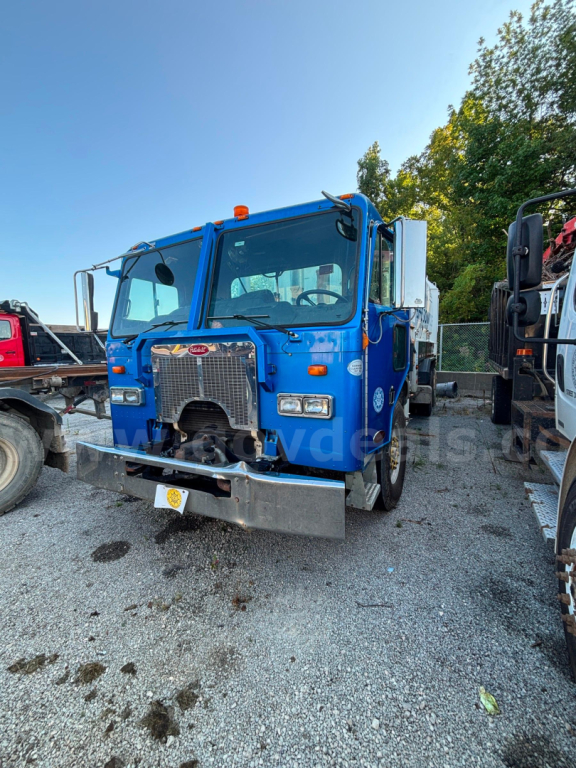
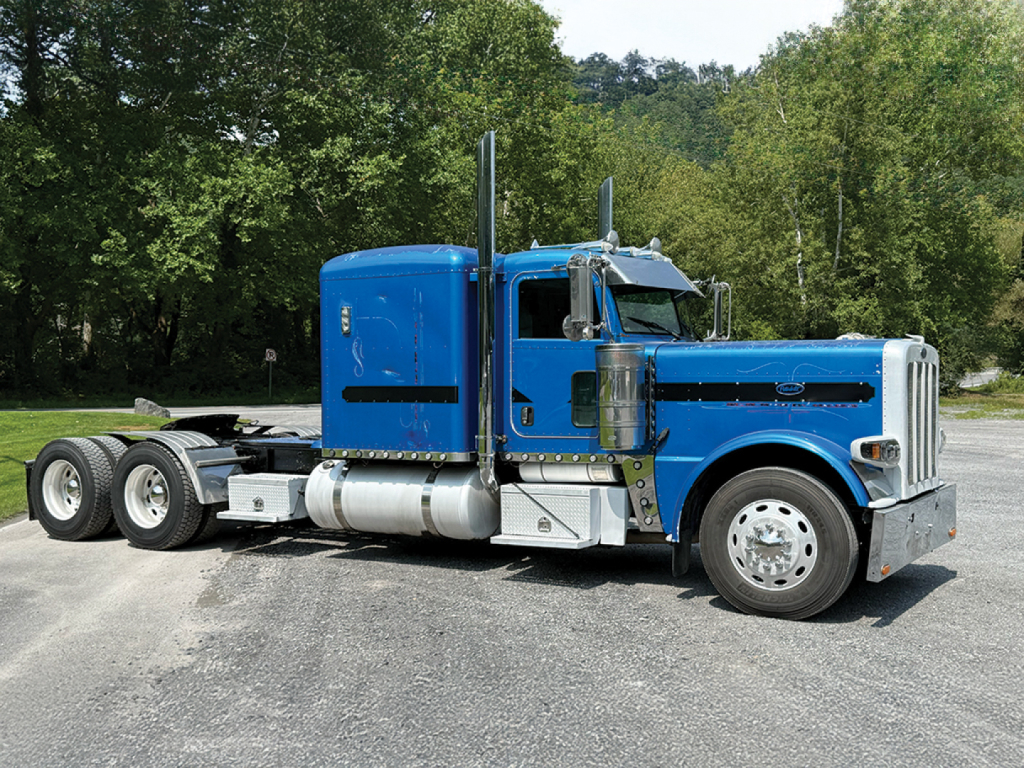

Have used 2010 peterbilt truck to sell? List it here to reach thousands of buyers.
Used 2010 Peterbilt Trucks
A 2010 Peterbilt can be a practical fit for regional freight, long-haul lanes, heavy haul, construction support, or municipal work, but the right configuration matters. Highway tractors from this era are often found with tandem rear axles, air ride suspension, 10-speed, 13-speed, 18-speed, or automated transmissions, and ratios tuned either for fuel mileage or pulling power. Sleeper models may carry mid-roof or high-roof cab packages with larger fuel capacity, while day cabs are usually spec’d for shorter wheelbases and tighter turning. Buyers looking at vocational Peterbilts should pay close attention to front axle capacity, double-frame construction, PTO setup, suspension type, and body compatibility, especially if the truck will handle cranes, wreckers, dumps, or rollback equipment.
Because 2010 falls in a transitional emissions period, engine and aftertreatment details deserve extra scrutiny. Many trucks from this year use diesel particulate filter systems, and buyers should review regeneration history, fault codes, sensor replacement records, and any documentation on injector, turbo, EGR, or DPF service. On highway models, common checkpoints include clutch wear on manual transmissions, calibration and shift quality on automated units, kingpin and bushing wear, fifth wheel condition, and signs of frame corrosion around crossmembers and suspension hangers. Interior condition also matters more than many buyers expect, since switchgear, HVAC performance, bunk components, and dash electronics can reveal how the truck was operated and maintained.
Peterbilt remains a strong name in the used truck market because parts access, driver acceptance, and upfit flexibility are generally solid across the brand. A well-matched used 2010 Peterbilt truck can still deliver dependable service if the spec aligns with the load, terrain, and miles you plan to run. Compare engine family, transmission model, rear axle ratio, wheelbase, suspension, and cab type carefully, then weigh those specs against maintenance records and any evidence of prior vocational stress or over-the-road use. That approach usually tells you more than odometer reading alone.
Frequently Asked Questions about Used 2010 Peterbilt Trucks
What should I look for first when buying a used 2010 Peterbilt truck?
Start with the truck’s original application and core drivetrain spec. The engine model, transmission type, rear axle ratio, axle ratings, wheelbase, and suspension setup should match the work you expect the truck to do. After that, review maintenance records closely, especially for emissions-related repairs, clutch or transmission service, suspension wear, and any frame or body modifications. A 2010 Peterbilt that was correctly spec’d and consistently maintained is usually a better buy than a lower-priced truck with mismatched gearing or incomplete service history.
Are 2010 Peterbilt trucks good for long-haul use?
Many 2010 Peterbilt trucks are well suited for long-haul service, especially sleeper and aerodynamic conventional models spec’d with tandem rears, fuel-efficient axle ratios, and highway transmissions. The best long-haul setup depends on freight weight, terrain, and average trip length. Buyers should focus on sleeper size, fuel capacity, engine horsepower and torque, ride quality, and the condition of the fifth wheel, driveline, and aftertreatment system. A truck built for linehaul work will usually perform better and cost less to operate than a vocational spec repurposed for over-the-road use.
Do 2010 Peterbilt trucks have emissions equipment that needs special attention?
Yes. Most 2010 Peterbilt trucks fall into an emissions era where diesel particulate filter systems and related aftertreatment components are important inspection points. Buyers should check for active or stored fault codes, verify that regeneration functions properly, and look for records covering DPF cleaning, EGR repairs, turbo work, injector replacement, and sensor updates. Emissions problems can become expensive quickly, so a pre-purchase inspection with an electronic scan is strongly recommended on any used 2010 truck.
Which specs matter most on a used 2010 Peterbilt day cab or sleeper?
For a day cab or sleeper, the most important specs are engine family, horsepower, transmission model, rear axle ratio, suspension type, and wheelbase. These directly affect fuel economy, startability, cruise RPM, maneuverability, and payload suitability. On sleepers, bunk layout, HVAC performance, inverter or APU provisions, and fuel tank size also matter. Buyers comparing similar trucks should give extra weight to rear ratio and transmission pairing, because that combination often determines how efficiently the truck runs at highway speed.
Are parts and service support still good for a 2010 Peterbilt truck?
Parts and service support are generally still strong for 2010 Peterbilt trucks, which is one reason they remain active in the used market. Availability depends somewhat on the exact model, engine platform, and any specialty equipment mounted on the chassis, but common chassis, cab, suspension, and drivetrain components are typically well supported. Buyers should still confirm support for emissions components, electronic modules, and any body-specific or wrecker-specific equipment before purchase, especially on vocational or heavily customized units.