
Used 2007 Peterbilt Trucks For Sale
Browse used 2007 Peterbilt trucks, including day cabs and sleepers, with specs on engines, wheelbase, axle ratings, and vocational fit.
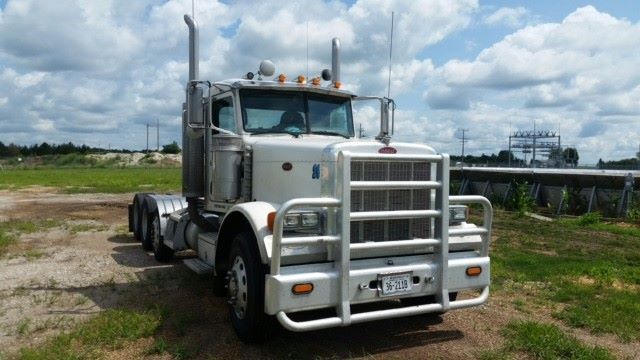
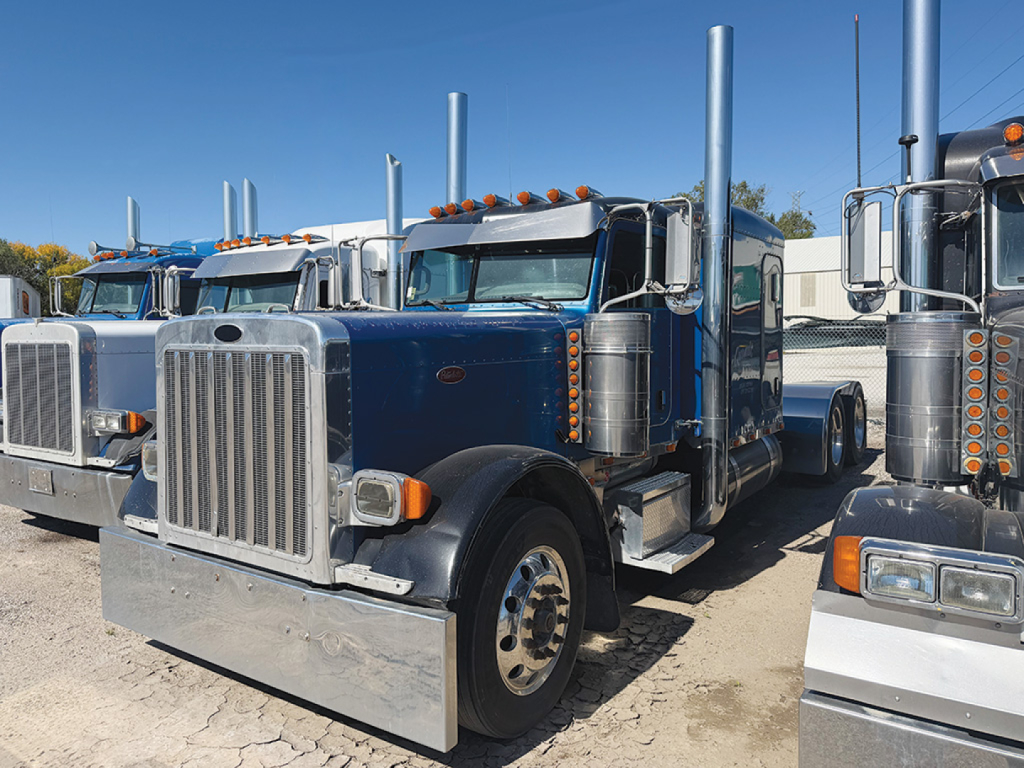
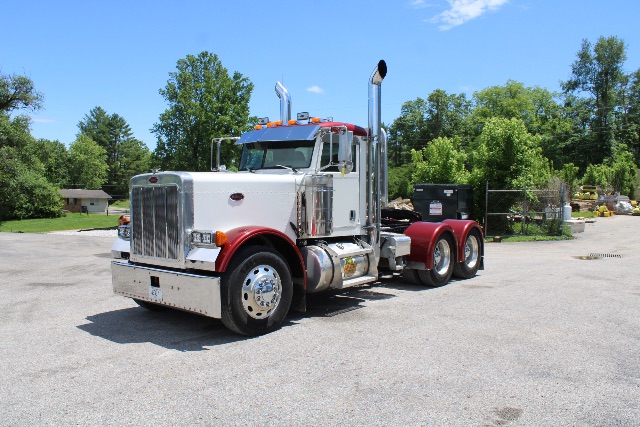
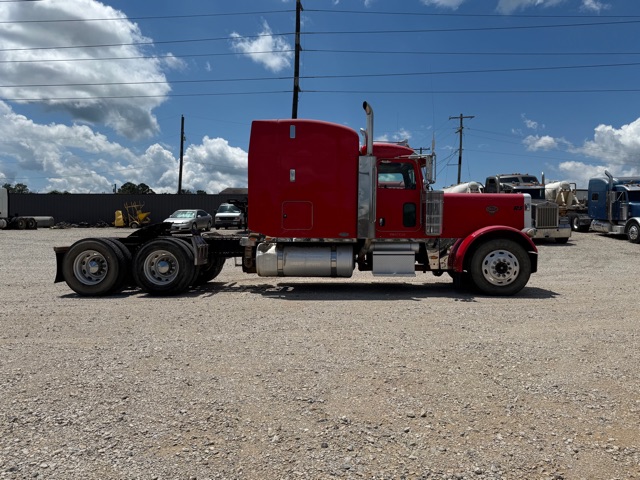
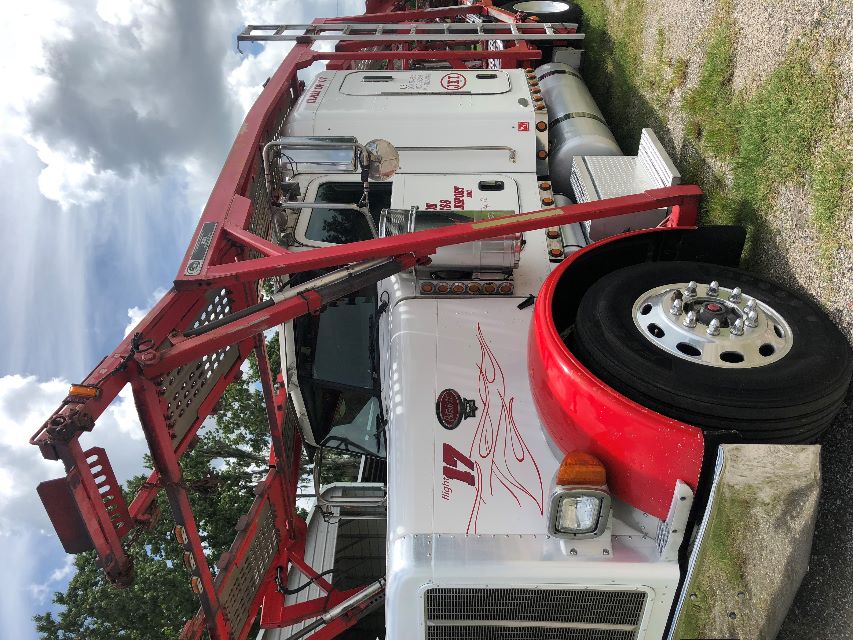

Selling a used 2007 peterbilt truck? List your used 2007 peterbilt truck for sale and reach thousands of commercial buyers.
Used 2007 Peterbilt Trucks
On used 2007 Peterbilt trucks, expect to see engines such as Cummins ISX, Caterpillar C15 on some applications, and early PACCAR power in certain configurations, paired with manual transmissions like 10-speed, 13-speed, or 18-speed Eaton Fuller units. Some trucks were built with 40,000 lb rear axles, air ride suspension, and air slide fifth wheels for general freight, while others were spec'd tighter for local or vocational use. Sleeper sizes commonly range from mid-roof to stand-up designs around 60 to 72 inches, while day cabs usually carry shorter wheelbases for easier maneuvering and lower tare weight. A buyer should also pay attention to brake type, suspension condition, and tire setup, especially on older units that may have spent years in heavy regional service.
The biggest buying decision with a 2007 Peterbilt is matching the truck's original spec to the work you need it to do now. A highway sleeper with a 3.36 or 3.55 ratio, higher horsepower, and longer wheelbase fits heavy long-haul freight better than a shorter day cab built for terminal work or local lanes. If the truck will pull flatbed, tanker, hopper, or dry van, look closely at fifth wheel travel, frame condition, fuel capacity, and the presence of engine brake, locking differentials, or PTO provisions where applicable. Cab condition matters too. Peterbilt interiors from this era are known for durable layouts, but seat wear, dash electronics, HVAC performance, and sleeper equipment such as bunk heaters can affect both comfort and downtime.
Because these are used trucks approaching older-age service brackets, inspection quality matters as much as brand reputation. Service records, engine overhaul history, ECM data, suspension wear, clutch life, and signs of frame or crossmember repair should weigh heavily in the decision. Many buyers still prefer 2007 Peterbilts for their straightforward chassis design, strong resale recognition, and wide parts support. A well-maintained unit can still be a productive truck, but the right purchase comes down to mileage, maintenance discipline, and whether the truck's drivetrain and axle spec match your freight, terrain, and operating budget.
Frequently Asked Questions about Used 2007 Peterbilt Trucks
What should I look at first on a used 2007 Peterbilt truck?
Start with the engine, transmission, rear axle ratio, wheelbase, and service history. Those items tell you how the truck was originally spec'd and whether it matches your intended use. On a 2007 model, maintenance records are especially important because component age can matter as much as mileage. Review ECM data, check for overhaul or major repair history, inspect suspension and steering wear, and confirm that the frame, fifth wheel, and driveline are in line with the trailer and freight you plan to pull.
Are 2007 Peterbilt trucks better suited for day cab or sleeper applications?
That depends entirely on the configuration. Peterbilt built 2007 trucks in both day cab and sleeper layouts, and each serves a different role. Day cabs are generally a better fit for regional, port, local delivery, and short-haul freight where maneuverability and lower empty weight matter. Sleeper models are more appropriate for long-haul runs, team operations, or routes where driver comfort and onboard storage are part of the job.
What engines are commonly found in used 2007 Peterbilt trucks?
Common engine choices in 2007 Peterbilt trucks include Cummins ISX and, in many heavy-haul or owner-operator specs, Caterpillar C15. Some trucks may also appear with other engines depending on model and original ordering preferences. The best engine choice depends less on brand alone and more on horsepower rating, torque, emissions setup, maintenance history, and how well the engine is matched to the transmission and rear axle ratio.
How important is rear axle ratio on a 2007 Peterbilt?
Rear axle ratio is one of the most important spec points because it affects starting power, cruise RPM, fuel economy, and suitability for grade conditions. A taller ratio such as 3.08 generally favors fuel-efficient highway running, while a deeper ratio like 3.55 or higher can be better for heavier loads, frequent starts, and hillier terrain. On an older truck, the ratio should make sense with the transmission, tire size, and the freight pattern the truck will handle.
Is a used 2007 Peterbilt still a practical truck for fleet service?
It can be, if the truck has been maintained correctly and the operating plan fits an older asset. Many 2007 Peterbilts remain attractive for fleets and independent operators because they offer durable chassis components, good driver acceptance, and strong aftermarket parts availability. The practical limit usually comes down to maintenance discipline, expected annual miles, and how much downtime risk your operation can tolerate compared with newer equipment.