
Peterbilt Trucks For Sale in Mississippi
Browse Peterbilt trucks for sale in Mississippi, including highway and vocational models with Cummins or PACCAR power and driver-focused specs.
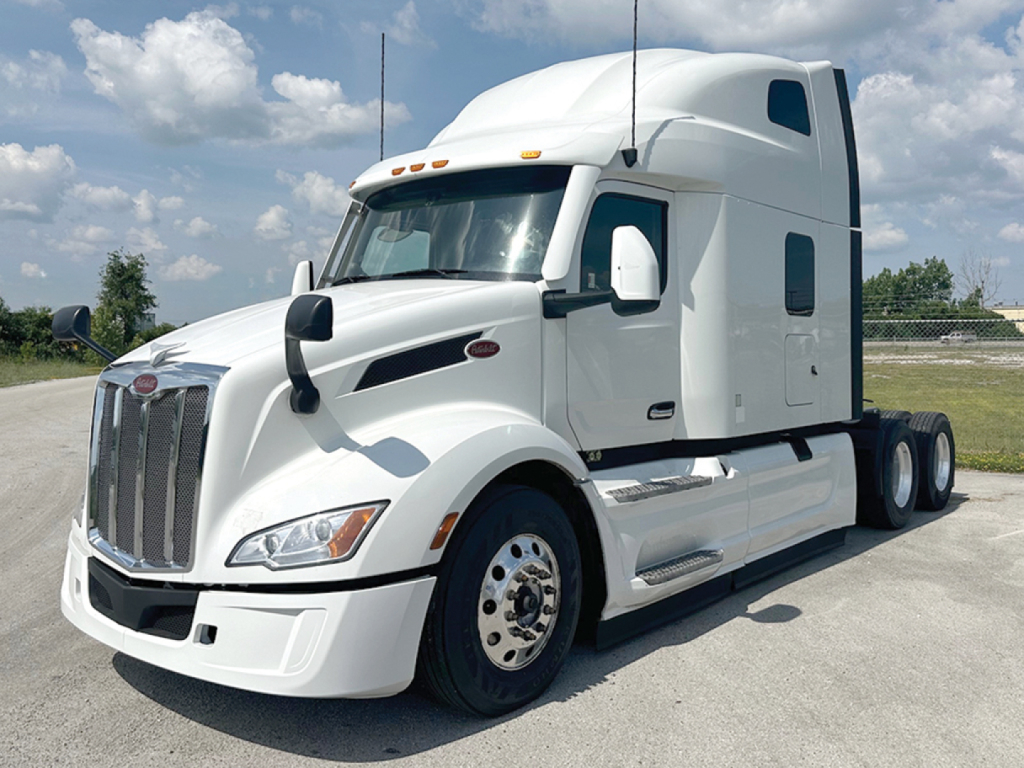
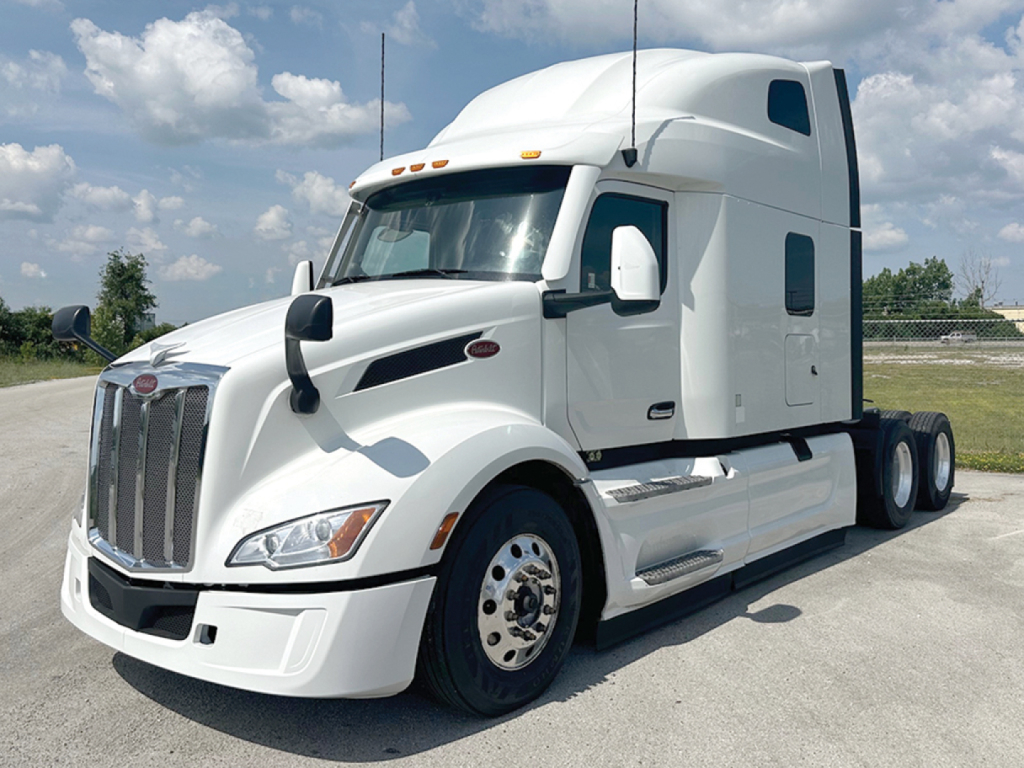
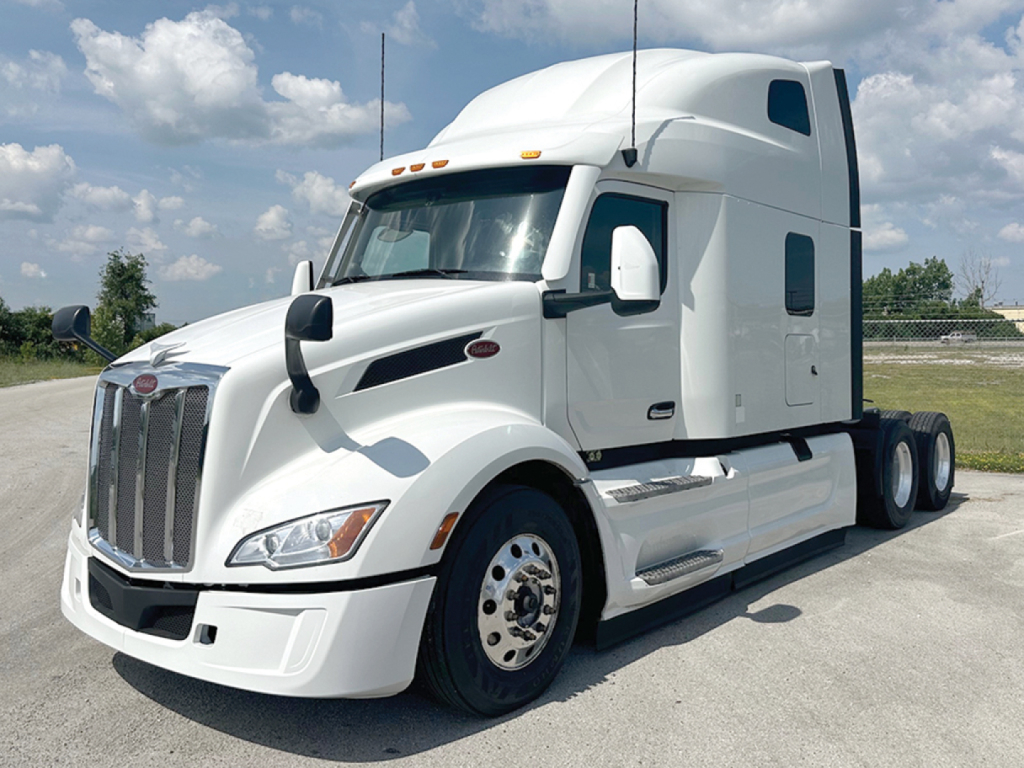
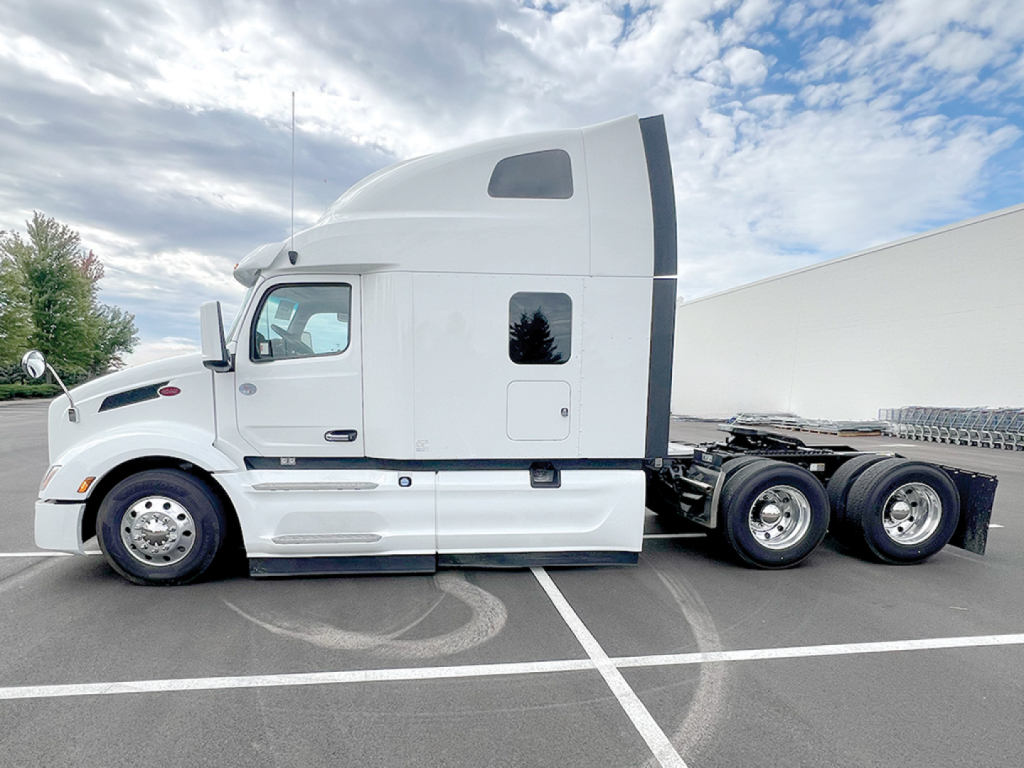

Have peterbilt truck to sell? List it here to reach thousands of buyers.
Peterbilt Trucks in Mississippi
For used Peterbilt trucks, powertrain details deserve close review. Common engines include Cummins and PACCAR MX series options, paired with manual, automated manual, or automatic transmissions depending on age and application. A buyer should look closely at horsepower, torque, rear axle ratio, and suspension type because those four items tell you a lot about how the truck was intended to work. A 2.47 rear ratio and aerodynamic package, for example, points toward fuel-conscious highway service, while heavier rears, vocational suspension, and shorter gearing suggest jobsite or severe-duty use. Gross axle weight ratings, fifth wheel setup, engine brake, and maintenance history are also key, especially if the truck will be matched to a specific trailer weight or route profile.
Cab and sleeper configuration are a major part of Peterbilt buying decisions. Peterbilt is known for driver-focused interiors, and many buyers prioritize sleeper size, storage, bunk heater or APU equipment, visibility, and overall cab condition almost as much as engine spec. High-roof sleepers are common for teams or longer runs, while a day cab makes more sense for local and regional operations with frequent stops. Exterior details such as cab extenders, quarter fenders, deer guards, aluminum wheels, and fairings can tell you a lot about prior use and owner preference, but the more important checks are under the skin: frame condition, suspension wear, steering components, emissions system service history, and signs of corrosion or hard vocational use.
A good Peterbilt truck is one that fits the lane, the load, and the maintenance plan. Buyers comparing listings should pay attention to wheelbase, front and rear axle capacities, sleeper type, transmission model, tire size, and any productivity features such as air slide fifth wheels, disc wheels, power steering, or driver comfort options. In Mississippi, heat, humidity, and mixed operating environments make cooling system condition, HVAC performance, and tire condition especially worth checking. Peterbilt remains a strong choice for fleets and owner-operators who want a truck with broad service support, solid resale appeal, and specs that can be tailored closely to the work.
Frequently Asked Questions about Peterbilt Trucks in Mississippi
What are the most important specs to compare when buying a used Peterbilt truck?
The most important specs are engine model, horsepower, torque, transmission type, rear axle ratio, wheelbase, axle ratings, suspension, and cab configuration. Those details show whether the truck was built for fuel-efficient highway miles, regional work, or vocational service. Buyers should also verify the fifth wheel setup, fuel capacity, emissions system history, and maintenance records because those items affect uptime and operating cost just as much as the base powertrain.
Is a Peterbilt sleeper truck a good fit for long-haul freight in Mississippi?
A Peterbilt sleeper truck is often a strong fit for long-haul freight moving through Mississippi because many highway specs are designed for interstate efficiency and driver comfort. High-roof sleeper models with aerodynamic fairings, lower rear axle ratios, larger fuel capacity, and features like APUs or bunk heaters are especially useful for extended runs. The right sleeper size and interior layout depend on trip length, driver preference, and whether the truck will run solo or team operations.
How can I tell if a Peterbilt truck was spec'd for highway use or vocational use?
The spec usually tells the story. Highway Peterbilts tend to have aerodynamic bodywork, lower rear axle ratios, lighter weight components, air ride suspension, and sleeper or fleet-oriented day cab layouts. Vocational Peterbilts usually show heavier axle ratings, more aggressive gearing, shorter wheelbases, vocational suspension, and equipment suited to dump, construction, or severe-duty work. Tires, frame setup, PTO provisions, and the condition of the suspension and undercarriage also help identify prior application.
Do Peterbilt trucks hold value well on the used market?
Peterbilt trucks generally have strong resale appeal because the brand is well known in both owner-operator and fleet markets. Value depends heavily on mileage, maintenance history, emissions system condition, drivetrain spec, and how closely the truck matches current buyer demand. Clean highway tractors with popular engines and efficient gearing often attract broad interest, while properly spec'd vocational trucks can also remain desirable when axle ratings and frame condition support the intended work.
What should buyers inspect on a used Peterbilt in a hot and humid state like Mississippi?
Cooling system condition, air conditioning performance, tires, suspension components, and any corrosion or moisture-related wear should be checked carefully in Mississippi. Heat and humidity can expose weaknesses in radiators, hoses, charge air systems, and cab HVAC performance. Buyers should also inspect the frame, wiring, and air system for signs of rust, contamination, or deferred maintenance, especially on trucks that have seen mixed highway and jobsite service.