
Peterbilt Conventional Sleeper Trucks For Sale in Mississippi
Shop Peterbilt conventional sleeper trucks in Mississippi. Compare 579-style specs, sleeper sizes, drivetrains, and long-haul features.

Have peterbilt conventional sleeper truck to sell? List it here to reach thousands of buyers.
Peterbilt Conventional Sleeper Trucks in Mississippi
The biggest buying decisions usually start with the powertrain. Many Peterbilt sleepers are spec'd with Cummins ISX15 engines, often in ratings around 400 to 500 horsepower, paired with manual, automated manual, or full automatic transmissions depending on the fleet and application. Rear axle ratings commonly land at 40,000 pounds, and gear ratios such as 2.47 are popular for fuel-efficient over-the-road operation. Wheelbase, fifth wheel type, suspension, and fuel tank capacity all affect how the truck fits your lanes. A longer wheelbase can improve ride quality and fuel capacity options, while an air ride suspension and air slide fifth wheel add flexibility for different trailer lengths and kingpin settings.
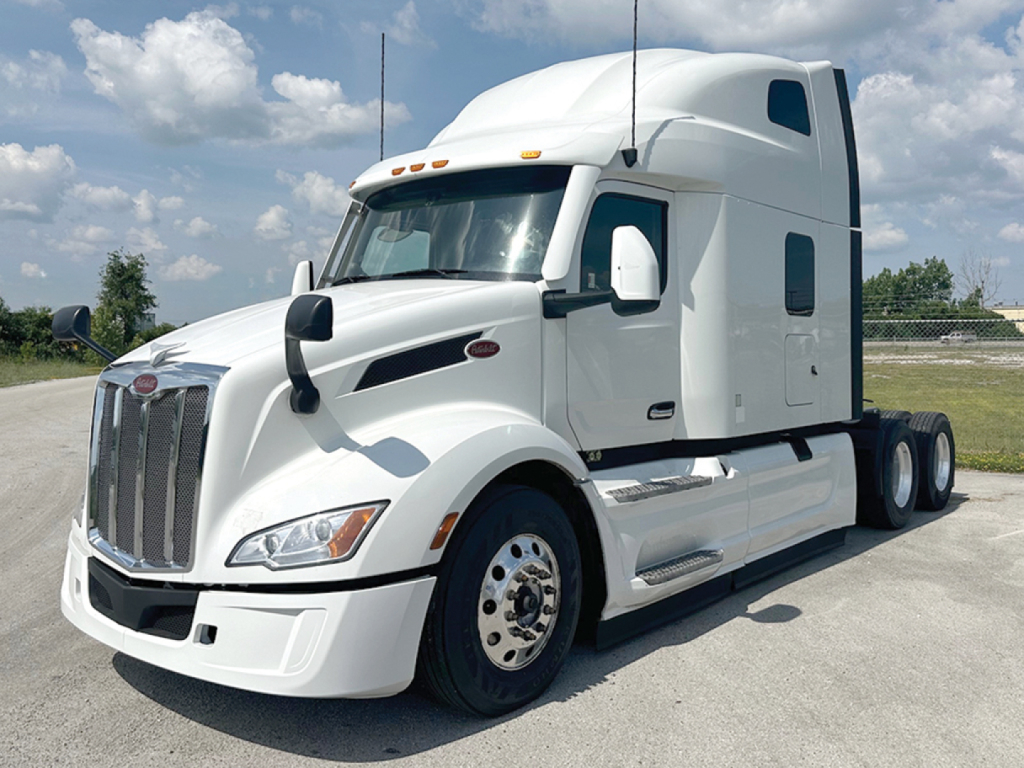
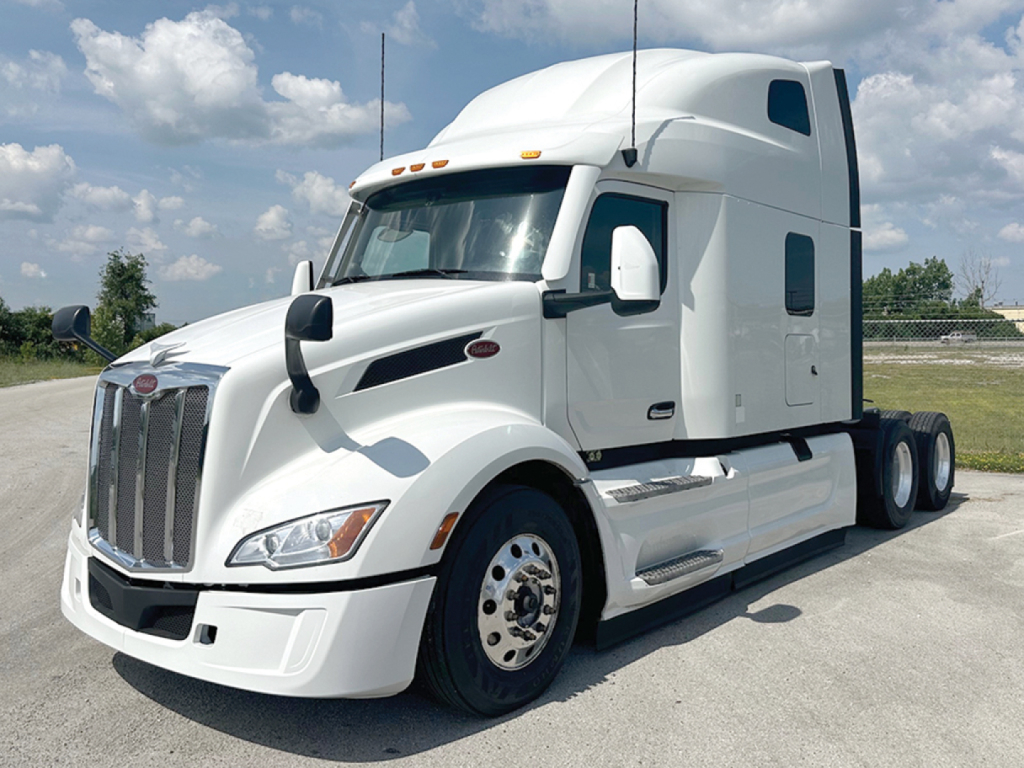
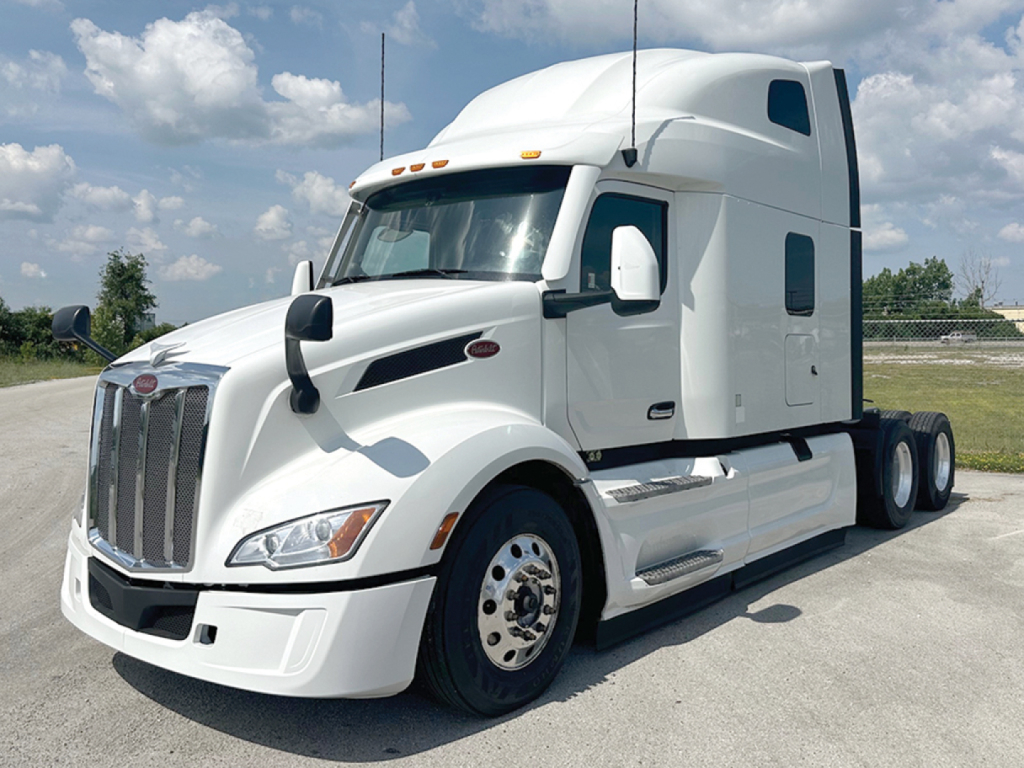
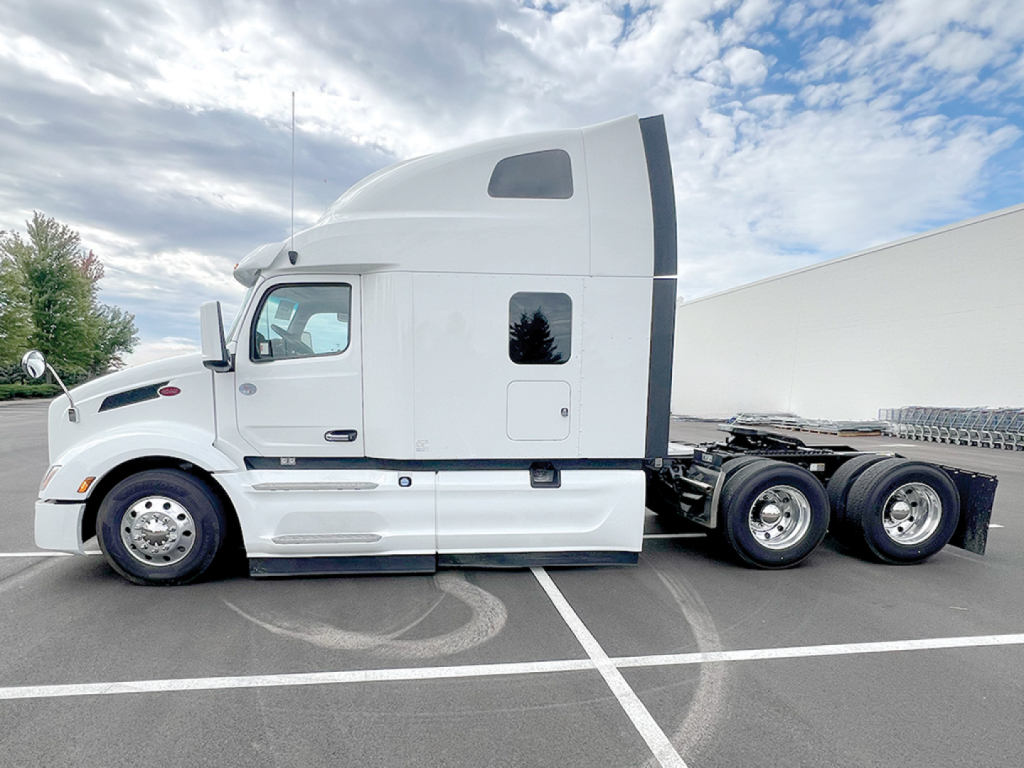
Sleeper design is where Peterbilt continues to stand out. High-roof sleepers in the 72-inch range are common, especially on Unibilt configurations that give drivers more stand-up room, storage, and space for features like a refrigerator, bunk heater, and auxiliary power unit. For teams or drivers spending multiple nights out, interior layout and climate control can be as important as engine hours and mileage. Buyers should look closely at cab extenders, roof and side fairings, horizontal exhaust, and other aerodynamic components because missing or damaged aero equipment can affect fuel economy over time.
On a used Peterbilt conventional sleeper, condition details matter more than badges or chrome. Pay attention to service history, aftertreatment maintenance, clutch or transmission condition, suspension wear, tire match, and signs of frame or sleeper damage. Interior wear can also tell you a lot about how the truck was operated. In Mississippi heat, functioning air conditioning, insulation quality, and bunk HVAC features are worth checking carefully. A well-spec'd Peterbilt sleeper truck can serve long-haul van, reefer, flatbed, and dedicated contract freight with the right drivetrain, sleeper size, and axle setup.
Frequently Asked Questions about Peterbilt Conventional Sleeper Trucks in Mississippi
What is the most common Peterbilt conventional sleeper model on the used market?
The Peterbilt 579 is one of the most common conventional sleeper models on the used market. It is widely used in over-the-road fleets because it combines aerodynamic design, good parts support, and a driver-friendly interior. Buyers often find it in high-roof sleeper configurations with Cummins power, air ride suspension, and long-haul specs geared toward fuel economy and driver retention.
What sleeper size is typical on a Peterbilt conventional sleeper truck?
A 72-inch high-roof sleeper is a very common spec on Peterbilt conventional sleeper trucks, especially for long-haul applications. That size gives enough room for a bunk, storage, and common amenities such as a refrigerator, bunk heater, or auxiliary power unit. The right sleeper size depends on how many nights the truck stays out, whether it runs solo or team, and how much emphasis is placed on driver comfort.
What engine and transmission setups are common in Peterbilt sleeper trucks?
Cummins ISX15 engines are commonly found in Peterbilt conventional sleepers, often paired with 10-speed, 13-speed, or automated manual transmissions. Horsepower ratings frequently fall in the 400 to 500 horsepower range for highway freight. The best setup depends on terrain, gross combination weight, and your preference for fuel economy versus pulling performance.
What should I inspect on a used Peterbilt conventional sleeper before buying?
Focus on service records, engine and aftertreatment history, transmission operation, rear axle condition, suspension wear, and the condition of the sleeper itself. Check that the bunk HVAC, air conditioning, and electrical accessories work properly, especially in southern climates. It is also smart to inspect aero components, tires, and fifth wheel function because those items affect fuel economy, trailer compatibility, and day-to-day uptime.