
2018 Peterbilt Trucks For Sale in Nebraska

Have 2018 peterbilt truck to sell? List it here to reach thousands of buyers.
2018 Peterbilt Trucks in Nebraska
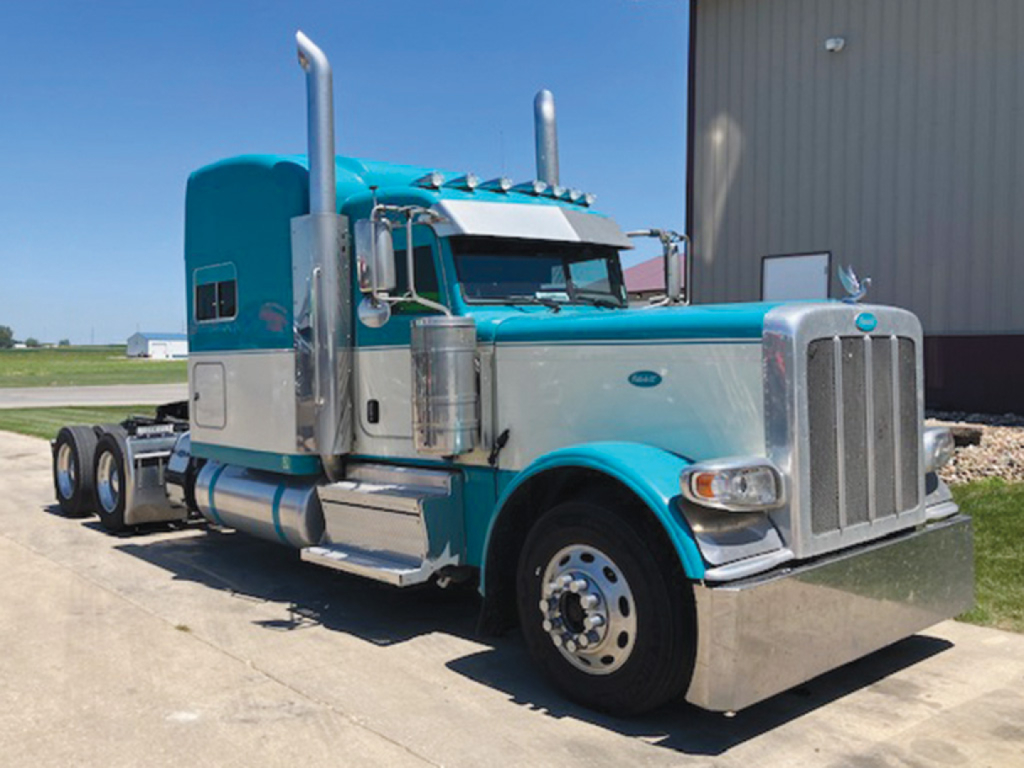
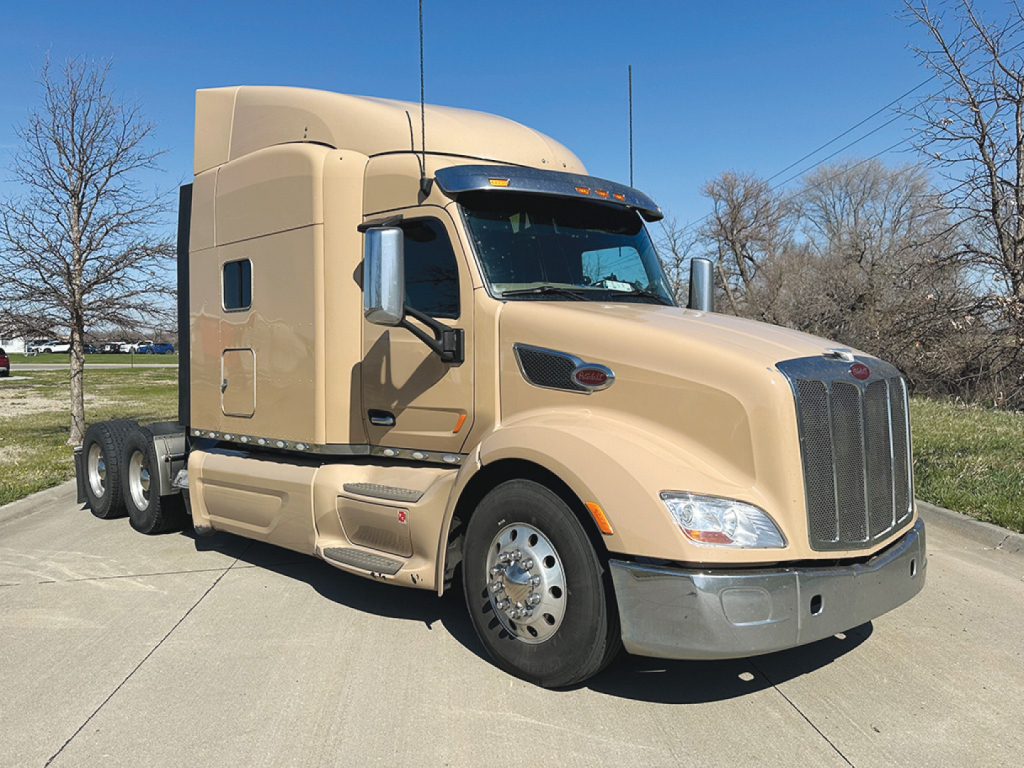
The first buying decision is usually configuration. A 2018 Peterbilt 579 is typically spec'd as an aerodynamic conventional for fuel-conscious over-the-road or regional service, while cab and chassis versions appeal to fleets planning to install dump, service, rollback, vacuum, or other vocational bodies. Day cabs are better suited to short-haul routes, frequent trailer swaps, and operations where wheelbase and turning radius matter. Sleeper models bring more wheelbase, larger fuel capacity, and driver accommodations that make sense for multi-day runs. Common power on this model year includes the PACCAR MX-13, often in the 455 horsepower range, paired with manual or automated transmissions, engine brakes, air ride suspension, and rear axle ratings around 40,000 pounds.
Specs deserve a close look because 2018 Peterbilt trucks can be built for very different duty cycles. Rear axle ratio affects startability, cruising rpm, and fuel economy, so a 2.64 or 3.08 highway spec will drive very differently than a 3.42 or 3.55 setup. Wheelbase is just as important, especially on cab and chassis trucks where frame length determines what body can be installed and how the truck balances once equipped. Buyers should also compare brake type, tire size, fuel tank capacity, fifth wheel style, and suspension package. On a road tractor, details like fairings, sleeper height, and drivetrain gearing influence operating cost. On a vocational platform, frame condition, PTO compatibility, and axle placement often matter more than chrome or interior trim.
Peterbilt remains a strong choice for buyers who value serviceability, driver acceptance, and resale strength. A 2018 unit should be evaluated with attention to aftertreatment history, clutch or transmission wear, engine brake performance, suspension bushings, and signs of frame modification on former upfit candidates. In Nebraska and the surrounding Plains, it also makes sense to inspect for corrosion from winter road treatment, wind damage to fairings, and tire wear patterns caused by heavy crosswind and highway miles. A well-matched 2018 Peterbilt can still be a productive truck for regional freight, farm support, construction support, or long-haul service if the spec lines up with the work.
Frequently Asked Questions about 2018 Peterbilt Trucks in Nebraska
What are the most common 2018 Peterbilt truck models buyers look for?
The 2018 Peterbilt 579 is one of the most common models on the used market because it was widely spec'd for highway and regional freight. Buyers also look for other Peterbilt configurations from that year, including day cabs, sleepers, and cab and chassis trucks built for vocational use. The key is to shop by application first, then model and trim, because the same model year can include very different wheelbases, drivetrains, and frame layouts.
Is a 2018 Peterbilt 579 a good choice for regional or long-haul work?
Yes, the 2018 Peterbilt 579 is generally a strong fit for regional and over-the-road applications when the spec matches the route. Aerodynamic body design, common MX-13 engine options, and availability in both day cab and sleeper form make it flexible for fleets and owner-operators. Long-haul buyers should pay attention to sleeper size, fuel capacity, axle ratio, and transmission type, while regional buyers often focus more on wheelbase, maneuverability, and maintenance history.
What should I check on a 2018 Peterbilt truck before buying?
Start with engine and aftertreatment records, including any history involving the DPF, SCR system, sensors, and regen frequency. Then review transmission type, clutch condition on manual units, rear axle ratio, suspension wear, brake life, tire condition, and frame integrity. On cab and chassis trucks, verify frame dimensions, PTO provisions, and any previous body removal or modification. Service documentation and a full ECM review can tell you more than cosmetic condition alone.
Are 2018 Peterbilt trucks good for vocational upfits?
A 2018 Peterbilt cab and chassis can be a very good vocational platform if the wheelbase, frame spec, and axle ratings fit the intended body. Buyers commonly use this type of truck for dump bodies, service bodies, rollbacks, tanks, or other specialized equipment. The most important checks are usable frame length, presence of PTO capability, suspension rating, brake setup, and whether any prior drilling, stretching, or frame changes affect the next upfit.
What engine and drivetrain specs are common in 2018 Peterbilt trucks?
Many 2018 Peterbilt trucks are equipped with the PACCAR MX-13, often rated around 455 horsepower, though exact output varies by application and original order sheet. Manual and automated transmissions are both common, along with engine brakes, air ride suspension, and tandem rear axles rated near 40,000 pounds. Buyers should compare horsepower, torque, axle ratio, and transmission model together because those four items determine how the truck performs under load and at highway speed.