
2010 Peterbilt Trucks For Sale
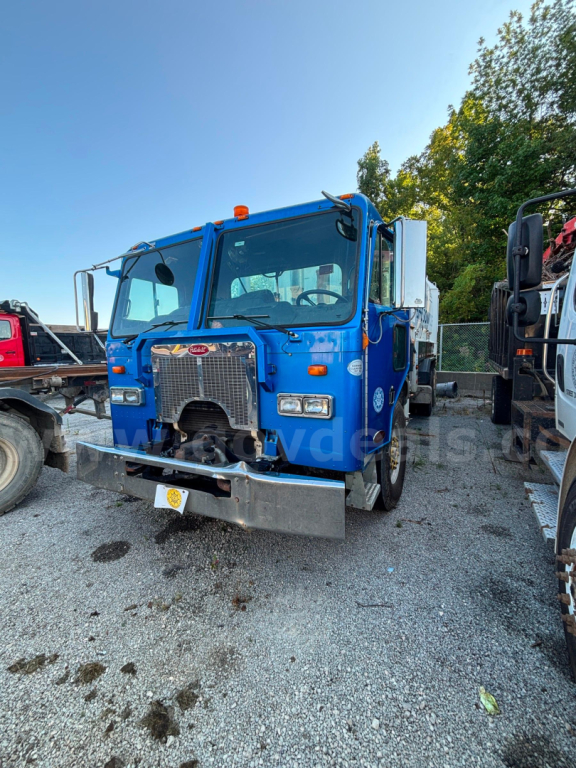
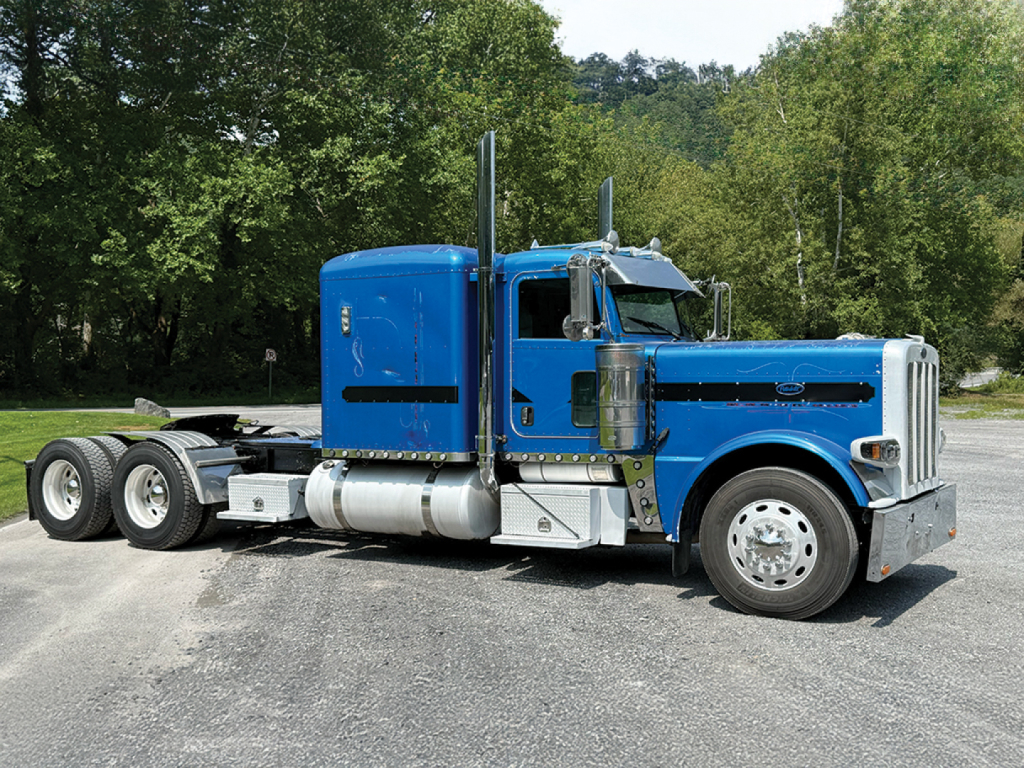

Have 2010 peterbilt truck to sell? List it here to reach thousands of buyers.
2010 Peterbilt Trucks
The first decision is usually application and emissions strategy. Many 2010 Peterbilt trucks were built during the first year of EPA 2010 emissions requirements, so engine spec matters. Buyers will commonly see Cummins ISX, PX-series, and PACCAR MX engines depending on class and model. On heavy-duty highway trucks, horsepower ratings often fall in the 400 to 565 HP range, with 13-speed, 18-speed, and automated manual transmissions all appearing in the market. Rear axle ratings around 38,000 to 46,000 pounds are common on tandem-axle tractors, while medium-duty trucks may be set up as single-axle units with much lower GVWRs for local service. If uptime and maintenance cost are priorities, it is smart to verify DPF history, aftertreatment repairs, clutch or AMT service records, and any documentation on injectors, EGR components, or engine overhauls.
Spec details make a major difference in how a 2010 Peterbilt performs on the job. A 389 or 388 with a longer wheelbase, higher horsepower, and lower rear ratio may be aimed at heavy haul, oilfield, or owner-operator work where appearance and drivetrain durability matter. A 386 or 387 is more likely to be configured for over-the-road freight, fuel economy, and sleeper comfort, often with integrated aerodynamic features, mid-roof or high-roof sleeper options, and air ride suspension. On medium-duty Peterbilt trucks, buyers should pay close attention to axle spacing, PTO provisions, frame rail dimensions, brake type, and body compatibility if the truck will carry a rollback, service body, dump bed, or van body. Interior condition also matters more than many buyers expect, since dash electronics, switchgear, HVAC performance, and seat wear can reveal how the truck was treated.
A strong 2010 Peterbilt truck is usually one with a documented maintenance history and a spec that matches the intended route and payload. For highway tractors, compare sleeper size, wheelbase, fifth wheel setup, suspension type, fuel capacity, and tire size against your lanes and trailer mix. For vocational or medium-duty units, look closely at GVWR, front axle capacity, turning radius, and whether the chassis was originally ordered for the body now installed. Peterbilt remains a popular choice in the used truck market because the brand spans fleet-friendly aero trucks, classic long-hood conventionals, and versatile work-truck chassis, giving buyers plenty of ways to match the truck to the work instead of compromising on spec.
Frequently Asked Questions about 2010 Peterbilt Trucks
What engines are common in 2010 Peterbilt trucks?
Engine availability depends on the model and GVWR, but 2010 Peterbilt trucks commonly use Cummins and PACCAR diesel engines. Heavy-duty highway models often carry Cummins ISX or PACCAR MX-series engines, while medium-duty trucks may use Cummins PX or ISC-family engines. Because 2010 was an EPA emissions transition year, buyers should confirm the exact engine family and review aftertreatment service history before purchase.
Are 2010 Peterbilt trucks good for long-haul use?
Yes, many 2010 Peterbilt tractors are well-suited for long-haul freight, especially models like the 386 and 387 with sleeper configurations and aerodynamic packages. The right setup depends on sleeper size, axle ratio, wheelbase, transmission, and engine rating. A truck spec'd for regional or vocational work may not deliver the same fuel economy or ride quality as one built for over-the-road lanes, so the original application matters.
What should I check on a used 2010 Peterbilt before buying?
Focus on maintenance records, emissions system repairs, engine hours, chassis rust, suspension wear, and signs of past frame or cab damage. On tractors, inspect the fifth wheel, driveline, clutch or automated transmission operation, and differential condition. On medium-duty and vocational trucks, confirm that the body installation was done correctly, the PTO functions as intended, and axle and frame ratings match the current job.
Which 2010 Peterbilt models are most common in the used market?
The most recognized 2010 Peterbilt heavy-duty models include the 386, 387, 388, and 389, each aimed at different mixes of aerodynamics, comfort, and traditional styling. In medium-duty applications, the 330, 335, and 337 are common choices for delivery, towing, utility, and municipal work. Availability varies by region, but these platforms are widely supported in the aftermarket and service network.
Do 2010 Peterbilt trucks hold their value well?
Peterbilt trucks generally retain value well because of strong brand recognition, durable chassis construction, and continued demand across fleet and owner-operator markets. Value is driven by engine reputation, emissions history, mileage, corrosion, wheelbase, and how closely the spec fits current freight or vocational demand. A clean, documented truck with a desirable drivetrain usually stands out more than a similar-age unit with an unclear service history.