
Trucks For Sale Near Pekin, Illinois
Shop trucks in Pekin, Illinois with specs that prioritize floor strength, thermal integrity, low tare weight and corrosion resistance for Midwest duty
Learn more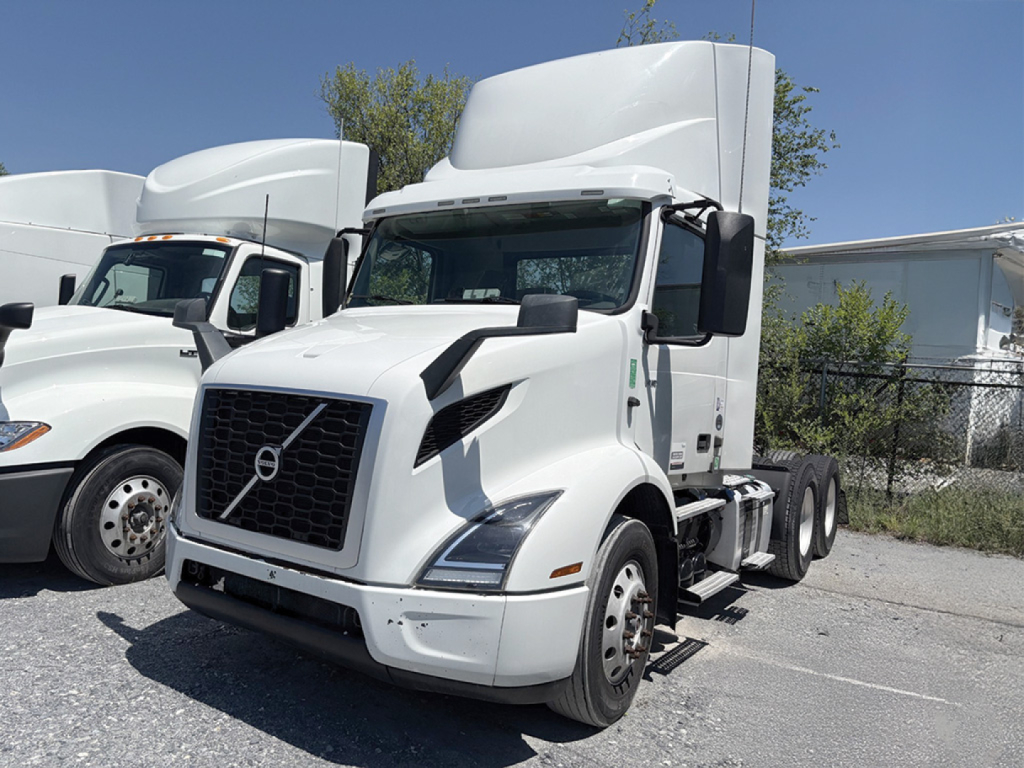
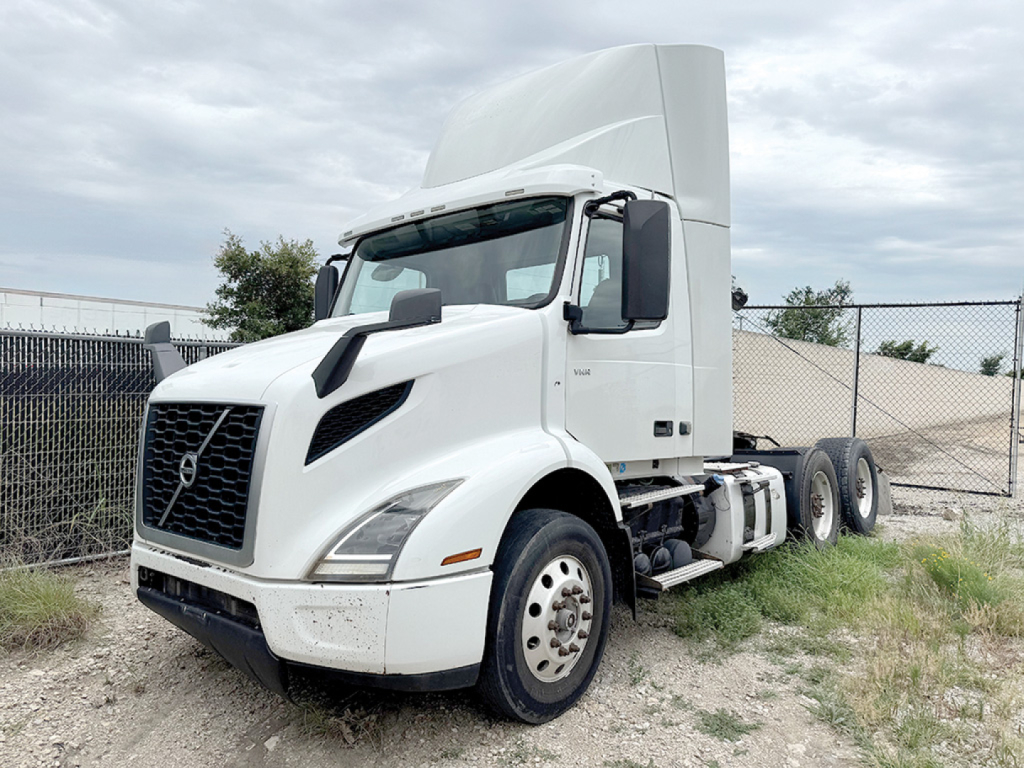
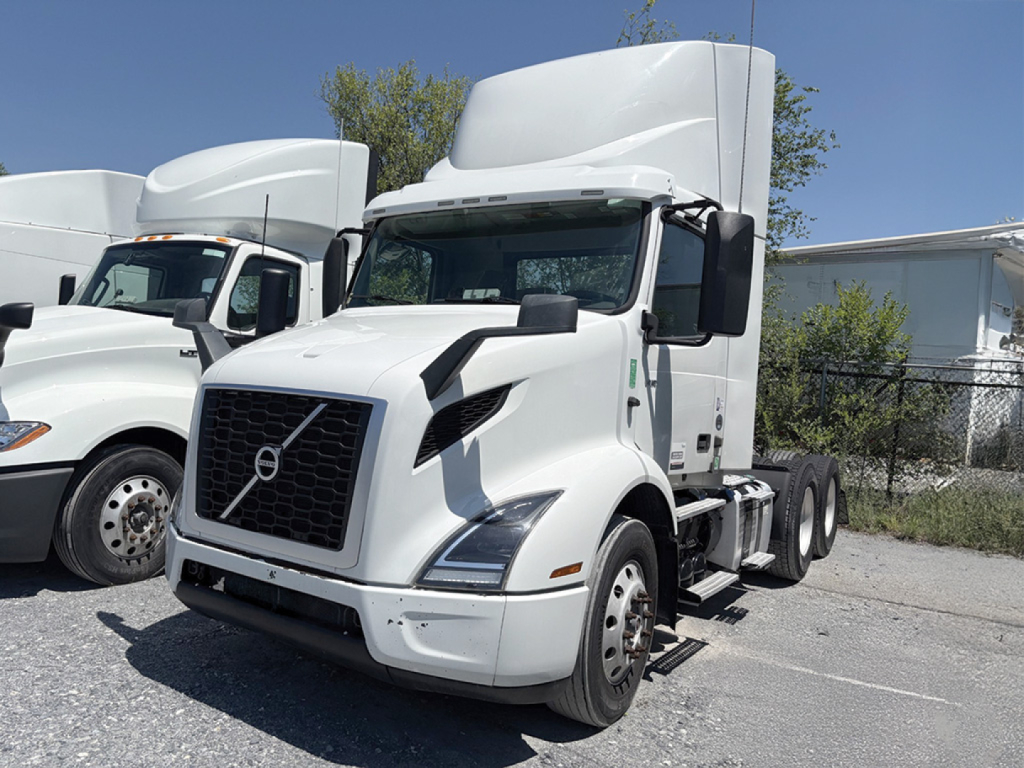
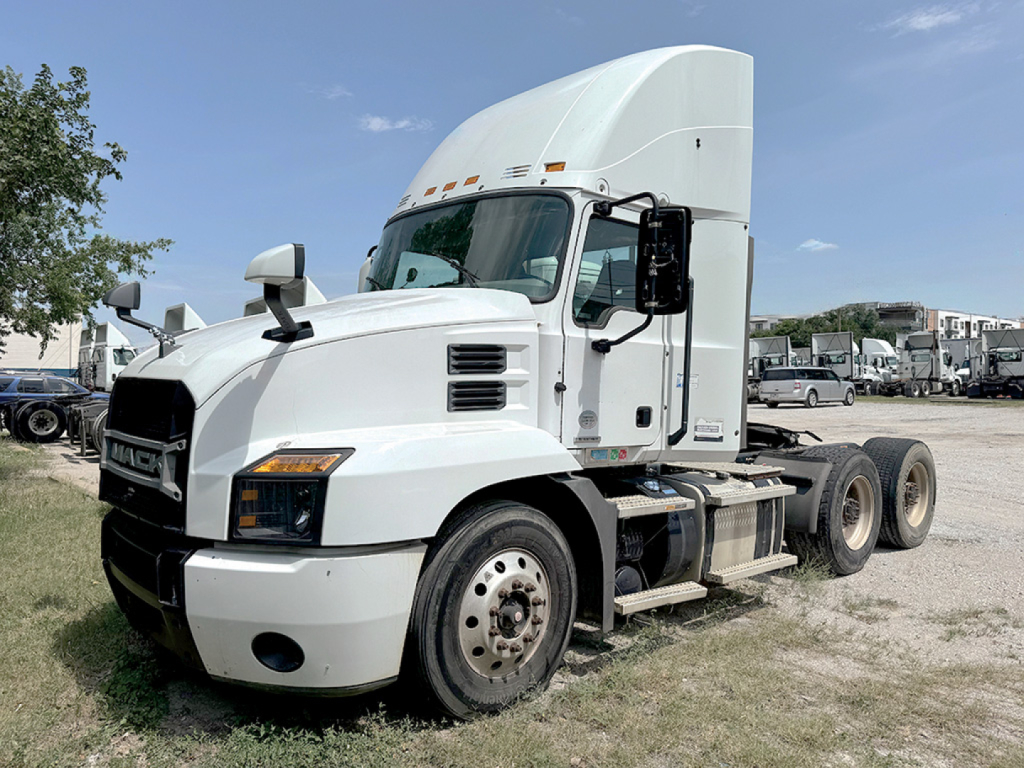
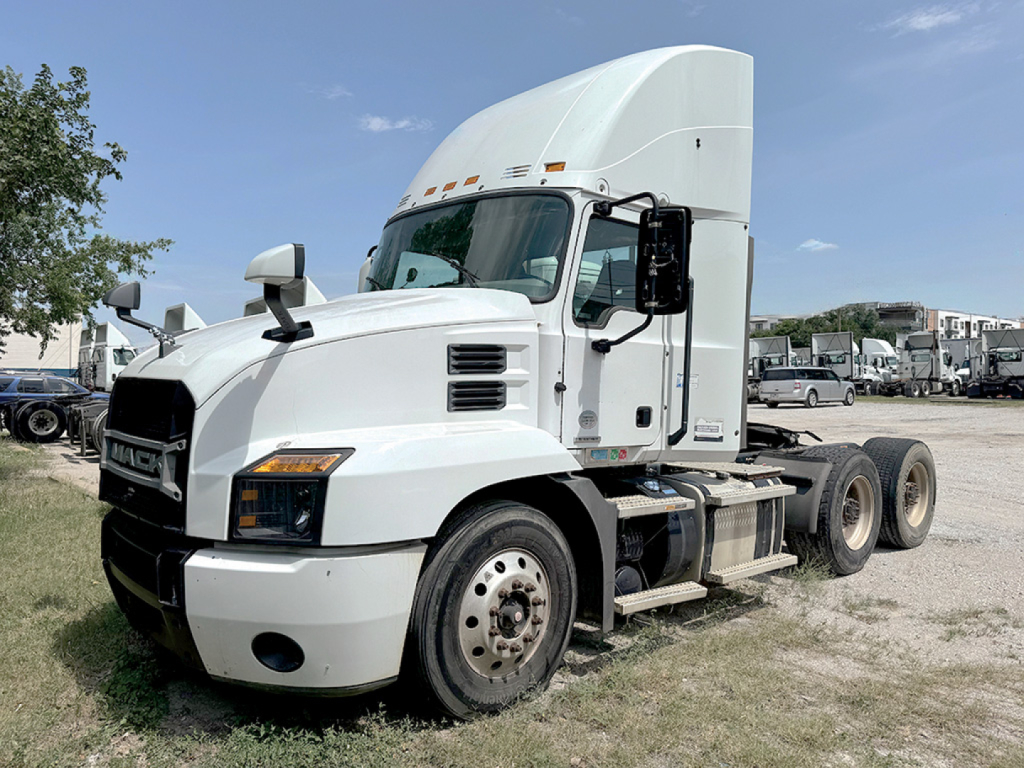
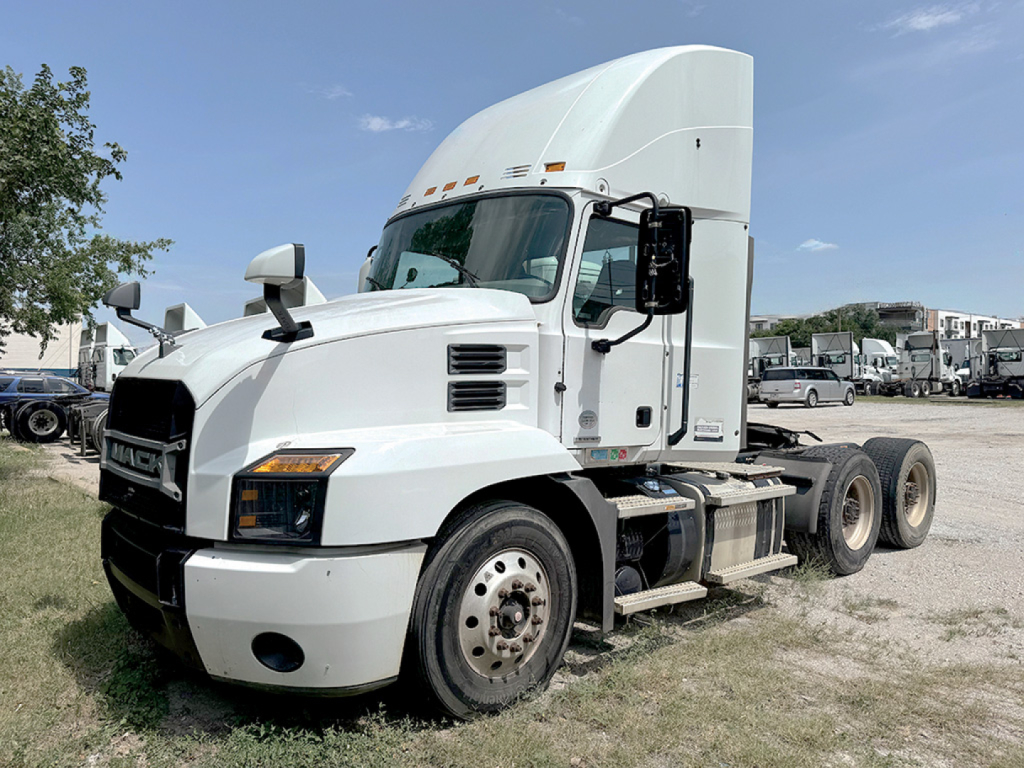
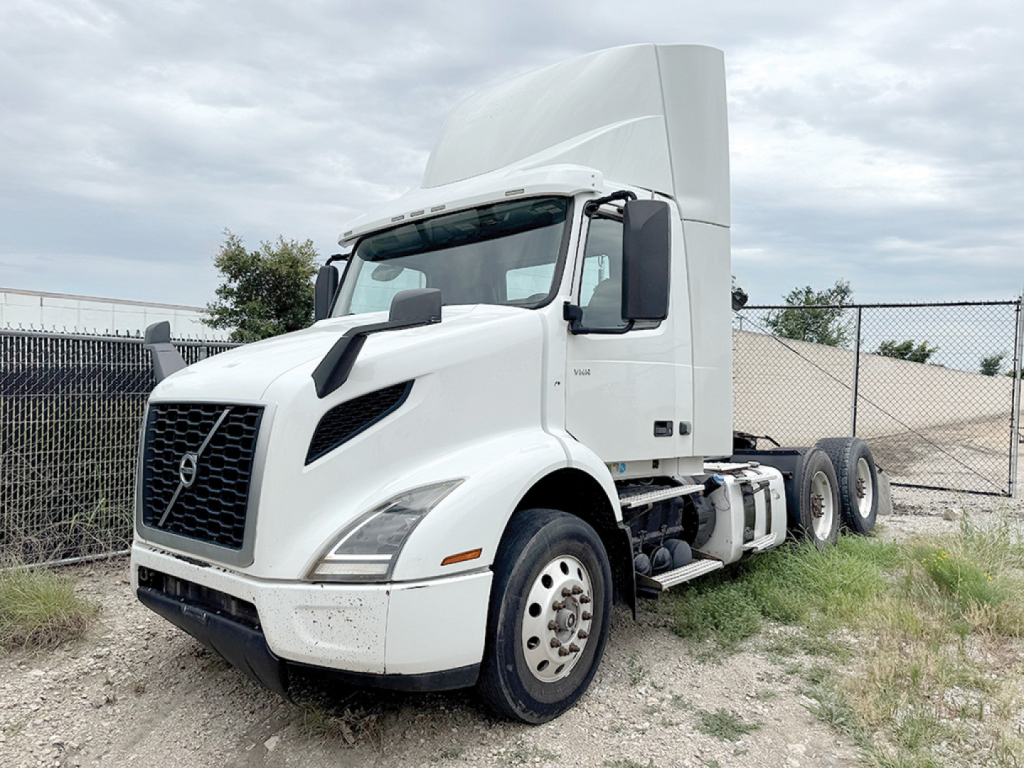
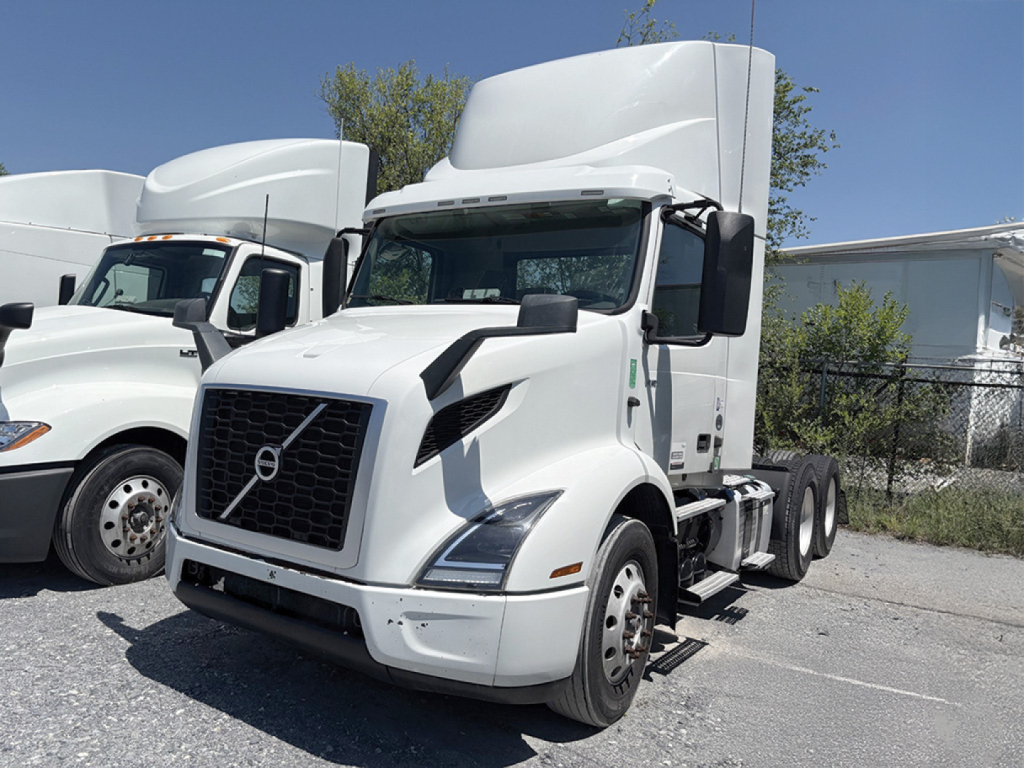
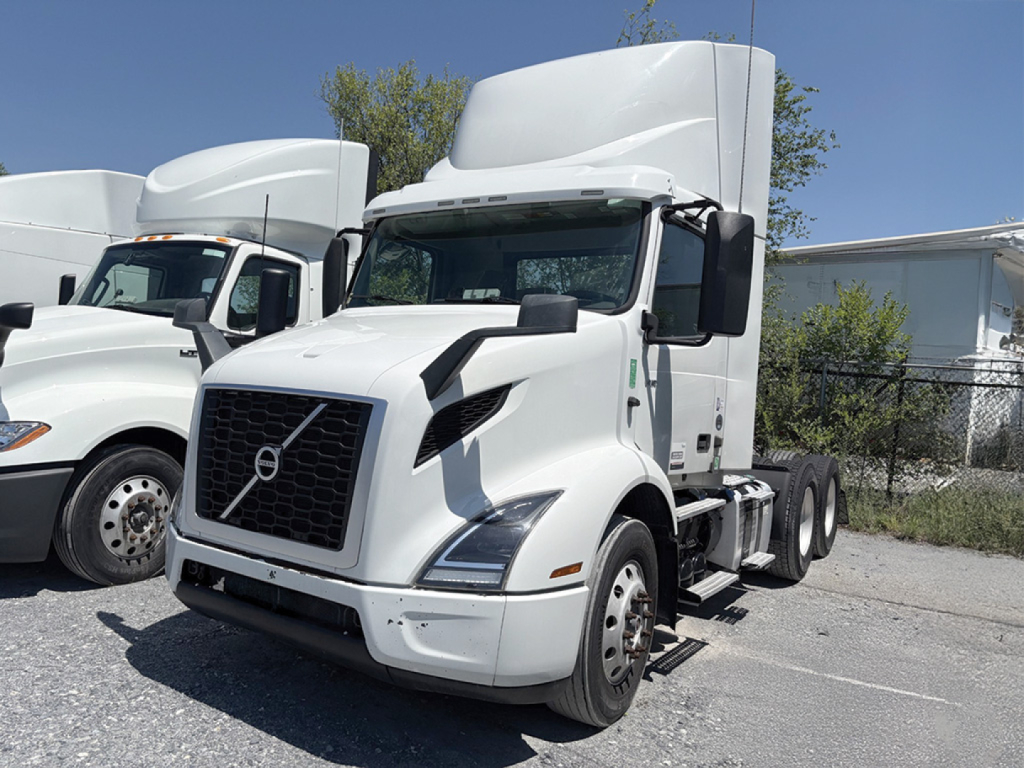
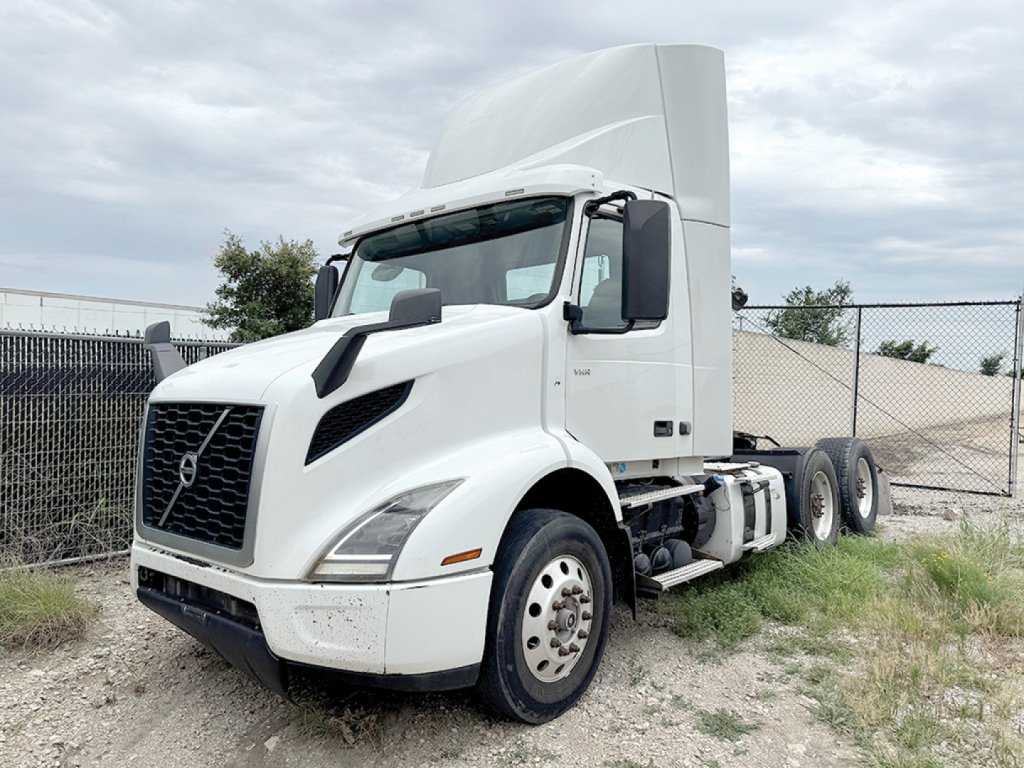
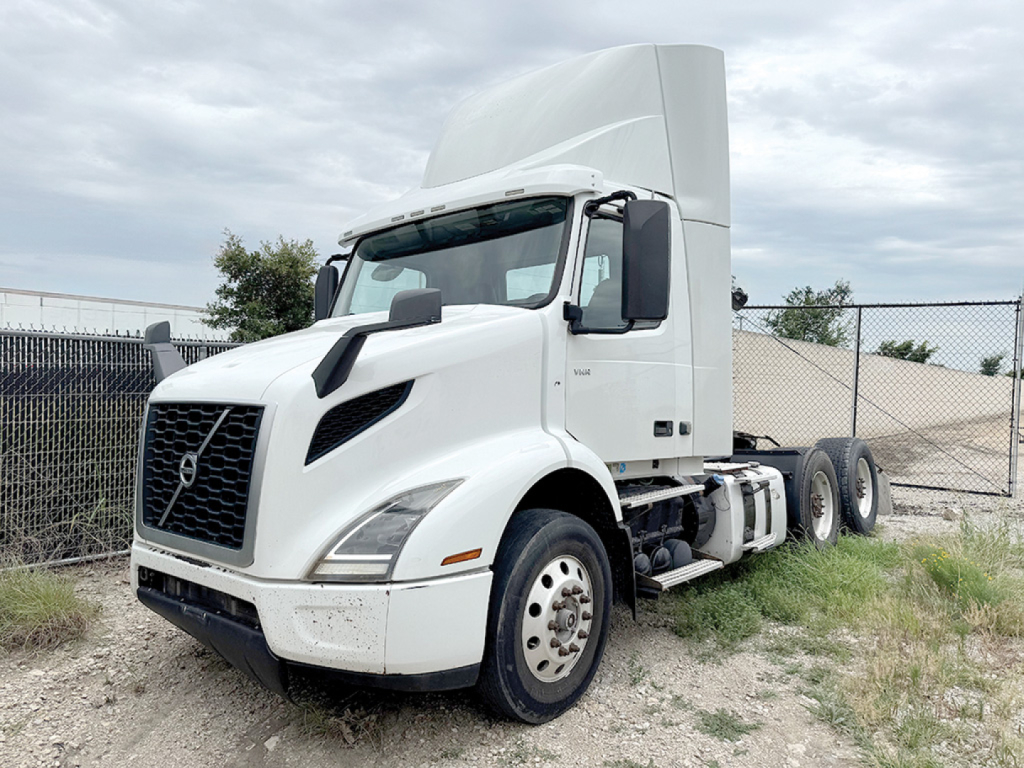
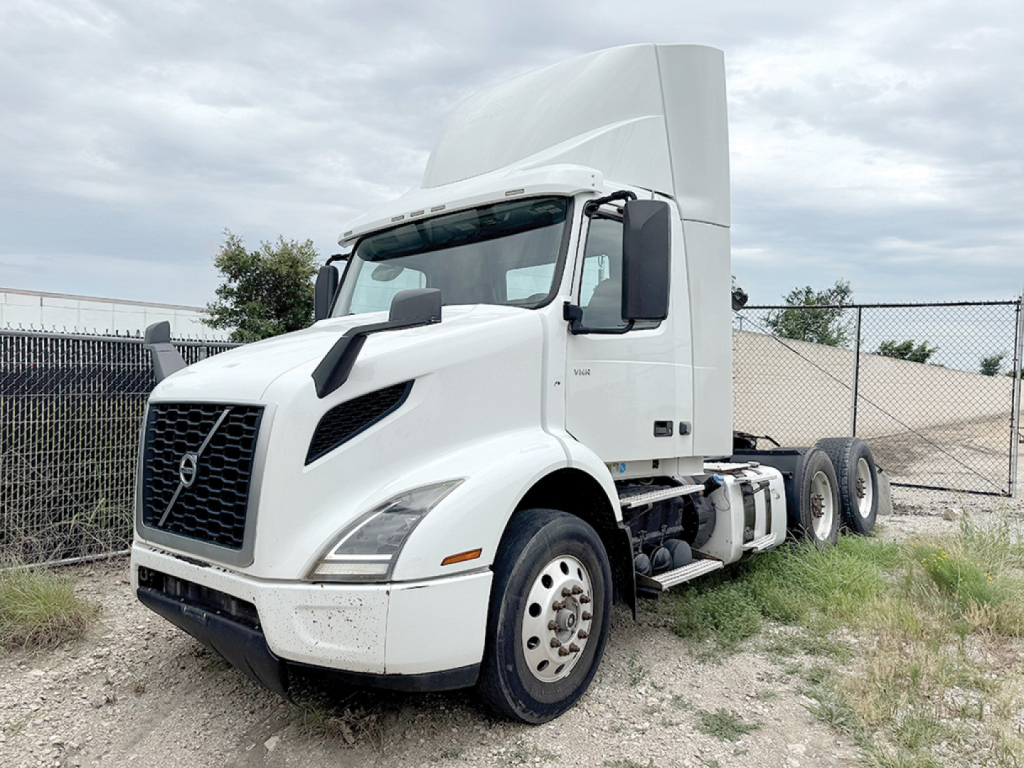
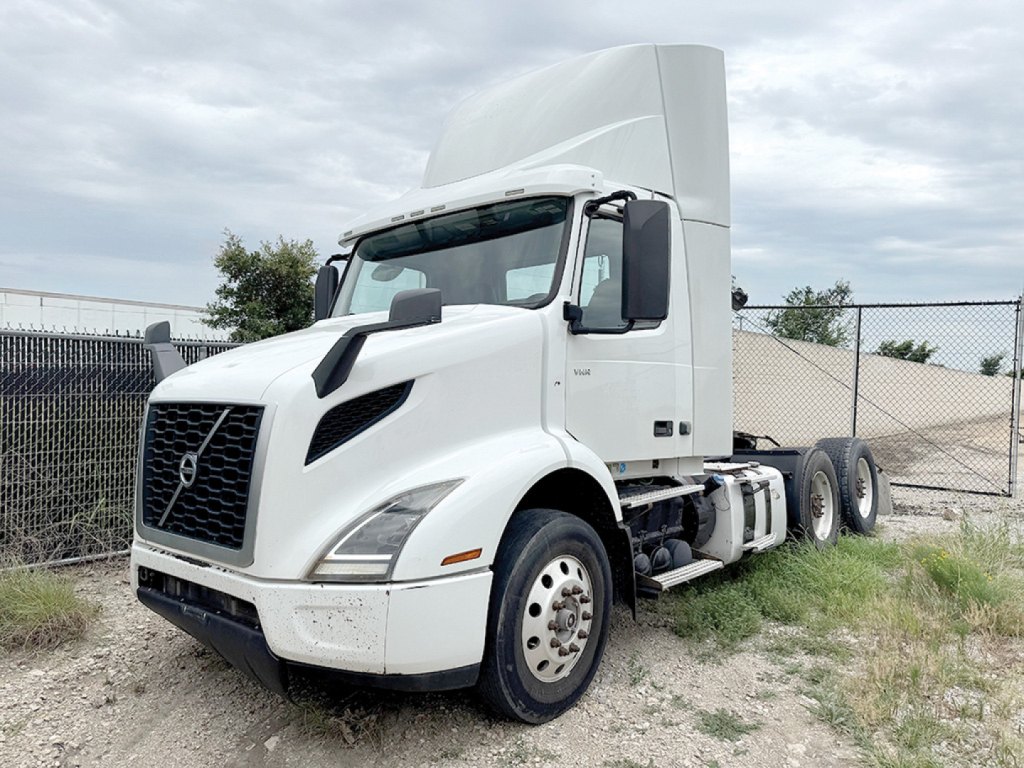
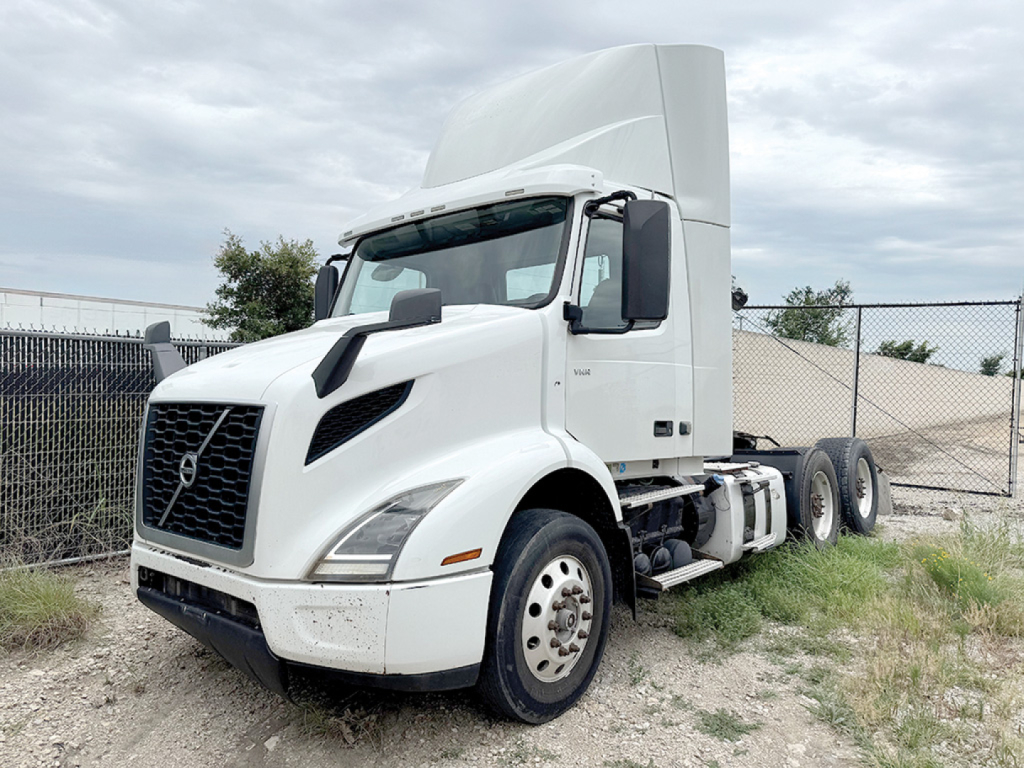
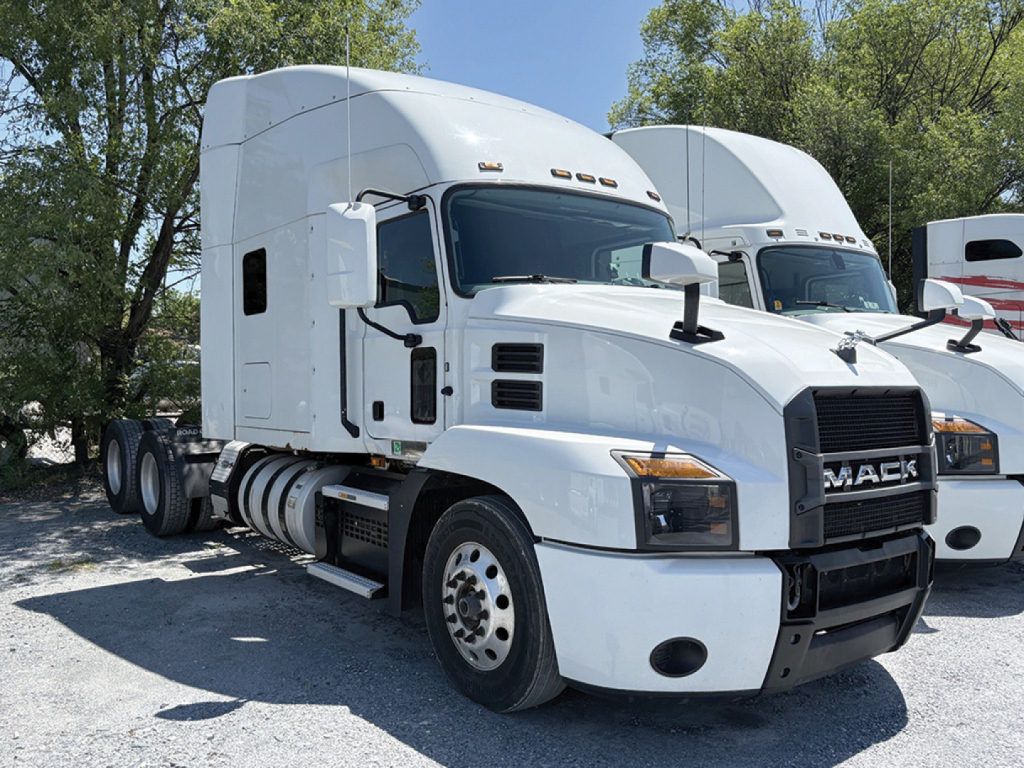
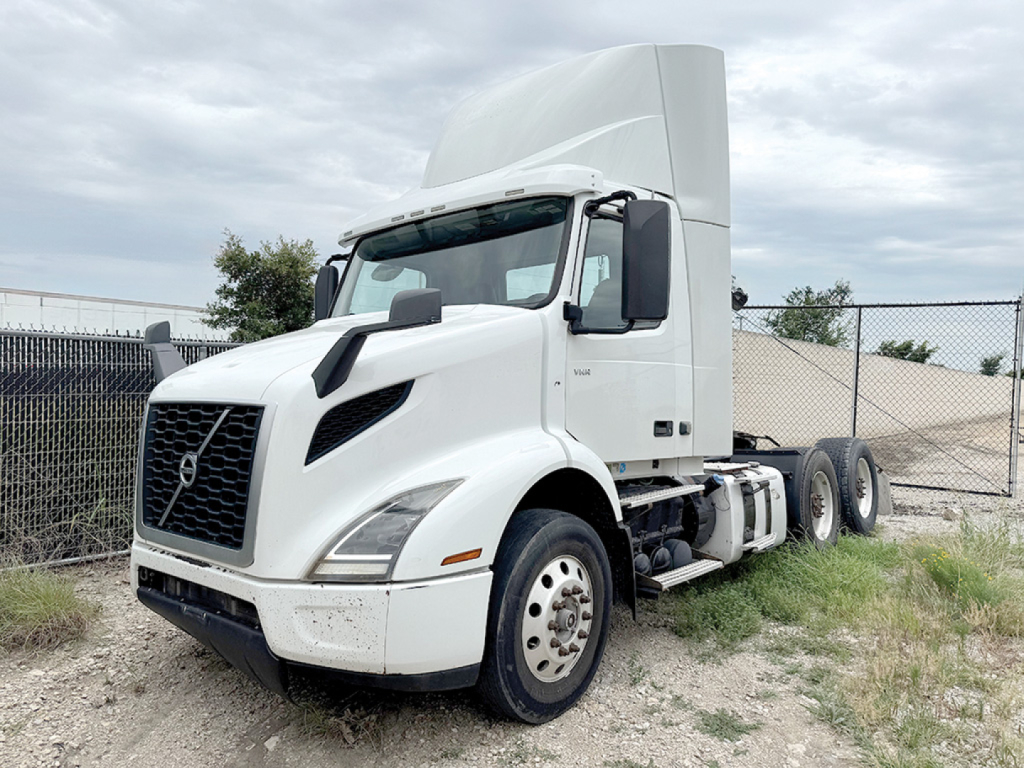
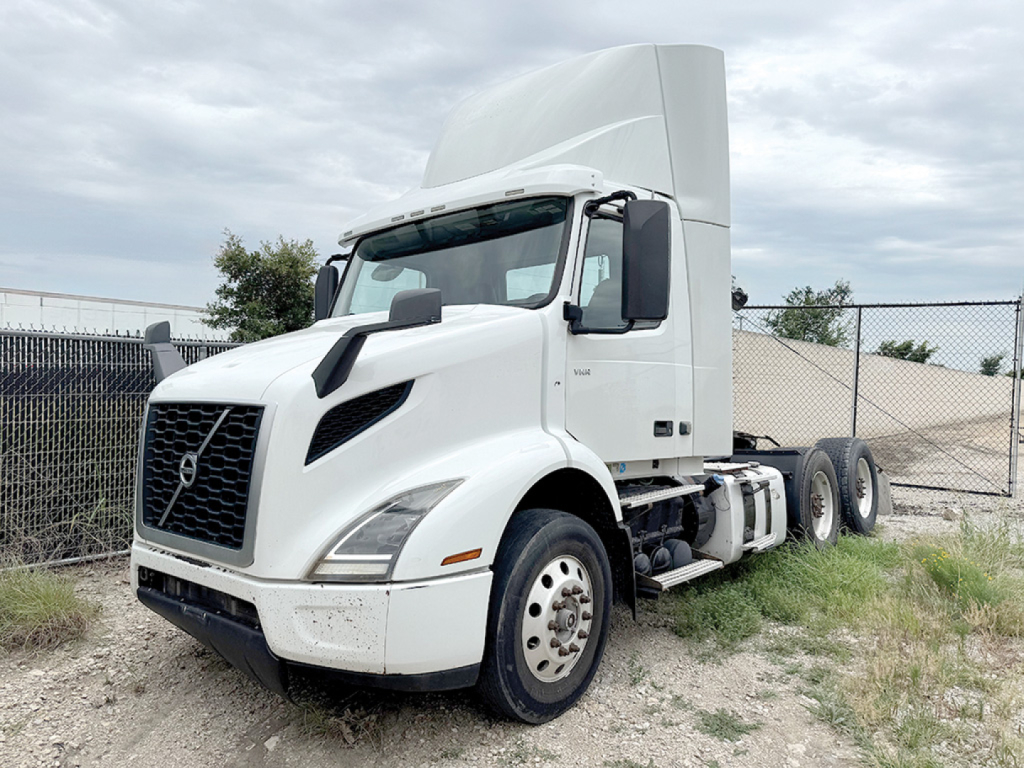
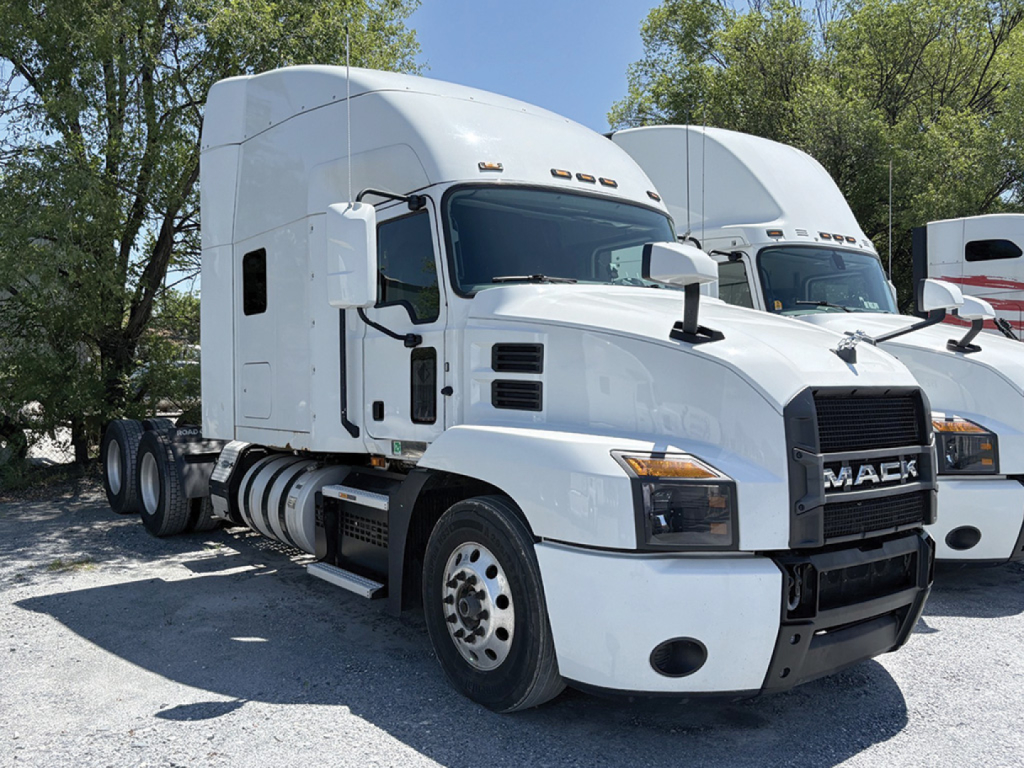
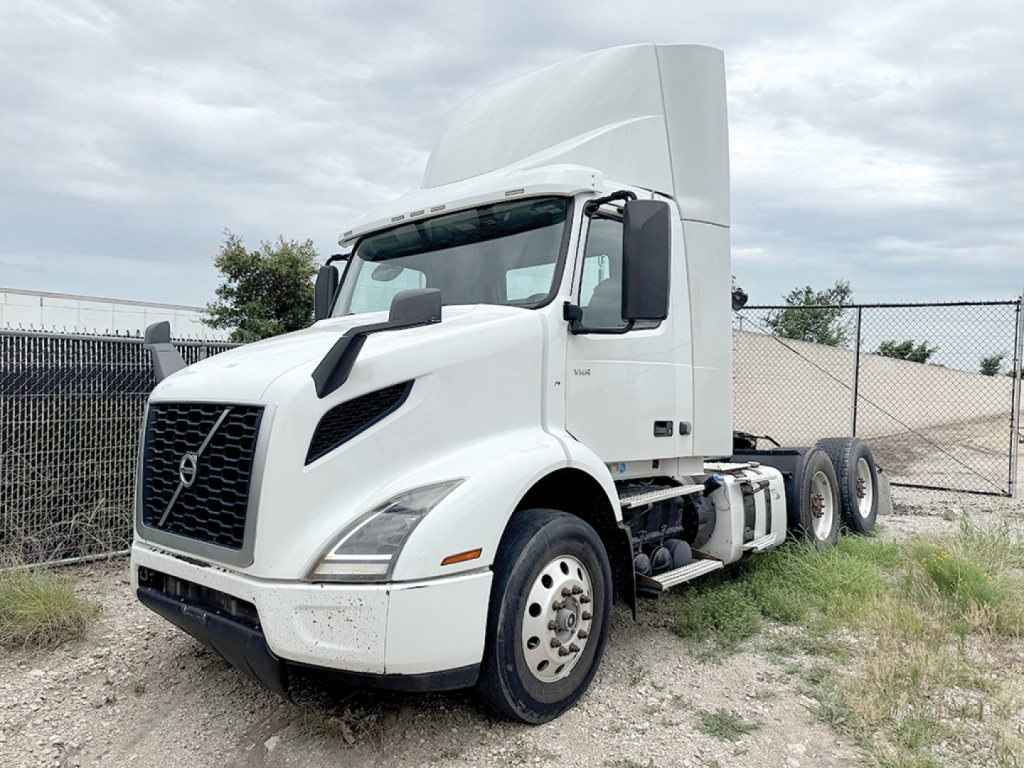
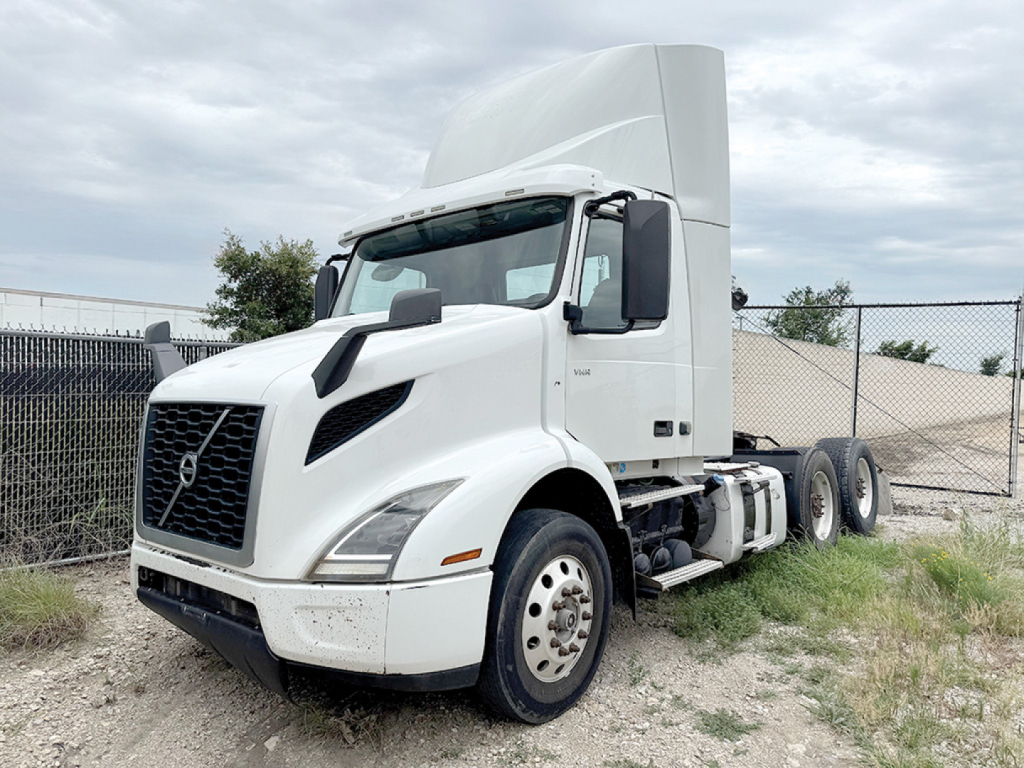
Showing 25 to 48 of 197 results
Have truck to sell? List it here to reach thousands of buyers.
About Trucks Near Pekin, Illinois
For refrigerated straight trucks serving foodservice or pharma, thermal integrity drives product quality and fuel use. Foam in place polyurethane insulation with consistent density, low K factor panels, rivetless or bonded seams, and thermal breaks at rear frames minimize heat leak. Tight door seals, insulated side doors, drip rails, and vapor proof LED lighting reduce moisture and ice buildup. Verify reefer pull down time, hour meter history, and that drains are clear, then inspect for delamination, wet insulation, or crushed foam at scuff zones. In dry vans, a dry, square box with sealed roof seams and sound rub rails keeps freight protected in Midwest weather.
Tare weight affects payload and total cost, so evaluate lightweight options against durability. Aluminum wheels, hubs, tanks, and crossmembers, wide base singles, and air disc brakes can remove hundreds of pounds, improving payload and fuel economy, but they change parts commonality and in some cases traction or tire wear. On tractors, balance engine torque with rear axle ratios that match Central Illinois speeds, then pair with AMT or 10 to 13 speed manuals that hold cruise in the sweet spot. Frame rail RBM, fifth wheel slider range, axle ratings, and wheelbase determine bridge compliance, turning radius, and weight distribution between the steer and tandem. On vocational trucks, spec PTO provision, double frame or insert where needed, and suspension types like air ride, Hendrickson walking beam, or Chalmers based on terrain and load cycle.
Road salt and calcium chloride are a reality in Tazewell County, so corrosion resistance is vital. Look for e coated or epoxy painted frames, sealed harnesses with Deutsch connectors, stainless fasteners and hinges, and aluminum or composite cabs and bodies to slow rust. Galvanic isolation between dissimilar metals, underbody coatings, and coated condenser and evaporator coils on reefer units extend service life. Inspect cab mounts, crossmembers, spring hangers, battery boxes, and aftertreatment brackets for scaling, then confirm DPF and SCR systems have clean histories. A careful inspection that prioritizes floor strength, thermal integrity, low tare weight, and corrosion resistance will result in a truck that stays productive in Pekin and across Illinois.
Frequently Asked Questions
What floor specifications should I look for on a box or reefer truck?
Prioritize a floor that can handle concentrated loads. Laminated hardwood or high density composite boards paired with 16 inch crossmember spacing, heavy threshold plates, intrusion plates at the rear, and 12 to 24 inch scuff liners protect against pallet jack and forklift abuse. A posted forklift floor rating in the 20,000 to 24,000 pound range is common for robust bodies, and aluminum or steel I beam subframes help control deflection under repeated point loads.
How can I assess the thermal integrity of a refrigerated truck body during inspection?
Inspect door seals for elasticity and uniform contact, look for light leaks around door frames, and check that drains are clear. Examine wall and floor panels for delamination, crushed foam, or wet spots that indicate lost R value. A quick pull down test that records time and fuel use from ambient to setpoint is useful, and clean evaporator and condenser coils with properly cycling fans signal efficient heat transfer. Rivetless or bonded seams and thermal breaks at rear frames also reduce heat leak.
How much does tare weight matter for regional tractors and straight trucks?
Tare weight directly impacts payload, fuel economy, and brake and tire life. Lightweight components such as aluminum wheels, hubs, tanks, and crossmembers, wide base singles, and air disc brakes can save several hundred pounds, which improves payload and reduces fuel burn per ton mile. The trade offs can include different parts inventories, potential traction changes on slick roads, and specific tire wear patterns, so weigh the savings against route conditions and maintenance practices.
What corrosion protections work best for Illinois winter conditions?
A multi layer approach performs best. Look for e coated or epoxy painted frames, underbody coatings, stainless hardware and hinges, sealed wiring harnesses with Deutsch connectors, and aluminum or composite cabs and bodies. On reefer units, coated condenser and evaporator coils resist brine. Regular wash cycles with attention to frame flanges, crossmembers, battery boxes, and aftertreatment brackets, plus galvanic isolation between dissimilar metals, will slow rust in salt and brine environments.
Which driveline specs fit regional routes around Pekin and Central Illinois?
Aim for engine torque that supports cruise in top gear at typical highway speeds, matched to a rear axle ratio that keeps RPM in the engine’s efficiency band. Automated manual transmissions simplify stop and go work and hold gears consistently, while 10 to 13 speed manuals offer control on grades and in mixed duty. Choose a wheelbase that balances bridge law compliance, trailer swing clearance, and tight turning in city deliveries, and confirm fifth wheel slider range and axle ratings support your heaviest lanes.