
Used Passenger Van Trucks For Sale
Browse used passenger van trucks for sale, including multi-row transport vans built for crew movement, shuttle work, schools, churches, and fleets.
Learn moreBrowse Passenger Van Trucks by Make
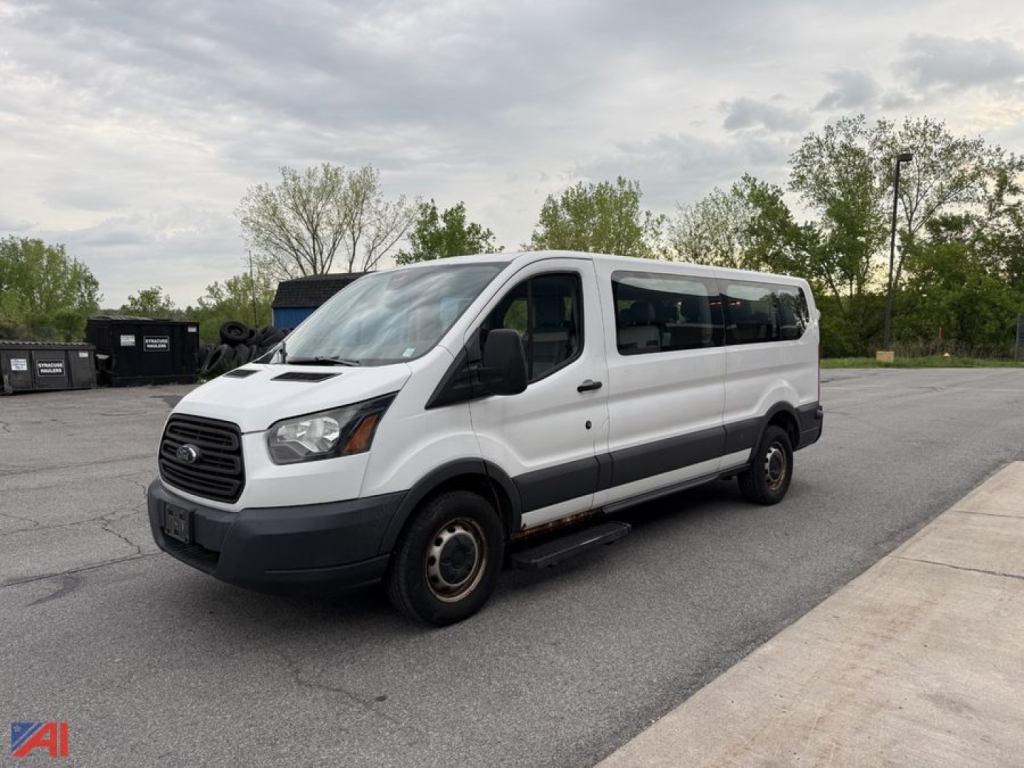
Showing 13 to 13 of 13 results
Have used passenger van truck to sell? List it here to reach thousands of buyers.
About Used Passenger Van Trucks
A used passenger van should be evaluated first by its seating configuration and body style. Common layouts range from 8-passenger to 15-passenger configurations, with side access through swing-out or sliding doors and rear cargo space varying significantly depending on wheelbase and seat count. Roof height matters if passengers are boarding frequently or if the van will be adapted for shuttle work. Lower-roof vans are common in municipal and general fleet use, while high-roof vans improve interior clearance and passenger comfort. Gas engines are common in this segment because acquisition cost and service access are straightforward, but diesel models still appeal to buyers looking for highway efficiency and higher-mileage duty cycles.
Condition on a used passenger van is often more about fleet wear than cosmetic age. Check seat mounting points, flooring, step-in areas, door tracks or hinges, rear air conditioning, heater output to the rear rows, and signs of repeated stop-and-go service. Tire wear can reveal alignment or suspension issues, especially on vans that spent years in urban shuttle routes. Powertrain inspection should include transmission shift quality, cooling system condition, and idle behavior with climate control running. Buyers should also confirm GVWR, axle ratio if available, towing equipment if installed, and whether the van retains OEM seating or has been modified for ADA, paratransit, or specialty passenger use.
The best used passenger van for sale depends on route length, passenger count, and loading frequency. A church or daycare may prioritize easy entry, dependable rear climate control, and moderate mileage. A commercial fleet may focus on parts availability, lower downtime, and standardized service intervals across multiple units. For airport, hotel, or employee shuttle use, look closely at wheelbase, turning radius, luggage space behind the last row, and the overall condition of suspension and brakes. Buyers comparing listings should treat these vans as people-hauling commercial assets where uptime, occupant comfort, and safe access are just as important as engine and transmission specs.
Frequently Asked Questions
What should I look for first when buying a used passenger van?
Start with seating capacity, body length, and service history. A passenger van can look clean and still have heavy fleet wear in the doors, step areas, seat hardware, rear HVAC system, and suspension. Confirm how many passengers it legally seats, inspect tire wear and brake condition, and make sure the air conditioning and heat reach the rear rows effectively. If the van was used for shuttle or municipal service, repeated stop-and-go use can be harder on transmissions, cooling systems, and door components than highway miles.
What are the most common passenger van sizes and seating configurations?
Most used passenger vans fall into 8-passenger, 12-passenger, or 15-passenger layouts, though exact configuration depends on wheelbase, roof height, and OEM or upfitter design. Full-size vans like the Chevrolet Express and Ford Transit are common in this class. Longer wheelbase models typically provide better room for rear passengers or luggage, while shorter vans can be easier to maneuver in urban work. Buyers should verify actual installed seating, not just model name, because rows are sometimes removed or reconfigured during fleet life.
Is a gas or diesel passenger van better for commercial use?
Gas passenger vans are often easier and less expensive to maintain, with broad parts availability and simpler service in mixed fleets. Diesel vans can make sense for high-mileage routes, longer highway runs, or buyers prioritizing fuel efficiency and torque. The right choice depends on route type, technician familiarity, and local service support. On a used unit, overall maintenance history is usually more important than fuel type alone.
Do used passenger vans have enough cargo space for luggage or equipment?
Cargo space depends heavily on wheelbase and how many rows of seats are installed. A full 15-passenger setup leaves limited room behind the last row, which can be a problem for airport, hotel, or team transport that includes bags or gear. Extended-length vans generally offer a better balance of passenger seating and rear storage. If luggage capacity matters, review interior photos carefully and compare body length before choosing between listings.
Are passenger vans suitable for crew transport in construction or field service?
Yes, many buyers use passenger vans for crew transport because they carry workers and small tools in one unit while remaining easier to drive than a bus. For that application, inspect upholstery, floor condition, suspension wear, towing equipment, and rear climate performance. Crew use often creates high entry-exit cycles and interior wear, so door function and step area condition are especially important. Some fleets also prefer removable rear seating to create a mixed passenger and gear-hauling setup.