
Commercial Trucks For Sale Near Park Ridge, Illinois
Browse trucks for sale in Park Ridge, Illinois, including day cabs, sleepers, vocational and medium-duty trucks for regional, local, or heavy work.
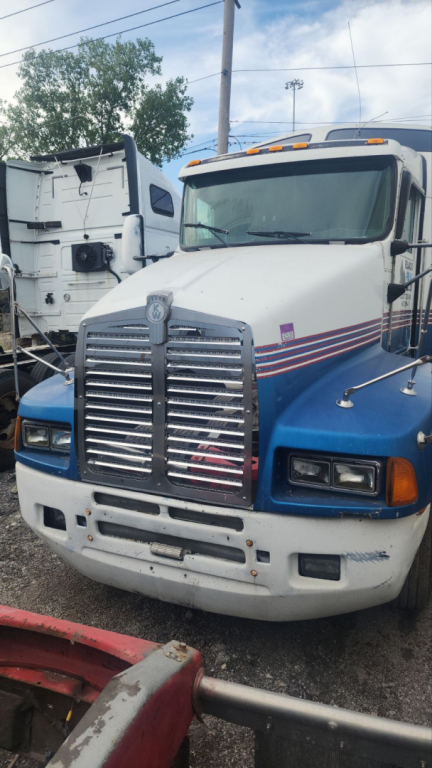
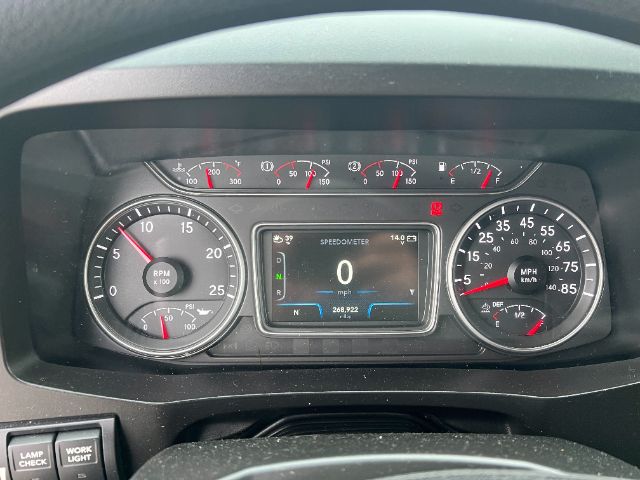
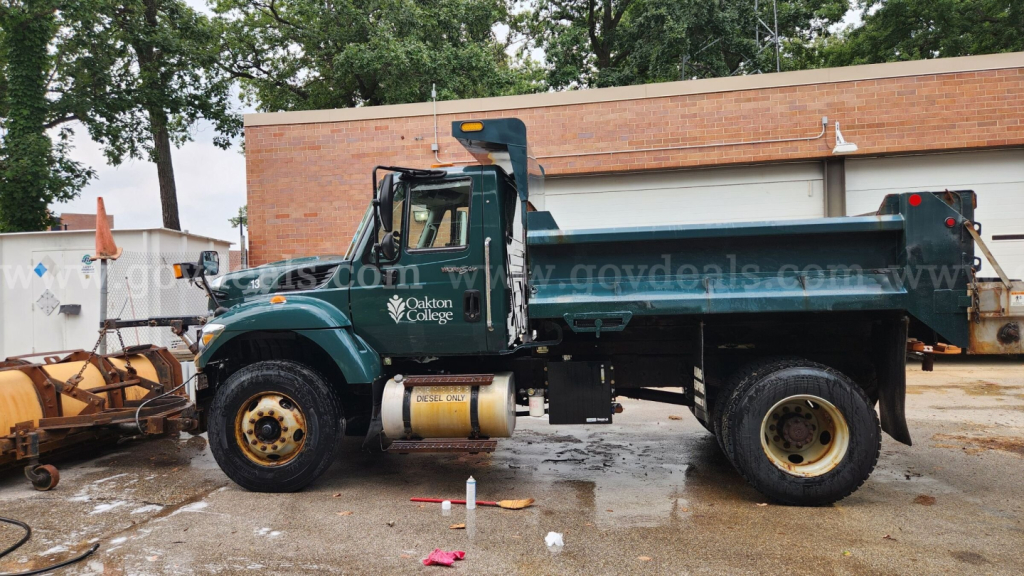
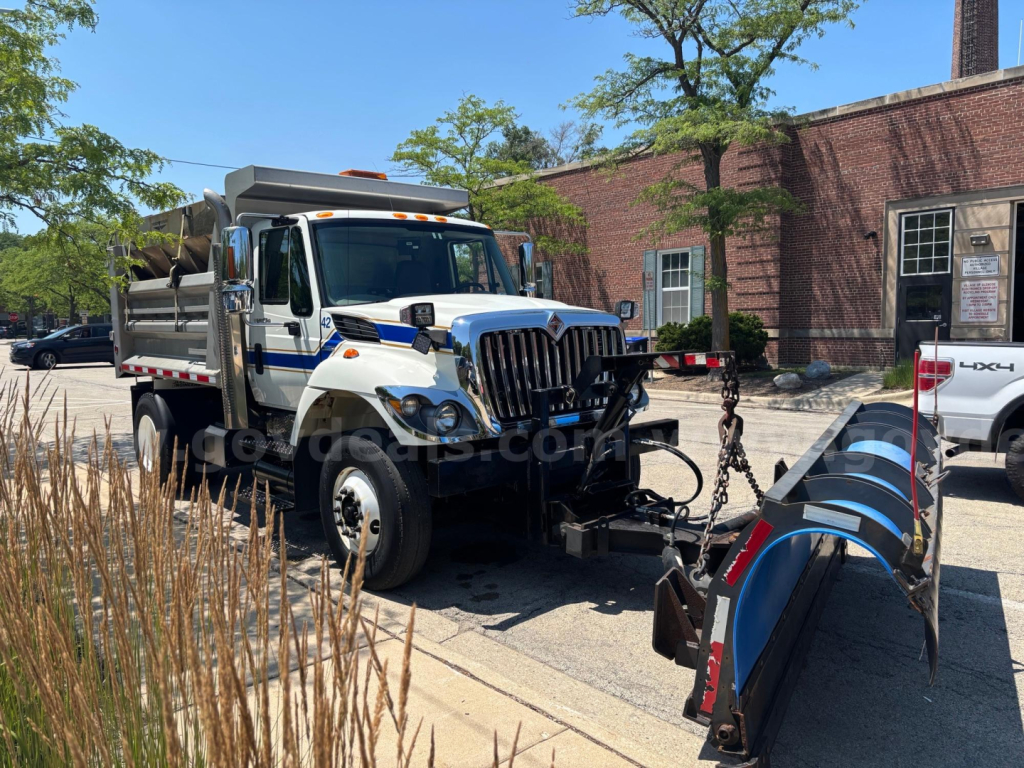
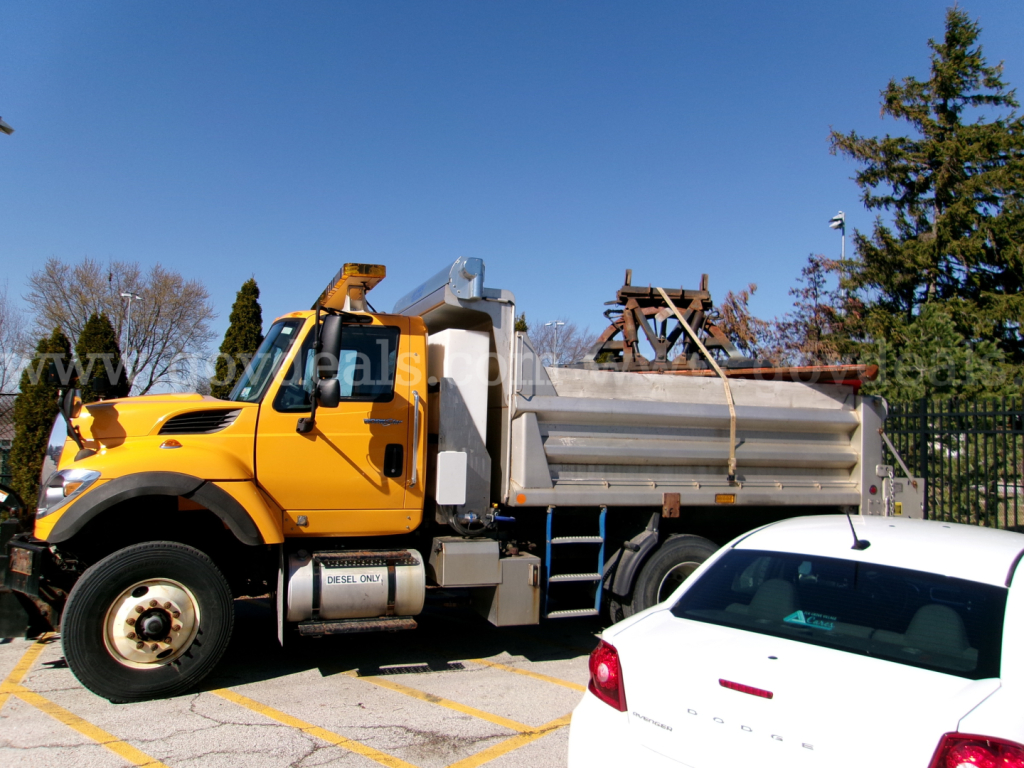
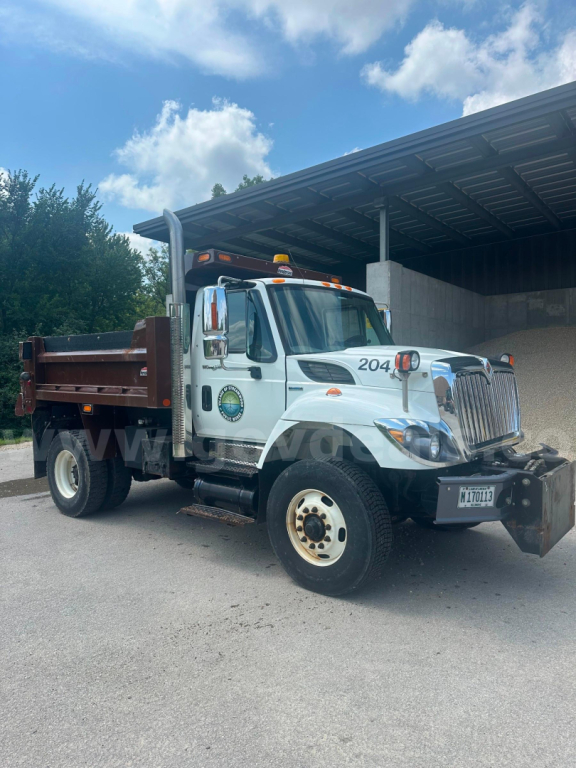
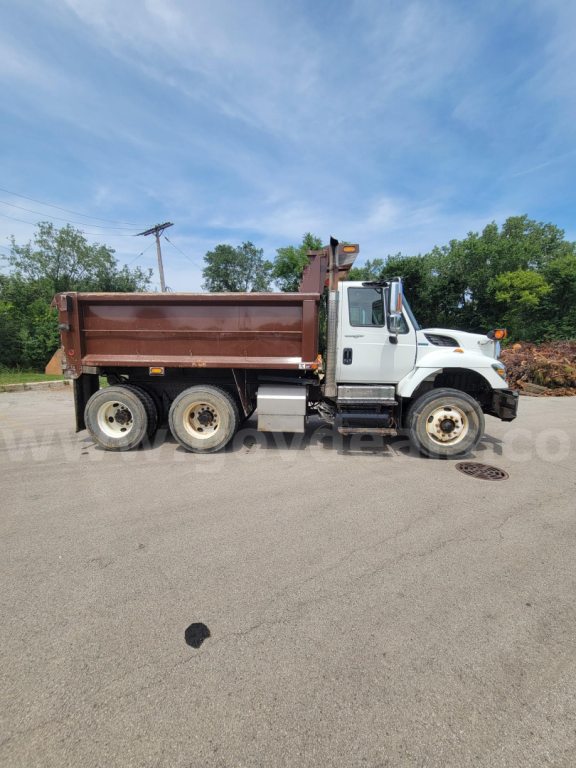
2013 International 7400
10,449 mi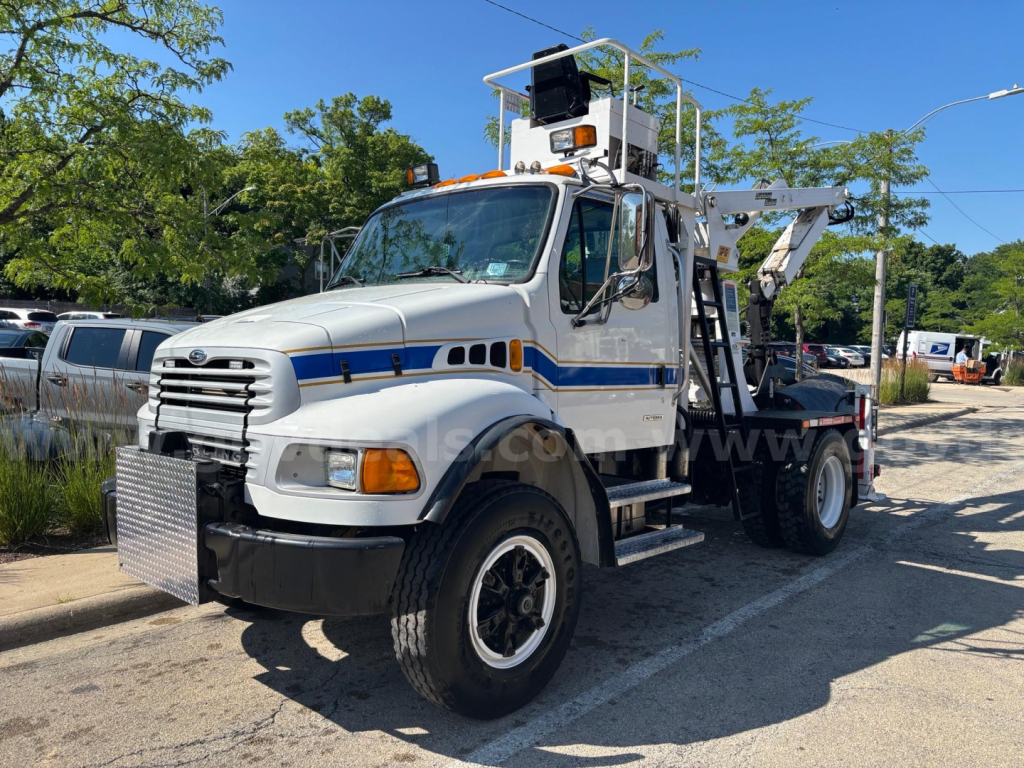


Have commercial truck to sell? List it here to reach thousands of buyers.
Commercial Trucks Near Park Ridge, Illinois
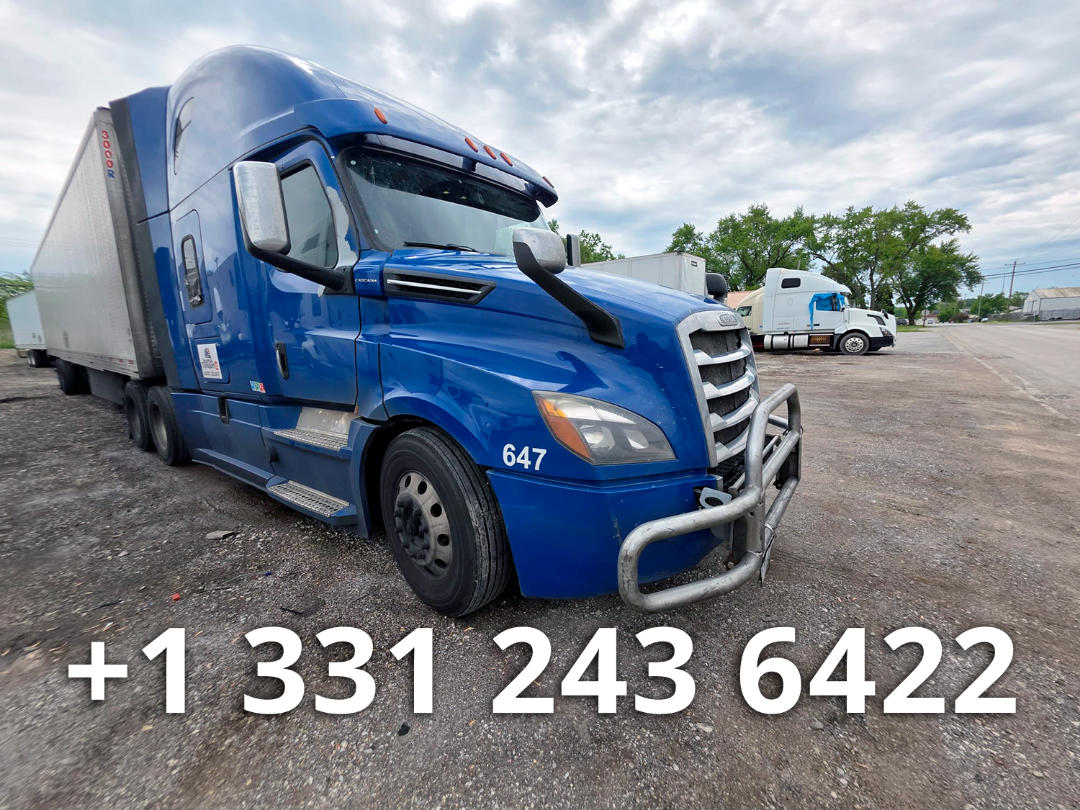
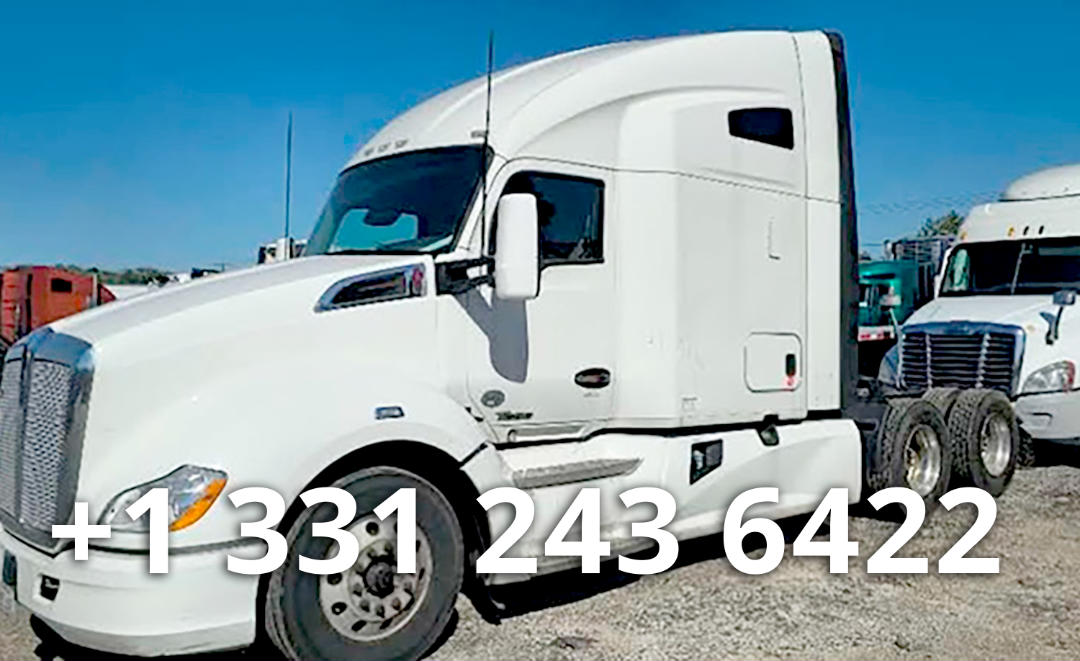
For over-the-road and regional freight, conventional tractors such as aerodynamic sleepers and day cabs are typically spec'd with diesel engines from Cummins, Detroit, or Paccar, automated manual or full automatic transmissions, and rear axle ratios matched to fuel economy or startability needs. Sleeper trucks are built for longer lanes and team operations, while day cabs make more sense for local haul, drayage, and dedicated regional work. Mileage matters, but service history matters more. Buyers comparing used trucks should pay close attention to emissions-related maintenance including DPF cleaning, DEF system repairs, EGR work, and any recent injector, overhead, clutch, or aftertreatment service. On heavier vocational units, frame condition, PTO operation, hydraulic plumbing, and evidence of body or equipment integration quality are just as important as engine hours and odometer readings.
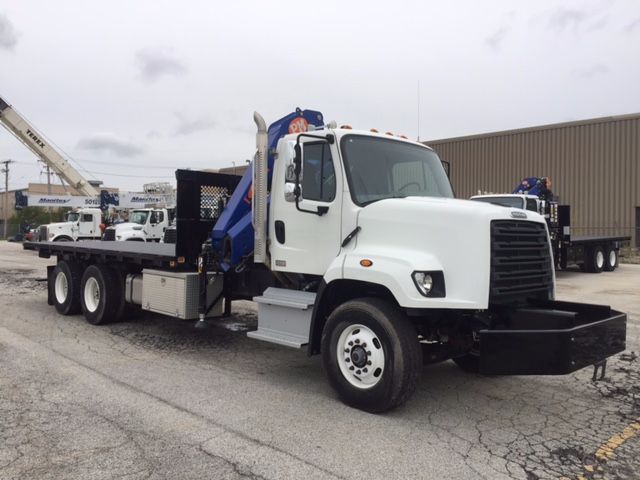
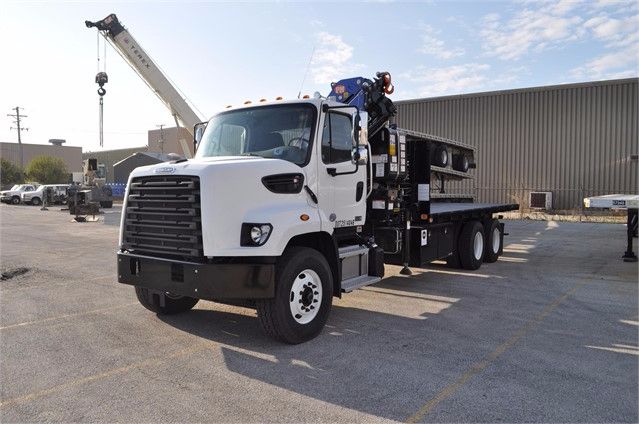
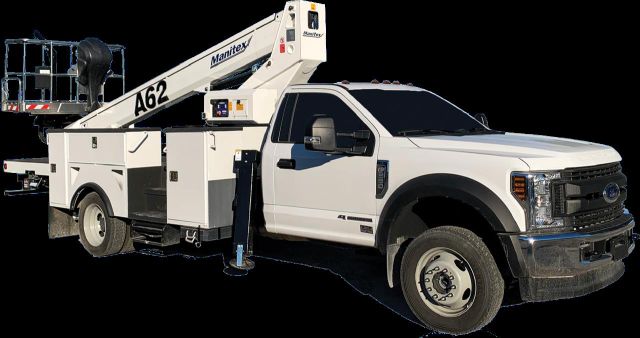
Vocational trucks in this category can cover a wide spread of uses, including aerial lift work, utility service, crane operation, construction support, and municipality fleets. That means spec differences are substantial. A bucket truck buyer will care about working height, side reach, outrigger spread, basket capacity, and dielectric condition if electric utility work is involved. A boom truck or knuckle boom buyer will focus on lift chart, stabilizer setup, frame reinforcement, and whether the truck has the right front axle, rear suspension, and PTO capacity for safe operation. Medium-duty chassis such as Ford F-550 or International 4000-series models are often chosen where maneuverability and lower CDL thresholds matter, while heavier Freightliner, Kenworth, and International Class 8 chassis are more common when durability, axle capacity, and upfit support take priority.
In northern Illinois, buyers should also factor in corrosion exposure, cold-weather starting performance, and how the truck will handle urban routes around Chicagoland. Rust at the cab mounts, crossmembers, battery boxes, steps, and body supports can change the value of a used truck quickly. For any truck category, the best comparison points are engine hours, maintenance records, tire and brake life, suspension wear, vocational equipment inspection status, and whether the specifications actually match the work. A truck that is correctly spec'd for the job will usually outperform a newer truck with the wrong wheelbase, axle ratio, or body setup.
Frequently Asked Questions about Commercial Trucks Near Park Ridge, Illinois
What should I look at first when comparing trucks for sale?
Start with the truck's intended application and core ratings. GVWR, axle capacities, wheelbase, engine horsepower and torque, transmission type, and PTO compatibility tell you more than appearance or brand preference alone. For tractors, confirm the cab style, rear axle ratio, and suspension match the trailer weights and route profile. For vocational trucks, inspect the upfit, frame reinforcement, hydraulic system, and any aerial, crane, or service body components as closely as the chassis itself.
Is mileage the most important factor on a used truck?
Mileage is important, but maintenance history is often a better predictor of value and remaining service life. A higher-mileage truck with documented fleet maintenance, recent brake work, aftertreatment service, and consistent engine care can be a stronger buy than a lower-mileage truck with gaps in records. On vocational trucks, engine hours and PTO hours can be just as important as odometer miles because many units spend long periods operating equipment while stationary.
How do I choose between a sleeper truck and a day cab?
A sleeper truck is typically the better fit for long-haul, overnight, and team operations because it provides driver accommodations and is commonly spec'd for highway efficiency. A day cab is better suited to local delivery, drayage, short regional lanes, and applications where lower weight, easier maneuvering, and reduced complexity matter more than bunk space. The right choice depends on route length, driver schedule, payload targets, and customer requirements.
What matters most on a bucket truck or boom truck?
The key buying points are safe working capacity and how well the equipment matches the job. On a bucket truck, review platform height, horizontal outreach, basket capacity, outrigger configuration, and inspection or certification status. On a boom or knuckle boom truck, verify the lift chart, stabilizer function, PTO performance, structural condition of the subframe, and the axle and suspension ratings supporting the crane. A mismatch between chassis capacity and mounted equipment can create operational and compliance problems.
Are trucks in Illinois different to buy than trucks from drier regions?
Yes. Trucks that have worked in Illinois often see winter road salt, freeze-thaw cycles, and stop-and-go urban duty, so corrosion inspection is critical. Buyers should check frame rails, crossmembers, cab corners, brake and fuel lines, electrical connectors, battery boxes, and body mounts for rust or repairs. Cold-weather performance items such as batteries, block heaters, air dryers, and starting system condition also deserve extra attention in this region.