
Used International Packer Trucks For Sale in New York
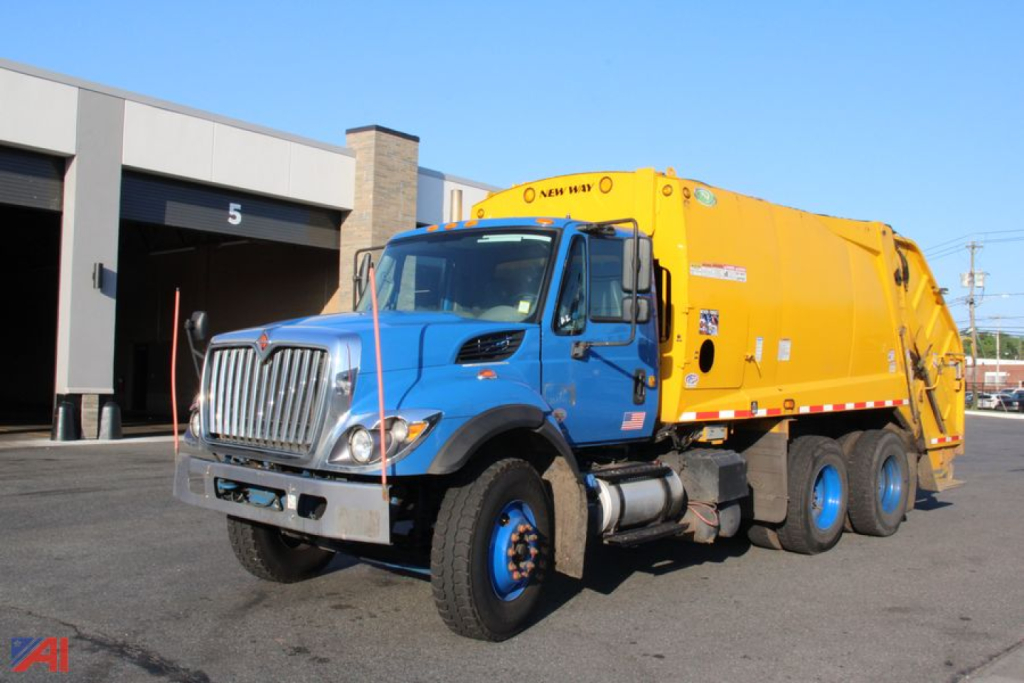
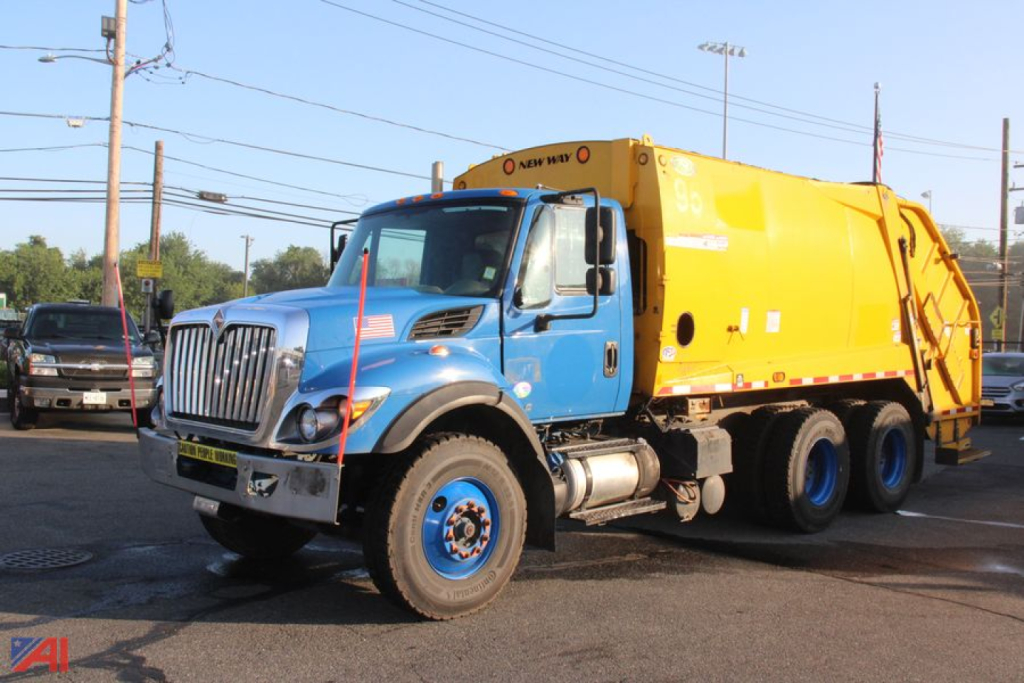
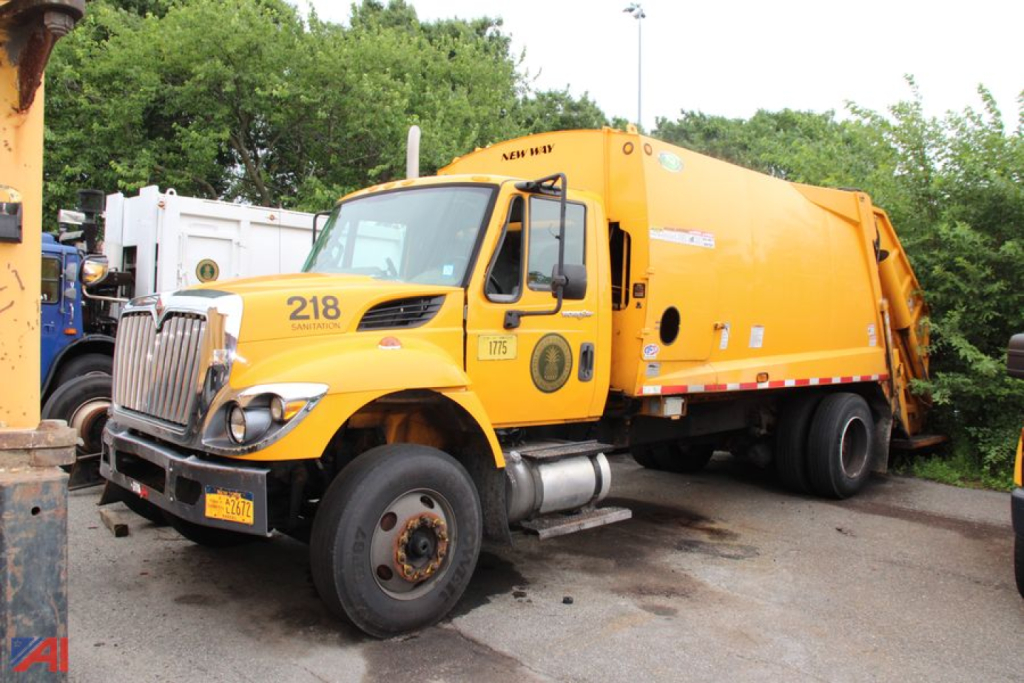
Have used international packer truck to sell? List it here to reach thousands of buyers.
Used International Packer Trucks in New York
The chassis matters as much as the body on a used packer truck. Buyers typically look closely at GVWR, axle ratings, suspension type, wheelbase, and cab layout to make sure the truck matches route density and payload demands. Many International packer trucks use diesel powertrains suited for low-speed vocational service, with automatic transmissions favored for route efficiency and driver consistency. A packer truck, also called a garbage truck or refuse truck, should be evaluated for PTO engagement quality, hydraulic system condition, hopper wear, tailgate seal integrity, body floor thickness, and signs of stress around body mounts. On New York units, corrosion around frames, crossmembers, wiring, and hydraulic lines deserves extra attention because road salt and year-round municipal service can accelerate wear.
Body style and loading method should line up with the work. Rear loaders remain popular for residential and hand-load routes because they are straightforward to operate and maintain. Automated side loaders can improve labor efficiency on cart-based routes but bring added complexity in arms, controls, and hydraulic components. Front loaders are more common in commercial dumpster service and demand the right axle and frame setup for repeated lift cycles. Buyers comparing used International packer trucks should also check packer cycle times, compaction performance under load, hopper capacity, legal payload potential, and how easily replacement parts can be sourced for both the chassis and the refuse body.
A good used International packer truck is usually defined by service history more than by age alone. Idle hours, engine hours, total miles, body manufacturer support, and maintenance records on brakes, suspension, steering, and emissions components all help paint the real picture. For fleet buyers, standardization can be a major advantage because WorkStar-based refuse trucks often fit established driver training, shop tooling, and parts stocking practices. If the truck will stay in New York service, it is smart to verify local bridge and axle compliance, turning radius for dense neighborhoods, and body dimensions for garage or transfer station clearance.
Frequently Asked Questions about Used International Packer Trucks in New York
What should I inspect first on a used International packer truck?
Start with the refuse body and hydraulic system, then move to the chassis. Check hopper condition, packer blade wear, tailgate seal, cylinder leaks, PTO operation, and any cracking around body mounts. On the chassis side, review frame corrosion, suspension wear, steering play, brake condition, axle ratings, and signs of hard municipal service. Service records and engine hours often tell more than odometer mileage on a refuse truck.
Are International WorkStar 7300 and 7400 models good for refuse applications?
Yes. The International WorkStar 7300 and 7400 are widely used in severe-service work, including refuse hauling. They are known for stout vocational chassis design, compatibility with common packer bodies, and configurations that suit stop-and-go collection routes. The right choice depends on the body size, axle setup, and whether the truck is being used for residential, commercial, or transfer-related work.
What body types are common on used International packer trucks?
Rear loaders are the most common and are widely used for residential trash collection and manual loading routes. Automated side loaders are popular where cart-based pickup and labor efficiency are priorities. Front loaders are more specialized for commercial container service. The best body type depends on route layout, crew size, container style, and maintenance capabilities.
Why is corrosion such an important issue on used packer trucks in New York?
New York refuse trucks often operate year-round in wet, salted road conditions, which can accelerate rust on frames, crossmembers, hydraulic plumbing, wiring, and body structures. Corrosion can affect safety, maintenance cost, and long-term body life. A careful inspection under the body and around mounting points is especially important on northeastern municipal units.
How do I match a used packer truck to my route?
Focus on payload, loading style, and maneuverability. Dense urban routes may need a shorter wheelbase and tight turning radius, while heavier commercial work may require higher axle ratings and a larger body. Compare hopper size, compaction strength, legal GVWR, and unloading requirements at your disposal site. The best route truck is the one that fits your container system, daily tonnage, and local road restrictions.