
International Packer Trucks For Sale in New York
Have international packer truck to sell? List it here to reach thousands of buyers.
International Packer Trucks in New York
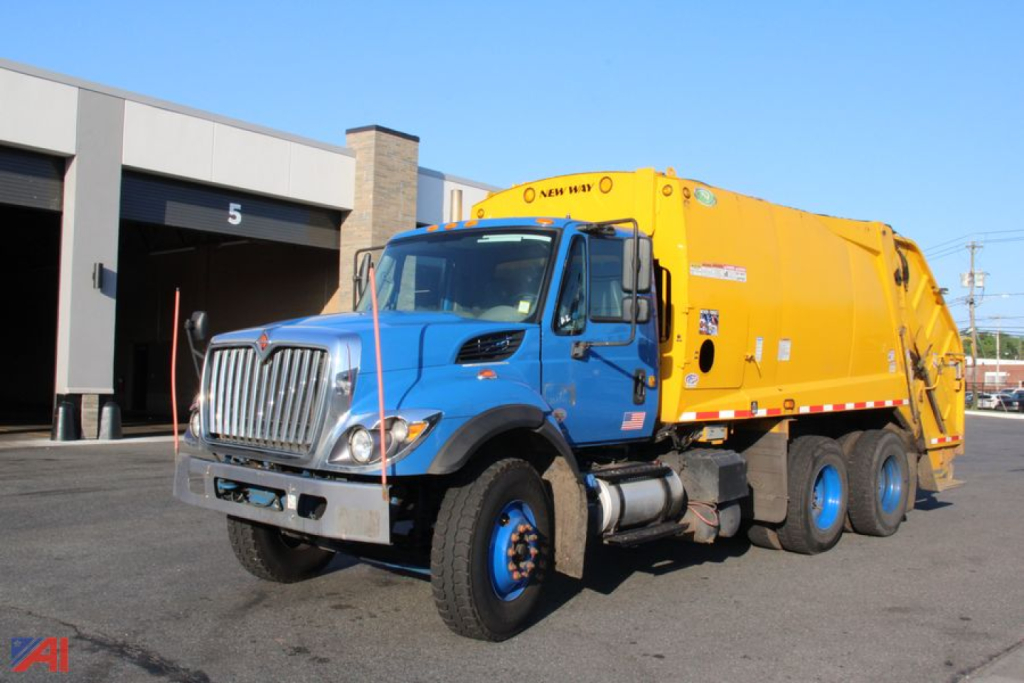
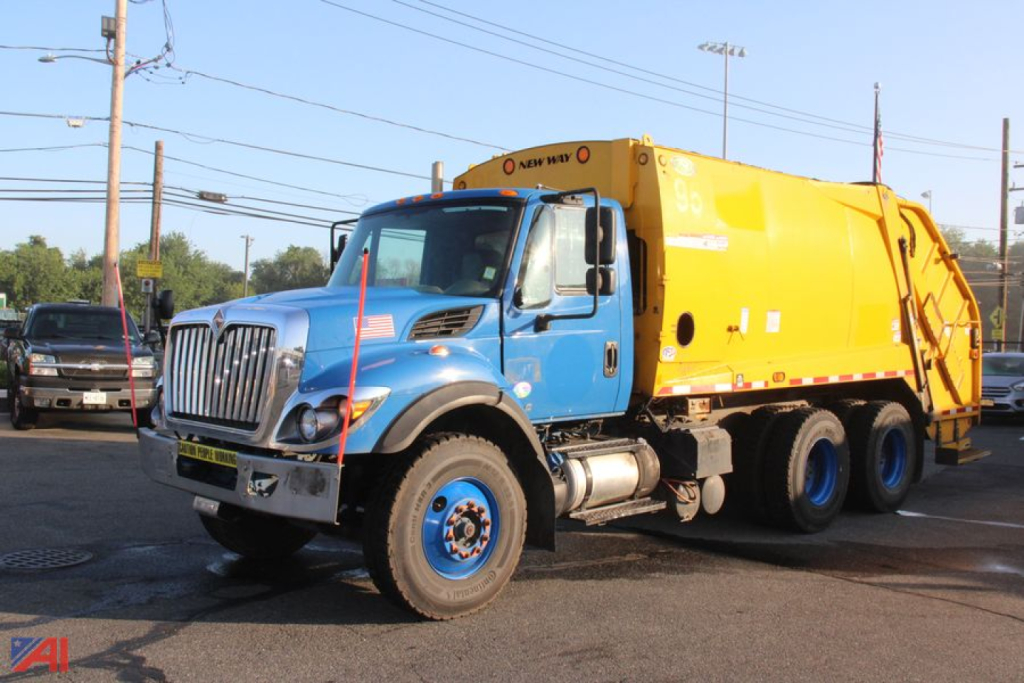
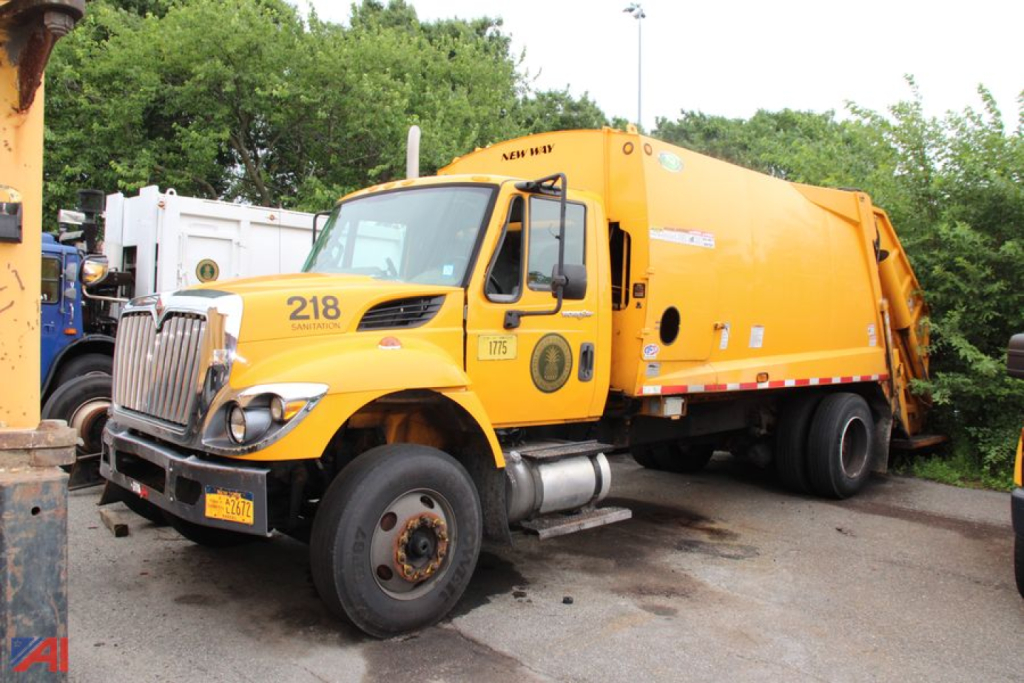
A buyer comparing International packer trucks should look closely at axle ratings, wheelbase, engine family, transmission type, and the condition of the packer body itself. Gross vehicle weight rating, front axle capacity, and rear suspension setup matter because payload and route density can change how the truck performs day after day. Allison automatic transmissions are common in this class because they handle constant starts and stops well, and PTO-driven hydraulic systems need to be evaluated for smooth cycling, leaks, pump condition, and packer response. On used refuse trucks, body hours and compaction cycles can be just as important as chassis miles.
Body specification is where one packer truck can differ significantly from another. Rear loader packers remain popular for residential collection because they are simple, proven, and easy to staff, while automated side loader setups can improve route efficiency when the operation is built around cart service. Buyers should inspect hopper size, packer blade wear, tailgate seal condition, ejector operation, and any corrosion around the body floor, crossmembers, and mounting points. In New York, rust and underbody corrosion deserve extra attention, especially on older trucks that have seen winter road salt. Frame condition, brake lines, electrical connections, and hydraulic lines should all be checked carefully.
International packer trucks also appeal to fleets that want straightforward parts support and familiarity in the shop. The right truck depends on route type, transfer distance, crew size, legal weight targets, and whether the priority is maneuverability or payload. A shorter wheelbase can help in dense city work, while a heavier spec chassis may make more sense for tougher routes or higher-volume collection. For many buyers, the best value comes from matching the packer body design and chassis spec to the exact refuse application instead of shopping by model year alone.
Frequently Asked Questions about International Packer Trucks in New York
What should I inspect first on a used International packer truck?
Start with the packer body, hydraulic system, and frame condition. Refuse trucks live hard lives, so hopper wear, packer blade condition, tailgate seals, ejector operation, and hydraulic leaks can tell you a lot about how the truck was maintained. After that, review the chassis for rust, suspension wear, brake condition, PTO engagement, transmission performance, and any signs of frame corrosion or body mount damage. On a used packer, body condition often matters as much as engine mileage.
Is an International WorkStar a good chassis for refuse applications?
The International WorkStar has long been a familiar platform in municipal and vocational service because it is built for demanding duty cycles and body-builder applications. It is commonly used under packer bodies thanks to its durable frame options, vocational axle configurations, and compatibility with PTO-driven hydraulic equipment. The exact suitability still depends on engine, transmission, axle ratings, wheelbase, and the body installed, but the WorkStar is widely recognized as a practical refuse chassis.
What matters more on a packer truck, mileage or body hours?
Both matter, but body hours and compaction cycles are often critical on a refuse truck. A chassis may show reasonable mileage yet still have very heavy wear from constant stop-and-go service and thousands of hydraulic cycles. The packer body, PTO system, cylinders, and tailgate components can age differently than the engine and transmission. Buyers should evaluate mileage, engine hours if available, body condition, and maintenance records together rather than relying on one number.
Are rear loader packer trucks better than side loaders?
Neither is automatically better because each is built for a different collection style. Rear loaders are common for residential and some commercial routes because they are versatile, easier to deploy with a crew, and familiar to many municipalities. Side loaders can improve efficiency and reduce labor on routes designed around automated cart pickup, but they require the right body spec, route layout, and operating model. The best choice depends on staffing, route density, street width, and container type.
Why is rust inspection especially important on packer trucks in New York?
New York operating conditions can accelerate corrosion because refuse trucks often run year-round in wet, salted road environments. Rust can affect the frame, body floor, crossmembers, hydraulic line supports, electrical mounts, and tailgate sealing surfaces. Corrosion is more than a cosmetic issue on a packer truck because it can shorten body life, create hydraulic and electrical failures, and increase repair costs. A careful underbody and frame inspection is essential before purchase.