
Western Star Other Trucks For Sale
Browse Western Star other trucks for sale, including specialty vocational chassis built for demanding municipal, construction, and custom applications.
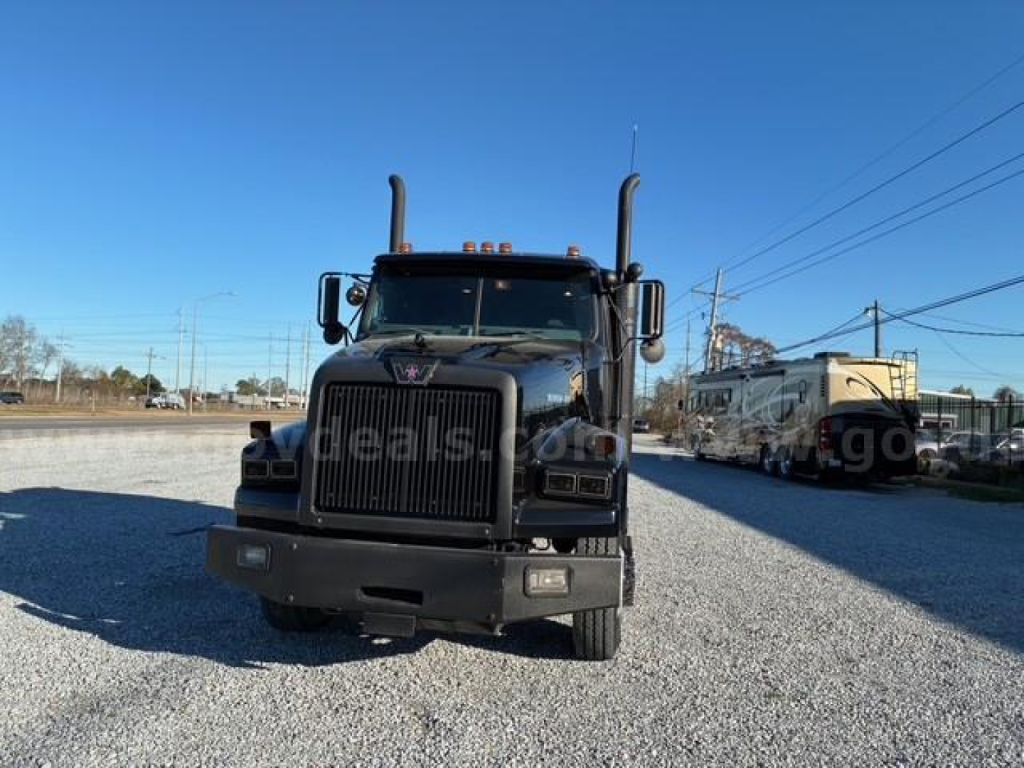
Have western star other truck to sell? List it here to reach thousands of buyers.
Western Star Other Trucks
A lot of Western Star specialty trucks are built on 4700-series platforms, though other configurations show up depending on the body and region. Common specs include tandem axles, Cummins diesel engines, automatic or automated transmissions, and vocational suspensions designed for off-road or mixed-surface use. Buyers should look closely at gross vehicle weight rating, front axle capacity, bridge spacing, frame reinforcement, and body integration. On trucks with spreader boxes, tanks, pumps, conveyors, or application equipment, the real value is in how well the chassis and upfit were matched from the start. A strong engine and transmission package is important, but correct PTO ratios, hydraulic flow, and control layout often matter more in day-to-day production.
Condition evaluation on this category goes beyond miles and engine hours. Inspect the body manufacturer, wear points, corrosion, electrical controls, hydraulic lines, spinner or conveyor components if equipped, and the overall quality of the installation. On municipal and road work units, rust, material buildup, and seasonal storage history can tell you a lot. If the truck was used for cement, aggregate, lime, or other abrasive material, check the box, chain, floor, and metering components for excess wear. Parts support is another practical concern. Western Star chassis components are generally straightforward to source through the Freightliner and Daimler network, but body and attachment parts can be more specialized depending on the upfitter.
The best way to shop this category is to start with the job, not the badge on the hood. Match the payload, application method, route conditions, and operator requirements to the truck's exact configuration. A Western Star specialty truck can be an excellent fit when uptime, durability, and chassis strength are priorities, especially in construction, municipal work, and heavy vocational service. Buyers comparing listings should pay attention to axle setup, transmission type, engine horsepower and torque, body brand, and whether the equipment is ready to work as configured or will need modification for local regulations and operating practices.
Frequently Asked Questions about Western Star Other Trucks
What types of trucks are usually included under Western Star other trucks?
This category usually includes specialized vocational trucks that do not fit neatly into a standard box such as dump trucks, sleepers, or conventional straight trucks. Examples can include cement spreaders, municipal service units, utility trucks, road maintenance trucks, and other custom chassis-body combinations. The common thread is that the truck was built for a specific application, so buyers need to evaluate both the Western Star chassis and the mounted equipment as one package.
What should I inspect first on a used Western Star specialty truck?
Start with the application equipment because repairs there can be more specialized and expensive than routine chassis work. Inspect hydraulic systems, PTO operation, controls, body structure, wear surfaces, rust, and any moving components such as conveyors, spreaders, augers, or pumps. Then review the truck side for engine condition, transmission operation, axle ratings, suspension wear, brake condition, and frame integrity. Service records that cover both the chassis and the upfit add real value.
Are automatic transmissions common in Western Star vocational specialty trucks?
Yes, automatic transmissions are common in many vocational and municipal Western Star applications, especially where low-speed maneuvering, frequent stops, and multiple operators are part of the job. Allison automatics are often chosen for spreader, utility, and service applications because they are easy to operate and work well with PTO-driven systems. The right transmission depends on duty cycle, terrain, and whether precise low-speed control or fuel economy is the bigger priority.
Why do axle ratings and wheelbase matter so much in this category?
Axle ratings and wheelbase directly affect payload, body fitment, bridge compliance, turning radius, and how well the truck handles mounted equipment. A specialty body can place unusual weight on the steer axle, drive axles, or rear overhang, so the chassis has to be matched correctly from the start. If those numbers are wrong, the truck may be difficult to operate legally or efficiently even if the engine and body are otherwise in good condition.
Is parts availability a concern on Western Star other trucks?
Chassis parts are usually manageable because Western Star shares support through the broader Daimler dealer network, and common engine and transmission components are widely known in the vocational market. The bigger parts question is often the body or attachment manufacturer. Before buying, confirm the make of the mounted equipment, the availability of wear parts, and whether service support exists in your region. That is especially important on older municipal or custom-built units.