
Used Other Trucks For Sale in New York
Browse used other trucks for sale in New York, including specialty, vocational, and hard-to-classify units for mixed commercial applications.

Selling a used other truck? List your used other truck for sale and reach thousands of commercial buyers.
Used Other Trucks in New York
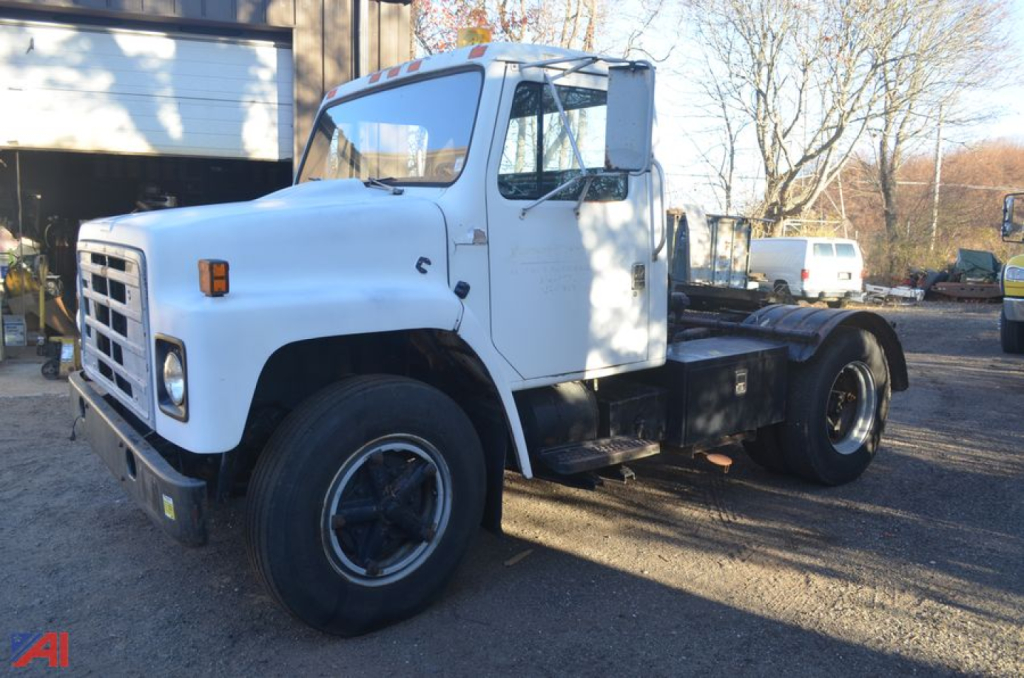
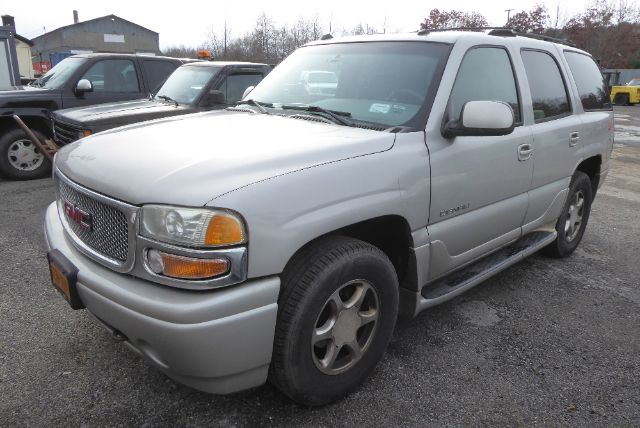
For buyers comparing used trucks in this segment, drivetrain, axle rating, wheelbase, and registration class are usually more important than brand alone. In New York, operating environment is a big factor. Tight urban routes, bridge laws, winter conditions, and stop-and-go service can all affect what spec makes sense. A heavier vocational-style truck may need the right GVWR, PTO capability, suspension type, and brake setup for the job, while a repurposed highway tractor may be better evaluated on engine hours, transmission type, rear axle ratio, and fifth wheel configuration. If the unit is an SUV or light-duty commercial vehicle listed in this category, buyers should still check payload, towing capacity, service history, rust, and emissions compliance.
Condition varies widely in used other trucks, so inspection discipline is critical. Look closely at frame condition, cab mounts, electrical repairs, hydraulic systems if equipped, and signs of corrosion from Northeast road treatment. On older trucks, parts support and drivetrain familiarity can matter as much as purchase price. Common checks include verifying VIN and title status, confirming the actual body or chassis application, reviewing tire date codes, and checking for active fault codes or uneven wear that may point to suspension or alignment issues. For diesel-powered units, cold-start behavior, blow-by, cooling system condition, and transmission operation should all be part of the evaluation.
This category can offer strong value for buyers who know the exact task the truck needs to perform. Some units are ideal for short-haul regional work, some are best suited for yard use or private property operations, and others can be adapted for niche commercial applications. The key is to match the truck’s real-world spec to the intended duty cycle instead of relying on a broad category name. In a market as diverse as New York, that approach helps narrow down the right used truck faster and avoids buying a unit that looks workable on paper but is poorly matched to the job.
Frequently Asked Questions about Used Other Trucks in New York
What kinds of vehicles are usually listed as used other trucks?
Used other trucks typically include commercial vehicles that fall outside standard categories like sleeper tractors, box trucks, or flatbeds. That can include specialty chassis, vocational units with uncommon bodies, retired municipal trucks, repurposed tractors, SUVs used for fleet support, and mixed-use commercial vehicles. Because the category is broad, buyers should focus on the truck’s actual chassis spec, intended application, and legal operating class rather than the category label alone.
What should I check first when buying a used other truck in New York?
Start with the truck’s intended job, GVWR, title status, and current registration class. Then inspect frame rust, underbody corrosion, brake condition, tire age, suspension wear, and any body or upfit components that affect usability. In New York, exposure to road salt makes corrosion one of the most important value and safety factors, especially on older trucks, municipal units, and vehicles that have spent years in local service.
Are older trucks in the other category still practical for commercial use?
They can be, if the truck matches the application and parts support is still realistic. Older units are often attractive for farm use, yard work, private property operations, seasonal work, or short local routes where low acquisition cost matters more than late-model technology. Buyers should verify engine, transmission, and axle components carefully, and confirm that maintenance, inspections, and any emissions-related requirements align with the way the truck will be used.
How do I evaluate a repurposed tractor or uncommon commercial truck?
Look beyond appearance and confirm the full chassis specification. Important checks include engine rating, transmission model, rear axle ratio, wheelbase, axle capacity, brake type, PTO provisions, and any frame modifications. If the truck has been converted or used in a non-standard application, inspect wiring quality, hydraulic plumbing if equipped, and the condition of mounting points and crossmembers. A truck with the right mechanical spec but poor modifications can become expensive quickly.
Why does this category require more buyer attention than standard truck categories?
The other category usually includes equipment with less uniformity in specs, terminology, and previous use. That means two trucks in the same category can have completely different capabilities, licensing requirements, and maintenance needs. A careful buyer will verify what the truck actually is, what work it has been doing, and whether its configuration supports the next job without major rework. That extra diligence is what turns this category from a gamble into a value buy.