
Used 2020 Other Trucks For Sale
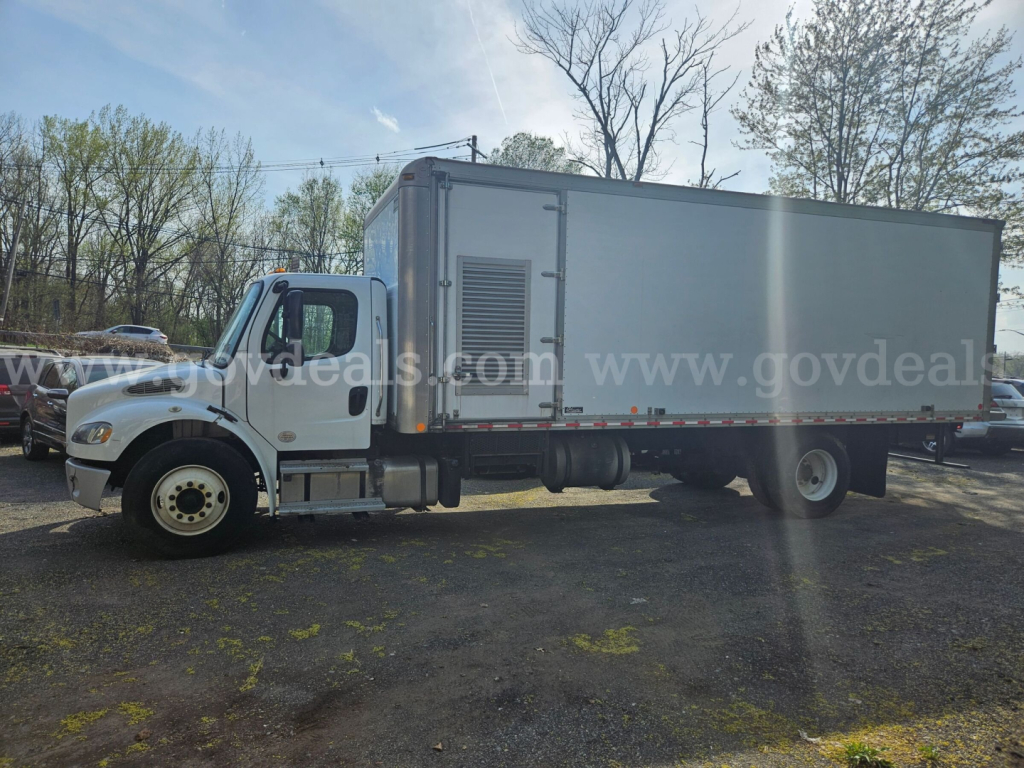
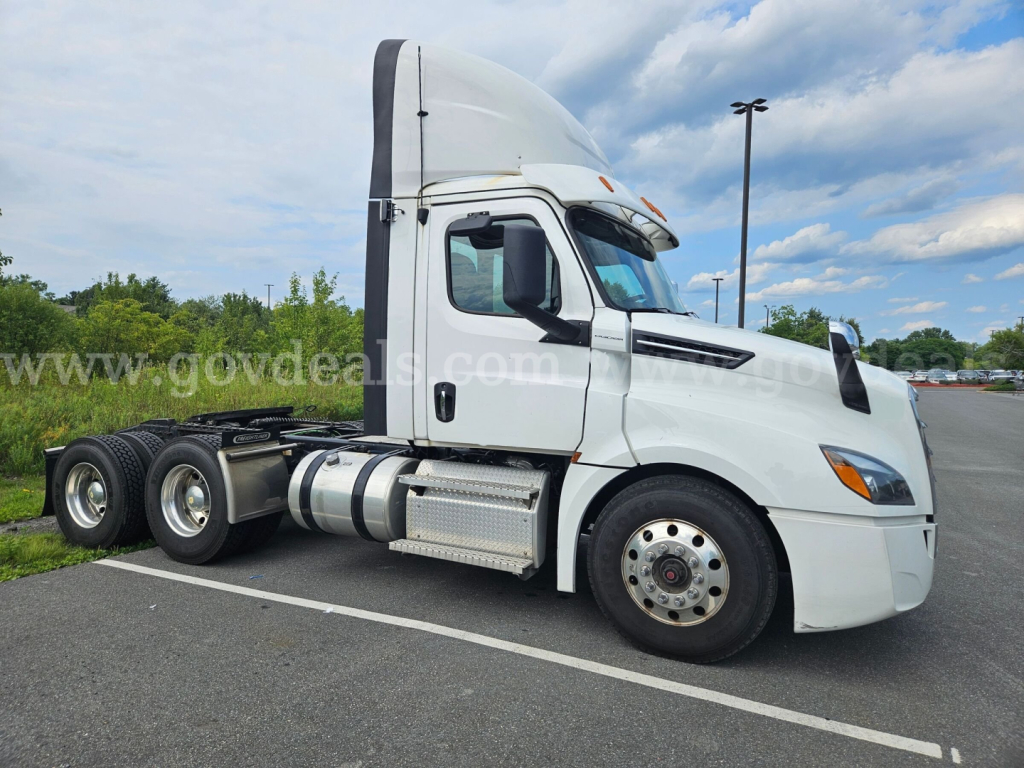
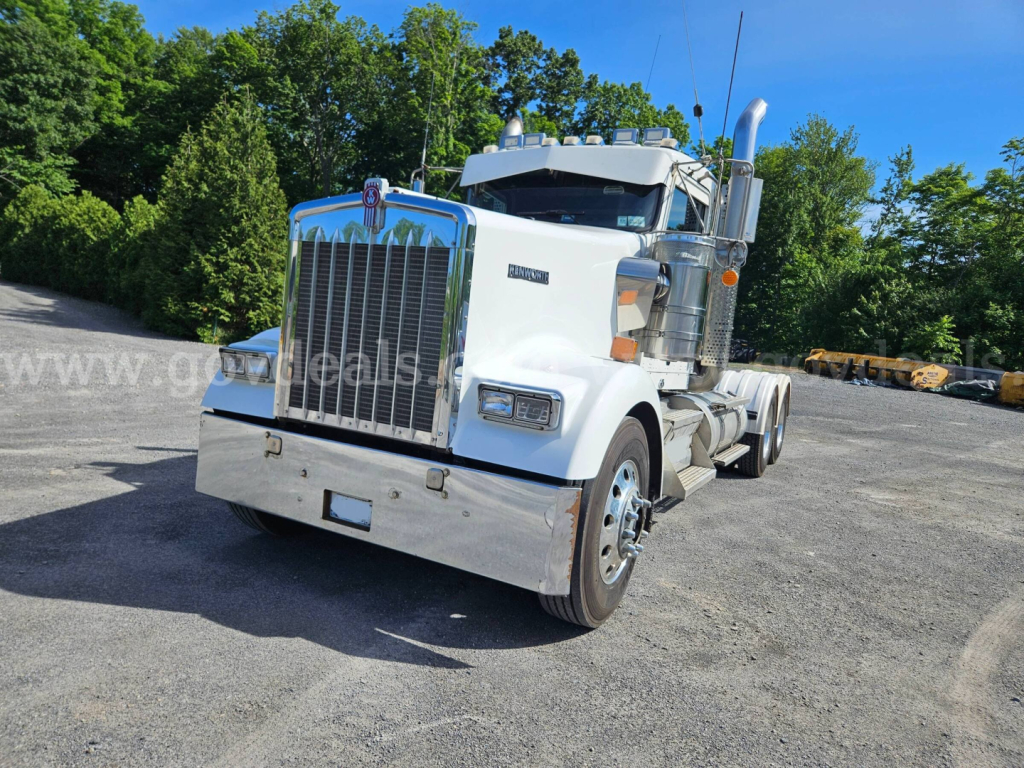
Have used 2020 other truck to sell? List it here to reach thousands of buyers.
Used 2020 Other Trucks
A 2020 model year can be a strong value point because many trucks in this range still offer modern emissions systems, updated cab ergonomics, and current safety features without the premium attached to newer units. Common platforms in this class include Ford F-Series medium-duty models, RAM heavy-duty trucks, Chevrolet and GMC one-ton or chassis-cab units, and International or similar vocational chassis. GVWR can vary widely, from light-duty work trucks that stay under CDL thresholds to heavier configurations designed for specialized equipment. Buyers should confirm axle ratings, brake setup, wheelbase, fuel type, and body manufacturer details, especially on trucks carrying tanks, plows, utility bodies, crash attenuators, or hydraulic equipment.
The upfit usually matters more than the badge on the hood. A utility truck should be checked for compartment condition, rust in floors and door frames, inverter or compressor setup, and signs of hard service. A propane or fuel service truck needs close attention to tank certifications, plumbing, pump operation, meters, and regulatory compliance. Municipal and snow-prep units should be evaluated for front frame condition, plow mounts, hydraulic controls, spreader hookups, and corrosion from seasonal road treatment. Traffic control and attenuator trucks need careful review of the TMA system, arrow board, lighting package, counterweight design, and any title or prior chassis repair history.
Because this is a broad category, buyers should read spec sheets closely and treat each truck as an application-specific asset. Engine hours can matter as much as odometer miles on trucks that idle at jobsites or power auxiliary equipment. Service records, body serial tags, PTO function, electrical integrity, and evidence of fleet maintenance are often more important here than cosmetic appearance. A used 2020 other truck can be an efficient purchase when the chassis and upfit are aligned with your operation, but the best choice comes from matching the truck’s actual configuration to the route, payload, and duty cycle it will see every day.
Frequently Asked Questions about Used 2020 Other Trucks
What kinds of vehicles are usually included in the used 2020 other trucks category?
This category usually includes specialty and vocational trucks that do not fit neatly into common classifications like dump, sleeper, day cab, or box truck. Examples include utility-body trucks, propane trucks, municipal service trucks, plow-prepped units, attenuator trucks, traffic management vehicles, and other purpose-built chassis with specialized bodies or equipment. The defining feature is the application-specific upfit rather than the base truck alone.
What should I check first when comparing used 2020 other trucks?
Start with the body and equipment package before focusing on mileage or paint condition. Confirm the truck’s GVWR, axle ratings, wheelbase, fuel type, PTO capability, and whether the upfit is still configured for the work you plan to do. On specialty trucks, the condition and functionality of tanks, hydraulics, utility compartments, electrical systems, warning lights, plow mounts, or attenuator assemblies often have a bigger impact on value than the chassis itself.
Are used 2020 other trucks likely to require CDL drivers?
Some do and some do not. Many specialty trucks are built on chassis that can stay under 26,001 pounds GVWR, while others exceed that threshold once equipped with tanks, utility bodies, or traffic safety equipment. CDL requirements also depend on local rules, endorsements, and how the truck is used. Buyers should verify the door tag GVWR, registered weight, brake system, and any hazardous material or tanker-related compliance requirements before purchase.
Why do engine hours matter on specialty trucks in this category?
Engine hours are important because many vocational trucks spend long periods idling to run auxiliary systems or support worksite operations. A truck with moderate miles can still show substantial engine wear if it has spent years powering hydraulic pumps, lighting systems, compressors, or onboard equipment. Comparing engine hours, idle history, and maintenance records gives a more accurate picture of drivetrain condition than mileage alone.
Is a used 2020 specialty truck a good fit for fleet use?
It can be, especially if the truck was originally fleet maintained and the current configuration matches your operation. Fleet units often have consistent service histories and practical spec choices, but they may also show wear from demanding daily use. The best fit comes from confirming that the chassis capacity, body equipment, and compliance items line up with your intended workload, route profile, and technician or operator requirements.