
Sterling Other Trucks For Sale
Browse Sterling other trucks for sale, including specialty vocational units built for municipal, utility, road service, and custom applications.
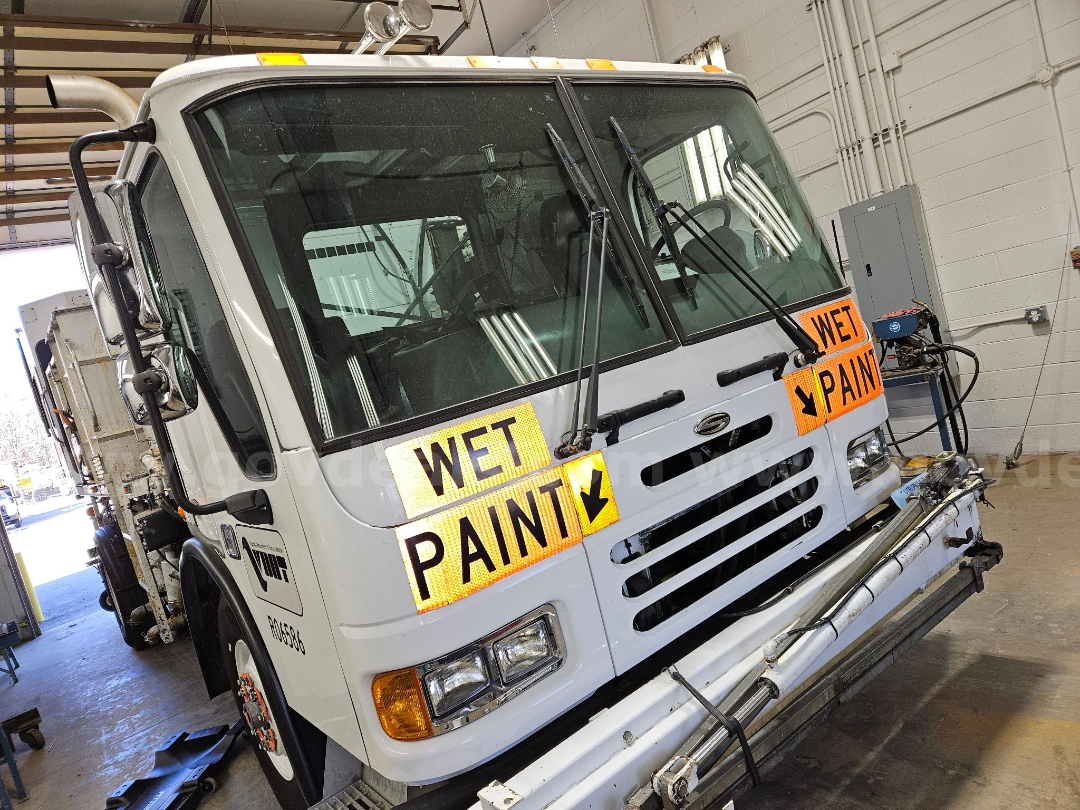
Have sterling other truck to sell? List it here to reach thousands of buyers.
Sterling Other Trucks
The first buying decision is usually the upfit, not the badge on the hood. A Sterling chassis may carry compressors, hydraulic systems, PTO-driven pumps, striping tanks, cranes, generators, air systems, tool storage, or other application-specific gear. That means condition has to be evaluated as a complete system. Engine hours, PTO hours, pump performance, hydraulic leaks, tank condition, hose routing, wiring quality, and control operation can be just as important as mileage. Many Sterling vocational trucks were spec'd with Caterpillar, Cummins, or Mercedes-Benz diesel engines and paired with Allison automatic or Fuller manual transmissions, depending on the job and region.
Sterling trucks were popular in municipal and contractor fleets because they offered straightforward vocational chassis specs and good body-builder compatibility. Depending on the model and application, buyers may see single-axle and tandem-axle setups, varying GVWR ranges, air brake configurations, and wheelbases tailored to the body. For specialized units, check front axle capacity, frame reinforcement, PTO provisions, and available space for equipment mounting or tank placement. If the truck is intended for road maintenance, utility work, or field service, buyers should also verify lighting packages, warning systems, auxiliary power equipment, and cab ergonomics for crews that spend long hours operating at low speed or stationary job sites.
Because this is a broad category, the right truck comes down to matching the chassis, body, and support equipment to the work. A clean Sterling specialty truck can be a practical option for buyers who need a dedicated application unit without paying for a new custom build. Parts and service planning matter, especially on older Sterling platforms, so it is smart to confirm engine support, transmission serviceability, body component availability, and replacement options for proprietary equipment. When the upfit is sound and the truck has been maintained as a working system, Sterling other trucks can still deliver strong value in municipal, construction, pavement marking, and specialty fleet operations.
Frequently Asked Questions about Sterling Other Trucks
What types of trucks are usually listed under Sterling other trucks?
Sterling other trucks usually include specialty vocational units that do not fit cleanly into standard categories like dump trucks, sleepers, or box trucks. This can include paint marker trucks, utility service trucks, mechanic trucks, municipal support units, road maintenance equipment, and other custom chassis-upfit combinations. The defining feature is that the truck is built around a specific work function and often includes PTO-driven or auxiliary equipment.
What should I inspect first on a used Sterling specialty truck?
Start with the application equipment because that is often the most expensive part to repair or replace. Inspect PTO operation, hydraulics, pumps, tanks, compressors, controls, wiring, hose condition, and any mounted tools or spray systems. After that, review the chassis fundamentals such as engine condition, transmission performance, brake system, suspension, frame condition, and axle ratings. A truck with average cosmetics but strong equipment functionality can be more valuable than a cleaner unit with worn specialty components.
Are Sterling trucks still practical to own and maintain?
They can be, especially when the truck uses widely supported components such as Caterpillar or Cummins diesel engines and Allison or Eaton transmissions. The key is separating the Sterling chassis from the serviceability of the major drivetrain and body systems. Buyers should confirm local parts access, engine diagnostic support, brake and suspension parts availability, and replacement sources for the mounted equipment. Practical ownership depends more on the exact spec and upfit than on the brand name alone.
Why do municipal and contractor buyers shop Sterling other trucks?
Many Sterling trucks were originally spec'd for vocational work, so they often have frame layouts, wheelbases, axle capacities, and PTO provisions that suit specialized bodies well. Municipal and contractor fleets also tend to maintain these units on scheduled service intervals because downtime affects public work and jobsite productivity. That makes some used Sterling specialty trucks attractive for buyers who need a task-specific unit with proven fleet history.
Is mileage the most important factor on a Sterling other truck?
No. Mileage matters, but on specialized vocational trucks it is only one part of the picture. Low-speed operation, idle time, PTO hours, and equipment duty cycles can have as much impact on condition as road miles. A paint marker truck, service truck, or municipal support unit may show moderate mileage but heavy stationary equipment use. Buyers should evaluate total wear based on both chassis use and the operating hours of the attached systems.