
New Other Trucks For Sale in Texas
Shop new other trucks for sale in Texas, including specialty vocational trucks with medium-duty chassis, upfit options, and route-ready specs.

Selling a new other truck? List your new other truck for sale and reach thousands of commercial buyers.
New Other Trucks in Texas
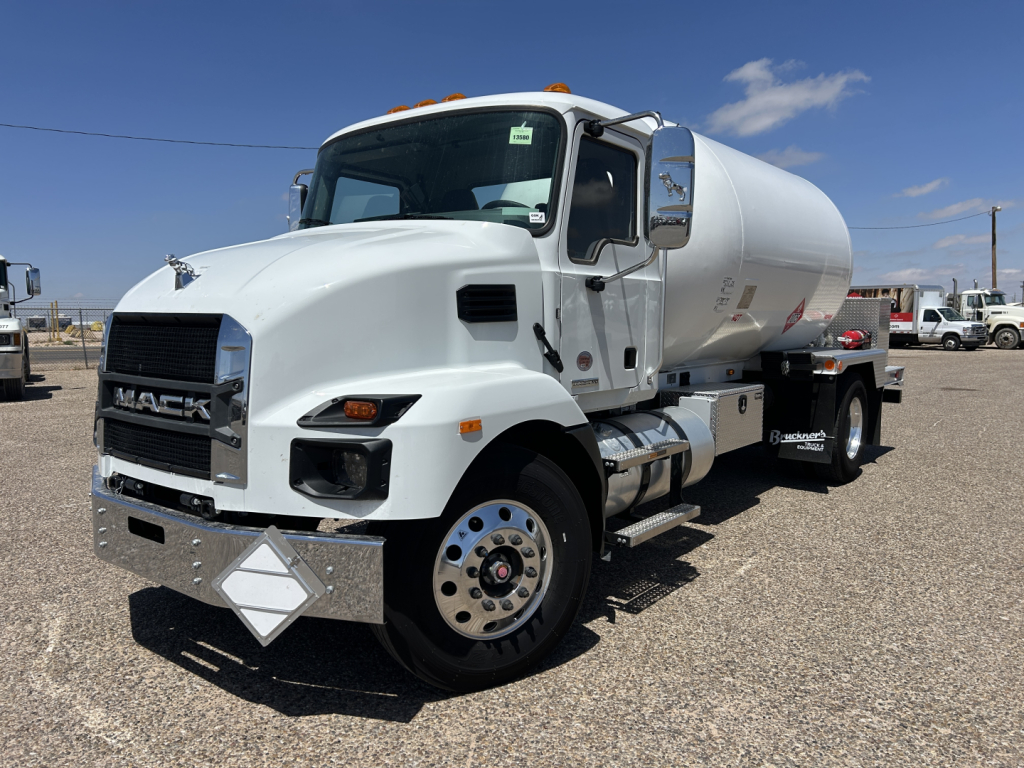
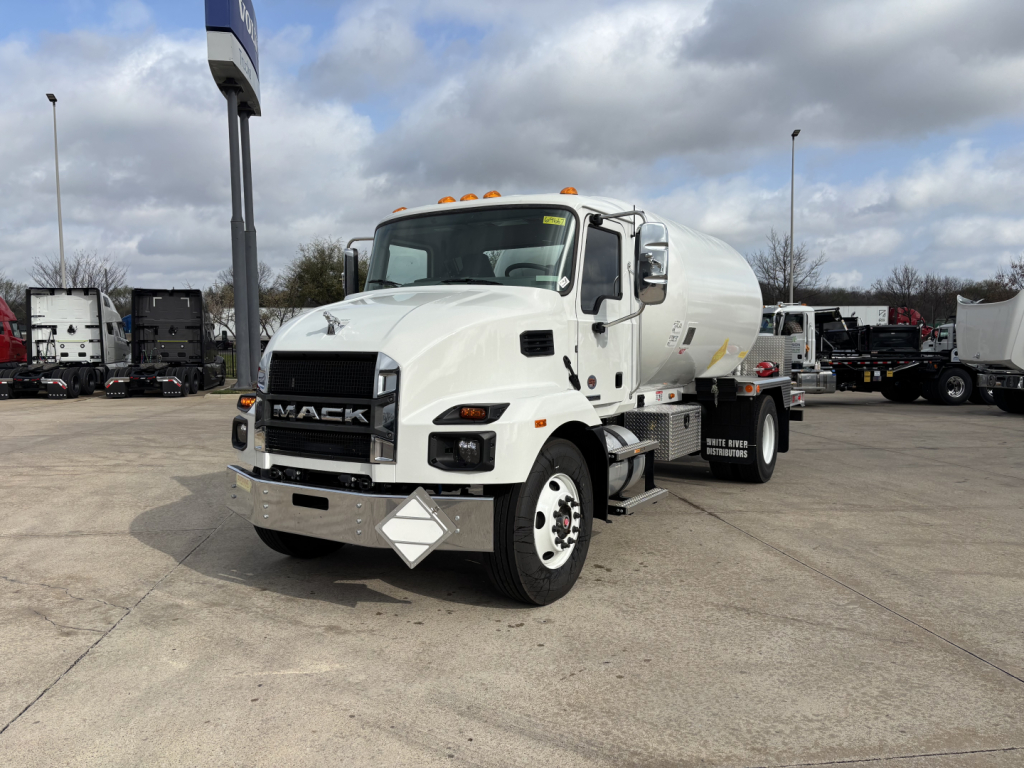
A lot of new other trucks start with proven medium-duty platforms such as the Mack MD6 or MD7, often paired with Cummins diesel power and Allison automatic transmissions. That combination is common for route-based vocational work because it balances durability, serviceability, and driver-friendly operation. Key specs to compare include GVWR, front and rear axle capacity, wheelbase, fuel tank size, brake type, suspension, and cab layout. If the truck carries a specialized body such as a propane bobtail, service body, fuel lube package, or utility upfit, buyers should also confirm tank capacity, pump or meter system, hose reel setup, safety equipment, and how the body installation affects weight distribution and turning radius.
For Texas operations, application matters as much as brand. A truck running short local delivery routes in Midland or Odessa has different priorities than one covering rural service territory or municipal work in a dense urban area. Maneuverability, legal payload, and ease of loading or unloading often matter more than raw horsepower. New units can also be attractive for fleets that need current emissions equipment, clean maintenance baselines, and up-to-date safety features such as backup cameras, electronic stability support, and improved cab ergonomics. On specialized trucks, it is smart to look closely at how accessible routine service points are, because downtime can be driven as much by the upfit design as by the chassis itself.
Buyers comparing new other trucks should focus on the truck’s exact job cycle. The right spec depends on product weight, route length, stop frequency, required licensing, and any state or local compliance needs tied to the body type. A well-matched vocational truck will have enough axle, suspension, and braking capacity for the upfit without carrying unnecessary chassis weight that cuts into useful payload. When the spec is right, these trucks deliver better uptime, easier driver training, and more efficient operation across specialized commercial work.
Frequently Asked Questions about New Other Trucks in Texas
What is included in the other trucks category?
The other trucks category usually includes specialty vocational trucks and custom upfit units that fall outside standard truck classifications. Examples can include propane bobtails, utility trucks, municipal service units, field service trucks, fuel and lube trucks, and other chassis fitted for a specific commercial task. The common thread is that the body or equipment package is highly application-specific, so buyers need to evaluate both the chassis specifications and the installed equipment.
What should I check first when buying a new specialty truck?
Start with the truck’s intended job, then match the chassis and body to that duty cycle. Important factors include GVWR, axle ratings, wheelbase, engine and transmission pairing, body or tank capacity, PTO requirements, and overall weight distribution. On specialty trucks, a strong chassis alone is not enough. The upfit has to be properly matched so the truck can carry its working load safely, remain maneuverable on route, and stay compliant with licensing and operating regulations.
Are medium-duty chassis common for other vocational trucks?
Yes. Medium-duty chassis are widely used for specialty truck applications because they provide a good balance of payload capacity, maneuverability, and service access. Platforms such as the Mack MD6 and MD7 are often used for route delivery and vocational upfits where buyers want commercial-grade durability without stepping into a heavier straight truck than the job requires. They are especially practical for operations with frequent stops, tighter delivery points, and drivers who benefit from automatic transmissions and predictable handling.
Why does wheelbase matter on a specialty truck?
Wheelbase affects turning radius, body fitment, bridge between axles and body loads, and overall drivability. A longer wheelbase may be needed to support a larger tank or body, but it can reduce maneuverability in tight delivery areas. A shorter wheelbase can improve access and handling, but it still has to provide proper weight distribution across the front and rear axles. On specialized trucks, wheelbase is a core spec because it directly affects both legal loading and day-to-day usability.
Are new other trucks a good choice for fleet operations?
For many fleets, new specialty trucks make sense because they offer a known maintenance baseline, current safety equipment, and a fresh upfit configured for the exact application. That can simplify driver onboarding and reduce early-life repair uncertainty. They are often especially valuable in regulated or customer-facing work where uptime, appearance, and dependable route performance matter. The main advantage comes from getting a truck that is spec’d correctly from the start rather than adapting a used chassis to a specialized role.