
Used GMC Other Trucks For Sale
Shop used GMC vocational trucks, from cab-and-chassis to flatbed and service bodies, with expert tips on floor strength, tare weight, and corrosion.
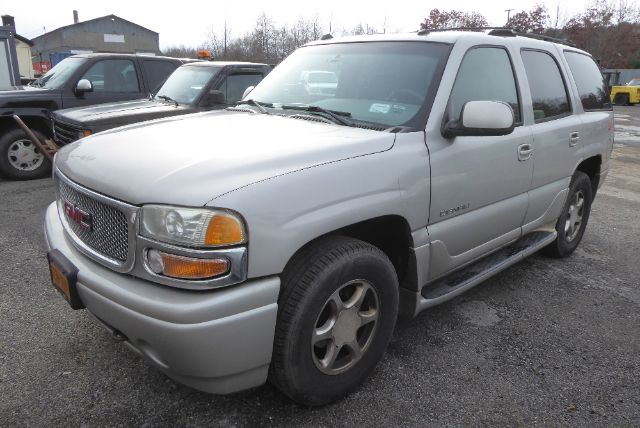

Have used gmc other truck to sell? List it here to reach thousands of buyers.
Used GMC Other Trucks
Floor strength drives real productivity. On flatbeds or stake bodies, look for crossmember spacing at 12 inches on center for heavy pallet and coil work, thicker deck materials like apitong hardwood, steel treadplate, or extruded aluminum, and reinforced beavertail or dovetail sections if equipment loading is frequent. Service and utility bodies should have heavy gauge floors with tight cross sills and full width load floors that resist point loading from compressors, welders, and reels. Van or reefer bodies benefit from forklift rated rear thresholds, robust rear frame structures, and nailer strips or scuff liners to protect walls from pallet impact. Verify liftgate capacity and platform width, and match it to your product and pallet jack weight so the gate does not become the bottleneck.
Thermal integrity is critical for insulated or refrigerated GMC upfits. Look for continuous foam insulation with tight joints, minimal thermal bridging at posts, and high quality door seals with intact compression. Aluminum duct floors or flat floors with subfloor insulation should be free of tears, corrosion, or delamination so cold air circulates correctly. Check reefer unit service records, drain line condition, and probe common leak points around roof seams and light housings. For non refrigerated bodies, attention to cab HVAC performance, body compartment weather seals, and heated mirror or plow prep wiring can reduce downtime in extreme climates.
Tare weight determines payload and profitability. Steel bodies are durable but heavier, aluminum or galvanneal designs cut weight and resist corrosion, often saving several hundred to over one thousand pounds depending on body length and options. Air brakes and tandem axles add capability, they also add weight and maintenance complexity compared to hydraulic single axle builds. Larger fuel and DEF tanks extend range yet consume payload. Specify wheelbase to balance turning radius and axle load distribution, and confirm axle ratios to match your route speeds and grade profile. Inspect for corrosion at frame flanges, spring hangers, crossmembers, cab corners, rockers, and body mounts. Factory e coat, undercoating, stainless hardware, and sealed harnesses improve longevity, but salt state units still require close inspection. For emissions era trucks, review DPF and SCR service history, ash load, and regen frequency to avoid unplanned downtime.
Frequently Asked Questions about Used GMC Other Trucks
Which engines and transmissions are common in used GMC vocational trucks and why do they matter?
GMC vocational trucks commonly feature Duramax 6.6 liter diesels with Allison 2000 or 3000 Series automatics, plus legacy options like Caterpillar 3126 or C7, Isuzu based 7.8 liter diesels, and gasoline Vortec engines in some medium duty models. Duramax and Allison pairings offer strong low speed torque, reliable PTO integration, and widely available parts support. Cat and Isuzu engines are durable but parts and dealer coverage may vary by region. Transmission model affects PTO availability, gear ratios, GCWR, and service intervals, so match it to route speeds, grades, and body demands.
How do I evaluate floor strength on a flatbed, service body, or van body?
Start with crossmember spacing and material. On flatbeds, 12 inch on center crossmembers and thicker decks in apitong, steel treadplate, or extruded aluminum handle high point loads better than wider spacing. Service body floors should have heavy gauge sheet supported by close cross sills, look for minimal oil canning and intact bed liners. Van and reefer bodies need intact scuff liners, solid rear sills, and forklift rated thresholds. Inspect for cracked welds, rotted sills, or delamination, then verify liftgate rating against your heaviest pallet and jack combination.
What determines thermal integrity on a used reefer or insulated GMC truck body?
Thermal integrity depends on continuous foam insulation thickness and density, well sealed door gaskets, minimal thermal bridging at posts, and tight roof and corner seams. Floors should be free of corrosion and punctures so air channels are not blocked. Check temperature pull down performance, reefer hours and service logs, drain line function, and look for moisture stains around marker lights and fasteners. Poor seals or wet insulation will drive fuel use up and reduce hold times.
How does body material affect tare weight and corrosion resistance?
Steel bodies are rugged and easier to repair in the field, but they are heavier and require vigilant rust control in salt regions. Aluminum or galvanneal bodies reduce tare weight significantly, improving payload and fuel efficiency, and they resist corrosion better when paired with stainless hinges and sealed fasteners. Pay attention to dissimilar metal contact points, ensure isolators are in place to prevent galvanic corrosion, and check that undercoating or e coat remains intact on frame rails and crossmembers.
What chassis specs most influence payload and durability on GMC cab and chassis trucks?
GVWR and axle ratings set the legal payload ceiling, while frame section modulus and RBM influence durability when mounting cranes, aerials, or heavy bodies. Wheelbase and cab to axle must match body length for proper weight distribution. Suspension choice, spring or air, affects ride and tare weight. Brake system, hydraulic or air, changes stopping performance and maintenance requirements. Fuel and DEF tank size, liftgate selection, and tire size all add or subtract from available payload, so verify an actual scale weight against the door tag before finalizing a build.