
Used Freightliner Other Trucks For Sale in New York
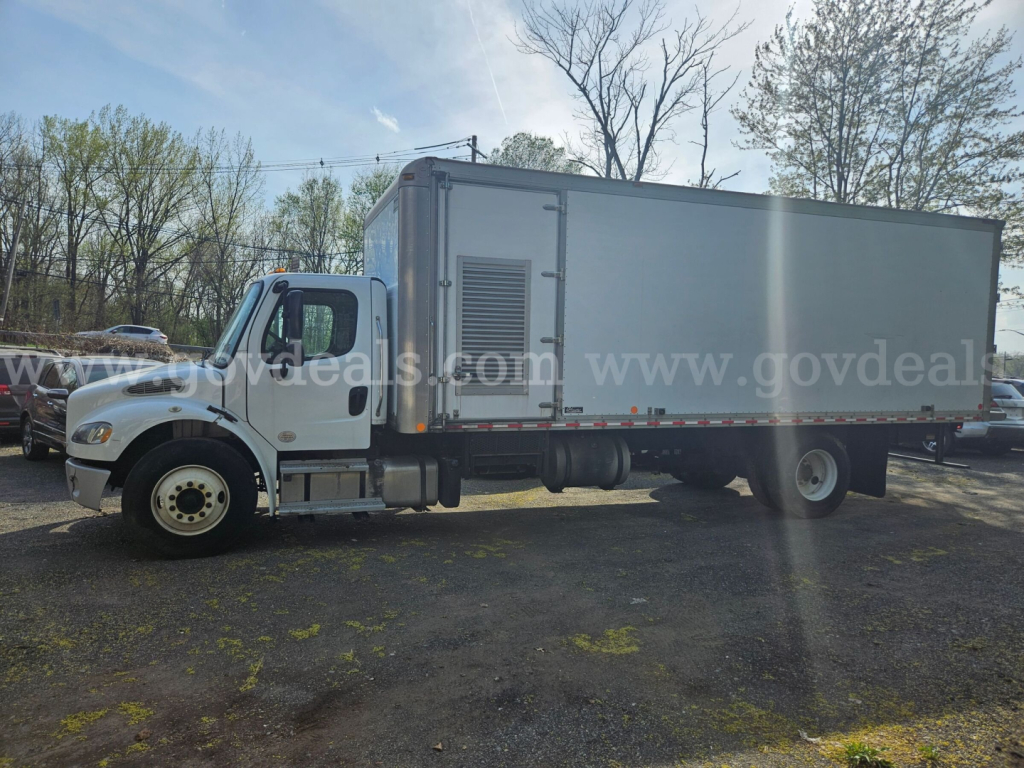
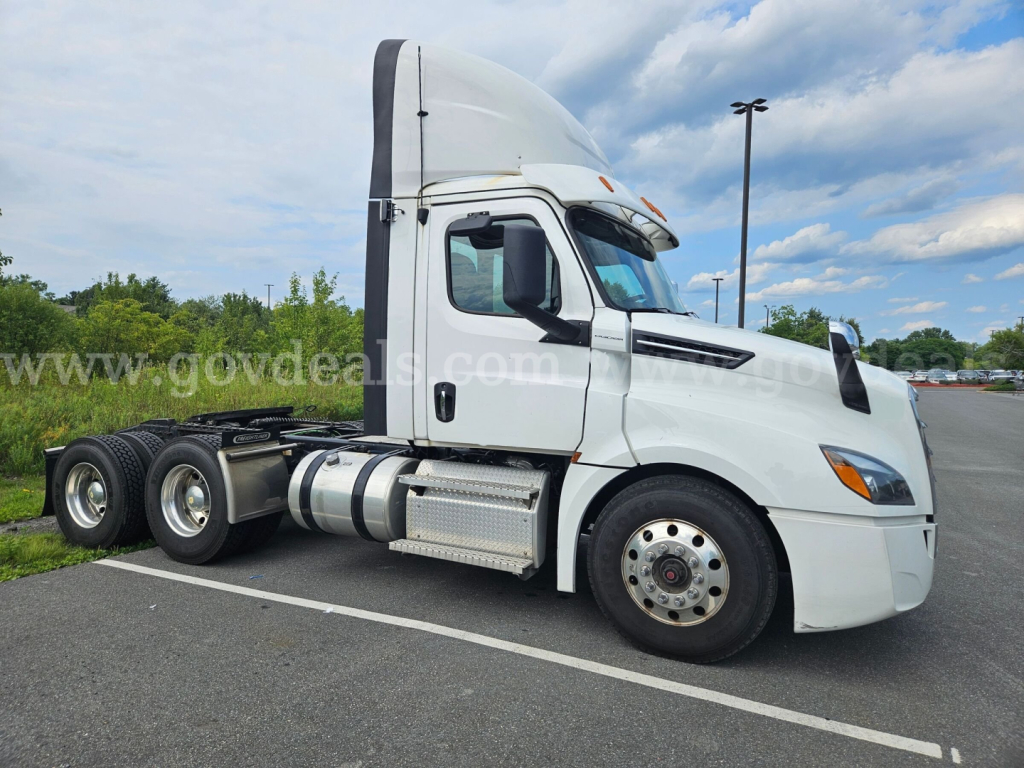
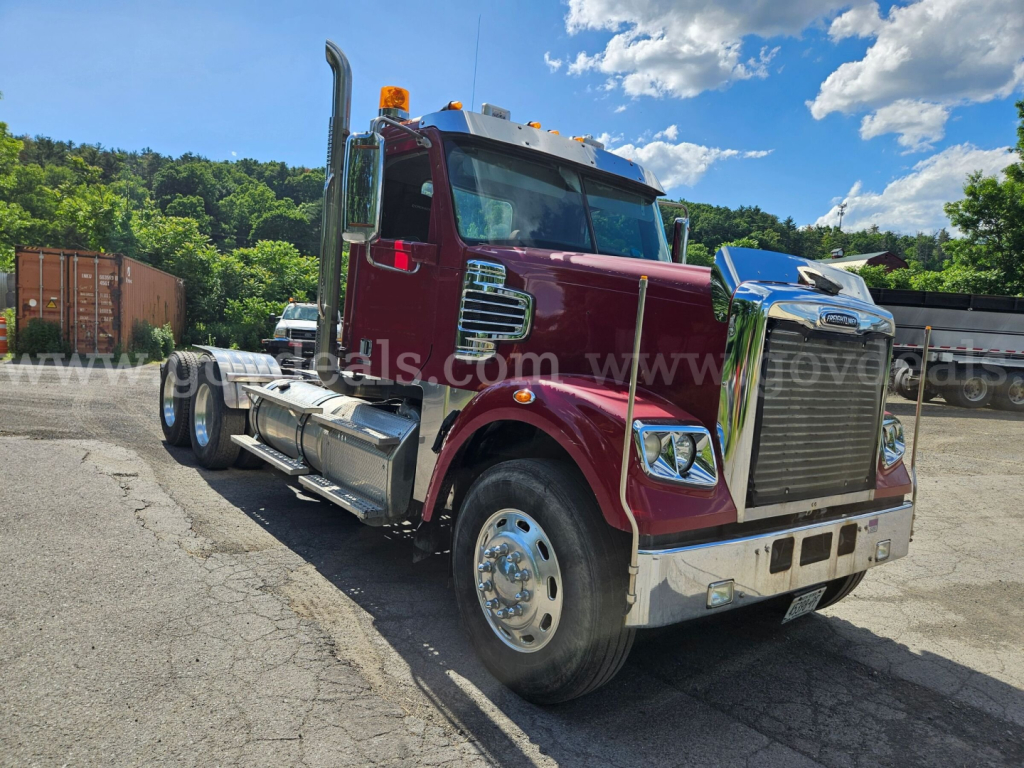
Have used freightliner other truck to sell? List it here to reach thousands of buyers.
Used Freightliner Other Trucks in New York
Freightliner is a strong fit for this segment because parts support is broad, Detroit diesel engines are common, and many technicians are familiar with the electrical and emissions systems. Buyers will typically see engines such as the DD8, DD13, and DD15 paired with Allison automatic, Detroit DT12 automated, or Eaton Fuller manual transmissions. On specialty units, horsepower matters less than overall duty cycle and PTO compatibility. A 26,000 lb GVWR non-CDL service truck has very different priorities than a heavy tandem axle vocational truck with locking differentials, wet line equipment, or a long wheelbase. Rear axle capacity, suspension type, frame rail condition, and body mounting integrity should be checked closely, especially on trucks that have spent time in municipal, utility, or construction service.
For New York buyers, corrosion and seasonal operating conditions deserve extra attention. Frame scale, crossmember condition, brake lines, wiring, cab mounts, and body attachment points can tell you a lot about how a used truck was maintained. On insulated or specialty body trucks, inspect the body structure, compartment hardware, roof penetrations, and auxiliary systems such as compressors, heaters, generators, or roof-mounted HVAC units. If the truck is a converted service application like a spray foam truck, mechanic truck, or utility support unit, verify the age and operating condition of the installed equipment, not just the chassis mileage. Maintenance records are especially valuable on used Freightliner trucks with emissions components such as the DPF, SCR, and EGR systems, since repair history often reveals whether the truck has been used on the right route profile for its emissions package.
A good used Freightliner other truck is usually defined by application fit more than by badge or model year. Buyers should confirm axle spacing, GVWR, front axle rating, body length, door and compartment layout, and any hydraulic or electrical provisions needed for the job. Cab configuration, turning radius, and clearance can matter just as much as engine size when the truck will spend time in city streets, plant yards, or tight service locations. Freightliner’s vocational and medium-duty chassis are common because they can be adapted to specialized work, and that flexibility is exactly what makes this category worth a closer look.
Frequently Asked Questions about Used Freightliner Other Trucks in New York
What counts as a Freightliner other truck?
A Freightliner other truck is usually a truck that falls outside the main resale categories such as sleeper tractors, standard day cabs, dry vans, or dump trucks. This can include specialty body trucks, service trucks, municipal units, insulated body trucks, custom vocational chassis, and unusual commercial upfits built on Freightliner platforms like the M2, Cascadia, or Coronado. The body and equipment package often define the truck more than the model name alone.
What should I inspect first on a used specialty Freightliner truck?
Start with application-critical items before general cosmetic condition. Confirm the GVWR, axle ratings, wheelbase, PTO or hydraulic provisions, and the condition of the installed body or work equipment. Then inspect the frame, suspension, brakes, tires, wiring, emissions components, and transmission operation. On specialty trucks, a solid chassis can still become an expensive purchase if the upfit equipment is outdated, damaged, or difficult to service.
Are used Freightliner other trucks good for vocational and municipal work?
Yes, many used Freightliner other trucks are well suited for vocational, municipal, and commercial service applications because Freightliner chassis are widely used for custom bodies and medium-duty to severe-duty work. Models like the M2 106 are common for utility and service applications, while heavier platforms like the Coronado SD can handle tougher axle loads and vocational demands. The right choice depends on body weight, route type, idle time, and the auxiliary systems the job requires.
How important are maintenance records on a used Freightliner specialty truck?
Maintenance records are extremely important because they help verify not only engine and transmission service, but also repairs to emissions components, PTO systems, hydraulics, and specialty equipment. On trucks with Detroit engines and aftertreatment systems, documented work on the DPF, SCR, injectors, and related sensors can help a buyer understand the truck’s operating history. Records are even more valuable when the truck has a custom body with equipment that may have its own maintenance intervals.
What matters most when buying a used Freightliner other truck in New York?
In New York, buyers should pay close attention to rust, corrosion, and evidence of winter exposure. Frame rails, crossmembers, air tanks, brake lines, body mounts, electrical connections, and underbody equipment can all show the effects of road salt and seasonal weather. It is also important to evaluate how the truck will operate in dense urban areas, including cab visibility, turning radius, overall length, and whether the truck stays within licensing or non-CDL requirements for the intended use.