
Trucks For Sale Near Newburgh, New York
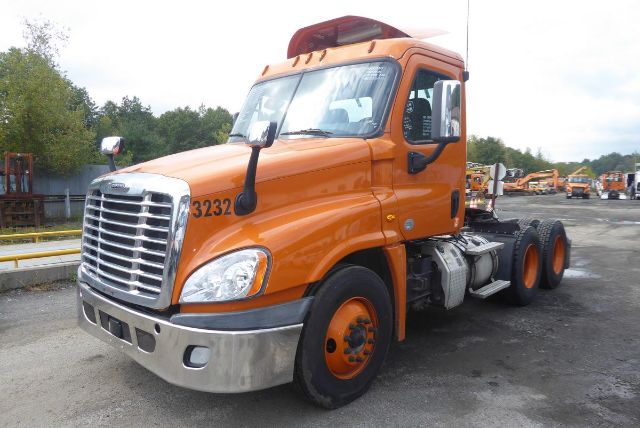
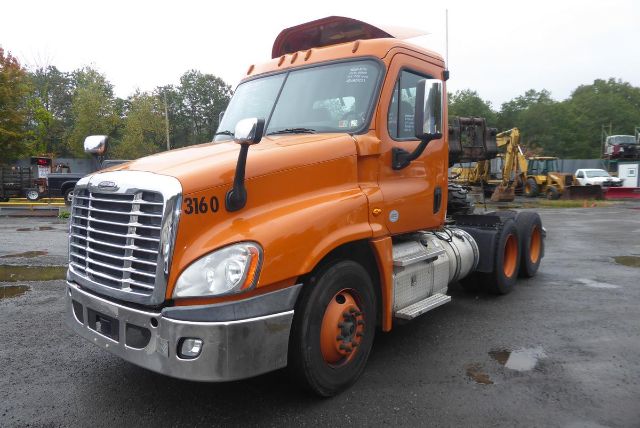
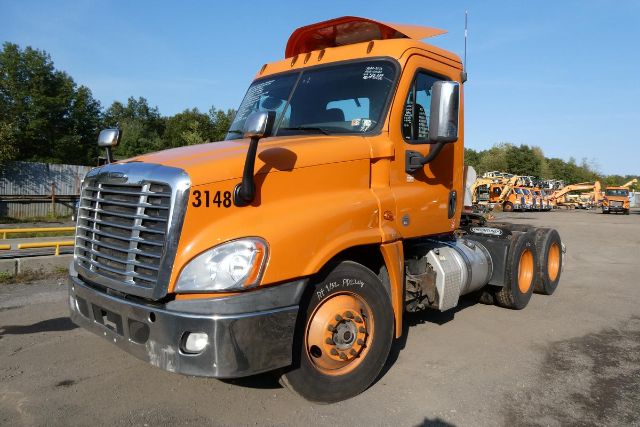
Browse used trucks for sale in Newburgh, NY, including day cabs, dump trucks, and pickups with specs for vocational and on-road work.
Learn more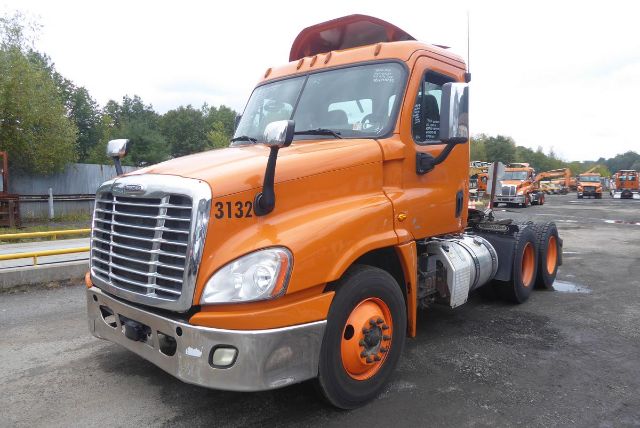
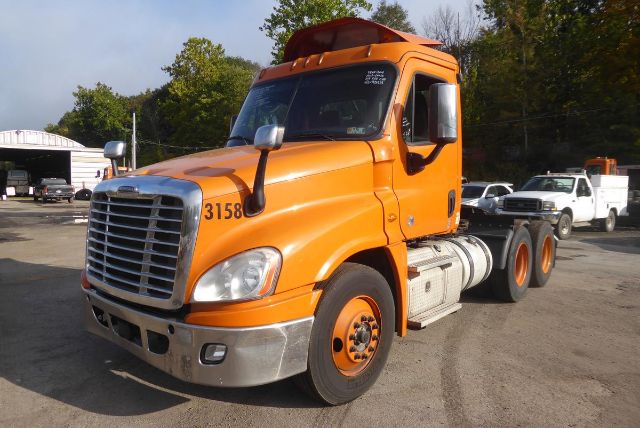
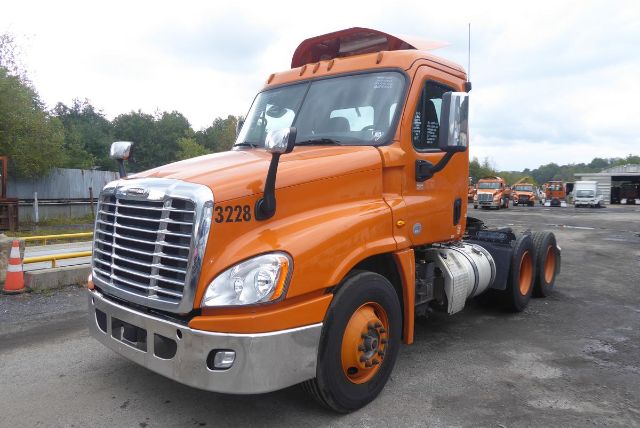
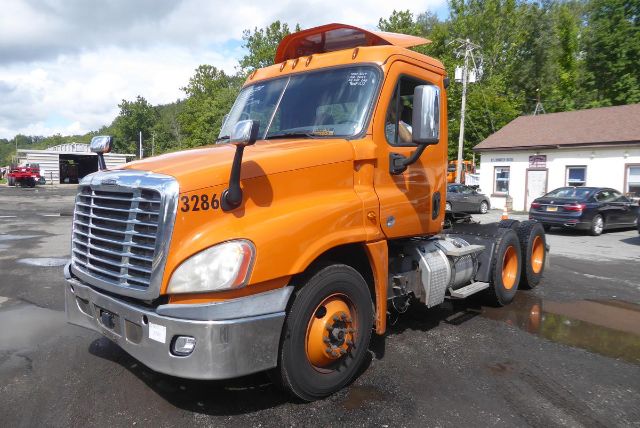
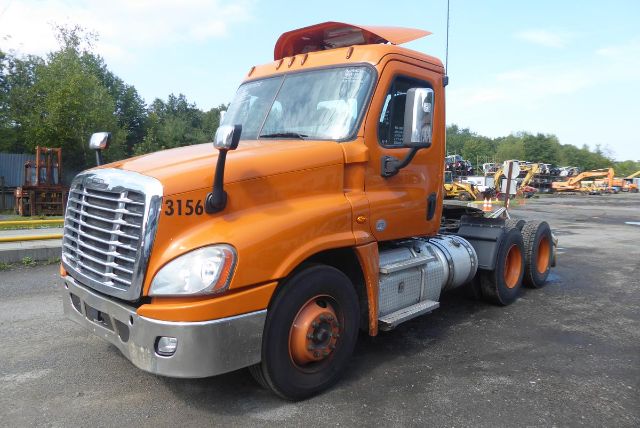
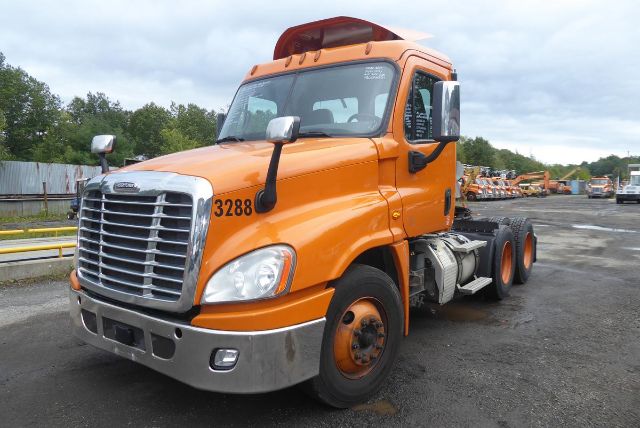
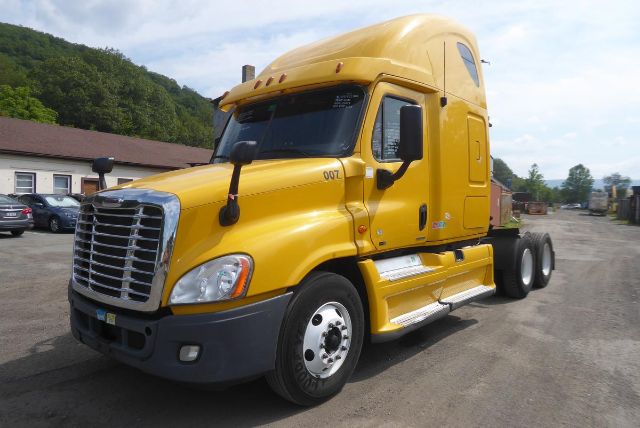
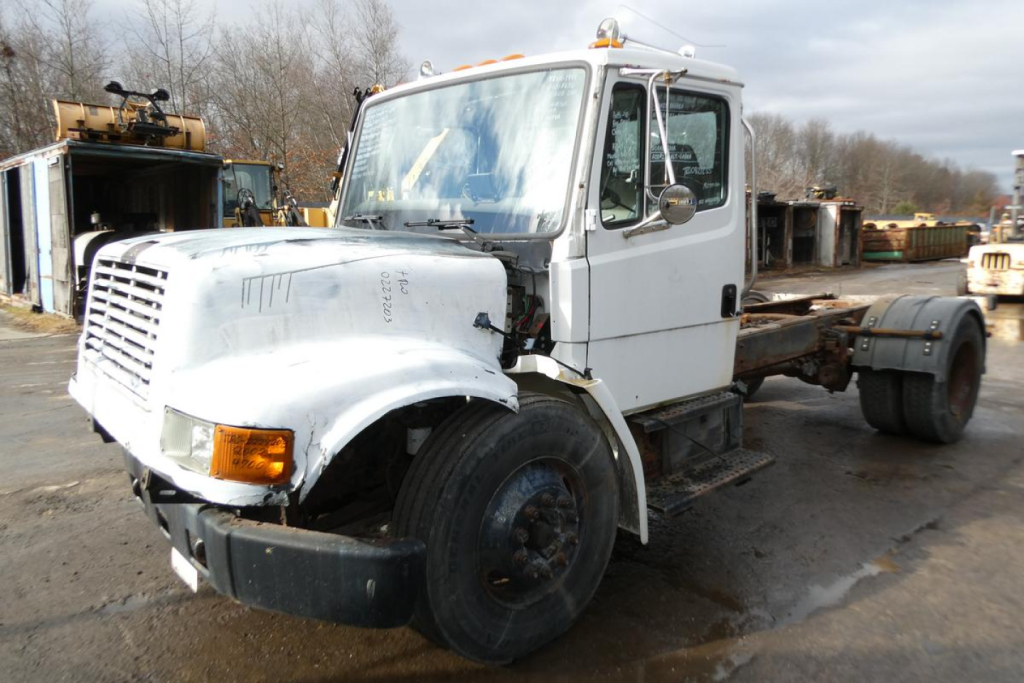
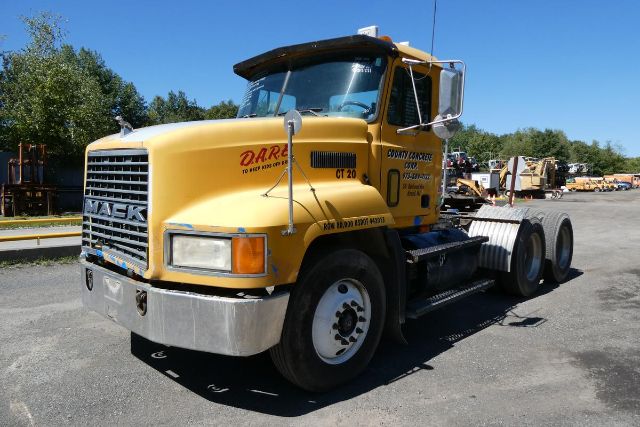
Showing 193 to 204 of 283 results
Have truck to sell? List it here to reach thousands of buyers.
About Trucks Near Newburgh, New York
For buyers comparing used trucks, GVWR, axle configuration, and frame spec matter more than model year alone. A tandem axle road tractor may carry a 12,000 lb front axle and 40,000 lb rears with ratios tuned for either local pulling power or fuel economy. Lower rear ratios can favor highway speed and efficiency, while deeper ratios are often preferred for heavy starts, hills, and vocational work. Engine families in this class typically range from medium-duty diesels like the DT466 up to heavy-duty platforms such as the Mack AC or Volvo D13, with horsepower from the low 200s in municipal or dump applications to 450 hp and up in linehaul and severe-service tractors. Buyers should also verify brake type, suspension design, wheelbase, cab-to-axle, and whether the truck has a single or double frame.
In Newburgh and the lower Hudson Valley, application details can be especially important. Snow and municipal work often call for front plow mounts, central or front-engine PTO setups, spreader controls, and reliable hydraulic circuits. Dump trucks should be checked for hoist type, body condition, tailgate operation, floor wear, and signs of frame stress around the hoist and rear suspension. Highway tractors should be evaluated for fifth wheel condition, kingpin compatibility, wet kit or wetline equipment if hauling dumps or detach trailers, and emissions equipment status on newer diesel trucks with DEF systems. On any used truck, service records, idle hours, drivetrain condition, and rust exposure can tell you more than paint or interior cosmetics.
A good truck in this category is one whose spec matches the route, payload, and body requirements without forcing expensive rework after purchase. Local haul tractors usually benefit from shorter wheelbases, air slide fifth wheels, and strong low-speed drivability. Dump and plow trucks need durable suspensions, PTO-ready transmissions or engine-driven hydraulic setups, and enough front axle capacity for attachments. Pickup-based work trucks add another layer, where 4x4, gas versus diesel maintenance costs, bed setup, and towing needs all affect value. When comparing trucks for sale in Newburgh, focus on axle ratings, transmission type, horsepower, hydraulic capability, frame integrity, and overall application fit before anything else.
Frequently Asked Questions
What should I look at first when comparing used trucks for sale?
Start with application fit. Check the truck category, GVWR, axle configuration, wheelbase, and whether the frame, suspension, and drivetrain match the work you plan to do. A day cab tractor, dump truck, and 4x4 work pickup can all be called trucks, but they are built around very different payload, PTO, and route demands. After that, review engine model, transmission type, rear axle ratio, brake system, and any body or hydraulic equipment already installed.
What is the difference between a day cab truck and a dump truck?
A day cab is a conventional road tractor designed to pull semi trailers and usually does not have a sleeper. It is commonly used for local and regional freight, port work, container hauling, and short-haul construction support. A dump truck is a vocational truck with a hydraulic dump body and is built for aggregate, asphalt, demolition, snow, and site work. Dump trucks typically place more importance on PTO configuration, frame reinforcement, body condition, and suspension durability than a standard highway tractor.
How important is rear axle ratio on a used truck?
Rear axle ratio has a direct effect on startability, cruising rpm, fuel economy, and how well the truck handles heavy loads. Lower numerical ratios such as 2.64 are often chosen for highway efficiency, especially when paired with an overdrive or automated manual transmission. Higher numerical ratios such as 3.73 or 3.94 are more common where low-speed pulling power matters, including heavy haul, dump, or severe-service work. The right ratio depends on terrain, trailer weight, transmission gearing, and expected road speed.
Do I need PTO or wetline equipment on a truck?
You need PTO or wetline equipment if the truck will power hydraulic accessories such as a dump body, live floor, lowboy trailer, plow, spreader, or other auxiliary system. A PTO can be transmission-mounted or engine-driven depending on the chassis and application. Wetline setups on tractors are especially important for buyers pulling hydraulic trailers. If hydraulic equipment is required, verify the PTO type, pump arrangement, tank, control setup, and whether the existing plumbing is sized for the intended attachment.
What matters most on a used truck in New York conditions?
Frame condition, rust, brake and suspension health, and cold-weather equipment readiness are critical in New York. Trucks exposed to road salt should be inspected closely around crossmembers, spring hangers, cab mounts, brake lines, body mounts, and electrical connections. On plow or municipal units, check front axle loading, hydraulic leaks, wiring repairs, and attachment wear. On highway tractors, look at air system condition, fifth wheel wear, tire condition, emissions system service history, and any signs of corrosion that could affect DOT compliance.