
Trucks For Sale Near Newark, Texas
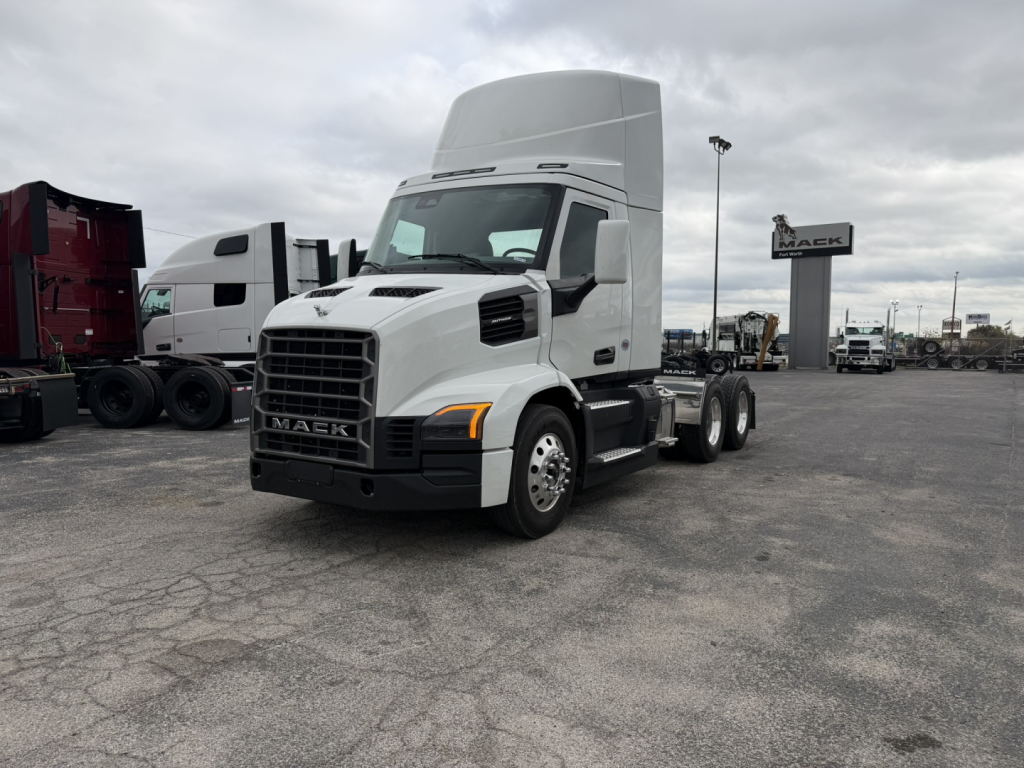
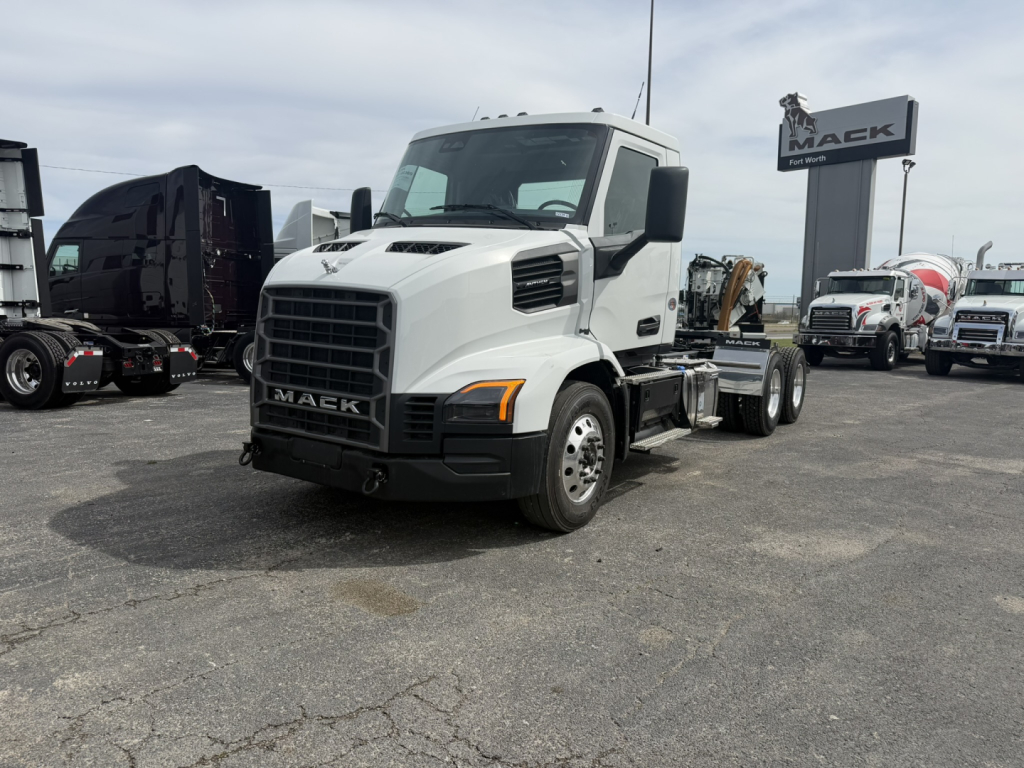
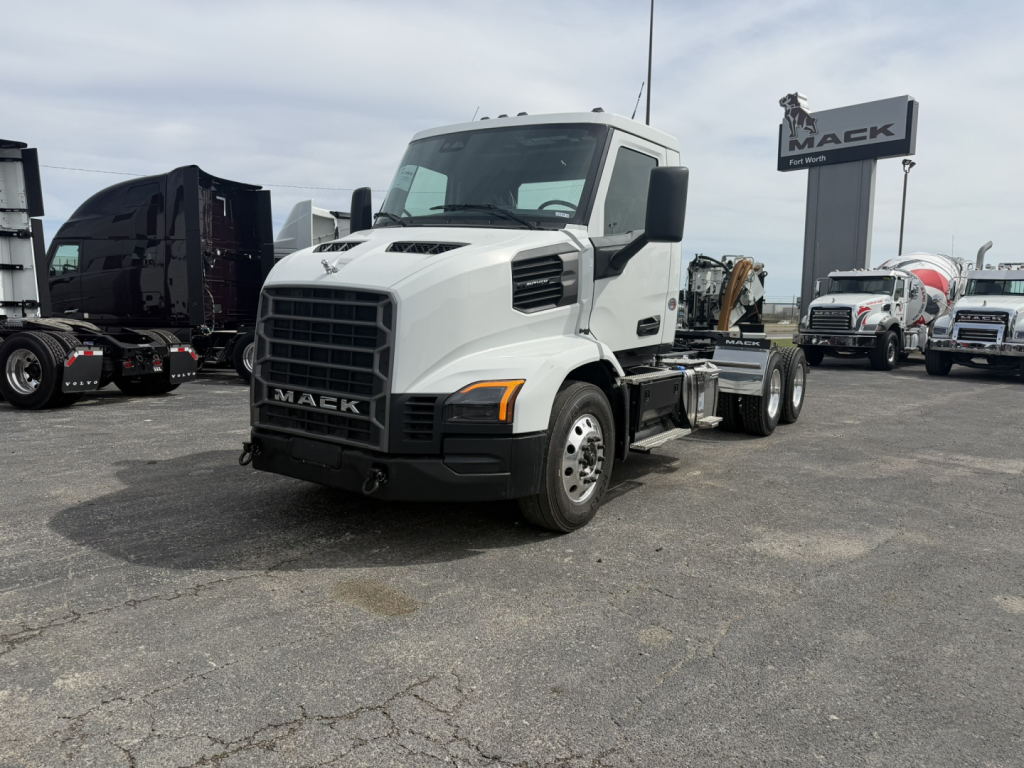
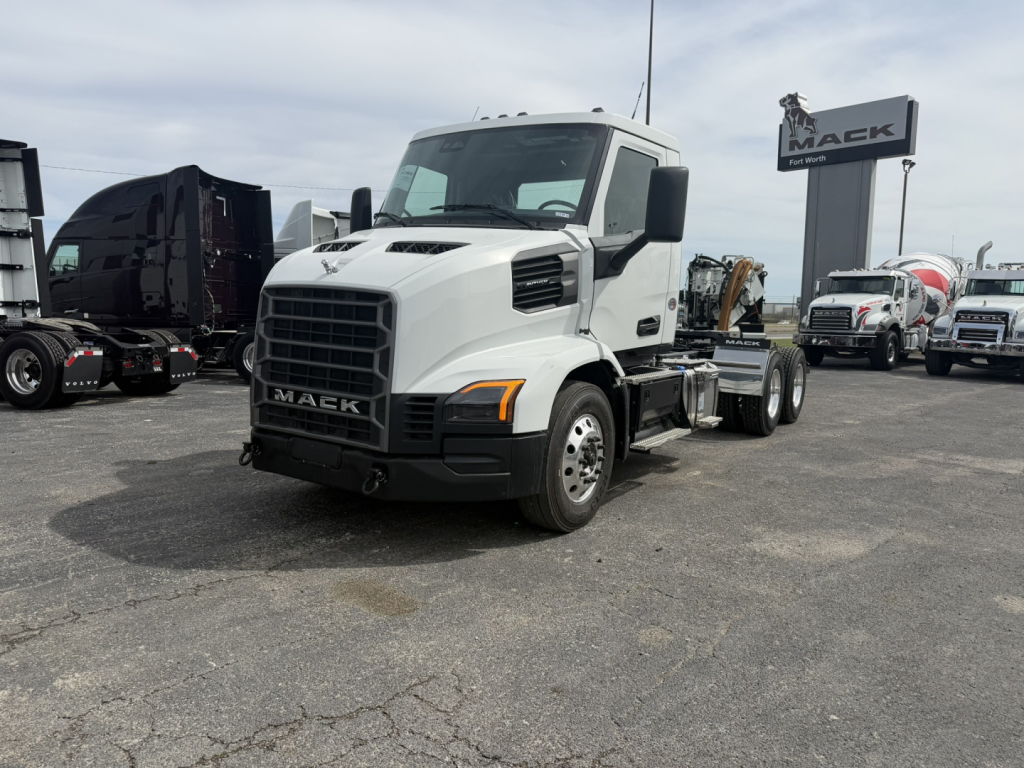
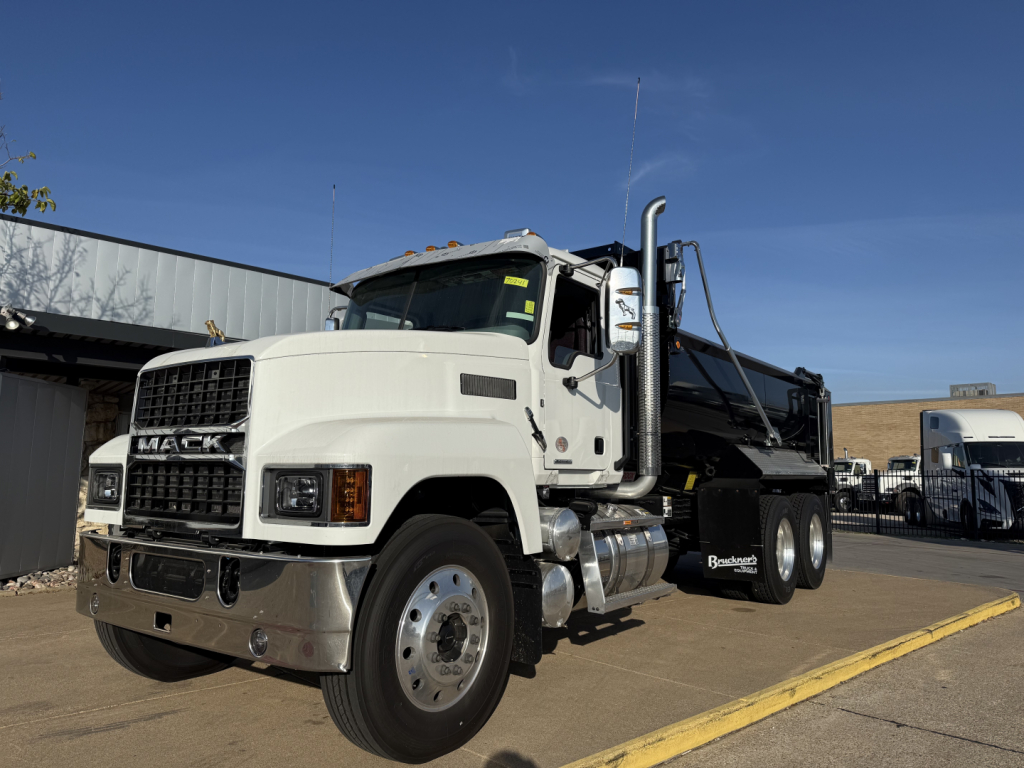
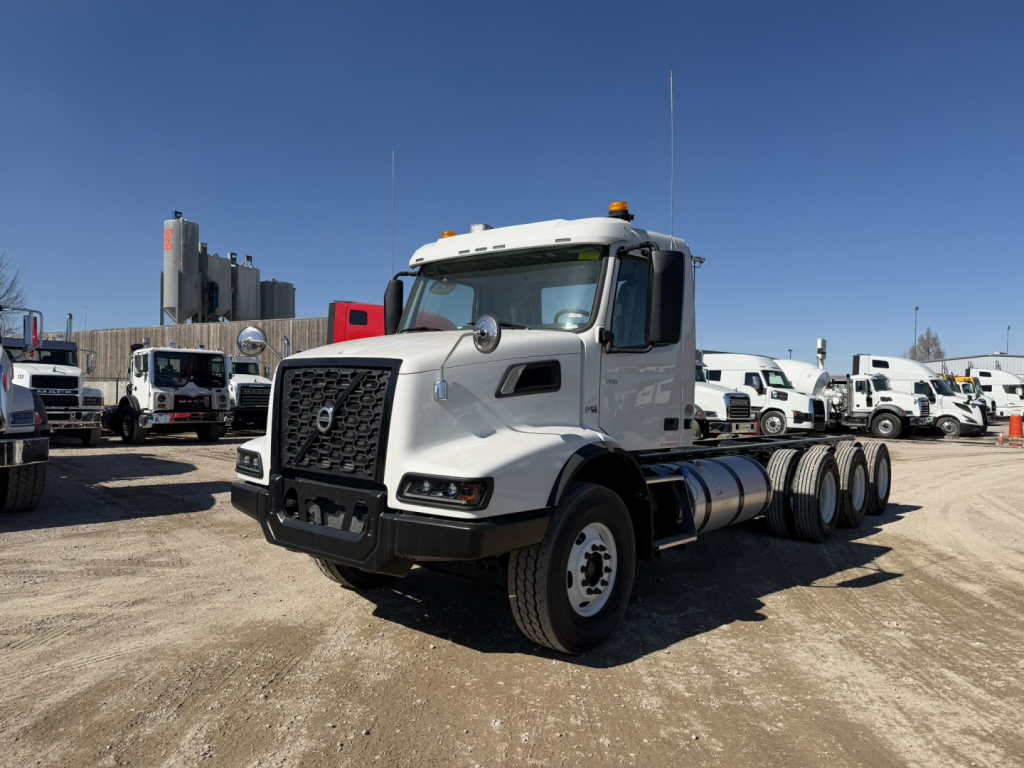
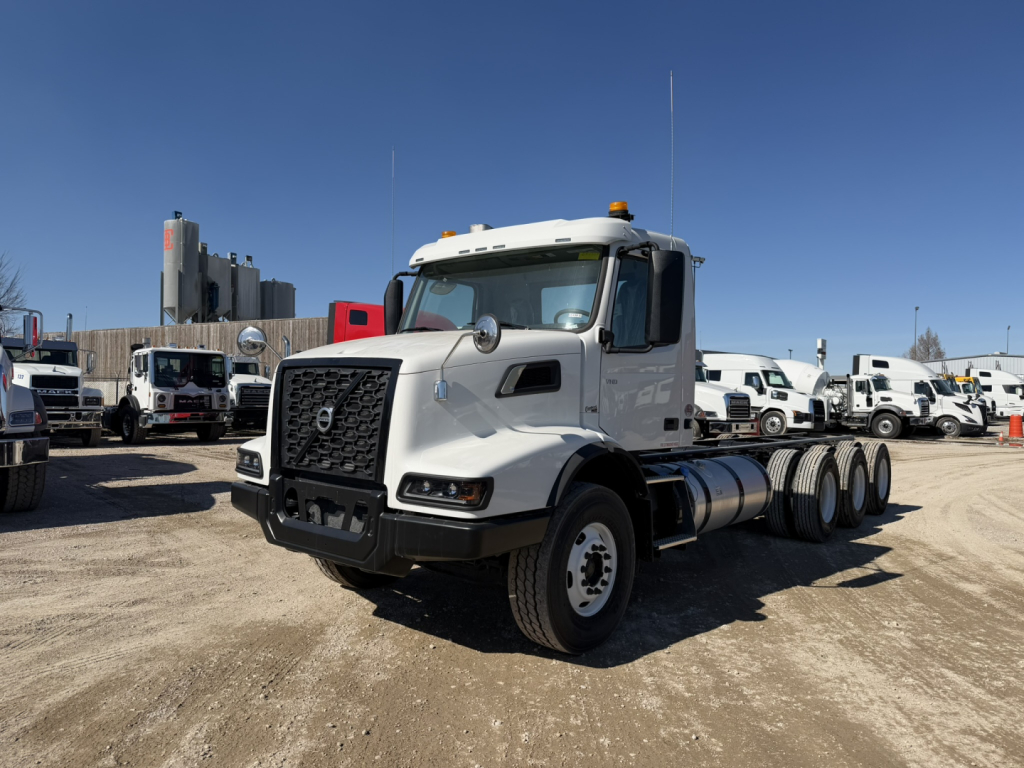
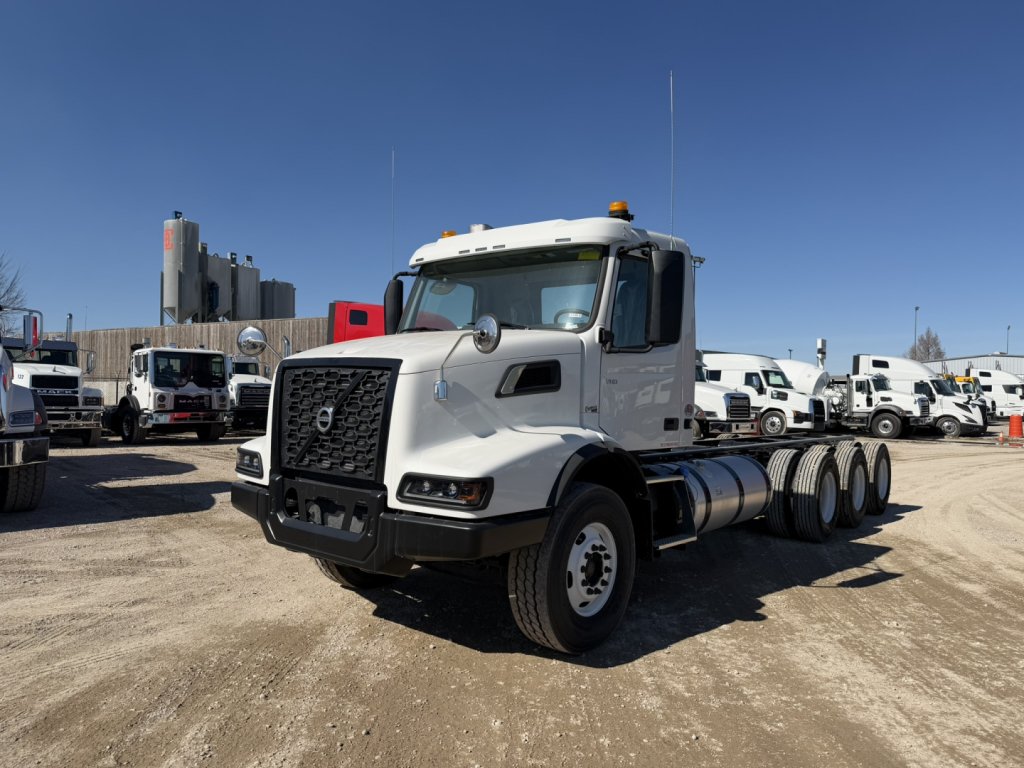
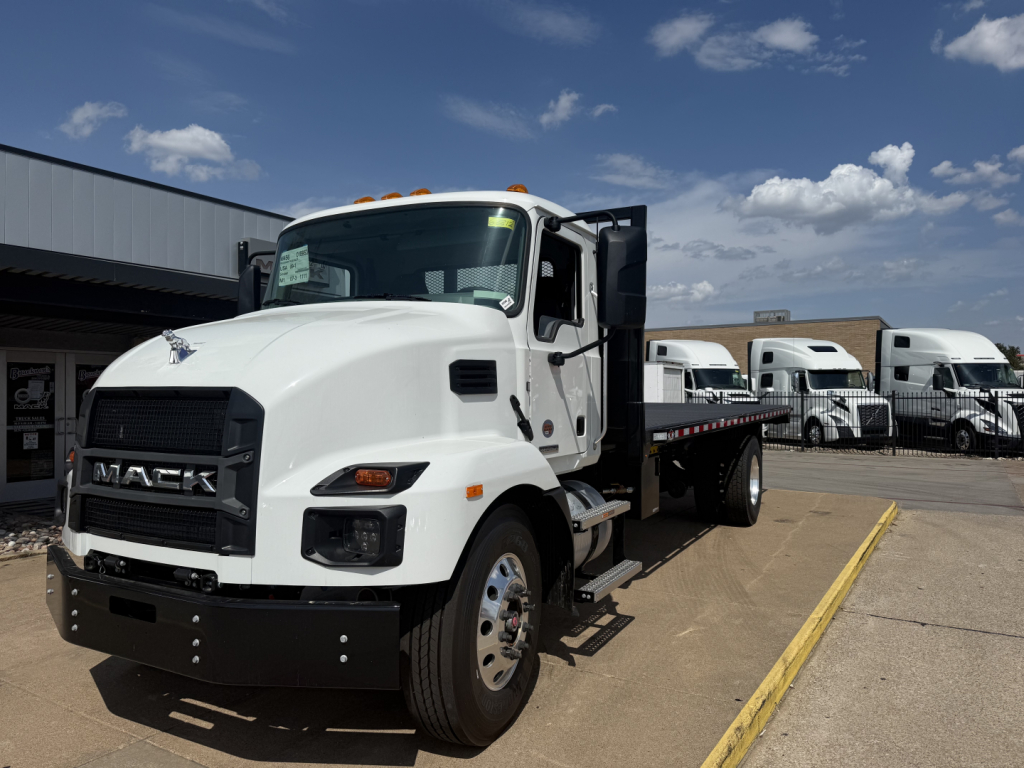
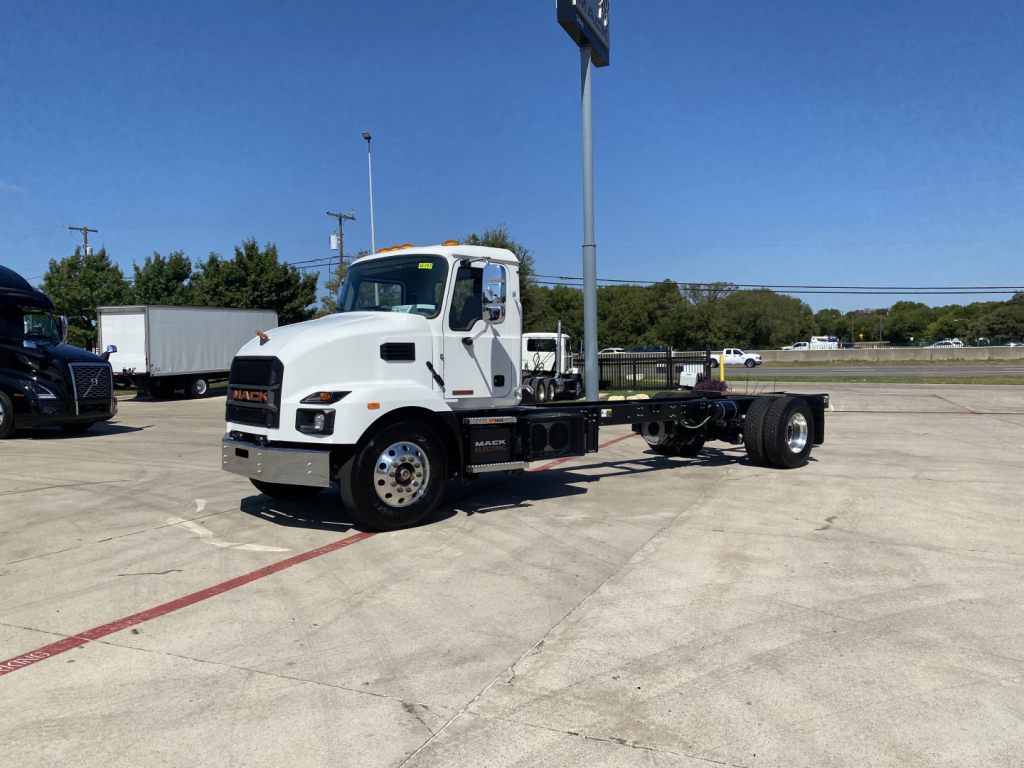
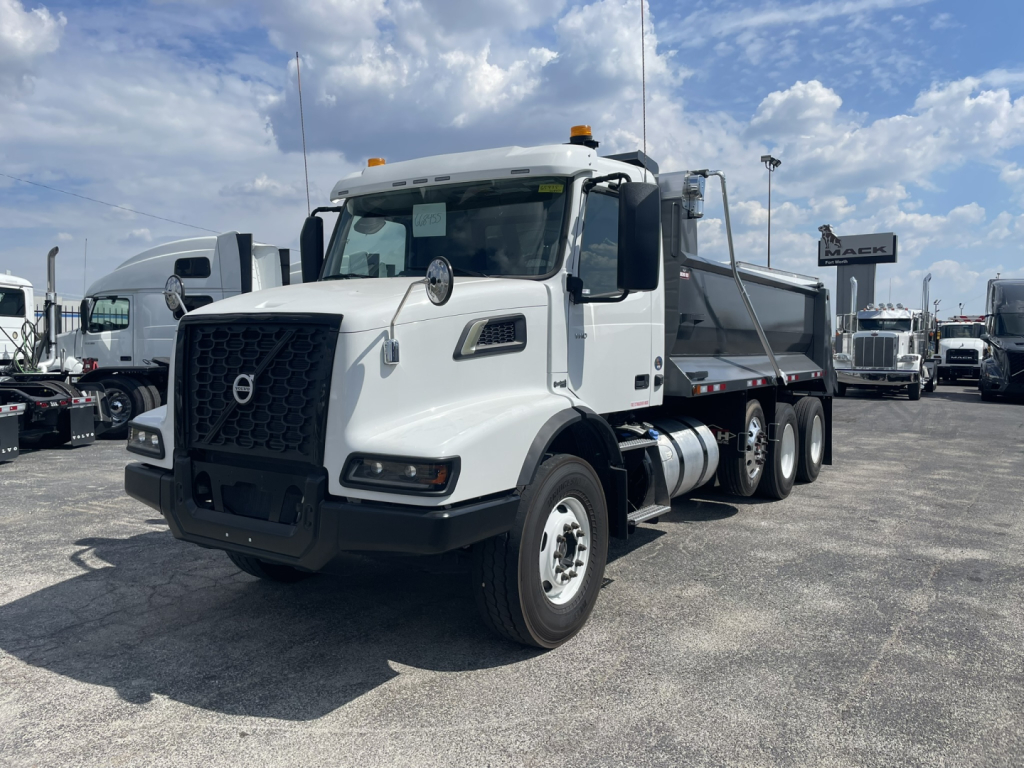
Showing 73 to 95 of 95 results
Have truck to sell? List it here to reach thousands of buyers.
Trucks Near Newark, Texas
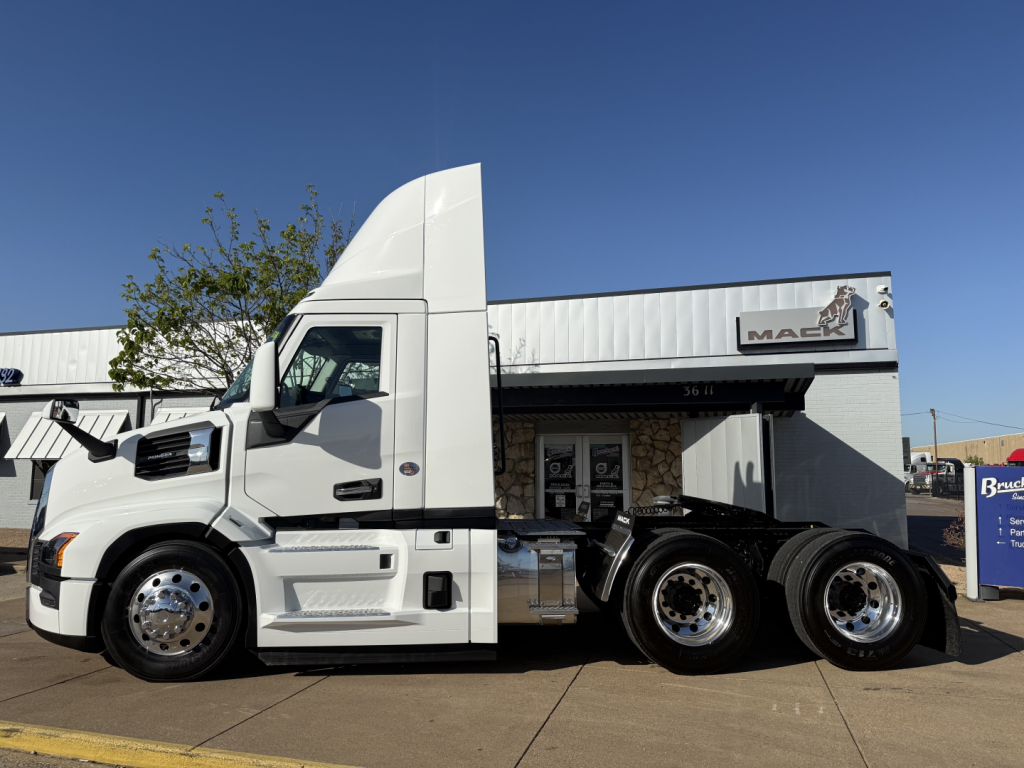
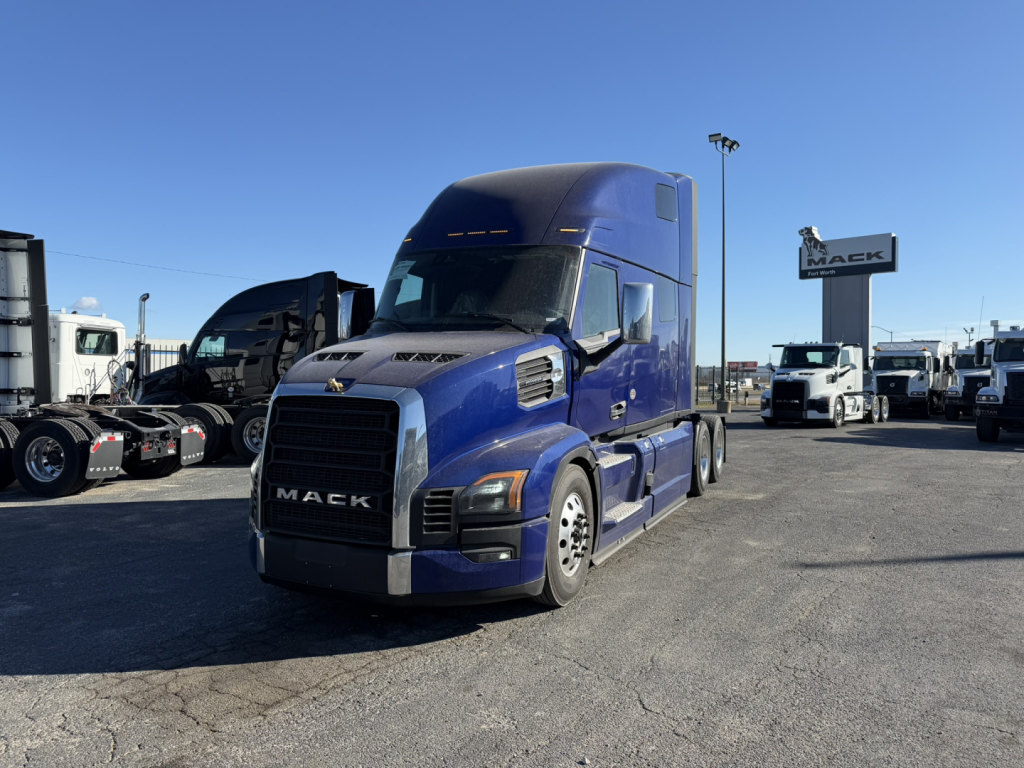
On Class 8 highway trucks, the most important spec points are engine rating, transmission type, axle configuration, rear axle ratio, and suspension. Many buyers in this segment look for 6x4 tractors with diesel engines in the 400 to 505 horsepower range, paired with automated manual transmissions such as a 12-speed for fuel efficiency and easier driver onboarding. Wheelbase and fifth wheel setup matter more than many first-time buyers expect. A shorter wheelbase day cab can improve maneuverability in yards and urban delivery points, while a longer wheelbase may ride better and suit certain trailer bridge requirements. Air-slide fifth wheels, kingpin settings, tank size, full locking differentials, and brake type, including drum or full disc brakes, all affect how the truck performs in real-world freight service.
Texas operating conditions also influence spec choices. Trucks working around Newark and the broader North Texas market may see a mix of interstate miles, regional distribution, construction-related hauling, and heavy summer heat. That makes cooling system condition, tire spec, A/C performance, emissions system health, and idle management more important than they might be in milder regions. Buyers comparing used and new trucks should pay close attention to maintenance history, engine hours, aftertreatment service records, clutch life on automated transmissions, suspension wear, and signs of frame or cab corrosion. Safety technology has become a larger factor as well, with many late-model highway tractors offering collision mitigation, adaptive cruise, lane departure alerts, and improved visibility packages.
A good truck match comes down to freight, route density, trailer type, and expected annual miles. For dry van, reefer, and general freight, a conventional highway tractor with the right horsepower and axle ratio can balance fuel economy with pull power. Heavier or more demanding applications may justify higher horsepower, heavier rears, double frame sections, or more aggressive locking axle specs. Buyers looking at this category should compare cab configuration, drivetrain, suspension, brake package, fuel capacity, and sleeper size against the actual work the truck will do, not just the badge on the hood. A properly spec'd truck lowers operating cost, improves uptime, and is easier to keep productive over the long term.
Frequently Asked Questions about Trucks Near Newark, Texas
What is the difference between a day cab truck and a sleeper truck?
A day cab truck does not have a sleeping compartment behind the seats, so it is typically used for local delivery, regional hauling, drayage, and dedicated routes where the driver returns home daily. A sleeper truck includes a bunk area and additional storage, making it the better choice for long-haul and over-the-road freight. The sleeper configuration usually adds wheelbase, weight, and fuel capacity, but it also improves driver comfort and trip flexibility.
What specs matter most when buying a Class 8 truck?
The key specs are engine horsepower and torque, transmission type, axle configuration, rear axle ratio, wheelbase, suspension, brake system, and fuel capacity. Buyers should also review fifth wheel type, kingpin compatibility, front axle rating, rear axle rating, and any locking differential features. These details determine how the truck handles payload, gradeability, maneuverability, maintenance cost, and fuel economy.
Is an automated manual transmission a good choice in a highway truck?
For many fleets and owner-operators, an automated manual transmission is a strong choice because it can improve shift consistency, reduce driver fatigue, and simplify hiring in a tight labor market. It also helps protect the driveline when matched correctly to the engine and rear axle ratio. The main consideration is service history and calibration quality, especially on used trucks, because poor maintenance can affect shift performance and clutch life.
What should I inspect on a used truck before buying?
A used truck should be evaluated for engine blow-by, coolant condition, oil leaks, fault codes, aftertreatment history, suspension wear, brake life, tire condition, frame integrity, and signs of accident repair. Service records are especially valuable because they show how the truck was maintained and whether major items such as injectors, DPF components, clutch systems, or wheel seals have already been addressed. Mileage matters, but maintenance quality often tells you more about the truck's remaining life than the odometer alone.
How do Texas conditions affect truck spec decisions?
Texas trucks often see high ambient temperatures, long interstate stretches, and heavy freight cycles, so cooling capacity, air conditioning performance, tire durability, and fuel range deserve extra attention. Buyers running regional or long-haul routes may also want larger fuel tanks, aerodynamic packages, and driver-assist safety systems for efficiency and uptime. If the truck will spend time on rough jobsite entrances or mixed on-road and off-road duty, heavier suspension and locking axle options may be worth the added cost.