Ford Moving Van Trucks For Sale
Shop Ford moving van trucks with box lengths from local-delivery sizes to 26-foot bodies, built for household goods, rentals, and fleet moves.
Learn moreHave ford moving van truck to sell? List it here to reach thousands of buyers.
About Ford Moving Van Trucks
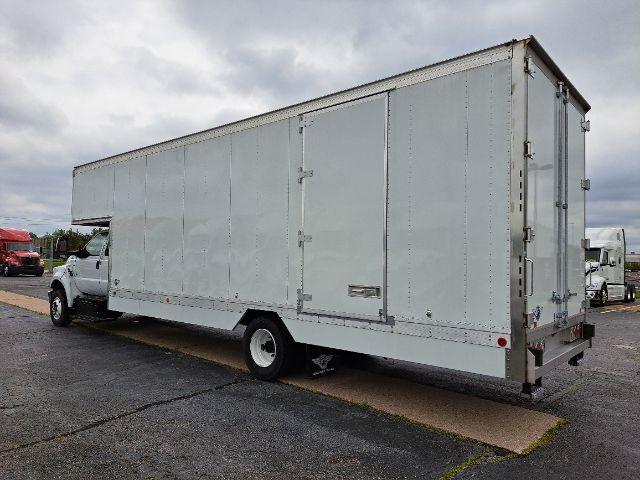
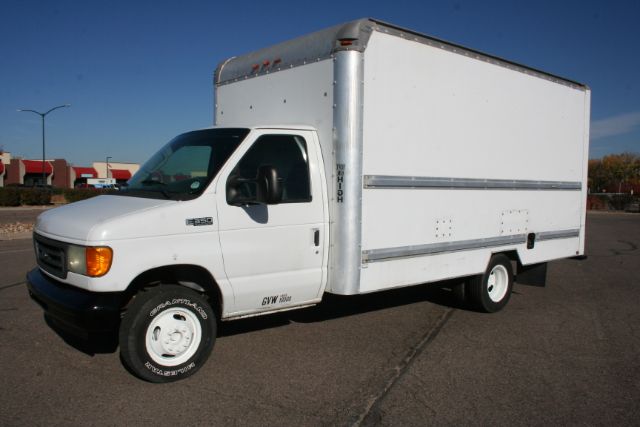
On Ford moving vans, chassis choice tells you a lot about intended use. An E-350 or similar cutaway is a practical fit for urban work, short-haul routes, and operations that need easier maneuverability in tight neighborhoods, alleys, and loading areas. An F-650 is a different class entirely, with substantially higher axle ratings, more body capacity, and a better fit for larger moves or routes where cubic volume matters as much as legal payload. Buyers should compare GVWR, front and rear axle ratings, wheelbase, fuel tank size, suspension type, and tire size against the body builder's final upfit. On gas-powered Ford units, the 5.4L V8 and newer 7.3L gas V8 are common examples, typically paired with automatic transmissions for stop-and-go service.
The box itself matters as much as the cab. A true moving van body is designed around cargo protection and handling efficiency, not just enclosed transport. Look for hardwood or laminate flooring, translucent roof panels or ceilings for daytime visibility, scuff protection, logistic track or tie-down points, and a rear door opening that works with your loaders, carts, and furniture pads. A skirted body can improve access to storage compartments and present a cleaner fleet look. High-cube bodies with 96-inch width and over-100-inch inside height give crews more flexibility when loading tall furniture, stacked cartons, and padded items. If the truck will spend time at docks, rear impact protection, dock bumpers, and camera systems become more important than they are on a local residential route truck.
Condition and prior use are especially important in this category because moving vans live hard lives even when they look clean from the outside. Floor wear, water intrusion around the roof cap, rear frame corrosion, door hardware condition, ramp operation, and body-to-chassis mounting points deserve a close inspection. On used Ford moving vans, check how the transmission shifts under load, confirm dual rear tire condition and date codes, and inspect the ramp, spring assist, and roll-up door balance. For fleet buyers, consistency in body dimensions, interior height, and loading equipment can matter more than cosmetic age. A well-spec'd Ford moving van should match the type of freight, route density, dock exposure, and crew handling method your operation relies on every day.
Frequently Asked Questions
What size Ford moving van is best for local moves versus larger household-goods work?
Smaller Ford moving vans on E-Series cutaway chassis are typically better for local moves, city routes, and jobs where maneuverability matters more than maximum cube. They are easier to place in residential areas and usually cost less to operate. Larger Ford F-650 moving vans are a better fit for full-house moves, rental fleets, and commercial work that needs a 24 to 26 foot body, taller inside height, and higher axle capacity. The right choice depends on cargo volume, route density, parking constraints, and how often the truck loads at docks versus curbside locations.
What should I inspect first on a used Ford moving van truck?
Start with the body and loading equipment because that is where moving vans often show the most operational wear. Inspect the floor for soft spots, gouging, moisture damage, and excessive fastener pull-through. Check the roll-up rear door, ramp, hinges, seals, and roof line for smooth operation and water intrusion. Then review chassis items such as transmission behavior, brake condition, dual rear tire wear, frame corrosion, suspension condition, and body mounting integrity. A clean cab does not always reflect the condition of the box or the loading systems.
Are gas engines common in Ford moving van trucks?
Yes. Gas engines are common in Ford moving van applications, especially on lighter and medium-duty chassis used for local and regional work. Older units may use the 5.4L V8, while newer medium-duty trucks often use the 7.3L gas V8. These setups are popular in stop-and-go service because they are familiar to many service departments and are often paired with automatic transmissions that suit multi-stop operation. Buyers should still match engine and axle capacity to the body size and the real-world weight of the freight being carried.
What body features matter most on a moving van?
The most important body features are the ones that improve cargo protection and loading efficiency. Inside height, body length, floor material, tie-down provisions, side access doors, attic storage, and ramp design all affect how much freight the truck can carry and how quickly a crew can work. Translucent roof panels improve interior visibility during daytime loading, and dock bumpers or rear cameras add value for trucks that back frequently to warehouses or commercial docks. A moving van body should be evaluated as a work tool, not just as an enclosed box.
How important is GVWR when comparing Ford moving vans?
GVWR is one of the most important specs because it determines the truck's legal operating capacity when combined with body weight, fuel, crew, and cargo. A moving van can have plenty of cubic space but still be limited by axle ratings and chassis capacity. Buyers should review GVWR along with front and rear axle ratings, body dimensions, and intended payload. This is especially important when comparing an E-350 style cutaway to an F-650, because the two trucks may both be moving vans but serve very different capacity and route requirements.