
Commercial Trucks For Sale Near Morton, Mississippi
Have commercial truck to sell? List it here to reach thousands of buyers.
Commercial Trucks Near Morton, Mississippi
Powertrain details drive operating cost and performance more than almost any other decision. Buyers compare diesel engines by horsepower, torque, emissions system history, and service network, with common priorities including strong low-end torque, clean maintenance records, and parts support. Transmission choice depends on duty cycle and driver preference. Automated manuals are common in linehaul and regional work, while manual transmissions still appeal in heavy haul and vocational applications where gear selection matters. Rear axle ratio, tire size, and wheelbase all affect cruise RPM, gradeability, turning radius, and payload positioning. On tractors, kingpin setting and fifth wheel placement matter for axle balance and trailer compatibility. On straight trucks, body length, frame space, and PTO provisions can be just as important.
Cab and chassis condition should be evaluated with the same attention as major components. On used trucks, buyers typically look at engine hours, idle hours, suspension wear, brake condition, tire match, frame integrity, driveline play, and signs of corrosion or prior damage. Interior layout, gauge package, bunk size, and storage matter more on long-haul sleeper trucks than they do on local units, but visibility, seat condition, HVAC performance, and electrical reliability matter on every truck. In Mississippi and the broader Southeast, heat, humidity, and mixed highway-to-rural operation make cooling system condition, air conditioning performance, and tire condition especially relevant.
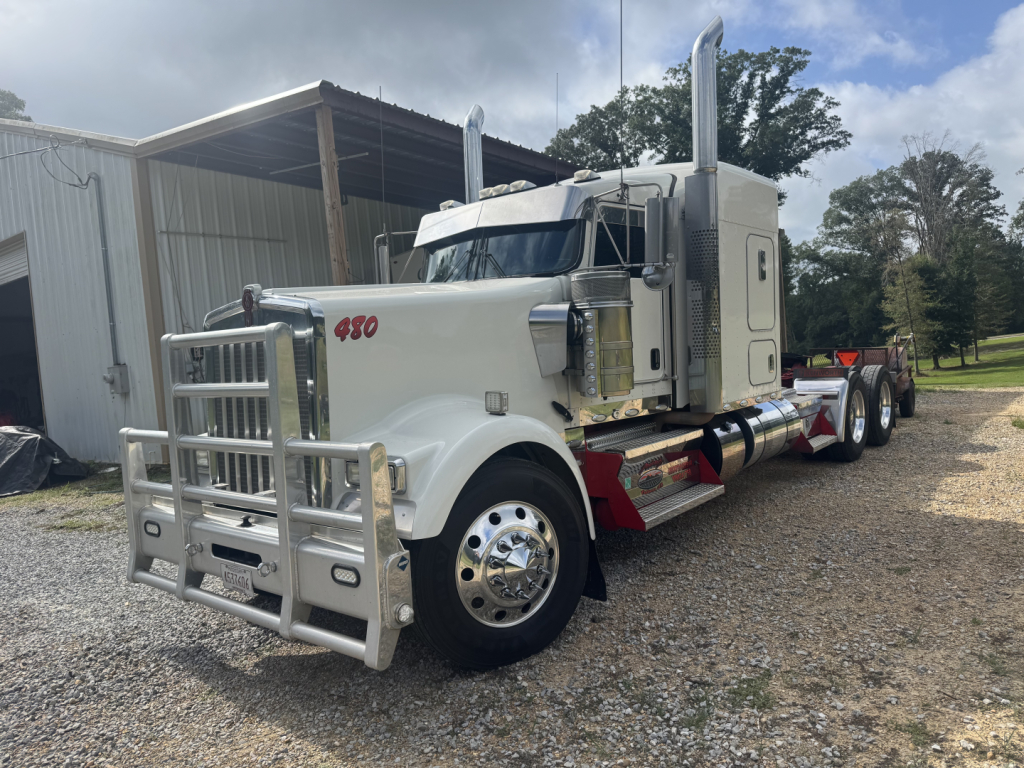
A good truck spec should support revenue without creating avoidable maintenance or compliance problems. That means checking axle ratings, GVWR or GCWR, emissions requirements, wheelbase restrictions for the intended work, and the availability of service for the make and engine in your operating area. Buyers also pay attention to suspension type, brake setup, fuel capacity, fairings, wet kit compatibility, and sleeper size when comparing otherwise similar trucks. The most useful listings are the ones that clearly show how the truck is configured to work, because a 565 horsepower sleeper with tall gearing and a long wheelbase serves a very different job than a short-wheelbase vocational chassis or a fleet-spec regional tractor.
Frequently Asked Questions about Commercial Trucks Near Morton, Mississippi
What should I look at first when comparing trucks for sale?
Start with the truck’s intended application and confirm that the core spec supports it. Cab style, sleeper or day cab layout, axle configuration, wheelbase, engine horsepower and torque, transmission type, and rear axle ratio should all match the freight, trailer, terrain, and expected miles. A truck can be clean cosmetically and still be a poor fit if the gearing, suspension, or frame layout does not align with the work.
How do wheelbase and rear axle ratio affect truck performance?
Wheelbase affects turning radius, ride quality, bridge compliance, body or sleeper space, and how weight is distributed across the axles. Rear axle ratio affects launch performance, hill-climbing ability, cruise RPM, and fuel economy. A longer wheelbase with tall gearing may suit highway operation, while a shorter wheelbase with deeper gears is often preferred in vocational or heavy-duty applications where maneuverability and pulling power matter more than highway fuel economy.
Is a manual or automated transmission better in a truck?
Neither is automatically better in every case. Automated manual transmissions are widely used because they can improve driver consistency, reduce missed shifts, and simplify training in fleet operations. Manual transmissions remain popular in some heavy haul, oilfield, logging, and specialized applications where experienced drivers want direct control over gear selection. The better choice depends on terrain, driver pool, maintenance support, and the type of work the truck performs each day.
What matters most on a used sleeper truck?
On a used sleeper truck, focus on engine and aftertreatment history, transmission condition, rear axle and suspension wear, and overall chassis integrity before getting distracted by chrome or interior appearance. Then evaluate sleeper size, bunk layout, HVAC performance, gauge package, storage, and fuel capacity based on how long the truck will stay out. Idle hours, cooling system health, tire condition, and signs of deferred maintenance are especially important on long-haul units.
Are vocational trucks and highway tractors evaluated differently?
Yes. A highway tractor is often judged by fuel efficiency, sleeper comfort, aerodynamics, gearing, and long-distance reliability. A vocational truck is usually judged more by frame strength, suspension rating, PTO capability, locking differentials, ground clearance, body compatibility, and resistance to off-road or stop-and-go wear. The inspection process overlaps, but the details that determine value are different because the jobs are different.