
Commercial Trucks For Sale Near Memphis, Tennessee
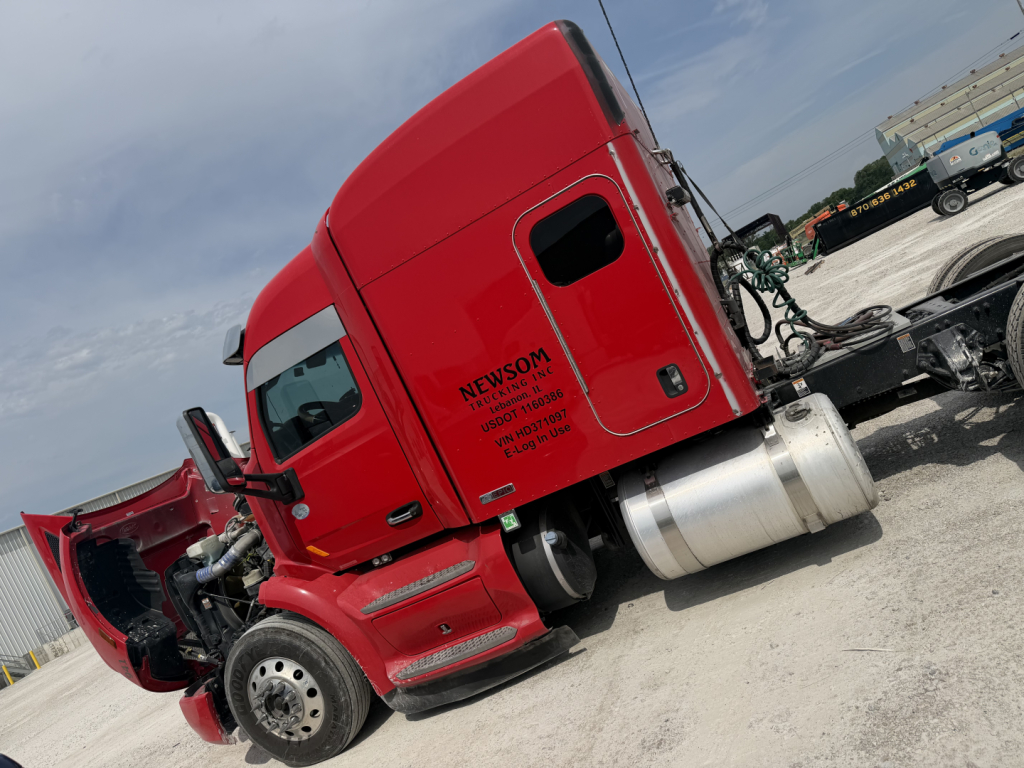
Have commercial truck to sell? List it here to reach thousands of buyers.
Commercial Trucks Near Memphis, Tennessee
For over-the-road buyers, conventional trucks are commonly spec'd as day cabs or sleeper tractors, with popular configurations including 4x2 and 6x4 tandem axle setups. Key considerations include horsepower and torque range, automated manual versus manual transmission, rear axle ratio, suspension type, and fifth wheel position. Buyers comparing highway trucks often look closely at engine make, emissions system history, DEF and DPF service records, mileage, idle hours, and signs of prior fleet maintenance. On used aerodynamic models such as the Peterbilt 579, Cascadia, T680, LT, or VNL, fuel economy, cab condition, and drivetrain history usually matter as much as the badge on the hood.
For local and regional operations around Memphis, a shorter wheelbase, lighter curb weight, and easier maneuverability can be more important than a large sleeper or maximum fuel capacity. Medium-duty trucks are often selected by GVWR class, body compatibility, liftgate needs, and cab-to-axle measurement. Vocational buyers may be focused on front axle capacity, PTO provisions, frame strength, locking differentials, and suspension durability. Across all truck types, inspection points should include brake wear, tire condition, frame corrosion, suspension components, steering play, driveline vibration, and any fault codes related to emissions or aftertreatment systems.
A good truck purchase starts with matching the spec to the job, not just the price. Memphis-area buyers should also consider availability of dealer support, engine service familiarity, and parts access for common platforms from Peterbilt, Kenworth, Freightliner, International, Volvo, Mack, and other major brands. If a truck has an unconventional setup, such as a tag or dummy axle, a deleted system, or a heavily modified drivetrain, it deserves extra attention during inspection because those details can affect registration, maintenance costs, and resale value. The best choice is usually the truck with a clear maintenance story, the right axle and cab configuration, and a drivetrain built for the load, terrain, and duty cycle.
Frequently Asked Questions about Commercial Trucks Near Memphis, Tennessee
What type of truck is best for freight operations in Memphis, Tennessee?
The best truck depends on the freight, route length, and loading environment. For long-haul and regional van or reefer work moving through Memphis, a conventional sleeper tractor or day cab with a fuel-efficient aerodynamic package is common. For local delivery, drayage, or city-route work, buyers often prefer a day cab or medium-duty truck with a shorter wheelbase for tighter maneuvering. Memphis is a major distribution market, so truck spec should match interstate use, terminal work, and stop frequency rather than simply choosing the highest horsepower available.
What should I inspect first on a used truck?
Start with the drivetrain and maintenance history. Engine service records, transmission operation, differential condition, emissions system repairs, and signs of excessive idle time are usually more important than cosmetic wear. After that, inspect tires, brakes, suspension, frame rails, steering components, and any active fault codes. A pre-purchase inspection with an ECM download is a smart step because it can confirm mileage, engine hours, stored events, and some operating patterns that are not obvious during a walk-around.
Is an automatic transmission better than a manual in a used truck?
An automated manual transmission is popular because it reduces driver fatigue, helps with driver availability, and can support fuel economy goals when spec'd correctly. A manual transmission still appeals to some owner-operators and vocational users who want more direct control, especially in demanding terrain or specialty applications. On a used truck, condition matters more than transmission type. Shift quality, clutch wear where applicable, calibration history, and service records are the real deciding factors.
How do axle configuration and wheelbase affect truck performance?
Axle setup and wheelbase directly affect payload, turning radius, ride quality, and application fit. A 6x4 tandem axle tractor is the standard choice for heavier highway use and broader trailer compatibility, while a 4x2 can save weight and improve fuel economy in lighter-duty operations. Longer wheelbases can improve ride and allow larger sleepers or fuel capacity, but they reduce maneuverability. Shorter wheelbases are easier in urban and terminal settings but may limit body length, frame space, or ride characteristics depending on the truck class.
Are modified or deleted trucks riskier to buy?
Yes, they usually require closer review. A truck with deleted emissions equipment, a non-standard axle arrangement, or major drivetrain modifications may present registration, compliance, diagnostic, and resale challenges. It can also be harder to service through mainstream dealer networks. If a truck has been altered from its original factory spec, buyers should verify how the changes affect legality, maintenance support, insurance, and operating cost before making a decision.