
Trucks For Sale Near Mcdonough, Georgia
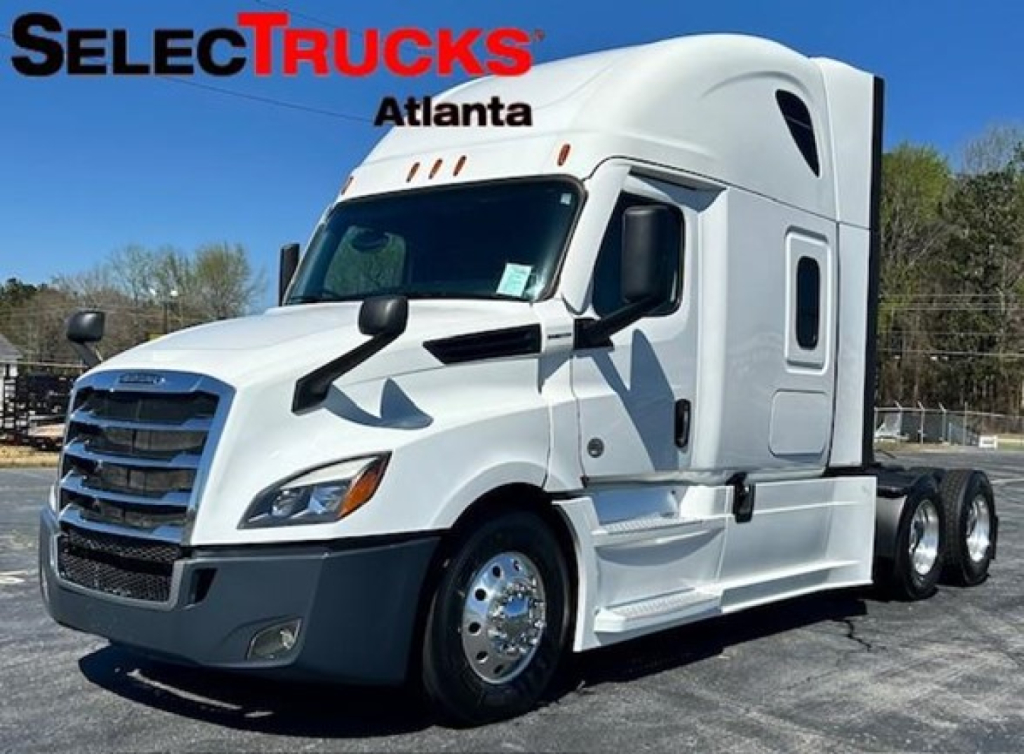
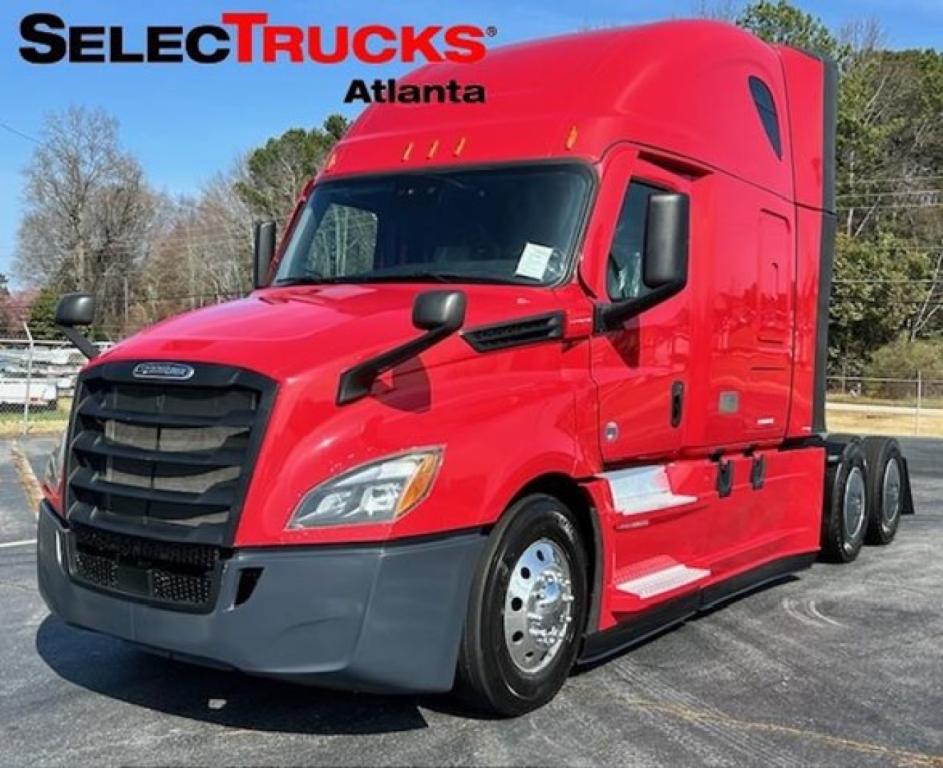
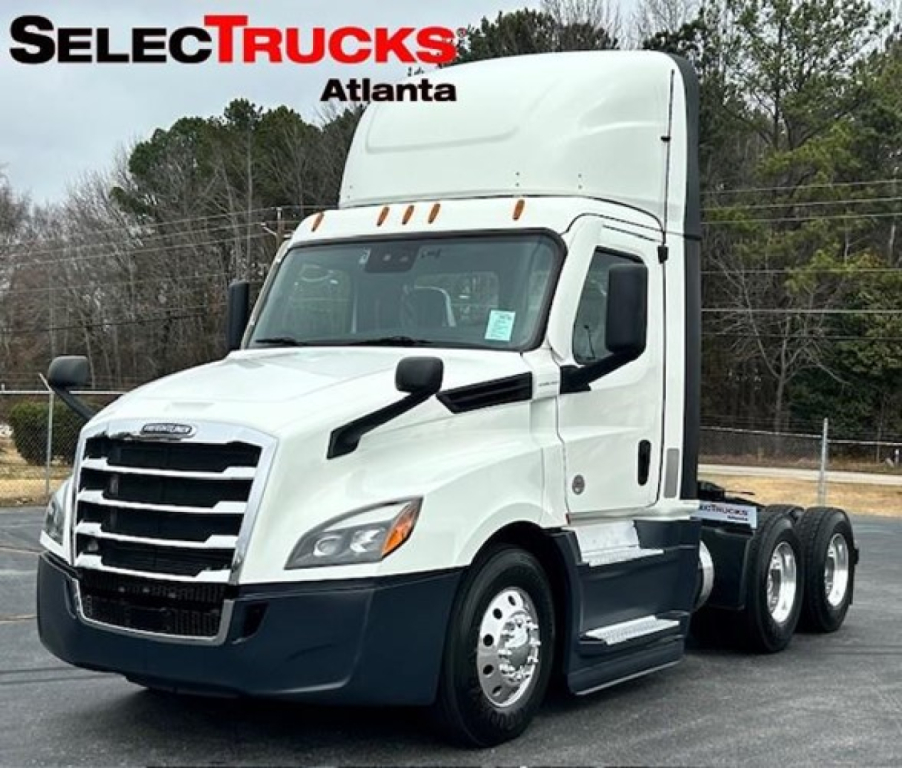
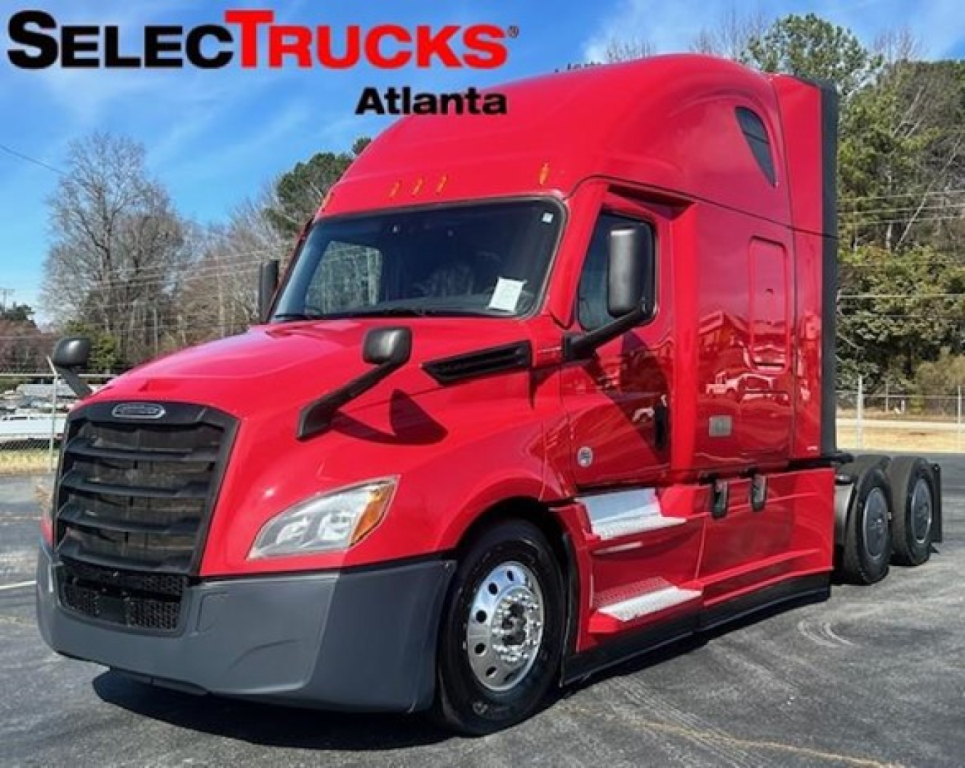
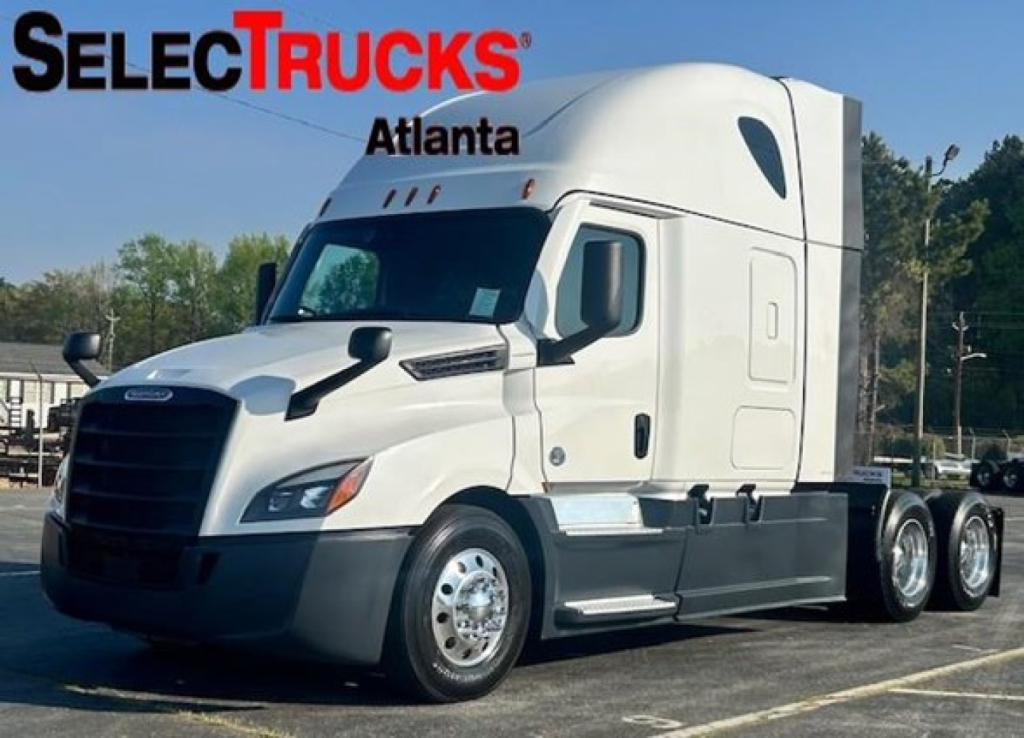
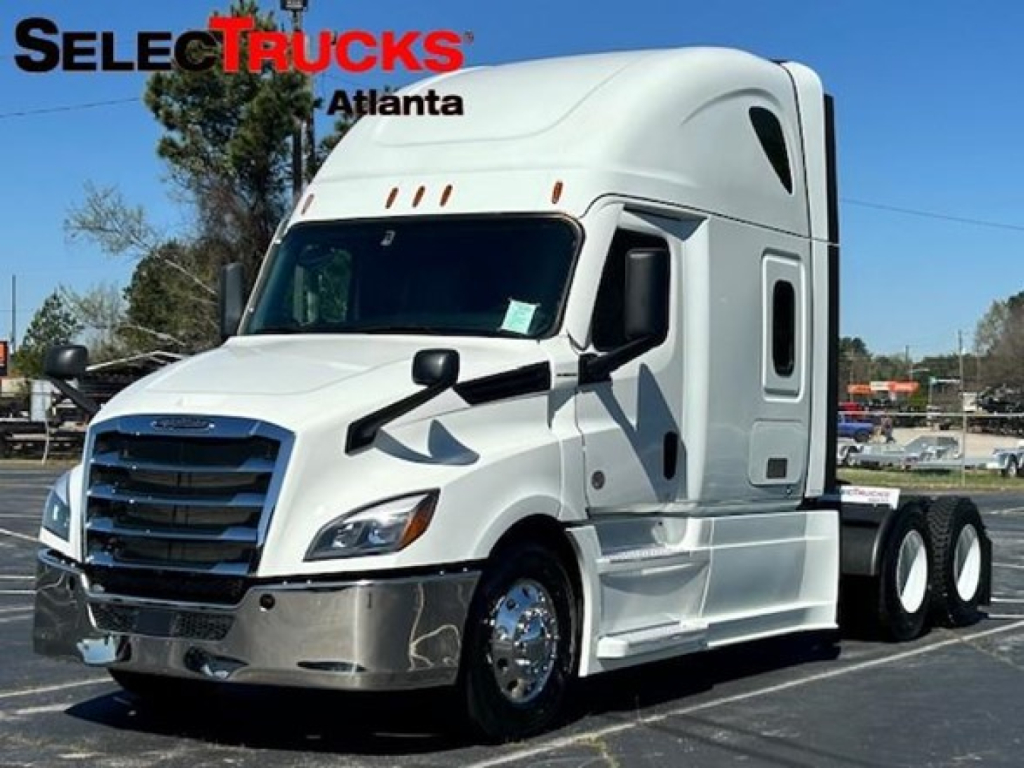
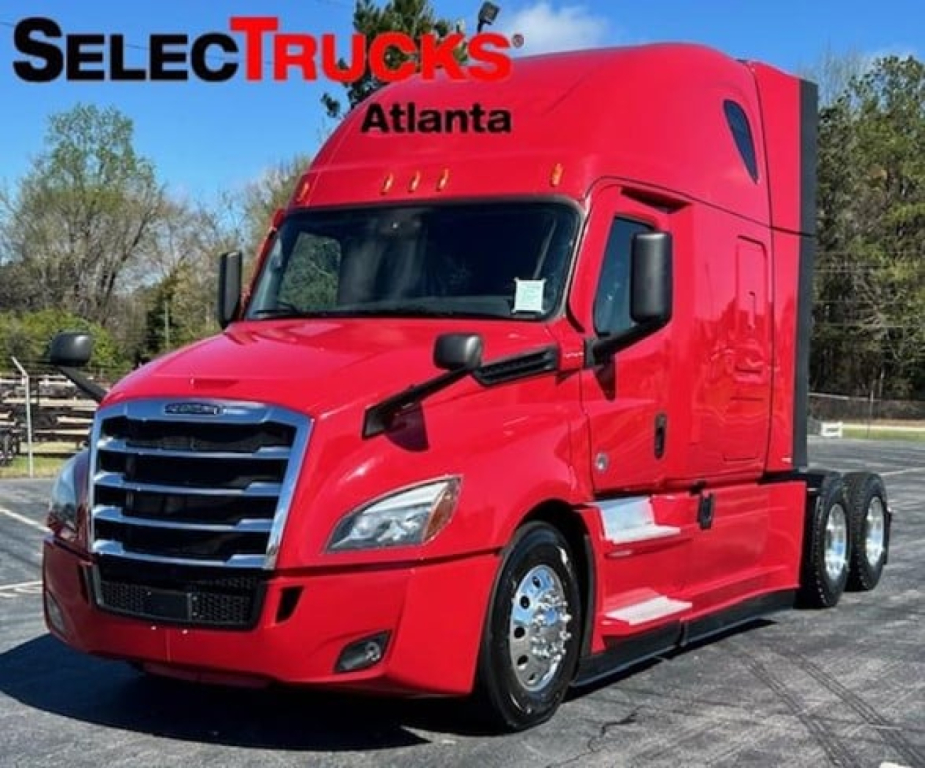

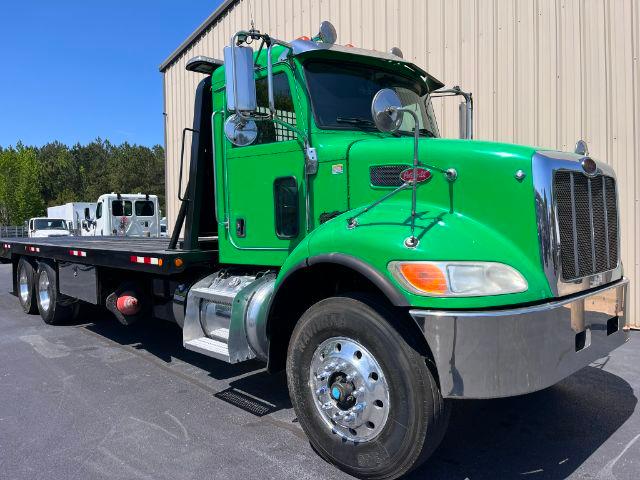
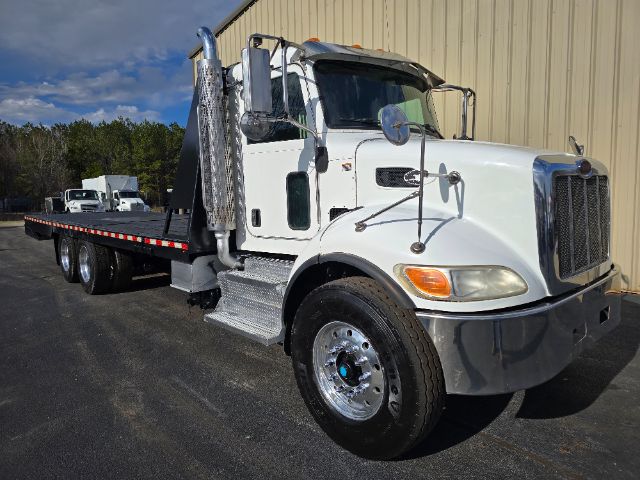
Showing 49 to 72 of 87 results
Have truck to sell? List it here to reach thousands of buyers.
Trucks Near Mcdonough, Georgia
Tare weight drives profitability, lighter components increase payload and reduce fuel burn. Aluminum wheels, composite or aluminum bodies, smaller dual fuel tanks when range allows, and in some cases 6x2 or wide base singles can trim hundreds of pounds, the trade off is traction and tire wear management. Frame RBM and section modulus should still be appropriate for your duty cycle, heavy vocational applications need higher RBM and crossmember density. Suspension choice affects both weight and ride, air ride protects freight and bodies, steel spring suspensions save weight and add simplicity.
Floor strength is critical on box and reefer trucks that see pallet jack or forklift loading. Laminated hardwood floors in the 1.25 to 1.38 inch range with dense crossmember spacing handle higher point loads, extruded aluminum duct floors improve airflow under perishables but require proper forklift wheel ratings. Verify forklift rating per axle or per wheel, threshold plates, landing gear plates on longer bodies, and robust scuff liners at 12 to 24 inches in aluminum or HDPE to prevent wall damage that propagates into floor fasteners. Dump and vocational bodies should specify AR400 or AR450 steel floors with appropriate thickness and wear plates where loads impact.
Thermal integrity defines reefer performance in Georgia heat. Look for high quality insulation with consistent thickness, tight rear and side door seals, smooth or ducted floors matched to product, a reefer unit sized for your pull down needs, and options like electric standby and remote temperature monitoring. Any breach in liners or scuff can allow moisture and heat ingress that increases fuel use and cycle times. Corrosion resistance protects long term value, southern trucks typically see less road salt, still inspect for e coated or epoxy coated frames, aluminum or composite cabs, stainless hardware, sealed wiring harnesses and protected battery boxes. Operational features like TPMS, automatic tire inflation on compatible axles, disc brakes, collision mitigation, APUs and full aero kits reduce downtime and operating cost in hot, congested Atlanta area conditions.
Frequently Asked Questions about Trucks Near Mcdonough, Georgia
How do I match GVWR and axle ratings to my payload without overloading an axle?
Start with your heaviest typical load, add fuel, driver, liftgate and toolbox weights, then confirm the sum fits within GVWR and each axle rating. Wheelbase and axle spacing affect how weight transfers to steer and drive axles, sliding the fifth wheel on a tractor or adjusting body placement on a straight truck helps center weight. Scale the truck loaded at a nearby CAT scale in McDonough to verify compliance before finalizing a spec.
What floor specifications should I choose for frequent forklift or pallet jack loading?
Select a laminated hardwood floor of at least 1.25 inches with tight crossmember spacing and a published forklift rating per wheel that exceeds your equipment, then add aluminum threshold and wear plates at the rear. If you run perishables, an extruded aluminum duct floor improves airflow but confirm forklift compatibility and ensure robust scuff liners to protect wall and floor fasteners from side impacts.
How can I evaluate the thermal integrity of a reefer truck body in Georgia heat?
Inspect insulation thickness and uniformity, look for undamaged interior liners, intact door seals and hinges, and dry, clean drain tubes. Run a pretrip pull down test to your lowest setpoint, monitor box recovery after door openings, and review unit hours and service logs. Options like electric standby, remote temperature monitoring and well sealed side doors improve control and reduce fuel consumption during hot months.
What are practical ways to reduce tare weight without sacrificing durability?
Use aluminum wheels, aluminum or composite body panels, and spec only the fuel capacity you need for the route. Consider wide base singles or a 6x2 axle layout for highway tractors when traction demands are moderate, then pair with optimized tire compounds and driver aids to manage wear. Maintain adequate frame RBM and choose air ride or spring suspensions based on your cargo sensitivity and route conditions.
What should I check to ensure good corrosion resistance on a used truck from the Southeast?
Verify the frame has e coat or epoxy primer and sound topcoat, inspect crossmembers, battery boxes, exhaust hangers and under cab areas for blistering or flaking. Favor aluminum or composite cabs, stainless or plated fasteners, sealed electrical connectors and intact loom. Even with less road salt use in Georgia, humidity and road debris can attack chipped coatings, so look closely around fifth wheel brackets and body mounts.