
Used Mack Trucks For Sale in Oklahoma
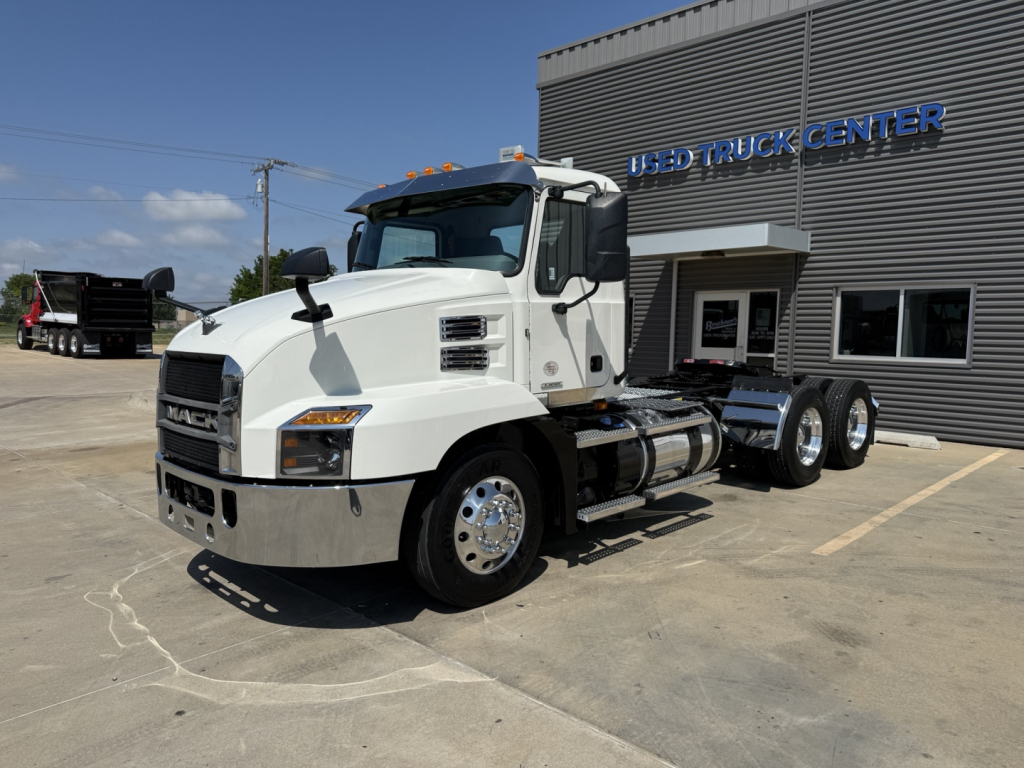
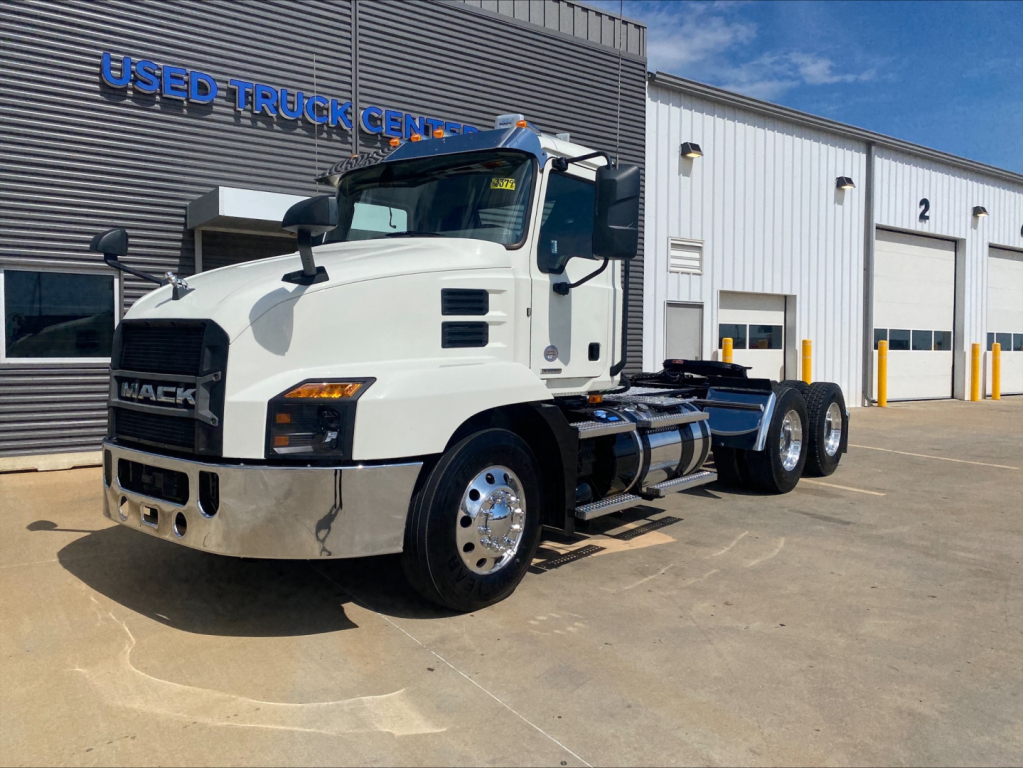
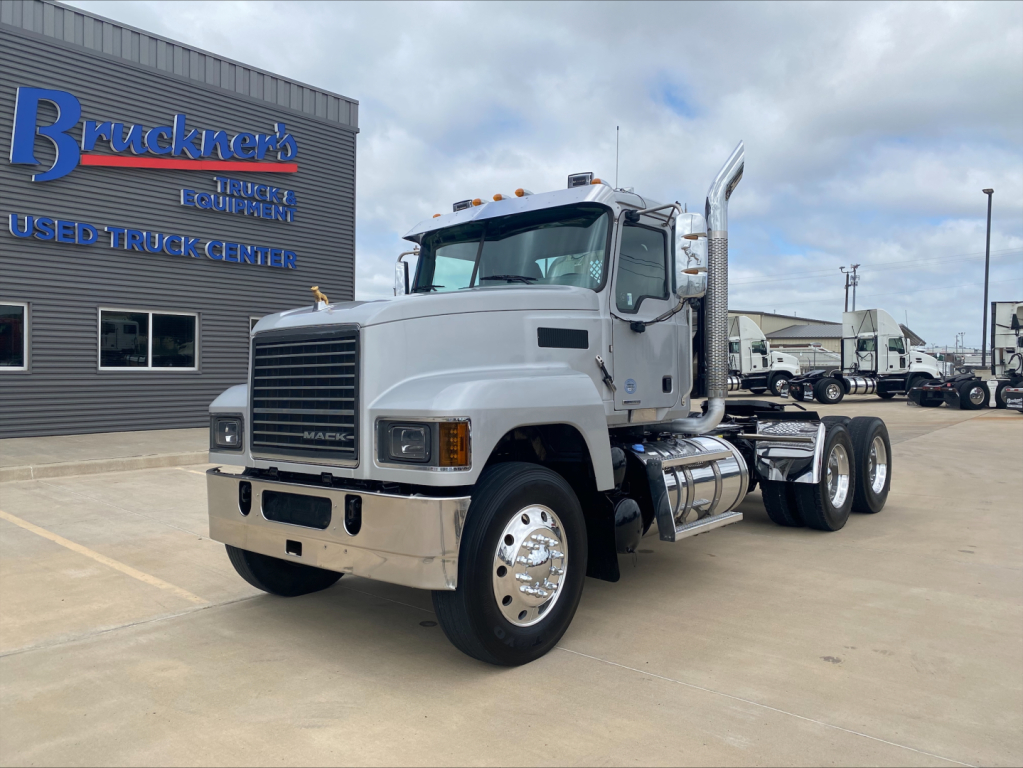
Browse used Mack trucks in Oklahoma, including daycabs and vocational models with MP8 power, tandem axles, air ride, and work-ready specs.
Learn more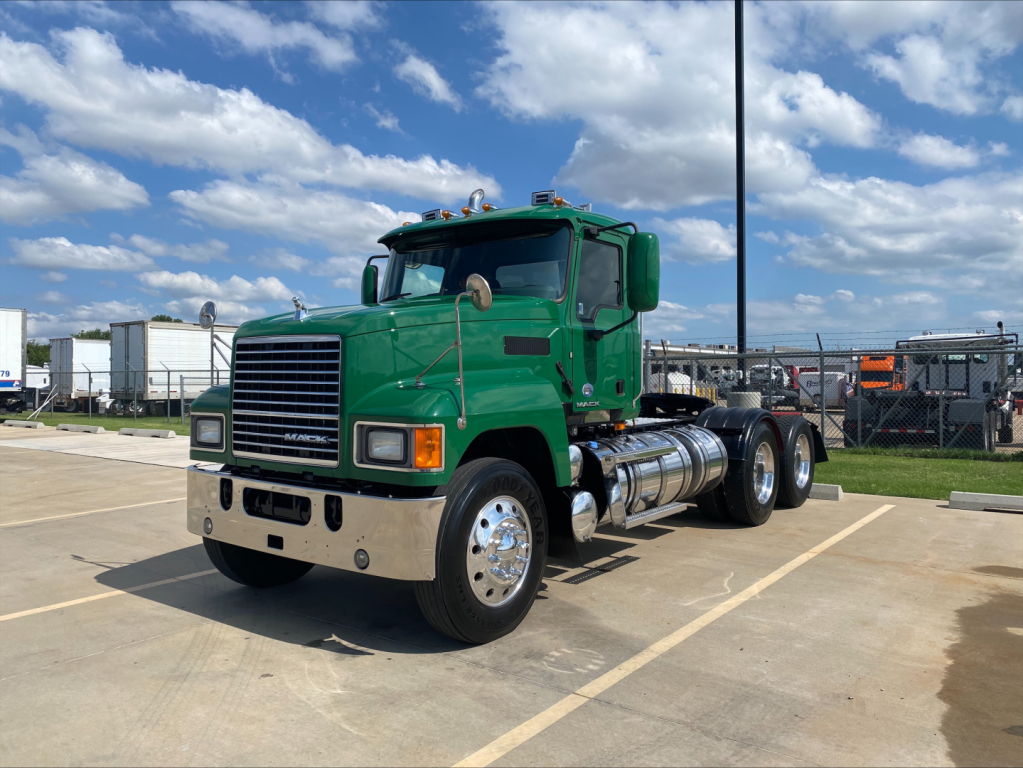
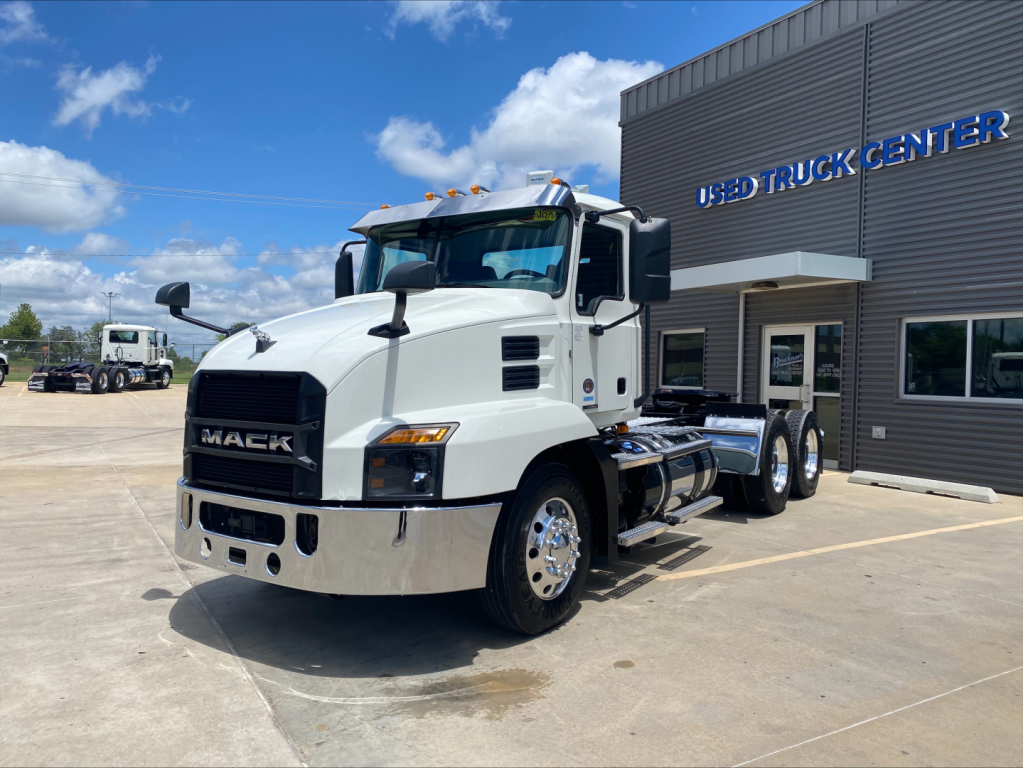
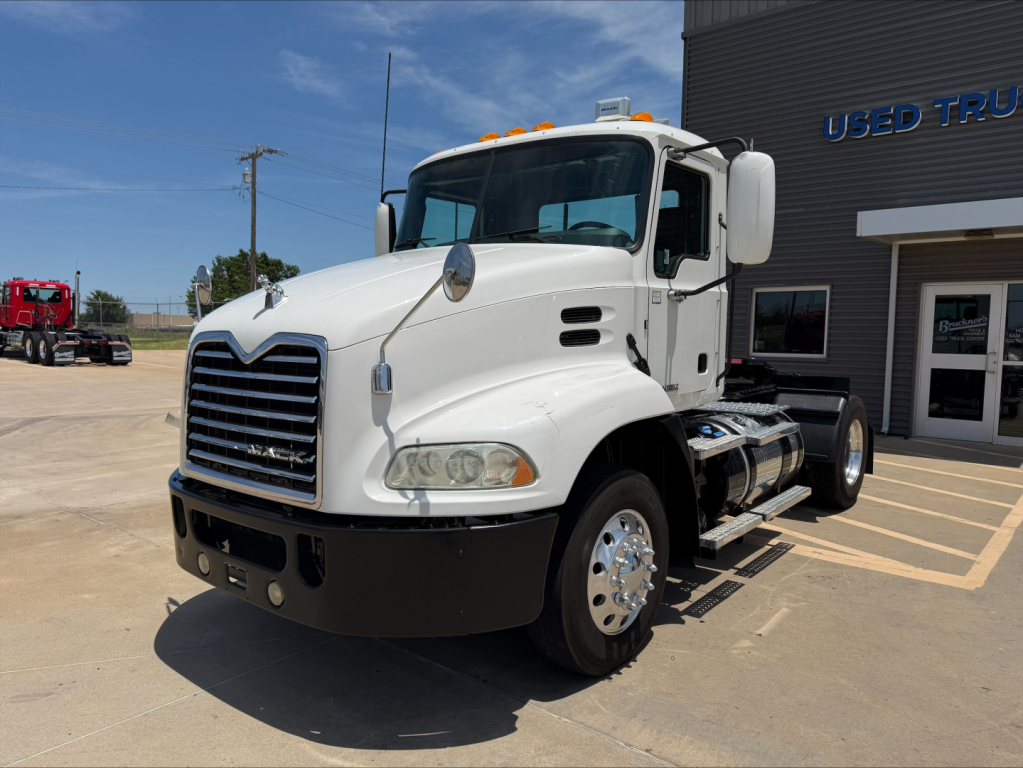
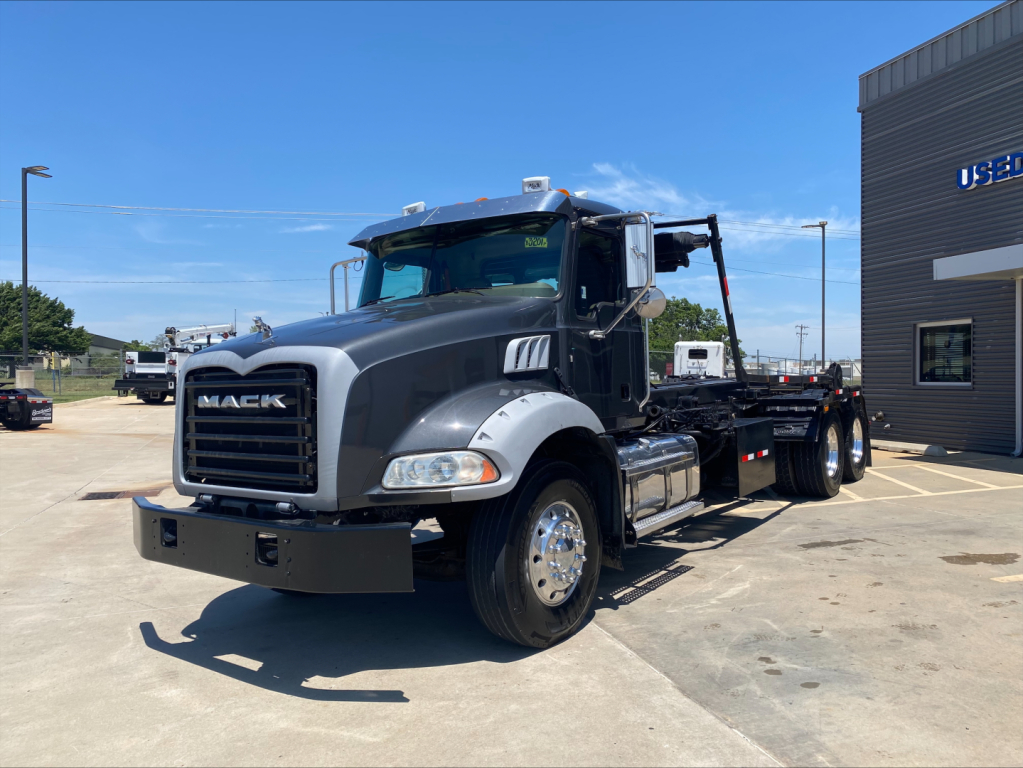
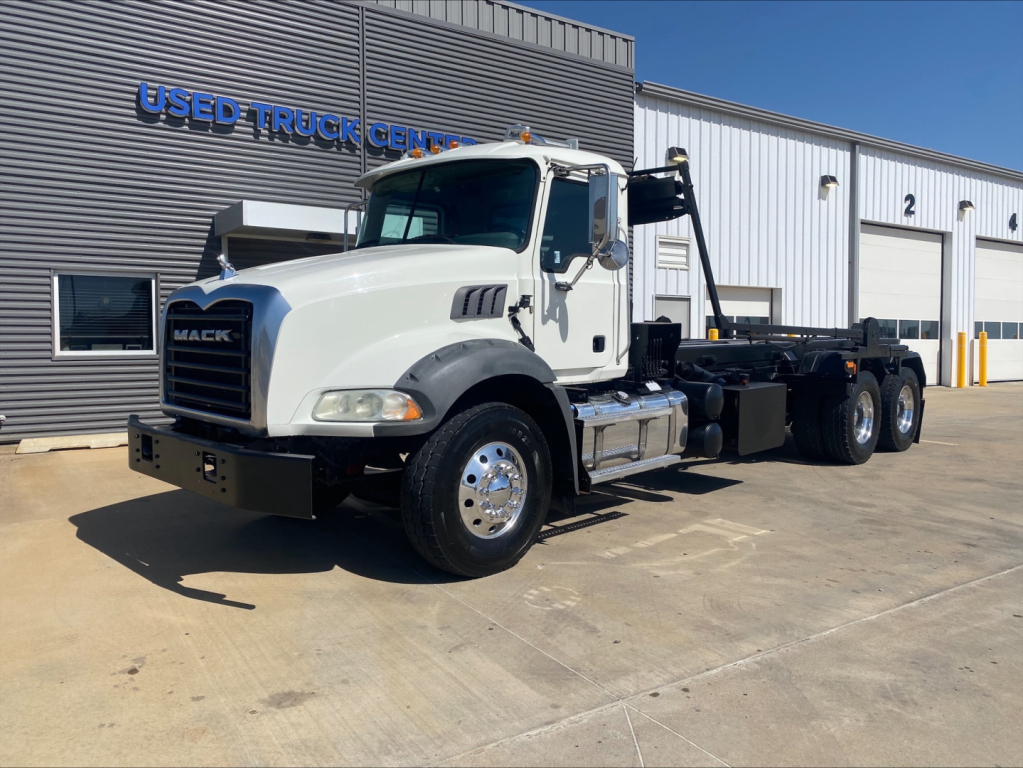
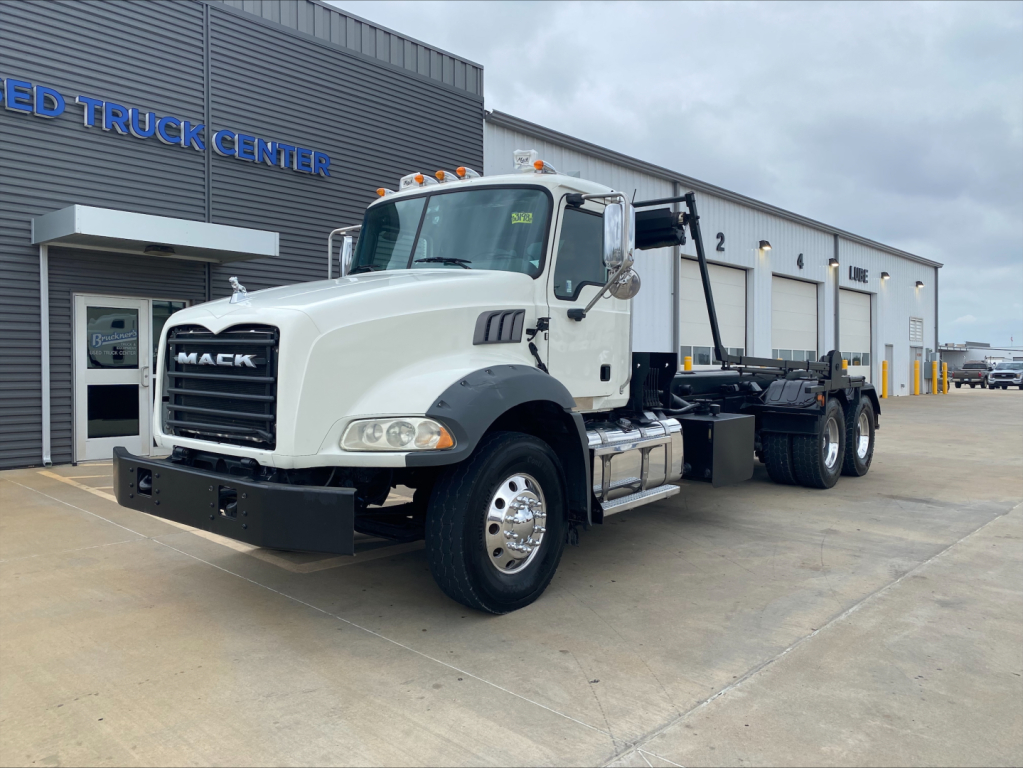
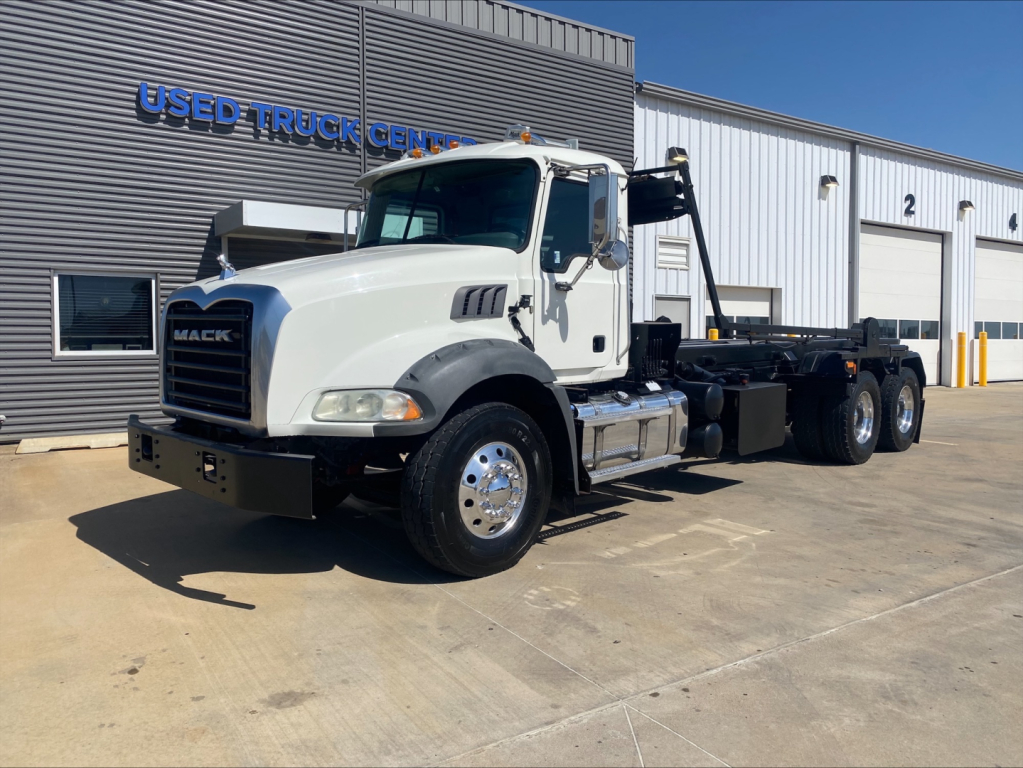
Showing 13 to 22 of 22 results
Have used mack truck to sell? List it here to reach thousands of buyers.
About Used Mack Trucks in Oklahoma
The first buying decision is usually application, because a used Mack spec can vary sharply from one job to the next. A highway tandem daycab often shows up with a Mack MP8 engine in the 445 to 505 hp range, an mDrive automated manual, 12,000 lb front axle, 38,000 to 40,000 lb rears, air suspension, and a highway-friendly rear ratio around 3.25. That combination is popular for fuel-conscious regional pulling and easy driver onboarding. A vocational Mack, by contrast, may carry a Cummins or Mack engine, an Allison automatic or heavier vocational transmission, 18,000 lb front axle, 44,000 lb or heavier rears, a deep rear ratio such as 5.31, and a higher GVWR for stop-and-go or off-road work. Wheelbase matters here. Around 180 to 213 inches is common on highway daycabs, while roll-off and other body-builder applications often stretch much longer to fit hoists, rails, or specialized upfits.
Oklahoma buyers usually pay close attention to engine history, transmission calibration, suspension condition, and axle specs before anything cosmetic. On MP8-powered trucks, it is smart to review aftertreatment service records, fault history, idle hours, and cooling system maintenance, especially on higher-mileage fleet units. On mDrive trucks, confirm clutch and shift performance, software updates, and how the truck was geared for its prior route. On vocational Mack trucks, inspect frame condition, crossmembers, PTO operation, body mounting, and rear suspension wear points. If the truck has spent time on rough jobsites or in municipal service, steering components, spring packs or air ride components, and brake life deserve a close look.
A good used Mack truck should match the route, trailer, and payload before it matches the price sheet. For regional daycab service, buyers often focus on horsepower, rear ratio, wheelbase, and sleeper-delete packaging to keep the truck productive in tight turn cycles. For roll-off and other vocational work, the critical questions are axle capacity, transmission type, suspension design, and how well the chassis supports the body already installed or planned. Mack remains a strong choice in both roles because the trucks are typically spec'd for hard use, parts support is broad, and the platform is familiar to fleets that need straightforward serviceability and consistent uptime.
Frequently Asked Questions
What are the most common used Mack truck models buyers look for in Oklahoma?
Highway buyers often look for Mack Anthem and Pinnacle daycabs, while vocational buyers commonly search for Mack Granite configurations. The exact model matters less than the chassis spec. A daycab set up with an MP8, mDrive, 12,000 lb front axle, and 40,000 lb rears fits a very different job than a Granite roll-off with an Allison automatic, 18,000 lb front axle, and deep rear gearing.
Is the Mack mDrive a good transmission choice in a used truck?
The mDrive is a proven option for regional haul and many fleet applications because it simplifies shifting, helps with driver consistency, and pairs well with Mack engines. In a used truck, the key is service history and operating condition. Buyers should verify clutch behavior, software status, shift quality under load, and whether the rear ratio and horsepower were spec'd for the trailer weight and route profile.
What should I check on a used Mack MP8 engine?
Focus on maintenance records, aftertreatment history, fault codes, coolant system condition, and signs of excessive idle time. The MP8 is widely respected for torque and durability, but emissions-system repairs and deferred maintenance can change the cost picture quickly. A buyer should also look at oil sample history if available and confirm the truck reaches operating temperature correctly and pulls clean under load.
Are used Mack trucks good for vocational applications like roll-off or construction?
Yes. Mack has a strong reputation in vocational service because the chassis, axle ratings, and suspension options are commonly spec'd for severe-duty work. A used vocational Mack can be a solid fit for roll-off, dump, mixer, or equipment transport, but buyers should inspect the frame, PTO setup, body integration, rear suspension, and steering and brake components more carefully than they would on a highway-only tractor.
How important are wheelbase and rear ratio on a used Mack daycab?
They are two of the most important specs on the truck. Wheelbase affects trailer clearance, bridge law flexibility, body fit, and turning radius. Rear ratio affects launch, cruise rpm, gradeability, and fuel economy. A 3.25 ratio with a 12-speed automated transmission is common on regional daycabs, while heavier vocational jobs often need deeper gearing for low-speed pulling and stop-and-go service.