
Used 2003 Mack Trucks For Sale
Browse used 2003 Mack trucks with proven vocational and highway specs, durable drivetrains, and buyer guidance on engines, axles, and wheelbase.
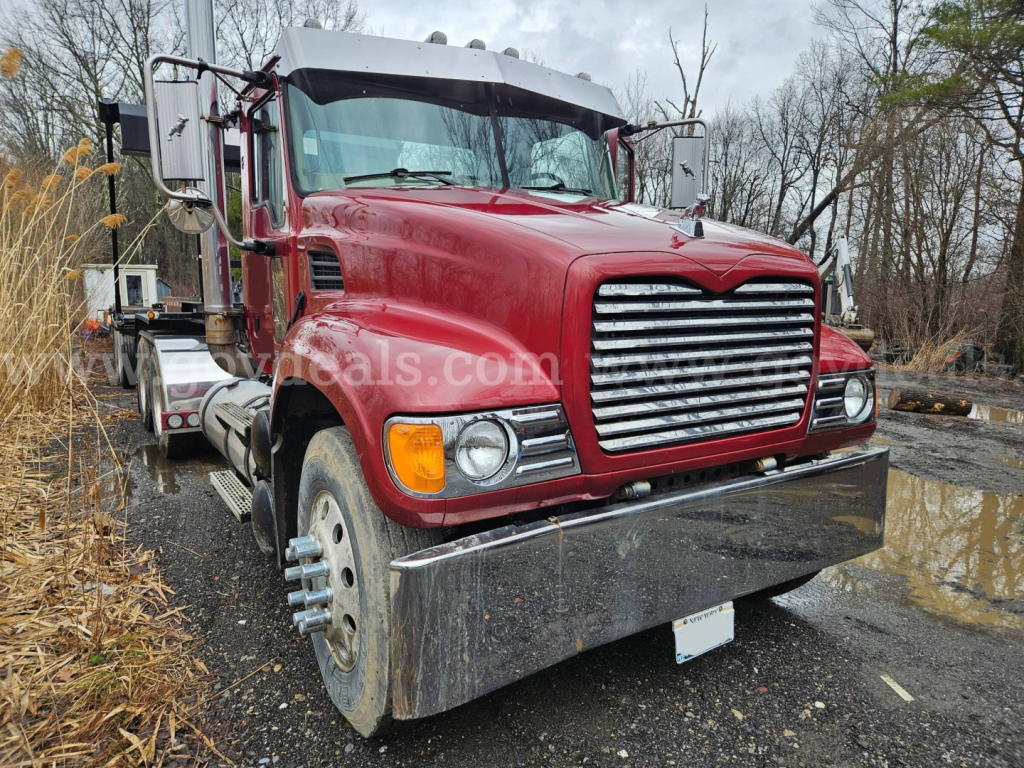
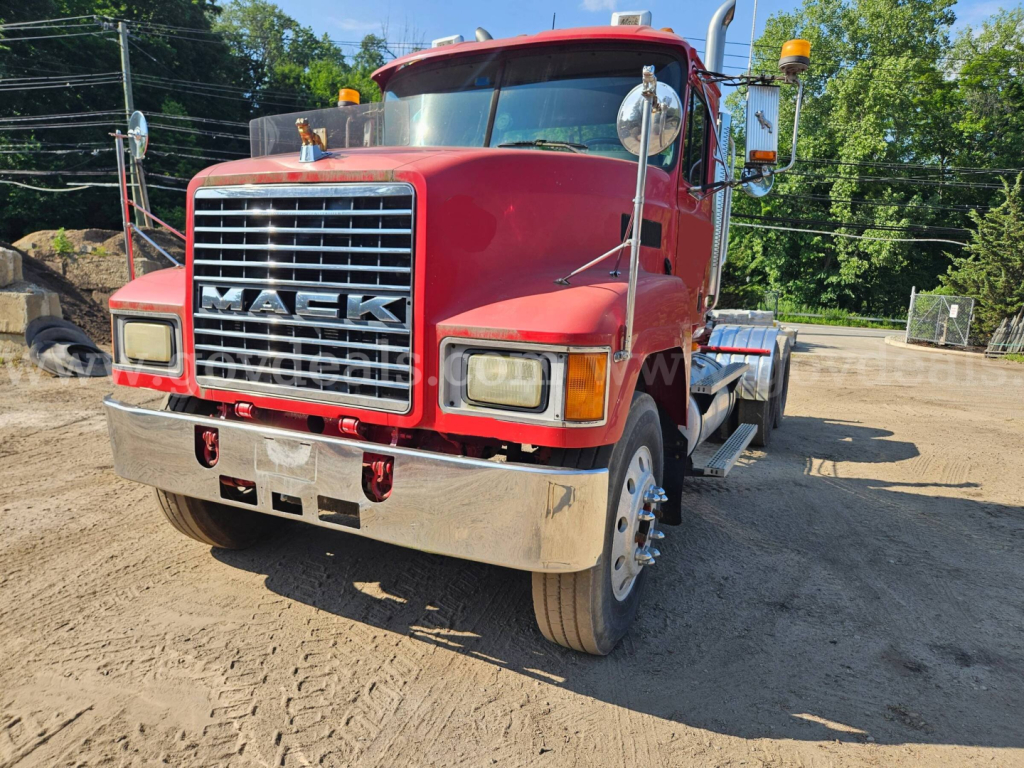
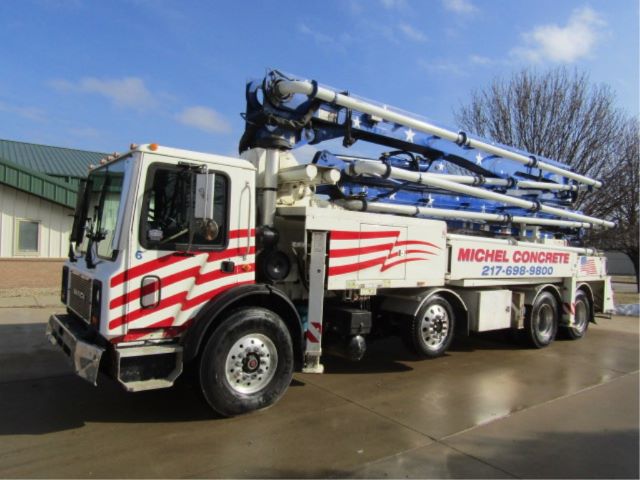
Have used 2003 mack truck to sell? List it here to reach thousands of buyers.
Used 2003 Mack Trucks
A 2003 Mack can show up with Mack-powered drivetrains and traditional manual transmissions, often 9-speed, 10-speed, 13-speed, or 18-speed depending on vocation. Tandem axle 6x4 setups are common, and rear axle ratings around 38,000 to 40,000 pounds are typical for road tractors and many vocational builds. Wheelbase matters more than many buyers expect. A shorter wheelbase favors maneuverability for local or vocational work, while a longer wheelbase may better suit sleeper service, body installation, or a smoother highway ride. Suspension type also deserves a close look. Mack camelback, air ride, and vocational suspension options each change ride quality, load stability, and maintenance profile.
Condition is the deciding factor on a truck from this age group. Service records, engine rebuild history, frame condition, suspension wear, brake life, and evidence of rust or corrosion matter more than paint or trim. Buyers should inspect for blow-by, coolant contamination, driveline vibration, leaking wheel seals, worn kingpins, and uneven tire wear that can point to alignment or suspension issues. On road tractors, check the fifth wheel condition, frame rail drilling, and any prior wet kit installation. On vocational trucks, verify PTO operation, body mounting integrity, hydraulic system condition, and whether axle and bridge ratings match the intended job. Interior and electrical condition can also vary widely on 2003 units, so gauges, HVAC, lighting, and switchgear should all be tested.
A used 2003 Mack truck can still make sense for buyers who prioritize lower acquisition cost and proven chassis durability over newer emissions technology and electronic features. Many operators value this era because the systems are generally more familiar to service, and parts support for core Mack components remains strong through many aftermarket and OEM channels. The best buy is usually the truck with the clearest maintenance history and the right spec for the job, not simply the lowest miles or lowest price. Matching horsepower, gearing, axle capacity, cab style, and frame layout to the intended route and payload is what turns an older Mack into a productive asset.
Frequently Asked Questions about Used 2003 Mack Trucks
What should I look at first on a used 2003 Mack truck?
Start with the engine, transmission, axle ratings, wheelbase, and service history. Those items tell you what the truck was built to do and how well it may fit your application today. After that, inspect frame condition, suspension wear, brake life, tires, steering components, and any signs of oil, coolant, or driveline leaks. On an older truck, maintenance history and overall mechanical condition usually matter more than cosmetics.
Are 2003 Mack trucks good for vocational work?
Yes, many 2003 Mack trucks are well suited for vocational work because Mack chassis from this era were commonly spec'd for dump, refuse, roll-off, mixer, municipal, and severe-service applications. Buyers should confirm the truck’s exact axle configuration, suspension, PTO compatibility, frame layout, and gross vehicle weight rating before purchase. A vocational Mack with the right gearing and suspension can still be a very practical work truck.
What engines and transmissions are common in a 2003 Mack truck?
Common configurations include Mack diesel engines paired with manual transmissions such as 9-speed, 10-speed, 13-speed, or 18-speed gearboxes, depending on the truck’s intended use. Some trucks may also have automated or application-specific driveline setups. The key is to verify horsepower, torque, rear axle ratio, and transmission model together, because those components determine gradeability, cruising rpm, fuel economy, and jobsite performance.
How important is wheelbase on a used 2003 Mack truck?
Wheelbase is very important because it affects turning radius, ride quality, bridge law compliance, body fitment, and overall usability. A shorter wheelbase is usually preferred for tighter urban routes, jobsite access, and certain vocational bodies. A longer wheelbase may be better for sleeper tractors, spread axle applications, or body installations that need more frame space. Buyers should match wheelbase to the route, trailer, or body requirement rather than treating it as a minor spec.
Is a used 2003 Mack truck cheaper to maintain than a newer truck?
It can be, especially when compared with newer trucks that have more emissions hardware and more complex electronics. A 2003 truck may offer simpler systems and easier field diagnostics, but actual maintenance cost depends on current condition, prior repairs, and parts availability for the specific model. An older Mack with documented upkeep can be economical to run, while a neglected one can quickly become expensive. A pre-purchase inspection is the best way to understand likely repair costs.