
Used 1999 Mack Trucks For Sale
Shop used 1999 Mack trucks for sale, including highway and vocational models known for durable drivetrains, heavy frames, and fleet-ready spec options.
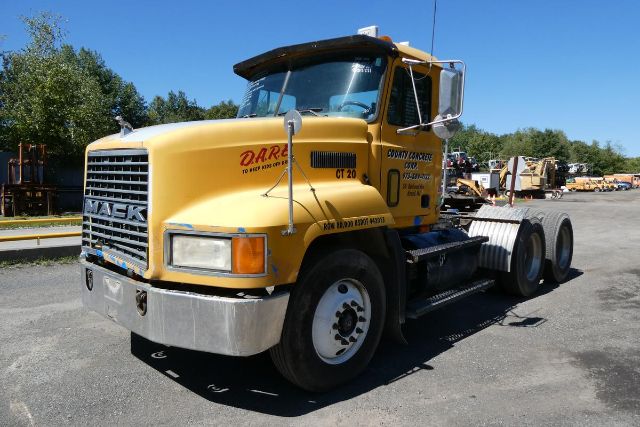
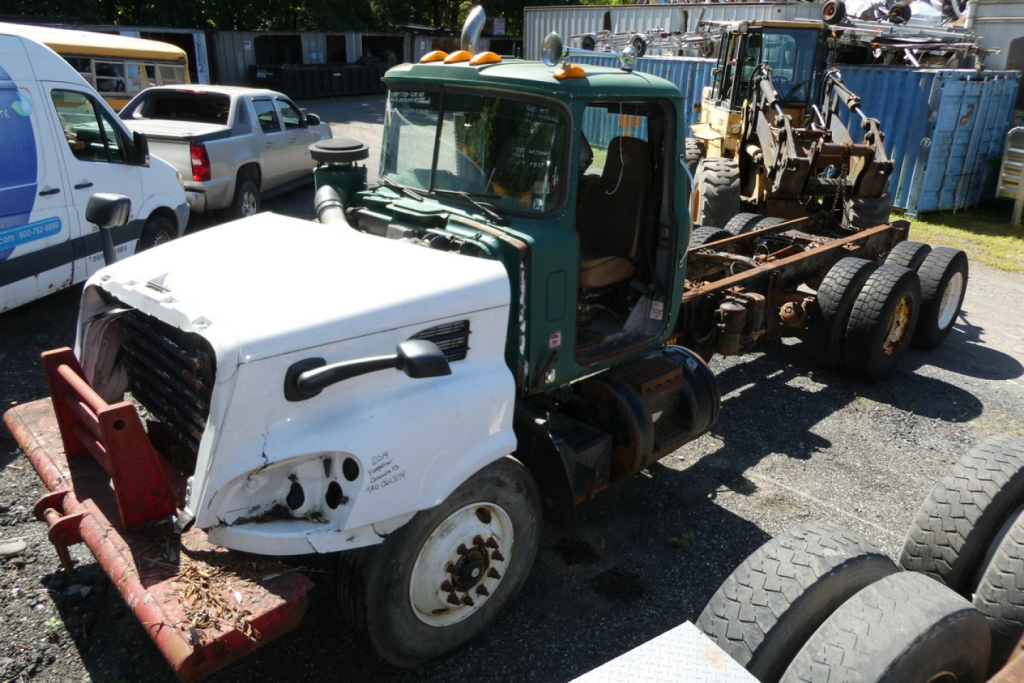
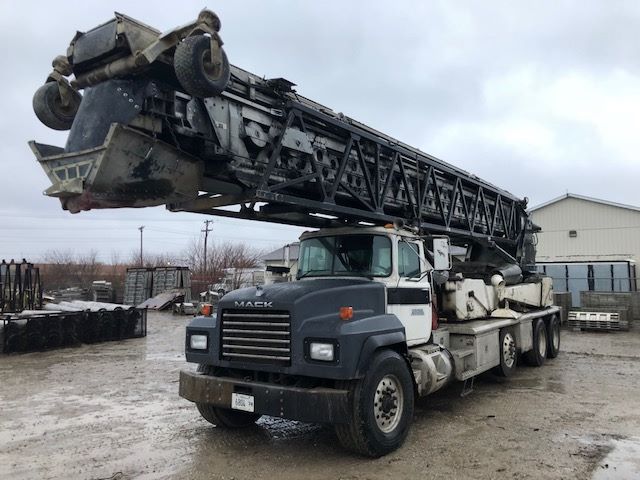

Selling a used 1999 mack truck? List your used 1999 mack truck for sale and reach thousands of commercial buyers.
Used 1999 Mack Trucks
The biggest buying decision on a 1999 Mack truck is usually the powertrain and original vocation. Many trucks from this era were built with Mack E7 diesel engines, often paired with Mack manual transmissions or Fuller gearboxes, and rear axle ratings suited to regional haul, construction, refuse, or heavy vocational service. Buyers should pay close attention to horsepower and torque ratings, axle ratio, suspension type, wheelbase, and whether the truck has camelback, air ride, or vocational spring suspension. On-road tractors tend to be valued for their simple driveline layout and stout frame rails, while vocational units are often chosen for their rugged front axle capacities, PTO compatibility, and body-mounting flexibility.
Condition matters more than mileage alone on a truck of this age. A well-maintained 1999 Mack can still be a practical truck for farm use, local hauling, municipal work, or jobsite support, but inspection should be thorough. Look closely at frame corrosion, cab mounts, suspension wear, driveline play, brake system condition, steering components, and signs of engine or transmission leaks. On vocational trucks, inspect hoists, PTO operation, hydraulic lines, and evidence of hard off-road use. Buyers should also confirm brake type, tire size, wheel equipment, and whether replacement parts for the exact spec are readily available through Mack or aftermarket channels.
For many buyers, the appeal of a used 1999 Mack truck is its balance of heavy-duty construction and lower acquisition cost. These trucks are often considered by owner-operators, municipalities, contractors, and farms that need a work truck more than a technology package. If the truck is correctly spec'd for the job, a 1999 Mack can still offer dependable service in short-haul, seasonal, and vocational applications. The best value usually comes from matching the chassis, axle ratings, and drivetrain to the intended payload and route profile rather than shopping by price alone.
Frequently Asked Questions about Used 1999 Mack Trucks
What engines are common in used 1999 Mack trucks?
The Mack E7 diesel is one of the most common engines found in 1999 Mack trucks, especially in CH, RD, and CL series models. Horsepower ratings vary by application, with highway tractors and vocational trucks often carrying different torque and cooling package specs. Because 1999 trucks are generally pre-emissions, many buyers seek them out for their simpler engine management systems and reduced emissions-related maintenance compared with later model years.
Are 1999 Mack trucks better suited for highway use or vocational work?
That depends on the original chassis specification. A 1999 Mack could be built as a conventional road tractor for regional or long-haul use, or as a vocational truck for dump, refuse, mixer, or municipal service. The right choice comes down to wheelbase, suspension, axle ratings, transmission, PTO capability, and frame configuration. Buyers should evaluate the truck by its intended application rather than the badge alone.
What should I inspect first on a used 1999 Mack truck?
Start with the frame, engine, transmission, suspension, brakes, and steering system. Rust, cracked brackets, worn spring pins, leaking seals, driveline wear, and brake component condition are all important on a truck of this age. Service records are especially valuable because they help verify engine work, clutch or transmission repairs, suspension rebuilds, and major component replacement. A detailed pre-purchase inspection is strongly recommended.
Do 1999 Mack trucks still make sense for fleets or owner-operators?
They can, especially in lower-mileage annual use, farm service, construction support, and local hauling where acquisition cost matters more than late-model amenities. Many buyers choose a 1999 Mack because the truck can still handle demanding work if it has been maintained properly. The decision usually comes down to mechanical condition, parts support, and whether the truck's axle, frame, and drivetrain specs match the workload.
Why do some buyers prefer pre-emissions Mack trucks from 1999?
Pre-emissions trucks are often preferred because they have fewer emissions-control components and less electronic complexity than newer models. That can mean simpler diagnostics, fewer aftertreatment-related repairs, and easier maintenance for certain operators. The tradeoff is age, which increases the importance of checking wear items, corrosion, and the overall history of the truck before purchase.